On this page
- Pintxos Bars in Parte Vieja — The Essential Old Town Circuit
- Michelin-Starred Restaurants — Fine Dining Capital of Spain
- La Bretxa Market and Food Halls — Fresh Local Ingredients
- Gros Neighborhood — Modern Foodie Scene Beyond Tourism
- Seafront Dining — Restaurants with Views Along the Coast
- Budget-Friendly Local Spots — Where Donostiarras Actually Eat
- 2026 Food Costs and Practical Tips
- Frequently Asked Questions
💰 Click here to see Spain Budget Breakdown
💰 Prices updated: May 2026. Budget figures are estimates — always verify before travel.
Exchange Rate: $1 USD = €0.86
Daily Budget (per person)
Shoestring: €50.00 – €140.00 ($58.14 – $162.79)
Mid-range: €90.00 – €240.00 ($104.65 – $279.07)
Comfortable: €220.00 – €450.00 ($255.81 – $523.26)
Accommodation (per night)
Hostel/guesthouse: €15.00 – €50.00 ($17.44 – $58.14)
Mid-range hotel: €70.00 – €130.00 ($81.40 – $151.16)
Food (per meal)
Budget meal: €7.00 ($8.14)
Mid-range meal: €25.00 ($29.07)
Upscale meal: €80.00 ($93.02)
Transport
Single metro/bus trip: €2.90 ($3.37)
Monthly transport pass: €22.80 ($26.51)
San Sebastián‘s food scene has exploded even further since 2024, with new pintxos bars opening monthly and the city maintaining its crown as having more Michelin stars per capita than anywhere else in the world. Finding great food here isn’t the challenge — choosing where to start among hundreds of exceptional options is what overwhelms most visitors in 2026.
Pintxos Bars in Parte Vieja — The Essential Old Town Circuit
The cobblestone streets of the old quarter buzz with locals moving from bar to bar, each venue specializing in particular pintxos. Start your circuit on Calle Fermin Calbeton, where Bar Nestor serves only two things: tortilla española (available from 1pm and 8pm) and tomatoes with salt. The tortilla disappears within minutes, so arrive early and listen for the sizzle of eggs hitting the pan.
Move to La Cuchara de San Telmo on Plaza Santa María, where chef Alex Montiel reinvented traditional pintxos with modern techniques. Their foie gras with apple and Pedro Ximénez reduction balances on a single spoon, delivering intense flavors that revolutionized pintxos culture in the early 2000s.
Ganbara on Calle San Jerónimo specializes in mushrooms and seafood. Their spider crab with mayonnaise and idiazábal cheese sits perfectly on crusty bread, while seasonal wild mushrooms from the Basque mountains appear on small plates throughout autumn and winter.
Bar Sport on Calle Fermin Calbeton draws crowds for their legendary anchovy pintxos. The sound of beer taps working constantly and animated conversations in Euskera create the authentic atmosphere visitors seek. Their bacalao al pil pil represents classic Basque cooking at its finest.

End your pintxos tour at Borda Berri on Calle Fermin Calbeton, where traditional recipes meet creative presentation. Their slow-cooked beef cheeks melt on your tongue, while the txistorra sausage with quail egg provides the perfect finish to an evening tour.
Michelin-Starred Restaurants — Fine Dining Capital of Spain
San Sebastián’s three-Michelin-starred restaurants define modern Spanish cuisine. Arzak, run by Juan Mari Arzak and his daughter Elena, continues pushing culinary boundaries from their laboratory-like kitchen. Their tasting menu changes seasonally, incorporating techniques developed over decades of experimentation.
Akelarre, perched on Monte Igueldo with panoramic bay views, showcases Pedro Subijana’s philosophy of respecting traditional Basque ingredients while applying innovative cooking methods. The restaurant’s cliff-side location adds drama to meals that can stretch over four hours.
Martín Berasategui, located 9 kilometers outside the city center in Lasarte, represents the newest addition to San Sebastián’s three-star collection. Berasategui’s molecular gastronomy approach transforms simple ingredients into unexpected textures and flavors.
For those seeking Michelin quality without the three-star price point, several one and two-starred establishments offer exceptional experiences. Kokotxa in the old quarter focuses exclusively on Basque fish cookery, while Miramón provides contemporary interpretations of regional classics.
Reservations for starred restaurants require booking 2-3 months ahead for 2026, particularly during summer and the San Sebastián International Film Festival in September. Most establishments offer lunch menus at significantly lower prices than dinner service.
La Bretxa Market and Food Halls — Fresh Local Ingredients
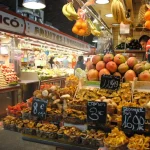
La Bretxa Market anchors San Sebastián’s food scene with vendors selling produce from Basque farms and fish caught that morning in the Bay of Biscay. The market’s lower level houses traditional vendors, while the upper floor features modern food stalls and a teaching kitchen where local chefs demonstrate techniques.

The fish market section operates Monday through Saturday from 8am to 2pm. Vendors display whole tuna, fresh anchovies, and seasonal catches like turbot and sea bream on ice. The quality rivals what Michelin-starred restaurants purchase, allowing visitors to see ingredients before they appear on plates across the city.
Upstairs, La Bretxa Gourmet offers ready-to-eat options from established local producers. Sample idiazábal cheese aged in caves, Iberico ham sliced to order, and traditional Basque pastries. The wine section features bottles from small Basque producers rarely exported outside Spain.
The market’s teaching kitchen hosts daily demonstrations where local chefs prepare traditional dishes using ingredients purchased downstairs. Sessions include English translation through wireless headsets, making the experience accessible to international visitors.
Adjacent to the main market, smaller specialty shops sell preserved foods, spices, and kitchen equipment. The smell of roasted peppers and cured meats permeates these narrow corridors, creating a sensory experience that captures the essence of Basque food culture.
Gros Neighborhood — Modern Foodie Scene Beyond Tourism
Across the Urumea River, the Gros neighborhood has emerged as San Sebastián’s contemporary food hub, attracting young chefs who can’t afford old quarter rents. The area around Calle Zabaleta and Avenida Navarra buzzes with innovation while maintaining neighborhood character.
Taberna Gandarias Gros represents the successful transplantation of old quarter pintxos culture to a modern setting. Their spacious interior accommodates larger groups while maintaining the standing-room pintxos tradition. The txuleta steak and grilled mushrooms showcase ingredients sourced directly from Basque farms.
Zero serves plant-based cuisine that has converted even devoted carnivores. Chef Isaac Bartolomé uses local vegetables in combinations that surprise and satisfy. Their seasonal menu reflects what’s growing in nearby farms, creating dishes that change monthly.
The Gros Saturday market (Saturdays 9am-2pm) offers a more intimate experience than La Bretxa, with vendors who remember regular customers and provide cooking advice along with their produce. Local residents shop here for weekly supplies, creating authentic interactions often missing in tourist-focused areas.

Several wine bars in Gros specialize in natural wines from small Basque producers. These venues focus on bottles rather than pintxos, providing education about regional wine varieties while offering simple accompaniments like local cheese and charcuterie.
Seafront Dining — Restaurants with Views Along the Coast
San Sebastián’s coastline provides dramatic backdrops for memorable meals, particularly along Zurriola Beach and the Urumea River mouth. These establishments combine excellent food with prime locations, though prices reflect the premium positioning.
Narru Restaurant on Zurriola Beach serves modern Basque cuisine with floor-to-ceiling windows facing the surf. Their fish dishes feature catches landed that morning at nearby ports, while the wine list emphasizes natural wines from Basque producers. Sunset dinners provide particularly spectacular settings as the sun sets over the Cantabrian Sea.
Bodega Donostiarra, despite its tourist-area location near the Parte Vieja, maintains authenticity through family ownership spanning three generations. Their grilled fish preparations let quality ingredients speak for themselves, while the terrace overlooks La Concha Bay’s gentle curve.
The restaurants along Paseo de Salamanca offer elevated dining with bay views, though quality varies significantly. Research current reviews before choosing, as some establishments coast on location rather than culinary excellence.
For casual seafront dining, the chiringuitos (beach bars) along Ondarreta Beach serve simple grilled fish, cold beer, and pintxos with sand between your toes. These temporary structures operate only during summer months but provide authentic local experiences away from formal restaurant settings.
Budget-Friendly Local Spots — Where Donostiarras Actually Eat
Beyond the tourist circuits, neighborhood bars and restaurants serve excellent food at prices locals can afford. These establishments often lack English menus but welcome curious visitors willing to point and smile.

Casa Urola near the cathedral serves traditional Basque dishes in generous portions at reasonable prices. Their menú del día (daily menu) offers three courses plus wine for €18-22, featuring seasonal ingredients prepared simply but expertly. The dining room fills with office workers and residents rather than tourists.
Txepetxa on Calle Pescadería specializes exclusively in anchovies, serving them 25 different ways on bread. Despite the narrow focus, their creativity transforms this simple ingredient into surprising combinations. Prices remain remarkably low considering the prime old quarter location.
The area around Egia train station contains several family-run restaurants serving hearty portions to working-class clientele. These venues offer insights into everyday Basque cooking without tourism markup, though don’t expect English-speaking staff or translated menus.
University-area bars near the Gipuzkoa campus provide additional budget options, particularly during the academic year. Students frequent these establishments, keeping prices low while maintaining quality standards expected by discerning young Basques.
Self-catering visitors can shop at Eroski and Mercadona supermarkets for ingredients, then prepare meals in apartment kitchens. Local markets provide superior produce, but supermarkets offer convenience and familiar shopping experiences.
2026 Food Costs and Practical Tips
San Sebastián’s food scene spans all budget levels, though prices have increased since 2024 due to inflation and growing international popularity. Understanding current pricing helps visitors plan accordingly while avoiding tourist traps.
Budget Options (Under €25 per person): Pintxos bars charge €2-4 per pintxo, with most people eating 4-6 pieces plus drinks for €15-20 total. Neighborhood restaurants offer menús del día for €15-25. Market food halls provide quality meals for €8-15. Supermarket ingredients for self-catering cost €20-30 daily for two people.
Mid-Range Dining (€25-60 per person): Established restaurants in Gros and newer old quarter venues charge €30-45 for full meals with wine. Seafront restaurants with views range €35-60 depending on location. Wine bars with substantial food offerings cost €25-40 per person including drinks.

Comfortable Splurging (€60+ per person): One-Michelin-starred restaurants charge €80-120 for tasting menus. Two-starred establishments range €150-200. Three-starred restaurants cost €200-300+ per person. Premium seafront dining with extensive wine selections reaches €80-150 per person.
Tipping isn’t expected but rounding up bills or leaving 5-10% for exceptional service is appreciated. Most establishments accept cards, though small bars prefer cash. Lunch service typically runs 1:30-3:30pm, while dinner starts around 8:30pm and can continue past midnight on weekends.
The city has implemented a new food waste reduction program in 2026, with many restaurants offering smaller portion options and doggy bags for leftovers. This initiative helps budget-conscious visitors stretch their dining euros while supporting environmental goals.
Frequently Asked Questions
What time do people eat dinner in San Sebastián? Dinner service begins around 8:30pm, with locals typically arriving between 9:30-10:30pm. Restaurants stay open until midnight or later, especially on weekends. Arriving before 8:30pm often means eating alone.
Do I need reservations for pintxos bars? No reservations are accepted at traditional pintxos bars — they operate on a first-come, first-served basis. Arrive early (7-8pm) to avoid crowds, or embrace the authentic experience of standing room only during peak hours.
How much should I budget for a food-focused day in San Sebastián? Budget travelers can eat well for €30-40 daily, mid-range visitors should plan €60-80, while food enthusiasts splurging on starred restaurants need €150-300+ per person for special meals plus regular meals throughout the day.
Are vegetarian and vegan options widely available? Traditional Basque cuisine is heavily meat and fish-based, but 2026 has seen significant expansion of plant-based options. Most restaurants offer vegetarian dishes, and several dedicated vegan establishments operate in Gros and the old quarter.
What’s the best way to experience both pintxos and fine dining? Start with pintxos tours in the early evening (7-9pm), then make late dinner reservations (10-11pm) at restaurants. This schedule matches local eating patterns and allows you to experience both food cultures in a single evening.
Explore more
Best Neighborhoods in San Sebastián, Spain — Area-by-Area Guide
Shopping in San Sebastián, Spain — Best Markets and Stores
Best Day Trips from San Sebastian: Explore the Basque Country & Beyond
📷 Featured image by Deniz Demirci on Unsplash.