On this page
- Bilbao: Guggenheim and Urban Basque Culture
- French Basque Country: Biarritz and Bayonne
- Coastal Gems: Getaria and Zarautz
- Rioja Wine Country: Haro and Laguardia
- Pamplona: Beyond the Running of the Bulls
- Hondarribia: Medieval Charm on the French Border
- Vitoria-Gasteiz: Green Capital and Hidden Architecture
- Frequently Asked Questions
San Sebastian’s compact size makes it an ideal launching pad for exploring the diverse landscapes of northern Spain and southwestern France. With improved rail connections and streamlined cross-border travel in 2026, visitors can now reach destinations that were once challenging day trips, opening up a wealth of cultural, culinary, and natural experiences within reach of the city.
Bilbao: Guggenheim and Urban Basque Culture
The gleaming titanium curves of the Guggenheim Museum make Bilbao the most popular day trip from San Sebastian, and the journey has become even smoother since the new direct bus service launched in early 2026. The 100-kilometre trip takes just over an hour by bus or train, putting you in the heart of Bilbao’s transformed Nervión riverfront by mid-morning.
Start at the Guggenheim, where the building itself remains as impressive as the rotating contemporary art exhibitions inside. The museum’s outdoor sculptures, including Jeff Koons’ flower-covered Puppy, provide perfect photo opportunities against the backdrop of Bilbao’s industrial-turned-artistic skyline.
The Casco Viejo (Old Quarter) offers a completely different atmosphere from San Sebastian’s belle époque elegance. Here, narrow medieval streets wind between traditional Basque buildings, leading to the Gothic Santiago Cathedral and the bustling Mercado de la Ribera. The covered market, built along the Nervión River, houses dozens of pintxo bars where locals gather for their morning coffee and simple snacks.
For lunch, head to the newer Ensanche district where modern Basque cuisine has found its home. The area around Gran Vía showcases Bilbao’s commercial energy, while the nearby Parque de Doña Casilda provides a green respite with views back toward the Guggenheim.
French Basque Country: Biarritz and Bayonne

Crossing into France for a day trip became significantly easier in 2026 with the introduction of express buses that bypass traditional border checkpoints. The journey to Biarritz takes roughly 45 minutes, delivering you to a completely different Basque experience shaped by French elegance and Atlantic surf culture.
Biarritz’s Grande Plage stretches beneath the historic Hôtel du Palais, where European royalty once vacationed. The beach maintains its glamorous reputation, but the surrounding streets now buzz with modern surf shops and casual bistros. The iconic lighthouse at Pointe Saint-Martin offers sweeping ocean views and marks the spot where the Bay of Biscay meets the Pyrenees foothills.
Twenty minutes inland, Bayonne presents the cultural heart of French Basque country. The city’s Gothic cathedral dominates the skyline, while the old town’s red-and-white timber buildings house chocolate shops, traditional Basque restaurants, and artisan boutiques. The smell of fresh chocolate wafts from century-old chocolateries along Rue du Port-Neuf, where master chocolatiers still follow recipes brought from Spain’s colonial period.
The weekly market in Bayonne’s Les Halles reveals the subtle differences in French Basque cuisine. Local cheeses like Ossau-Iraty appear alongside Spanish varieties, while Bayonne ham and French pastries show the region’s unique cultural fusion.
Coastal Gems: Getaria and Zarautz
The Basque coastline between San Sebastian and Bilbao hides several fishing villages that have maintained their authentic character despite growing tourism. Getaria, just 25 kilometres west of San Sebastian, can be reached in 20 minutes by the coastal bus service that runs every hour throughout the day.
This medieval fishing port is famous for two things: grilled turbot and txakoli wine. The village’s curved harbour protects a small fleet of fishing boats that still bring in daily catches, sold directly to the restaurants lining Getaria’s narrow main street. The sound of sizzling fish echoes from outdoor grills as restaurant workers prepare the local specialty over wood fires.

Above the village, the Cristóbal Balenciaga Museum occupies a modern building that contrasts sharply with Getaria’s ancient stone architecture. The fashion designer’s birthplace now showcases his revolutionary designs alongside temporary exhibitions exploring his influence on contemporary fashion.
Neighboring Zarautz stretches along one of the Basque coast’s longest beach, popular with both surfers and families. The town’s belle époque architecture mirrors San Sebastian’s style, but on a smaller, more intimate scale. The beach promenade comes alive during sunset, when the day’s final surfers ride waves silhouetted against the orange sky.
Rioja Wine Country: Haro and Laguardia
Spain’s most famous wine region lies just two hours south of San Sebastian, making it an ambitious but rewarding day trip for wine enthusiasts. The new high-speed bus service launched in 2026 connects San Sebastian directly to Haro, the unofficial capital of Rioja Alta, cutting the previous journey time by 30 minutes.
Haro’s Barrio de la Estación (Station Quarter) concentrates over a dozen wineries within walking distance of each other. Unlike the large commercial operations found elsewhere in Rioja, these family-run bodegas maintain traditional production methods and offer intimate tastings in centuries-old cellars. The cool underground spaces provide welcome relief during summer visits, while the constant temperature ensures optimal wine storage.
The medieval hilltop village of Laguardia, 30 minutes from Haro, offers a different perspective on Rioja wine culture. The village’s defensive walls enclose modern wine bars alongside ancient churches, while underground tunnels connect many buildings to hidden wine cellars. From Laguardia’s ramparts, vineyard-covered hills stretch toward the snow-capped Pyrenees, creating some of Spain’s most photogenic wine country landscapes.
Many wineries now offer express tasting menus designed for day-trippers, combining local wines with small plates of regional specialties like chorizo de Cantimpalos and aged Manchego cheese.

Pamplona: Beyond the Running of the Bulls
Pamplona’s international fame rests on the San Fermín festival, but the Navarrese capital offers compelling attractions year-round, particularly for visitors interested in Camino de Santiago history and Navarrese culture. The 80-kilometre journey from San Sebastian takes about an hour by direct bus.
The old town’s Plaza del Castillo forms the heart of Pamplona’s social life, surrounded by traditional cafés where locals gather for morning coffee and evening vermouths. The Gothic cathedral, built on Roman foundations, houses an impressive museum of religious art and provides access to the medieval city walls.
The route of the famous bull run, from the Corrales de Santo Domingo to the Plaza de Toros, can be walked in just eight minutes. Brass plates embedded in the cobblestones mark the exact route, while information panels explain the festival’s history and traditions. Outside of festival season, the bullring offers guided tours that include the chapel where matadors pray before fights.
Pamplona’s modern districts showcase contemporary Basque and Navarrese architecture, particularly around the University of Navarra campus. The Citadel Park, built on the foundations of a 16th-century fortress, provides green space and hosts outdoor concerts during summer months.
Hondarribia: Medieval Charm on the French Border
The fortified town of Hondarribia sits just 20 kilometres east of San Sebastian, making it an easy half-day trip that can be combined with beach time or French border exploration. Regular buses connect the two cities in 30 minutes, while the journey by car offers stunning coastal views.
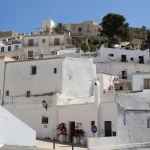
Hondarribia’s walled old town preserves one of Spain’s best examples of medieval Basque architecture. Narrow cobblestone streets wind between colorful houses with wooden balconies and flower boxes, leading to the imposing Castle of Charles V, now converted into a luxury parador hotel.

The Marina district contrasts sharply with the medieval upper town, featuring pastel-colored fishermen’s houses that line the Bidasoa River. Here, waterfront restaurants specialize in fresh seafood and traditional Basque dishes, while pleasure boats offer short cruises along the river to the French border at Hendaye.
The beach at Hondarribia stretches for two kilometres, backed by the Jaizkibel mountain range. Unlike San Sebastian’s urban beaches, this coastline maintains a wild character, popular with locals seeking a quieter alternative to the region’s busier resort areas. Hondarribia’s position at the French border creates a unique cultural blend visible in architecture, cuisine, and daily life.
Vitoria-Gasteiz: Green Capital and Hidden Architecture
As the capital of Álava province and the entire Basque Country, Vitoria-Gasteiz often gets overlooked by tourists focusing on coastal destinations. This oversight means visitors can explore one of Spain’s most livable cities without crowds, enjoying exceptional architecture and innovative urban planning just 100 kilometres from San Sebastian.
The medieval Almendra (Almond) forms the historic core, its concentric streets radiating from the Gothic Santa María Cathedral. This cathedral, made famous by Ken Follett’s novel “World Without End,” offers guided visits that include access to the restoration workshops where craftsmen work to preserve medieval stonework and frescoes.
Vitoria-Gasteiz earned recognition as European Capital of Culture in 2012, leading to significant investment in cultural infrastructure. The Artium Museum showcases contemporary Basque and Spanish art, while the Bibat Museum combines archaeology and playing card history in an unexpected but fascinating combination.
The city’s commitment to sustainability shows in its extensive park system and bike paths. The Green Belt encircles the urban area with wetlands and forests accessible by foot or bicycle. During spring, the parks fill with locals enjoying picnics and outdoor activities, creating a relaxed atmosphere rarely found in larger Spanish cities.
Frequently Asked Questions
What’s the easiest day trip from San Sebastian for first-time visitors?
Bilbao offers the most attractions and easiest logistics, with frequent buses and trains taking just over an hour. The Guggenheim Museum and old quarter provide a full day’s activities.
Can I visit France and return to Spain in one day without passport issues?
Yes, EU citizens need only national ID cards, while non-EU visitors use the same passport for multiple Schengen zone entries. Border crossings are typically quick and routine.
Which day trips work best without a rental car?
Bilbao, Pamplona, Vitoria-Gasteiz, and Hondarribia all have excellent public transport connections. Coastal towns like Getaria and Zarautz are also easily accessible by bus.
How early should I start day trips to make the most of limited time?
Departing between 8-9 AM allows full days at destinations. Return transport typically runs until 10 PM for popular routes, giving flexibility for evening meals or activities.
What day trips offer the best food experiences outside San Sebastian?
Bilbao excels for innovative Basque cuisine, while Getaria specializes in grilled seafood. Rioja wine country combines excellent wines with traditional regional dishes not found on the coast.
Explore more
Best Neighborhoods in San Sebastián, Spain — Area-by-Area Guide
Shopping in San Sebastián, Spain — Best Markets and Stores
Best Places to Eat in San Sebastián, Spain — Where to Find Great Food
📷 Featured image by Dean Milenkovic on Unsplash.