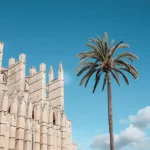
Málaga is busier than ever in 2026, and many visitors now spend their beach days squeezed onto crowded stretches far from the centre, or lose hours on buses chasing a “better” beach. La Malagueta solves this problem. It is Málaga’s city beach, a 15-minute walk from the cathedral, so you can swim in the Mediterranean and still be at lunch in the old town before the kitchens get busy.
What La Malagueta Is Like
La Malagueta is the coastal district just east of Málaga’s port and below the slopes of Gibralfaro hill. It is part neighbourhood and part beach resort. Apartment blocks line the seafront and many locals live here year-round. The result is a beach that feels used, not staged.
The sand is fine and dark grey, because of the mineral content of the local sediment. It gets hot by midday. The beach is about 1.2 km long and backed by a wide promenade, so it is easy to walk, jog or cycle along it. In the evening, families, joggers and couples out for the paseo fill the walkway, and the air smells of salt and charcoal smoke from nearby grills.
Do not expect a hidden cove. This is an urban beach, and its appeal is convenience, people-watching and the city skyline behind you.
Getting to La Malagueta in 2026
From the airport, take the C-1 Cercanías train to Málaga Centro-Alameda station. It runs about every 20 minutes and takes around 12 minutes. From there, it is a 20 to 25-minute walk east through the centre, or a short taxi ride. If you arrive at María Zambrano station by AVE or Alvia from Madrid, Córdoba or Seville, the walk is about 35 minutes, so a taxi or city bus makes more sense with luggage.
From the old town, the easiest route is on foot. Head to Plaza de la Marina, cross the park side along Paseo del Parque, and keep going east. You will pass the port and reach the beach in about 15 minutes. City buses also run along the park corridor and drop you near the bullring end of the beach.
If you want to continue east, the seafront promenade runs on towards Pedregalejo, roughly 3 km away. Walking it takes about 40 minutes, and the route is flat and shaded in patches. Rental bikes and e-scooters are widely available, but check the current local rules on where you may ride, because enforcement on busy promenades has become stricter.

On the Sand: Beach Conditions and Facilities
The beach has showers, foot-wash points, lifeguards in the main season, accessible access ramps and rental sunbeds. Seasonal beach bars, called chiringuitos, operate along the sand and promenade, and a few have shaded terraces.
- Closest to the port: This end is the most convenient for a quick dip after sightseeing. It also gets the most day-trippers and cruise passengers.
- Middle stretch: The best mix of space and facilities. Locals gather here on weekends.
- Near the bullring side: Slightly calmer on weekdays, and a good place to lay a towel if you want the city view behind you.
The water is clean enough for swimming, and the beach has a long, gentle entry. In summer, the sea reaches about 23 to 25°C, and in the early morning it is calm and glassy. The late-afternoon sea breeze, called the terral on hot days, can change conditions quickly, so watch the flags. Green means swim, yellow means caution, and red means stay out. Jellyfish appear in some summers, and lifeguards usually post warnings.
Beyond the Beach: What Else to Do Nearby
The Bullring
The Plaza de Toros de La Malagueta, built in 1874, stands just behind the beach. Its Neo-Mudéjar style makes it one of the most photographed buildings in the district. Bullfights are held only on a few dates a year, but the arena also hosts concerts and events, so check the programme during your visit. Whatever your view on bullfighting, the architecture is worth a look from the outside.
The Port Promenade
Walk west along the water and you reach Muelle Uno, the port’s open-air promenade. It has shops, restaurants and the Centre Pompidou Málaga, easy to spot by its colourful glass cube. Since the port promenade was redeveloped, it has become one of the best places for a sunset stroll, with yachts and cranes on one side and the Alcazaba lit up on the hill.
The Alcazaba and Gibralfaro
From the beach, the Alcazaba, Málaga’s 11th-century Moorish fortress, is a short walk. Gibralfaro castle sits higher up the hill and gives wide views over the bay and the beach you just left. The climb is steep, so go early or take a bus. Bring water, because there is little shade on the path in summer.

Eating and Drinking Around La Malagueta
Eating near the sand is easy, but quality varies. As a general rule, the places directly on the front charge more, while streets one or two blocks back serve cheaper, more local menus.
- On the beachfront: Chiringuitos serve grilled sardines on skewers, called espetos, plus fried fish and cold beer. Order the sardines in summer, when they are at their best. The smell of burning olive wood tells you the grill is working.
- Behind the promenade: The residential streets have small bars with lunch menus, tapas and terraces where you will hear more Spanish than English.
- At Muelle Uno: A mix of mid-range restaurants and cafés with harbour views. Good for sunset drinks, less so for bargains.
- In the old town: A 15-minute walk away, you will find classic tapas bars for dinner. Lunch at the beach and dinner in the centre is the best split.
When to Go
The beach season runs roughly from late May to early October. June and September are the sweet spot, with warm water, easier hotel prices and fewer crowds. July and August are hot and full, with daytime highs above 30°C and warm nights.
Winter is mild, with daytime highs around 17 to 19°C. It is too cool for most swimmers, but the promenade stays pleasant, and you will see locals walking and eating outdoors at lunch.
Two dates stand out. On the night of 23 June, Noche de San Juan, locals gather on the city beaches for bonfires, music and a midnight dip. In mid-August, the Feria de Málaga fills the city with music and dress, and the bullring area is busy. Book accommodation well ahead for both.
La Malagueta Budget Reality 2026
Prices have risen since 2024, especially for beachfront food and summer rooms. These are typical 2026 ranges.
- Budget: Dorm bed €30–50. Beach day with your own towel, water and a bakery sandwich: €8–12. Lunch menu del día away from the front: €12–15. Daily total: about €60–85.
- Mid-range: Hotel or apartment room in summer €120–180 per night. Sunbed pair €10–15 at beach-bar spots. Espeto lunch with a drink: €18–28. Daily total: about €150–220 per person for a couple sharing a room.
- Comfortable: Sea-view hotel or high-end apartment €220–350 per night. Long seafood dinner at the port: €45–70 per person. Private transfers and a guided city walk: €40–90. Daily total: about €300–450 per person.

Prices drop noticeably outside July and August, often by 25 to 40 percent for rooms. A free beach, free showers and a free promenade also mean this district can cost very little if you plan simply.
Where to Stay
La Malagueta works well as a base if you want the sea and the centre at the same time. Choose a hotel or apartment between the bullring and the port for the shortest walk to both. Rooms facing the street can be loud on summer weekends, so ask for an inner or higher-floor room.
Since 2025, Málaga has tightened rules on new tourist flats in many central areas, and the city continues to adjust its approach. Always check that your apartment has a valid Andalusian tourism registration number, which the host must display in the listing. Hotels are the safer, simpler choice in peak season.
If you prefer a quieter feel, the neighbourhoods of Pedregalejo and El Palo, further east, are calmer and more local, but they are farther from the sights.
Frequently Asked Questions
Is La Malagueta beach good for swimming?
Yes. The water is generally clean, the entry is gentle, and lifeguards are on duty in the main season. Check the flag colours before you go in, and avoid swimming under red flags. The sea is warmest from July to September, reaching about 23 to 25°C.
How far is La Malagueta from Málaga city centre?
It is about 15 minutes on foot from Plaza de la Marina and roughly 20 to 25 minutes from the cathedral. You do not need a bus or taxi. The walk follows the port and Paseo del Parque, and it is flat all the way.
Is La Malagueta beach free?
Yes, access to the sand is free, as it is for all Spanish beaches. You pay only for optional extras such as sunbed and umbrella rental, usually €10 to €15 for a pair in summer, or for food and drinks at the beach bars.
Is La Malagueta better than Pedregalejo?
They suit different plans. La Malagueta is closer to the sights, with more facilities and a bigger crowd. Pedregalejo is quieter and more local, and it is known for its fish restaurants. Many visitors do both: swim at La Malagueta, then walk east for dinner.
Can you visit La Malagueta in winter?
Yes. Winter days are mild, often 17 to 19°C, and sunny. The sea is too cold for most people, but the promenade is pleasant for walking, and beach bars stay open for lunch. Hotel prices are much lower than in summer, which makes it a good budget option.
Explore more
The Ultimate Guide to Shopping in Málaga: Where to Go & What to Buy
The Ultimate Málaga Itinerary: How to Spend 3 Perfect Days in the City
Calle Larios Shopping Guide: Málaga’s Premier Fashion Destination
📷 Featured image by Erik Fabian on Unsplash.