On this page
- Day 1 Morning: The Historic Centre and Alcazaba
- Day 1 Afternoon & Evening: Soho District, Street Art, and First Night Out
- Day 2: Beaches, the Eastern Neighbourhoods, and Seafood by the Shore
- Day 3 Morning: Picasso Museum, Mercado Central, and Coffee Culture
- Day 3 Afternoon: Gibralfaro Castle and the Views That Make It Worth the Climb
- 2026 Budget Reality: What Málaga Actually Costs
- Getting Around Málaga: Practical Logistics for 3 Days
- Frequently Asked Questions
Málaga in 2026 is a city under real pressure. Tourism numbers hit record highs again last year, and the city centre — especially around the Alcazaba and the main shopping street, Calle Larios — gets genuinely crowded between 10am and 2pm in summer. If you’re planning three days here, the order in which you do things matters more than it used to. This itinerary is built around that reality: start early, work with the city’s rhythms, and you’ll have a completely different experience from the tour-group crowd.
Day 1 Morning: The Historic Centre and Alcazaba
Start at the Alcazaba the moment it opens at 9am. This Moorish fortress, built in the 11th century on the slope of Gibralfaro hill, is one of the best-preserved in Spain — and before 10am, you’ll have much of it to yourself. The views over the Roman theatre below and the port beyond are genuinely spectacular from the upper terraces. Give yourself 90 minutes here.
Walk down through the Roman Theatre (free to visit, open from 9am), then head into the heart of the Casco Histórico. The Cathedral of Málaga — known locally as “La Manquita” (the one-armed lady) because one of its towers was never finished — is worth an hour inside. The baroque interior is ornate without being overwhelming, and the rooftop tour, which costs around €6, gives you a completely different perspective of the old town’s roofline.
For breakfast, skip the tourist-facing cafés on Calle Larios and instead go to Bar Orellana or any of the small tascas on Calle Granada. A coffee and a tostada con tomate will cost you €2.50–€3.50. The smell of fresh bread toasted on a grill, the hiss of the espresso machine — this is how Malagueños actually start their day.
Day 1 Afternoon & Evening: Soho District, Street Art, and First Night Out
After lunch, cross the Alameda Principal and head into Soho, Málaga’s arts district just south of the historic centre. This neighbourhood has transformed dramatically since its regeneration began in the early 2010s, and by 2026 it’s the most interesting part of the city for contemporary culture. Large-scale murals cover entire building facades — look for work by international street artists on Calle Tomás Heredia and the surrounding streets.

The Centre Pompidou Málaga sits at the edge of Soho in the port area. Its collection of modern and contemporary art — on loan from the Paris mothership — rotates regularly, and entry is around €9 in 2026. If modern art isn’t your thing, the building’s exterior cube structure and the views from the port promenade are worth the short walk anyway.
For your first evening, stay in this part of the city. Calle Bolsa and the surrounding streets in the old town come alive after 8pm. Málaga’s tapas culture means that at most traditional bars, you still receive a free tapa with every drink ordered — a custom that remains very much alive in the local-facing bars, though less so in tourist-heavy spots. Try El Pimpi for the atmosphere (it’s a Málaga institution, famous for its wine barrels signed by celebrities), then move on to smaller bars nearby for more authentic rounds.
Day 2: Beaches, the Eastern Neighbourhoods, and Seafood by the Shore
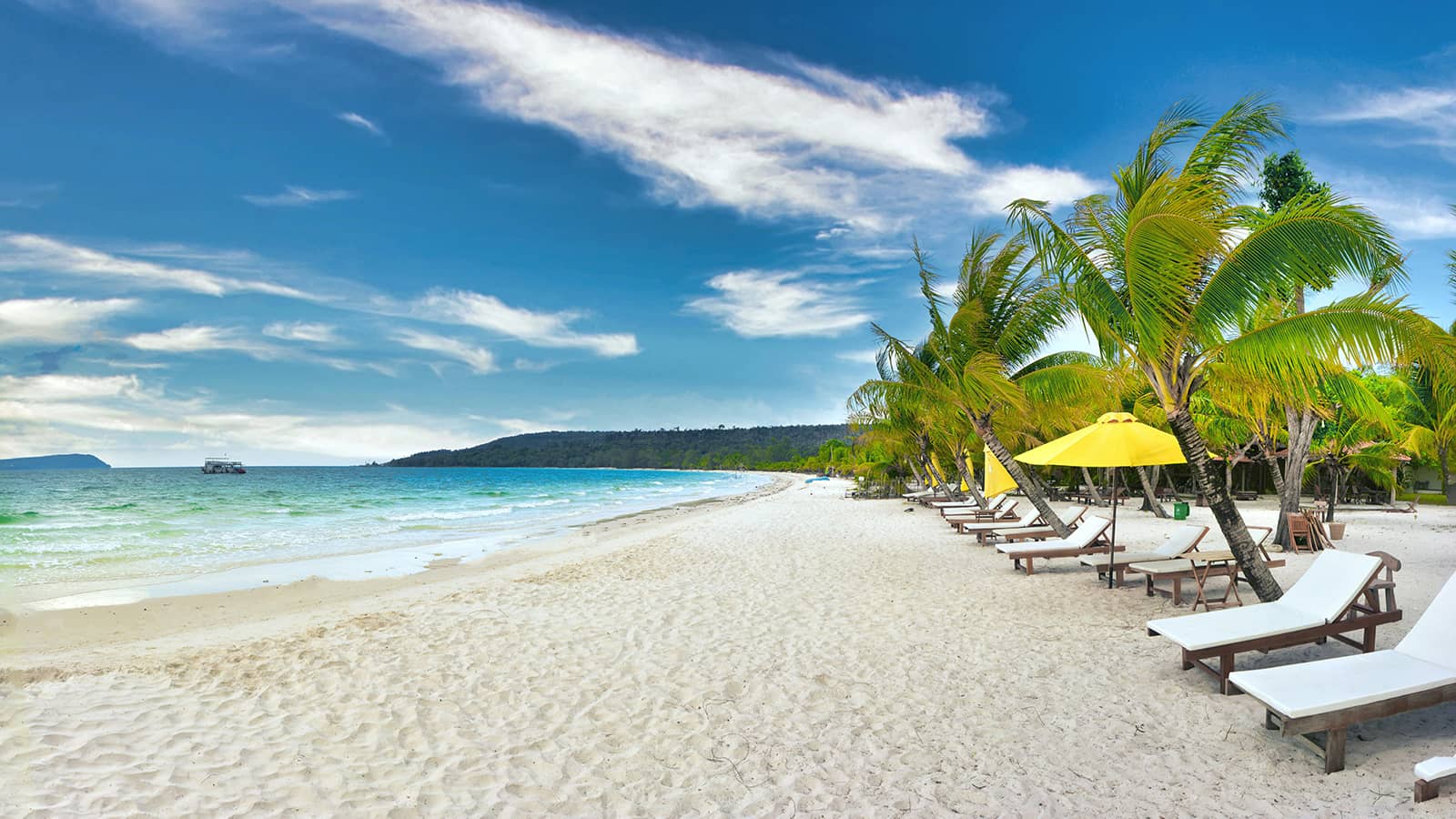
Day two is about getting out of the historic centre entirely. Take the EMT bus line 11 or the Cercanías commuter train east toward the beaches. The beaches closest to the city centre — La Malagueta — are fine, but the best urban beach experience is a few stops further east at El Palo or Pedregalejo. These are working-class neighbourhoods that have kept their character despite Málaga’s tourism boom.
The chiringuitos (beach restaurants) along Pedregalejo are the real reason to make this trip. Málaga’s signature dish is espetos de sardinas — sardines grilled on bamboo skewers over an open wood fire right on the beach. The sizzle and smoke, the salt air, the way the skin blisters slightly — it’s one of those sensory experiences that actually matches the hype. A full portion of espetos costs €6–€9 depending on the spot. Eat with a glass of cold local white wine or mosto.
Spend the afternoon either on the beach or walking the seafront promenade back toward the city. The Baños del Carmen area, a historic bathing complex with sea-view gardens, is a good stop. In the evening, the neighbourhood of El Perchel, just west of the centre, has a cluster of newer restaurants that locals actually use — less theatrical than the old town, more focused on the food.
Day 3 Morning: Picasso Museum, Mercado Central, and Coffee Culture

Málaga is Picasso’s birthplace, and the Museo Picasso Málaga in the Palacio de Buenavista is genuinely worth a morning. The collection covers his full career from early work to later periods, and the building itself — a 16th-century Renaissance palace — adds real context. Entry is €12 in 2026; book tickets online in advance, especially in July and August. You can also visit Casa Natal de Picasso, his actual birthplace on Plaza de la Merced, for €3.
After the museum, walk to the Mercado Central de Atarazanas — the city’s main covered market. The 19th-century iron structure with its original Moorish horseshoe arch at the entrance is a landmark in itself. Inside, the stalls sell local olives, Málaga raisins, jamón, fresh fish, and produce. Go between 10am and 1pm for the best atmosphere. Several market bars serve fresh seafood and cold beer at the counter — this is one of the better low-cost eating experiences in the city.
For coffee, Málaga has its own local vocabulary. A café con leche here is ordered by ratio: solo (black), cortado (a splash of milk), semi, con leche, nube (mostly milk), or sombra (very milky). Use the local terms at any traditional café and you’ll earn instant goodwill from the person behind the counter.
Day 3 Afternoon: Gibralfaro Castle and the Views That Make It Worth the Climb
Save Castillo de Gibralfaro for your last afternoon. The 14th-century Nasrid castle sits above the Alcazaba and is connected to it by a double-walled defensive corridor called the coracha. You can walk up from the city (about 30–40 minutes on a steep path through pine forest) or take bus line 35, which runs from the city centre up to the castle entrance.
The views from the castle ramparts are the best in Málaga — the bullring, the port, the bay curving east toward the mountains, the city laid out below you in terracotta and white. On a clear day you can see the Rif mountains of Morocco across the strait. Give yourself 90 minutes up here, and time your visit for late afternoon when the light is softer and the heat has dropped.
For your final evening, come back down into the centre and eat late, as locals do. Reservations after 9pm at most restaurants in Málaga are easy to get and usually mean better service than the early-sitting tourist rush. The streets around Plaza de la Merced and Calle Calderería have a good mix of options at different price points.

2026 Budget Reality: What Málaga Actually Costs
Málaga remains one of the more affordable major Spanish cities compared to Barcelona or Madrid, but prices have risen noticeably since 2024. Here’s a realistic breakdown for 2026:
- Budget (€60–€90/day): Hostel dorm bed (€20–€35), market lunches and supermarket dinners, public transport, free or low-cost sights. Entirely doable but requires planning around free museum hours.
- Mid-range (€120–€180/day): Budget hotel or good Airbnb (€70–€110/night), sit-down lunches at local restaurants (€12–€18 menú del día), a couple of paid attractions, taxis where needed.
- Comfortable (€200–€300+/day): Boutique hotel in the historic centre, evening restaurants with à la carte dining (€30–€50/person without wine), guided tours, rooftop bars.
Málaga’s tourist tax for overnight stays was updated in late 2025 — visitors now pay between €1 and €3 per person per night depending on accommodation category, collected directly by most hotels and platforms at booking.
Getting Around Málaga: Practical Logistics for 3 Days
The historic centre, Soho, and the port are all walkable from each other — comfortably within 20 minutes on foot. For the beach neighbourhoods to the east, the Cercanías C-1 line from Málaga Centro–Alameda station runs frequently and costs under €2. Bus lines 11 and 3 cover the eastern coastal strip if you prefer above-ground travel.
The metro connects the airport and María Zambrano train station to the city centre — a journey of about 15 minutes for €1.80. In 2026, the metro network still covers only the western corridor; it does not yet serve the beach neighbourhoods or the historic centre directly.
For Gibralfaro, bus 35 is the practical option in summer heat. For everything else in the city centre, your feet are faster than any vehicle given the narrow streets and traffic restrictions that have expanded significantly since 2024, when the city pedestrianised several more blocks around the cathedral.
Taxis and Uber both operate in Málaga. A ride within the city centre typically costs €5–€9. Airport to city centre by taxi is roughly €18–€25 depending on time of day.
Frequently Asked Questions
Is 3 days enough time in Málaga?
Three days is enough to cover Málaga’s main highlights comfortably without rushing. You’ll see the Alcazaba, Gibralfaro, the Picasso Museum, the beach neighbourhoods, and Soho. If you want to add a day trip to Ronda or Nerja, four days works better, but three gives a solid, complete experience of the city itself.

What is the best time of year to visit Málaga?
April to June and September to October offer the best combination of warm weather, manageable crowds, and reasonable prices. July and August are very hot (regularly above 35°C) and extremely busy. Winter is mild by northern European standards — around 15–18°C — and the city is far quieter, with most beaches empty but all cultural sites open.
How do I get from Málaga Airport to the city centre?
The easiest option in 2026 is the metro Line 1, which connects the airport to the city centre in about 15 minutes. The Cercanías train also stops at the airport. Both options cost under €2. Taxis are faster in off-peak hours but cost significantly more.
Are there day trips worth taking from Málaga?
Yes — several strong options are within 1–2 hours. Ronda (about 1.5 hours by bus or car) is the most dramatic, built on a gorge. Nerja and its famous Balcón de Europa are 45 minutes east by bus. Granada and the Alhambra is about 1.5 hours by bus or 45 minutes by AVE high-speed train, which expanded its Málaga–Granada service in 2025.
Is Málaga expensive compared to other Spanish cities?
Málaga sits below Barcelona and Madrid in cost but has risen since 2022. A menú del día lunch at a local restaurant runs €12–€16. A beer at a non-tourist bar is €1.50–€2.50. Accommodation in the historic centre has become significantly pricier — budget for at least €70–€90 per night for a decent mid-range option in 2026.
Explore more
The Ultimate Málaga Food Guide: Where to Eat Now
Málaga Nightlife Guide: Where to Go Out After Dark
The Ultimate Guide to Shopping in Málaga: Where to Go & What to Buy
📷 Featured image by Doctor Tinieblas on Unsplash.