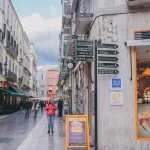
San Sebastián has been one of Spain’s most visited cities for years, but 2026 brings a new layer of planning pressure. The Basque government tightened short-term rental licences in late 2025, reducing the number of available Airbnb-style apartments in the old town significantly. Hotel demand is up. Pintxos bars in La Parte Vieja are busier than ever. If you’re heading here without doing some homework, you’ll feel it — in your wallet and your patience. This guide cuts through the noise and gives you what you actually need to know before you arrive.
Getting to San Sebastián in 2026
San Sebastián (Donostia in Basque) does not have its own major international airport. The closest option is San Sebastián Airport (EAS), located in Hondarribia, about 20 kilometres east of the city centre. It handles a handful of domestic routes — mainly from Madrid and Barcelona — operated by Iberia and Vueling. In 2026, Binter Canarias added a summer seasonal route from Gran Canaria, but international connections remain limited.
Most travellers arriving from outside Spain fly into Bilbao Airport (BIO), roughly 100 kilometres west. EasyJet, Ryanair, Vueling, and several other carriers serve Bilbao with routes from the UK, Ireland, France, Germany, and beyond. From Bilbao airport, the ALSA bus runs direct to San Sebastián bus station in around 1 hour 15 minutes, costing approximately €18–€22 one way. The service runs multiple times daily and is reliable.
Biarritz Airport (BIQ) in France is another option, just 50 kilometres from San Sebastián. It’s worth considering if you find a cheap flight there — taxis to the city cost around €60–€75, or you can use cross-border bus services via Hendaye.
By train, San Sebastián’s Estación del Norte is well connected. Renfe runs direct AVE and Alvia services from Madrid (around 5 hours), and frequent services connect to Bilbao, Vitoria-Gasteiz, and the French border at Hendaye, where you can switch to TGV services into Paris. The AVE extension towards the Basque Country, a long-running infrastructure project, made further progress in 2025 with the Vitoria–Bilbao section advancing — journey times from Madrid are expected to shorten further by 2027.
Long-distance buses from Madrid and Barcelona arrive at the Donostia Bus Station on Paseo de Federico García Lorca. ALSA operates the main routes and is consistently cheaper than the train if you book in advance.
Getting Around the City
San Sebastián is a compact city of around 190,000 people. That’s genuinely good news for visitors — most of what you want to see is walkable if you’re staying centrally.
Walking is the default mode. La Parte Vieja (old town), the Gros neighbourhood, the Zurriola beach, Playa de la Concha, and Monte Urgull are all connected on foot within 30 minutes of each other. The city’s seafront promenade is flat and beautiful, and the narrow medieval streets of La Parte Vieja reward slow, wandering exploration — the smell of fresh anchovies and the low hum of conversation spilling out of open bar doors give the whole area an almost permanent festival feeling.
Local buses (DBus) cover the wider city and suburbs efficiently. A single journey costs €1.85 in 2026 with a Mugi card (the rechargeable transport card for the Basque Country), or €2.05 paying cash on board. The Mugi card works across buses, the Euskotren network, and metro services if you’re combining trips with Bilbao. You can pick one up at the bus station or the tourist office.

Cycling is popular. The DBizi bike-share scheme covers the main urban area with docking stations near the beach, train station, and neighbourhoods like Amara and Gros. A one-week tourist pass costs around €15. The cycling infrastructure along the river Urumea and the promenade is well maintained, though the hills behind the centre make some routes more effort than expected.
Taxis are metered and generally honest. A ride across the city centre — say, from the old town to Amara station — will cost €7–€10. Taxis queue outside the bus and train stations. Ride-share apps like Cabify operate here, though supply is thinner than in Madrid or Barcelona. Uber did not have a significant presence in San Sebastián as of early 2026.
If you’re heading to Monte Igueldo, the old funicular railway is the main draw — it’s been running since 1912 and costs €4.50 return. Worth it for the view across La Concha bay alone.
When to Visit San Sebastián
The Basque coast has a reputation for rain, and it’s deserved — but not in the way most people imagine. San Sebastián gets wet weather spread across the year rather than concentrated in a single miserable season. Summer (June to September) is the driest and warmest stretch, with temperatures averaging 22–26°C, though Atlantic cloud is always possible even in August.
July and August are peak months. Accommodation prices spike hard, the beaches are packed, and La Parte Vieja gets genuinely claustrophobic on weekend evenings. If you want the energy of a full summer city without the maximum chaos, the first two weeks of June or the last two weeks of September hit a sweet spot.
September is arguably the best month. The sea is warm from a full summer of sun, crowds thin after the Spanish school year starts, and the San Sebastián International Film Festival (Zinemaldia) runs for ten days mid-September. In 2026, the festival runs 18–27 September. The city fills with film professionals and enthusiasts, but the buzz is electric and most screenings have public ticket allocations.

January brings the Tamborrada — a 24-hour drum festival on 20 January that marks the city’s patron saint’s day. The entire city participates. Drum companies march through the streets in military and cook costumes, and the sound — thousands of drums rolling through the old stone streets at midnight — is one of the most striking things you can witness in Spain. January is cold (average 9–12°C) but accommodation is cheap.
Spring (April–May) offers mild temperatures, green landscapes on the surrounding hills, and manageable crowds. Rain is more frequent, but days of sharp Atlantic clarity are genuinely stunning.
Where to Stay in San Sebastián
Choosing your neighbourhood shapes the entire experience here. The city is small, but the neighbourhoods have distinct characters.
La Parte Vieja (Old Town)
The obvious choice for first-time visitors. You’re in the middle of everything — pintxos bars, restaurants, the port, Monte Urgull. But the short-term rental crackdown of 2025 means fewer apartments are available. What’s left is expensive. Hotels here book out months ahead in peak season. Noise from the bars runs until 3am or later on weekends, which is either the whole point or your worst nightmare depending on your travel style.
Centro and Playa de la Concha
The area running along the bay towards the Buen Pastor Cathedral is calmer, more residential, and has a solid selection of mid-range and upscale hotels. You’re 10 minutes’ walk from the old town and right on the most famous beach in northern Spain. Good for couples and travellers who want elegance without ear plugs.

Gros
On the other side of the Urumea river, Gros is the neighbourhood locals actually live in. Zurriola beach — the city’s surf beach — is the centrepiece. The pintxos scene on Calle Zabaleta rivals La Parte Vieja with shorter queues. It tends to skew younger and slightly more affordable. Excellent choice for independent travellers and those staying more than three or four nights.
Amara and Egia
Further inland and more residential. Not scenic, but prices drop noticeably and Renfe’s main station is here. Practical for early train departures or longer stays on a tighter budget.
2026 Budget Reality
San Sebastián is the most expensive city in Spain outside Madrid and Barcelona. The Basque Country has higher average wages and a stronger local economy than much of Spain, and prices reflect that. Here’s an honest breakdown for 2026.
Accommodation (per night)
- Budget: Hostel dorm beds in Gros or Amara — €28–€42
- Mid-range: Two-star guesthouse or pension in Centro — €95–€145
- Comfortable: Three to four-star hotel with sea view — €180–€320+
Food and Drink
- Budget: A full pintxos round (4–5 pintxos + a glass of txakoli) at a bar in Gros — €12–€18 per person
- Mid-range: Lunch menu (menú del día) at a local restaurant — €16–€24 including wine
- Comfortable: Dinner at a well-regarded restaurant without Michelin aspirations — €45–€70 per person with wine
Transport
- Single DBus journey with Mugi card: €1.85
- DBizi weekly bike pass: ~€15
- Taxi across the city centre: €7–€10
- ALSA bus to Bilbao airport return: ~€40
Attractions
- Monte Igueldo funicular: €4.50 return
- Aquarium San Sebastián: €15 adults, €8 children
- Most beaches and scenic viewpoints: free
A realistic daily budget for a comfortable but not extravagant visit — mid-range accommodation, pintxos for lunch, a sit-down dinner, and one or two activities — sits at around €150–€200 per person per day in 2026. You can do it for less in Gros with careful eating, or spend considerably more if you’re drawn to the city’s Michelin-star scene.

Staying Connected and Working Remotely
San Sebastián has solid digital infrastructure, and a growing number of visitors work remotely while they’re here. The city doesn’t have the same density of co-working spaces as Madrid or Barcelona, but options exist.
SIM cards: Spanish SIM cards (Vodafone, Orange, Movistar, and budget operators like Lowi or Digi) are available at the city’s phone shops and some newsagents. EU residents travelling from within the EU roam for free under existing rules. Non-EU visitors — including UK passport holders post-Brexit — should check their carrier’s Spain roaming package or pick up a local SIM on arrival. A 30-day data SIM with 50GB costs around €10–€15 from operators like Digi.
Cafés with WiFi: Most cafés in Gros and Centro have decent WiFi. Gros is the better neighbourhood for working from a café without staff giving you pointed looks after an hour — the culture is more relaxed there. Calle San Francisco in Gros has several good options. Café de la Concha on the seafront has reliable connection and power points at some tables, though it gets busy after 10am.
Co-working spaces: Coworking Donostia operates near Amara and offers day passes from around €18 and monthly memberships. Impact Hub San Sebastián (affiliated with the global Impact Hub network) is another option, oriented more towards entrepreneurs and social ventures. Day rates were around €20–€25 in early 2026.
Mobile coverage across the city is strong on all major networks. The beach areas and Monte Urgull have full 4G/5G coverage. Rural excursions towards the Jaizkibel cliffs or inland Basque villages can have patchy signal.
Safety, Health, Local Rules, and Tourist Tax
San Sebastián is one of the safest cities in Spain. The Basque Country consistently records lower petty crime rates than the Spanish national average. That said, tourist-heavy areas like La Parte Vieja and La Concha beach during summer see occasional pickpocketing — keep bags closed and phones off tables in crowded bar areas.

Tourist tax: As of 2026, Gipuzkoa province (which includes San Sebastián) applies a regional tourist overnight tax. Rates depend on accommodation category — expect to pay €1.00–€3.50 per person per night on top of your hotel bill. This is often not included in the initial booking price, so factor it in. The tax was introduced in stages from 2024 and is now fully implemented.
Beach rules: Playa de la Concha has restrictions in peak summer months. BBQs and glass bottles are prohibited on the sand. The nudist section is at the far end of Ondarreta beach. Dogs are not allowed on La Concha or Zurriola from 1 June to 30 September.
Pharmacies (farmacias) are plentiful and pharmacists in San Sebastián tend to speak some English, particularly in the centre. They’re a solid first port of call for minor ailments. Look for the green cross. A rota system means there’s always at least one farmacia de guardia (duty pharmacy) open overnight — the schedule is posted on every pharmacy door and searchable online.
Emergency number: 112 covers police, ambulance, and fire across Spain. The Basque Country’s Ertzaintza (regional police) are generally responsive and professional.
Alcohol rules: Drinking on the street (botellón) is technically restricted in most of the city. In practice, the old town is tolerant of casual outdoor drinking near bar entrances, but the rules are enforced more strictly in residential areas. Don’t wander into Gros with an open bottle expecting no reaction from locals.
Language and Local Etiquette
San Sebastián sits in the heart of the Basque Country, where two official languages — Spanish (Castellano) and Euskara (Basque) — coexist. Basque is one of the world’s genuinely ancient and linguistically isolated languages: it shares no known roots with Spanish, French, or any other European language. You’ll see bilingual signage everywhere, and menus in the old town often list pintxos in Basque first.

You do not need to speak Basque to get around — Spanish works everywhere, and English is widely understood in hospitality and tourism settings. That said, a few words of Basque go a long way in terms of goodwill. Kaixo (hello), Eskerrik asko (thank you), and Agur (goodbye) are genuinely appreciated by locals. Don’t overdo it or treat it as a party trick — just use them naturally.
Basque culture values directness and self-sufficiency. Locals are not unfriendly, but the effusive, performative warmth you might encounter in Andalucía is not the norm here. Service in bars can seem brusque to visitors unused to it — in a busy pintxos bar, you go to the counter, you order, you pay. There’s no table service for drinks in most places. Don’t wait to be approached.
Pintxos etiquette: At a traditional pintxos bar, you take what you want from the counter yourself (or point to it clearly and ask), eat it standing, and settle your bill at the end. Keep track of what you’ve eaten — bars still operate largely on the honour system in many places. Pay what you owe. Don’t try to negotiate prices or ask for itemised receipts in a packed bar on a Friday night.
Dinner in San Sebastián starts late by northern European standards. Most restaurants don’t fill up until 9pm. If you walk in at 7pm, you’ll be seated immediately and will eat among tourists and confused-looking early birds. If you want to eat when locals eat, wait until at least 8:30–9pm.

Frequently Asked Questions
How many days do you need in San Sebastián?
Three full days is the sweet spot for most visitors. That’s enough time to explore La Parte Vieja thoroughly, walk the beaches, go up Monte Igueldo or Monte Urgull, and eat properly across different pintxos bars and restaurants. Five days works well if you want to take a day trip to Biarritz, the Rioja Alavesa wine region, or rural Basque villages.
Is San Sebastián expensive compared to the rest of Spain?
Yes, noticeably so. It’s broadly comparable to Madrid for accommodation and more expensive for food and drink than cities like Seville, Granada, or Valencia. The quality is generally high, but budget travellers need to plan carefully. Staying in Gros and eating mostly at the bar rather than sit-down restaurants keeps costs manageable without missing out on the best food the city offers.
What is the best way to get from Bilbao to San Sebastián?
The ALSA bus is the most practical option — it runs frequently, takes around 1 hour 15 minutes, and costs €10–€15 one way when booked in advance. Driving takes a similar time on the AP-8 motorway but involves toll charges. The train (Renfe or Euskotren depending on route) is another option but requires more interchanges and is not always faster door to door.
Do I need to book pintxos bars in advance?
No — pintxos bars are walk-in by nature. However, if you want to eat at a specific restaurant for dinner (rather than grazing at bars), booking ahead is strongly recommended, especially on Friday and Saturday nights and during the Film Festival in September. Many of the city’s better restaurants fill up 1–2 weeks out during peak months in 2026.
Is San Sebastián suitable for families with young children?
Very much so. La Concha beach is calm, sheltered, and shallow — ideal for children. The city is clean, walkable, and has good public spaces. The Aquarium on the port is popular with kids. The main challenge is meal timing — if your children eat at 6pm, you’ll be dining before most restaurants are fully open. A few family-oriented restaurants in the Centro cater to earlier sittings, and pintxos bars are genuinely child-friendly environments during daylight hours.
Explore more
Best Neighborhoods in San Sebastián, Spain — Area-by-Area Guide
Best Places to Eat in San Sebastián, Spain — Where to Find Great Food
Best Day Trips from San Sebastian: Explore the Basque Country & Beyond
📷 Featured image by Christian Hergesell on Unsplash.