💰 Click here to see Spain Budget Breakdown
💰 Prices updated: October, 2026. Budget figures are estimates — always verify before travel.
Exchange Rate: $1 USD = €0.88
Daily Budget (per person)
Shoestring: €60.00 – €90.00 ($68.18 – $102.27)
Mid-range: €120.00 – €180.00 ($136.36 – $204.55)
Comfortable: €220.00 – €470.00 ($250.00 – $534.09)
Accommodation (per night)
Hostel/guesthouse: €15.00 – €50.00 ($17.05 – $56.82)
Mid-range hotel: €70.00 – €130.00 ($79.55 – $147.73)
Food (per meal)
Budget meal: €7.00 ($7.95)
Mid-range meal: €25.00 ($28.41)
Upscale meal: €80.00 ($90.91)
Transport
Single metro/bus trip: €3.00 ($3.41)
Monthly transport pass: €24.00 ($27.27)
The Balearics were already Spain‘s most visited island group before 2026 cranked up the pressure further. Mallorca’s tourist cap debates, Ibiza’s new entry fees for peak-season clubs, and Menorca’s growing reputation as “the smart choice” have left a lot of travellers staring at flight comparison tabs wondering which island they actually want. This guide cuts through the noise and gives you a straight answer — based on what each island genuinely offers right now.
Island Personalities at a Glance
Before you compare beaches or prices, you need to understand what kind of place each island is at its core. They share the same sea and similar food, but they feel completely different once you land.
Mallorca is the biggest and most complex. It holds everything — wild mountains, Roman ruins, a surprisingly sophisticated capital city in Palma, resort strips that are more Benidorm than Bali, and quiet hilltop villages where life moves slowly. It has a split personality, and that’s actually its strength. You can have a jarring beach holiday and a thoughtful cultural trip within 40 kilometres of each other.
Menorca is quieter by design. The island holds UNESCO Biosphere Reserve status, which shapes everything from development rules to the pace of daily life. There are no mega-resorts, no international DJs, and the roads narrow quickly once you leave the main towns of Maó and Ciutadella. People who come here tend to come back every year. That says a lot.
Ibiza has always been defined by its nightlife, but that story is incomplete. The north and interior of the island are genuinely rural — pine forests, ancient fincas, and hippie markets that have been running since the 1970s. What Ibiza is not, despite occasional claims, is cheap or hidden. The brand is global, and in 2026 the infrastructure around that brand is more organised — and more expensive — than ever.
Beaches: Which Island Wins for Your Style
All three islands have beautiful coastline, but the type of beach experience differs significantly.
Mallorca
Mallorca’s northwest coast, around the Serra de Tramuntana, produces some of the most dramatic scenery in the western Mediterranean. Cala Deià and Sa Calobra require effort to reach — the road to Sa Calobra is a series of tight hairpin bends — but that effort thins the crowds. The south and east coasts have longer, sandier beaches suited to families: Es Trenc is the most praised, a 3-kilometre stretch backed by dunes with no buildings in sight. Magaluf and Playa de Palma remain busy resort beaches with all the services you’d expect, but little atmosphere beyond that.
Menorca
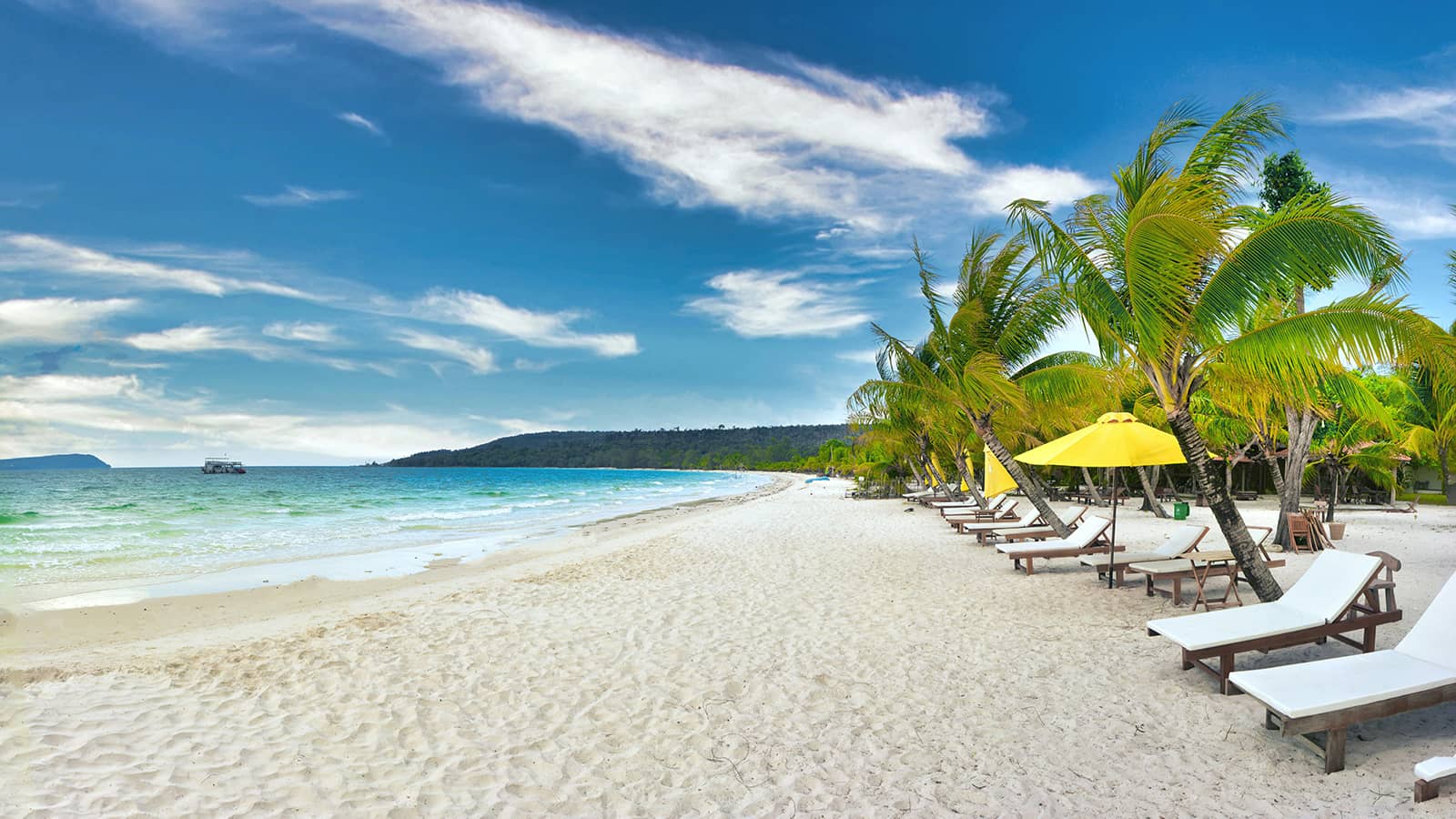
Menorca’s beaches are split by geography. The south coast gets more sun and calmer, turquoise water — Cala Macarella is the most photographed, and for good reason, with its limestone cliffs and water so clear you can see the bottom at 4 metres deep. The north coast faces the Tramuntana wind, producing wilder, emptier beaches like Cala Tortuga that suit walkers more than sunbathers. Reaching most of Menorca’s best beaches requires either a car or a boat taxi from the main resorts — the island specifically limits car access to several coves to control erosion.
Ibiza
Ibiza’s beaches are social scenes as much as natural spaces. Ses Salines, near the salt flats, is the place where beautiful people go to see and be seen. Cala Conta on the west coast catches the best sunsets, and watching the sky turn orange over the flat sea while the crowd applauds is one of those collective moments that’s hard to replicate. For quiet swimming, head to the north near Portinatx — fewer beach bars, cooler water, and a fraction of the summer crowds that pack the south.
Nightlife and Daytime Culture
The gap between the islands is biggest here. Getting this wrong means either being bored or being overwhelmed.
Ibiza’s club scene in 2026 is consolidated rather than expanded. Ushuaïa, Pacha, Hï, and DC10 remain the anchors, but entry fees at major venues now regularly exceed €80–€120 per person, and drinks inside premium clubs run €20–€25 for a basic cocktail. The experience is extraordinary if you want it, but it comes with a specific energy — loud, long, expensive, and physically demanding. Club nights run until 08:00, and the unwritten rule is that you pace yourself across a week rather than doing every night.
Mallorca has Magaluf for those who want nightlife that doesn’t cost Ibiza prices, but the quality is correspondingly lower. Palma’s old town has a genuinely good bar scene — small cocktail bars on Santa Catalina’s side streets, wine bars near the Cathedral quarter, and a cluster of live music venues around Carrer de Apuntadors. It’s the kind of nightlife that ends at 03:00 rather than 08:00, which suits most travellers better than they’d admit.
Menorca’s evenings are restaurants, squares, and a gin and tonic by the harbour. Maó’s harbour-front bars are lively in summer, and Ciutadella’s old town has a compact cluster of wine bars that stay open late. The island produces its own gin — xoriguer — that has been made here since the 18th century when the British occupied Menorca and brought their distilling habits with them. A gin with local herb infusions on a warm evening at the port costs around €6–€8 and tastes better than it has any right to.
Daytime culture tips the balance toward Mallorca. Palma alone has the Catedral de Mallorca, the Fundació Miró Mallorca (which holds the largest permanent Miró collection in Spain), and the Bellver Castle with its unusual circular design. Menorca has prehistoric talayot sites scattered across the island — stone towers and burial chambers from 3,000 years ago — plus the excellent Museu de Menorca in Maó. Ibiza’s old town, Dalt Vila, is a UNESCO World Heritage Site with real historical weight, often ignored by visitors who come only for the clubs.
Food, Drink, and Where to Eat
The Balearics share a broad culinary identity — seafood, olive oil, pork, almonds — but each island has its own personality at the table.
Mallorca
The local obsession is pa amb oli — thick mallorcan bread rubbed with tomato and drizzled with local olive oil, topped with cured meats, cheese, or anchovies. It’s simple and near-perfect. Sobrassada, the soft cured pork sausage made with paprika, shows up on everything from toast to pasta. For dining, Palma punches well above its size: Marc Fosh in the Convent de la Missió hotel remains the benchmark for refined Mallorcan cooking, while the covered Mercat de l’Olivar in central Palma is the best place to eat standing up without spending much — grilled octopus, fresh oysters, and cheese boards at market stalls from around €10–€15 per person.
Menorca
The island’s signature dish is caldereta de llagosta, a lobster stew made from the spiny lobster (llangosta) that lives in the waters around the island. It’s expensive — expect €60–€90 per portion at a proper restaurant — but eating it at a harbour-side table in Fornells, where the stew was essentially invented, is worth planning your trip around. The smell of the broth, rich with saffron and a sharp edge of tomato, carries across the waterfront on a still evening. Menorca also produces outstanding local cheeses — formatge de Maó is a semi-cured cow’s milk cheese with a slightly sharp finish that pairs well with the local wine.
Ibiza
Ibiza’s restaurant scene has followed the money upward. High-end dining at venues like Sublimotion (the world’s most expensive restaurant per cover) or Heart Ibiza is very much a performance as much as a meal. For real Ibizan food at real prices, the interior towns deliver: sofrit pagès is the island’s traditional stew of lamb, chicken, sobrassada, and potato — a dish that predates the club era by centuries. Sant Carles de Peralta’s village restaurants serve it for €15–€20, and you’ll be eating alongside local families rather than tourists.
Getting There in 2026
All three islands have international airports. Palma de Mallorca Airport (PMI) is the second busiest in Spain and has direct connections to most major European cities year-round. In 2026, Vueling and Ryanair both expanded their winter schedules to Palma, making off-season visits more accessible than they were two years ago.
Ibiza Airport (IBZ) operates primarily as a seasonal airport — frequency explodes between May and October, with flights from across Europe, but winter connections shrink to a handful of daily routes to Madrid and Barcelona. If you want Ibiza outside peak season, you’ll likely connect through one of those two cities.
Menorca Airport (MAH) is the most limited of the three. Direct international routes exist from major UK and German cities in summer, but for most of the year, reaching Menorca means flying to Palma or Barcelona first and then connecting. The Palma–Maó hop takes around 35 minutes and runs multiple times daily with Iberia Regional and Air Nostrum.
Ferry connections between the islands and the mainland operate from Barcelona, Valencia, and Denia (for Ibiza). Baleàlia and Trasmediterránea run overnight and daytime routes. The Barcelona–Palma crossing takes 7–8 hours overnight by standard ferry, or around 3.5 hours on the fast ferry — useful if you’re combining a mainland trip with island time. Inter-island ferries between Mallorca, Menorca, and Ibiza also run in summer, allowing island-hopping without flying.
Getting Around Each Island
How you move around matters as much as which island you choose, because transport limitations shape what you can actually see.
Mallorca has the best public transport network of the three islands. Palma’s EMT buses are reliable within the city, and the TIB network reaches most towns and resorts. A historic wooden train runs from Palma to Sóller through the mountains — one of the most scenic rail journeys in Spain — and a second line goes to Inca. That said, reaching the northwest coast’s finest coves by bus is impractical, and most visitors hire a car for at least part of their stay. Rental prices have stabilised after the surge years of 2022–2024 and currently sit at €35–€55 per day for a compact car in peak season.
Menorca has very limited public transport outside the Maó–Ciutadella corridor. A car is effectively essential if you want to see more than the two main towns. The island is small enough — about 50 kilometres east to west — that even a single day’s car hire covers a lot of ground. Note that several coves now have vehicle access restrictions (see the Pro Tip above), so you’ll need to park and walk or use boat taxis regardless of whether you have a car.
Ibiza is where transport frustration peaks. Bus routes exist between the main resorts and Ibiza Town, but they run infrequently and stop before the clubs close, which makes them useless for nightlife. Taxis surge in summer and can be genuinely difficult to find after midnight. Renting a car is useful for daytime exploration, but parking in Ibiza Town during summer requires either a garage or extreme patience. Scooter and e-bike rental has expanded significantly in 2026, and for daytime touring of the interior and north, a scooter around €45–€65 per day makes more sense than a car.
2026 Budget Reality
Prices across all three islands have risen faster than mainland Spain over the past two years, driven by short-term rental pressure and tourism demand that consistently outstrips supply. Here’s an honest breakdown of what you’ll spend.
Accommodation (per night, double room)
- Budget: Mallorca €70–€110 (hostel or basic guesthouse outside Palma), Menorca €80–€120 (small family hotel), Ibiza €90–€140 (limited budget options, mostly outside town)
- Mid-range: Mallorca €130–€220, Menorca €140–€250, Ibiza €180–€320
- Comfortable: Mallorca €250–€500+, Menorca €280–€500+, Ibiza €350–€800+
Tourist Tax (2026 update)
The Balearic Government’s Ecotasa (tourist tax) was revised upward in April 2026. Rates now range from €4 per person per night in low season to €8 per person per night in high season (June–September) for hotels with a 4-star or higher rating. The tax applies to all visitors aged 16 and over. Budget this into your calculations — for a couple spending a week in a 4-star hotel in July, that’s an additional €112 in tax alone.
Daily food and drink
- Budget: €25–€40 per person (market food, supermarket supplies, one sit-down meal)
- Mid-range: €60–€100 per person (two restaurant meals, coffees, one drink)
- Comfortable: €120–€250+ per person (good restaurants, wine, sundowners)
Ibiza’s premium venues can break any budget category. A round of four drinks at a top club runs €80–€100 without tipping. Factor this separately if nightlife is your focus.
Who Should Pick Which Island
Rather than a generic summary, here’s a direct matching exercise.
Choose Mallorca if: You want variety — city and nature, culture and beach — within a single trip. It suits couples with different interests, families who need different options on different days, and solo travellers who want a base in Palma with easy day trips. It’s also the best choice if you’re visiting for the first time and want to see what the Balearics actually offer beyond the resort brochure.
Choose Menorca if: You value quiet over stimulation. The ideal Menorca visitor is someone who finds Mallorca’s busiest resorts exhausting, wants to swim in clear water without crowd management, and enjoys the rhythm of a small place — good food, early mornings, long walks, and evenings that end at midnight rather than dawn. Families with young children thrive here. So do couples celebrating anniversaries or people genuinely trying to rest.
Choose Ibiza if: The nightlife is actually the point. Going to Ibiza and avoiding the club scene to “experience the real island” is a perfectly valid choice, but the island’s prices are calibrated for people spending significant money after dark. If you’re not there for at least some of the music and energy, you will pay Ibiza prices for an experience that Mallorca or Menorca delivers more naturally and for less money. The north of Ibiza is genuinely beautiful and calm — but so are parts of Mallorca and most of Menorca, at a lower cost.
Frequently Asked Questions
Which Balearic island is best for families with young children?
Menorca is consistently the best fit for families. Its calm, shallow bays on the south coast are ideal for young swimmers, the island has no loud nightlife to contend with, accommodation is less densely packed than Mallorca’s resorts, and the pace is relaxed. Mallorca’s east coast is a solid second choice, particularly around Cala d’Or and Portocolom.
Is Ibiza worth visiting outside of the club season?
Yes, genuinely. Between October and May, Ibiza becomes a different island — quieter, cheaper by around 40–50%, and focused on hiking, local markets, and food. Dalt Vila is easier to explore without crowds, and the north’s rural interior shines in spring when almond and wildflowers are in bloom. Many long-term residents consider the off-season the island’s best-kept secret.
How much should I budget per day for a Balearic island holiday in 2026?
For a comfortable but not extravagant experience: €150–€200 per person per day on Mallorca or Menorca, covering accommodation, two meals, transport, and activities. Ibiza runs €200–€300 per person per day for the same standard, rising sharply if you’re attending major club events. The new 2026 tourist tax adds €4–€8 per night on top of accommodation costs.
Can I island-hop between all three Balearic islands in one trip?
It’s possible but requires planning. Summer ferries and flights connect all three islands, and a two-week itinerary covering all three is doable. The recommended split is four nights Mallorca, four nights Menorca, five nights Ibiza (or reverse the first two). Avoid trying to cover all three in under a week — the logistics eat too much time and you’ll feel each stay is too short to settle in properly.
Do I need to book beaches in advance in the Balearics?
For Menorca’s most popular coves — Cala Macarella, Cala Turqueta, Cala Pregonda — yes, vehicle access must be pre-booked through the Menorca Reserva system between June and September. Mallorca and Ibiza do not have formal beach booking systems, but popular spots like Es Trenc (Mallorca) and Ses Salines (Ibiza) fill up early on summer mornings. Arriving before 10:00 solves most access problems on those two islands.
📷 Featured image by Arthur Hutterer on Unsplash.