💰 Click here to see Spain Budget Breakdown
💰 Prices updated: October, 2026. Budget figures are estimates — always verify before travel.
Exchange Rate: $1 USD = €0.88
Daily Budget (per person)
Shoestring: €60.00 – €90.00 ($68.18 – $102.27)
Mid-range: €120.00 – €180.00 ($136.36 – $204.55)
Comfortable: €220.00 – €470.00 ($250.00 – $534.09)
Accommodation (per night)
Hostel/guesthouse: €15.00 – €50.00 ($17.05 – $56.82)
Mid-range hotel: €70.00 – €130.00 ($79.55 – $147.73)
Food (per meal)
Budget meal: €7.00 ($7.95)
Mid-range meal: €25.00 ($28.41)
Upscale meal: €80.00 ($90.91)
Transport
Single metro/bus trip: €3.00 ($3.41)
Monthly transport pass: €24.00 ($27.27)
Madrid has always been a city that takes nightlife seriously, but 2026 has brought some real changes. A handful of beloved venues closed during the post-pandemic restructuring, new promoters have taken over old spaces, and the city’s tourist tax revision in late 2025 pushed a wave of budget tourists toward cheaper destinations — leaving Madrid’s clubs feeling less chaotic and more curated. If you’re planning a night out and don’t want to waste time queuing at the wrong door, here’s exactly where to go.
The Madrid Nightclub Scene in 2026
One thing Madrid refuses to do is go to bed early. Clubs don’t fill up until 2am at the earliest. If you arrive at midnight, you’re essentially there for pre-drinks with the bar staff. This is not hyperbole — it’s the rhythm of the city, and fighting it will just leave you standing in an empty room with overpriced gin.
What’s shifted in 2026 is the concentration of quality. The scene has consolidated around a core of well-run venues with proper sound systems, better ventilation (a post-pandemic non-negotiable), and tighter door policies. Madrid now has a genuine electronic music scene that competes with Barcelona for international DJ bookings, and the Malasaña and Lavapiés areas have produced a new generation of smaller clubs that punch well above their size.
The city also introduced a revised late-night transport schedule in 2025, with Metro Noche lines running until 6:30am on weekends — a significant upgrade that makes getting home without a taxi actually possible.
The Classic Clubs: Legends That Still Deliver
Kapital on Calle de Atocha is the one venue every first-time visitor to Madrid ends up in, and there’s a reason it’s survived since 1994. Seven floors, each with a different music format — reggaeton, hip-hop, RnB, commercial house, and a rooftop terrace — mean it genuinely suits a mixed group where not everyone agrees on music. The crowd is international, the sound on the upper floors is excellent, and the sheer scale of the place means you’ll rarely feel trapped in a sweaty corner. Entry runs €15–18, drinks €10–14.
Fabrik sits out in Humanes de Madrid, about 22 kilometres southwest of the city centre, and requires either a taxi or the club’s own bus service (which departs from Puerta del Sol from around 1am on weekends). It’s worth the effort. With a capacity of 10,000 and a sound system that you feel in your chest before you hear it, Fabrik hosts the big international techno and house names — Richie Hawtin, Charlotte de Witte, and Nina Kraviz have all played here in recent years. The industrial warehouse feel is authentic, not manufactured.

Sala El Sol on Calle de los Jardines is smaller, rougher around the edges, and better for it. Opened in 1979, it became the spiritual home of the Movida Madrileña — the cultural explosion that hit Madrid after Franco’s death. Today it runs rock, indie, and alternative nights alongside occasional DJ sessions. The ceilings are low, the drinks are reasonably priced at €7–9, and the crowd is genuinely mixed in age and background.
The Underground Electronic Circuit
Madrid’s techno and house scene has grown significantly since 2023, partly because several Barcelona-based promoters relocated or expanded here after rent increases made the Catalan city prohibitive. The result is a cluster of serious clubs in the Lavapiés and Arganzuela areas that attract dedicated music audiences rather than party tourists.
Mondo Disko on Calle de Covarrubias hosts one of the best weekly techno nights in the city. The room is compact, dark, and deliberately uncomfortable in the way that good underground clubs tend to be — the focus is entirely on the music and the floor. Entry is €10–12, which includes a drink, and the nights run until 7am.
Bash, located inside the Teatro Barceló building on Calle de Barceló, has reinvented itself as a serious house and electronica venue after a 2024 refurbishment. The original 1930s theatre architecture has been kept largely intact, giving the dancefloor a dramatic backdrop of ornate balconies and carved ceilings. It’s genuinely beautiful in a way most clubs aren’t.
LGBTQ+ Nightlife Hotspots
Chueca remains the undisputed heart of Madrid’s LGBTQ+ scene, and in 2026 it’s busier and more diverse than ever. The neighbourhood feels genuinely welcoming rather than commercially performative — there’s a difference, and you notice it.
Black & White on Calle de la Libertad is one of the oldest gay clubs in the city and still draws a loyal crowd for its weekend drag shows, which start around 1:30am and run late. The atmosphere inside — red lighting, a narrow bar, music loud enough to vibrate the walls — feels like the right kind of disreputable. Entry is free before 1am, €8 after.

Why Not?, also on Calle de San Bartolomé, is a smaller, mixed gay-friendly bar that turns into a serious dance floor after midnight. It gets extremely crowded, which is either its appeal or its drawback depending on your tolerance. The music policy is broad — pop, RnB, Latin — and the crowd is welcoming to anyone who walks through the door.
Beyond Chueca, Ohm at the Teatro Barceló complex hosts monthly LGBTQ+-focused nights that attract a younger crowd and lean toward electronic music rather than commercial pop. These events have developed a strong reputation since launching in 2024.
Rooftop and Terrace Clubs
Madrid summers are brutal — regularly hitting 38°C in July and August — but the city has adapted by building a rooftop club culture that actually works. The best open-air venues operate from May through September, and the sensation of dancing at 3am with the Madrid skyline spread out around you, a warm breeze moving through the crowd, is one of the genuinely irreplaceable experiences the city offers.
Azotea del Círculo on the roof of the Círculo de Bellas Artes on Calle de Alcalá is more of a cocktail terrace than a full club, but on weekend nights a DJ takes over and the atmosphere shifts noticeably. The views over the Gran Vía are exceptional. Entry to the rooftop costs €5 during the day; evenings are free with a drink minimum of around €10.
El Jardín del Berberecho in Retiro park operates as an outdoor club space on summer weekends with a rotating programme of electronic and Latin nights. It’s informal, relaxed, and attracts a very local crowd — the kind of place where you’re more likely to end up talking to madrileños than other tourists.
2026 Budget Reality
Madrid remains one of the more affordable major European capitals for a night out, but prices have risen meaningfully since 2023. Here’s what to expect in 2026:
- Budget (under €40 per person): Neighbourhood bar crawl in Malasaña or Lavapiés, entry to a smaller club like Mondo Disko (which includes a drink), and metro home. Drinks in local bars run €4–6 for a beer or wine.
- Mid-range (€40–80 per person): Entry to Kapital or Bash with advance tickets, three to four drinks at club prices (€10–14 each), taxi home if the metro has stopped.
- Comfortable (€80–150+ per person): VIP table booking at Kapital or Fabrik (minimum spend applies, typically €150–200 per table for groups), premium cocktails, and Uber or taxi at the end of the night.

One practical note: Madrid clubs charge significantly more for drinks than bars do. If budget matters, drink before you go in. Pregaming at a terrace bar in Malasaña before heading to a club is standard local practice, not bad form.
Where the Locals Actually Go
The big clubs are good, but the most interesting nights in Madrid often happen in places that don’t have a PR operation. Calle de la Palma in Malasaña is lined with small bars that have no entry fee and no dress code but develop organic dancefloors after 1am when someone connects a laptop to a decent speaker system. The smell of spilled Mahou lager and the sound of early 2000s indie filtering out onto the cobblestones at 3am is as authentically Madrid as it gets.
Lavapiés has a similar energy but with more Latin and African music influences, reflecting the neighbourhood’s genuinely diverse population. La Musa de Espronceda on Calle de Espronceda hosts irregular but excellent DJ nights in a space that holds maybe 80 people, and the programming — afrobeats, cumbia, dancehall — is unlike anything you’ll find in the tourist-facing clubs.
Practical Night-Out Logistics
Getting there: The Metro Noche network runs on lines 1, 2, 3, 6, 7, 10, and 11 until 6:30am on Friday and Saturday nights from 2025 onwards. A single journey costs €1.50–2.00 depending on the zone. Taxis and Uber are widely available but expect surge pricing between 4am and 6am.
Dress codes: Madrid clubs enforce dress codes inconsistently but deliberately. Trainers are generally fine at electronic venues; at places like Kapital, smarter casual is the expectation. The real rule is looking like you made an effort — flip-flops, football shirts, or visibly drunk arrivals will get you turned away regardless of what you’re wearing.
Queuing: Most serious venues operate a face-to-face door policy. Arriving in groups larger than six makes entry harder. Mixed-gender groups or solo women tend to get in faster — this is the reality of how Madrid doors work.
Safety: Madrid’s nightlife areas are generally safe, but Calle de Atocha near Kapital and parts of Gran Vía late at night attract pickpockets. Keep your phone in a front pocket and be aware of your surroundings when you leave a club.

Peak hours: 2am–5am is when clubs are at full capacity. If you want to experience the energy without the crush, 3am–4:30am is the sweet spot — full floors, but the early rush has settled.
Frequently Asked Questions
What time do nightclubs in Madrid actually get busy?
Most clubs don’t fill up until 2am, and the peak hours are between 3am and 5am. Arriving before midnight is only useful if you want cheaper entry before prices increase. This schedule is consistent year-round — Madrid nightlife genuinely starts later than almost anywhere else in Europe.
How much does it cost to get into a nightclub in Madrid in 2026?
Entry prices range from free (smaller neighbourhood venues) to €15–20 for major clubs like Kapital or Fabrik. Buying tickets in advance online is usually €4–6 cheaper. VIP table packages start at around €150–200 minimum spend and are booked through club websites directly.
Are Madrid’s nightclubs safe for solo travellers?
Generally yes. Madrid has a strong nightlife culture with experienced door staff and well-lit areas around major venues. The standard precautions apply: keep valuables secure, use the metro or official taxis rather than unofficial rides, and let someone know your rough plans. Solo women report generally positive experiences in the city’s main clubs.
What’s the best area in Madrid for a pub crawl before hitting a club?
Malasaña is the best starting point — it has the highest density of independent bars, reasonable prices, and a genuine local atmosphere. Chueca is the natural choice if you’re heading to the LGBTQ+ venues later. Lavapiés suits those who want something less touristy with more eclectic music across the bars.
Do Madrid clubs have a dress code?
Yes, though it varies by venue. Larger commercial clubs like Kapital expect smart casual — no flip-flops, no sports gear. Underground electronic venues are more relaxed about clothing but strict about attitude and behaviour. The universal rule is looking intentional: if you look like you dressed for the occasion, you’ll almost always get in.
Explore more
Where to Stay in Madrid: A Guide to the City’s Best Neighborhoods
How to Get From Madrid Airport to Downtown: Your Ultimate Guide
Shopping in Madrid, Spain — Best Markets and Stores
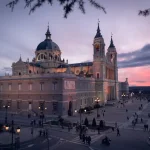
📷 Featured image by Carlos Zurita on Unsplash.