On this page
- A City That Plays by Its Own Rules
- Neighborhoods: Where You Stay Shapes Your Trip
- The Sights Worth Rearranging Your Schedule For
- Where and What to Eat: The Real Valencia Circuit
- Getting Around Without Getting Lost
- Day Trips That Are Actually Worth the Journey
- After Dark: Where Valencia Actually Goes
- Shopping: Beyond the Souvenir Magnets
- Where to Stay: Area and Budget Guide
- When to Go: Honest Seasonal Advice
- Practical Tips for 2026
- 2026 Budget Reality: What a Day in Valencia Actually Costs
- Frequently Asked Questions
💰 Click here to see Spain Budget Breakdown
💰 Prices updated: October, 2026. Budget figures are estimates — always verify before travel.
Exchange Rate: $1 USD = €0.88
Daily Budget (per person)
Shoestring: €60.00 – €90.00 ($68.18 – $102.27)
Mid-range: €120.00 – €180.00 ($136.36 – $204.55)
Comfortable: €220.00 – €470.00 ($250.00 – $534.09)
Accommodation (per night)
Hostel/guesthouse: €15.00 – €50.00 ($17.05 – $56.82)
Mid-range hotel: €70.00 – €130.00 ($79.55 – $147.73)
Food (per meal)
Budget meal: €7.00 ($7.95)
Mid-range meal: €25.00 ($28.41)
Upscale meal: €80.00 ($90.91)
Transport
Single metro/bus trip: €3.00 ($3.41)
Monthly transport pass: €24.00 ($27.27)
Valencia has a problem — a good one. Since being named European Green Capital and hosting a string of high-profile international events through 2024 and 2025, the city has landed on everyone’s travel radar at once. Flight routes from northern Europe multiplied, hotel prices climbed, and the crowds that once defined Barcelona started appearing on Valencia’s streets too. In 2026, the smart move is to understand the city’s rhythms before you arrive, know which neighborhoods to sleep in, and plan around the events that make or break a trip. This guide does exactly that.
A City That Plays by Its Own Rules
Valencia is Spain’s third-largest city, but it has never tried to be Madrid or Barcelona. It faces the Mediterranean, eats late even by Spanish standards, and carries a confident local identity built around its own language (Valencian, not just Spanish), its annual fire festival, and a cuisine that the rest of the world keeps trying to copy incorrectly. The pace here is genuinely different — slower in the right places, electric in others. The Turia riverbed turned green park cuts through the city like a spine, and on any given Sunday you’ll find cyclists, families, and elderly card players all sharing it without friction. That coexistence, relaxed but alive, is probably the best one-sentence description of Valencia.
What has changed since 2024 is the infrastructure confidence. The expanded metro Line 10, connecting the port area more directly to the city centre, was fully operational by late 2025. The beachfront boulevard received a significant redesign after the flooding events of October 2024, with improved drainage and replanted promenades. The city has rebuilt with visible pride.
Neighborhoods: Where You Stay Shapes Your Trip
Ciutat Vella (Old Town)
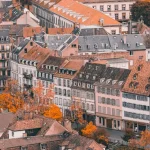
The historic centre is split into smaller barrios — El Carmen, La Seu, La Xerea — and it’s where first-time visitors usually land. El Carmen has the highest concentration of medieval architecture, street art, and tourist bars. It’s atmospheric but noisy after midnight. Good for those who want to walk everywhere and don’t mind the bustle.
Ruzafa
Ruzafa is Valencia’s most talked-about neighborhood and has been for a decade, though it still earns it. The streets around Calle Cuba and Calle Sueca are lined with independent cafés, natural wine bars, and restaurants that change menus weekly. The crowd is young, local, and international in roughly equal measure. This is the best base for food-focused travelers and digital nomads — co-working spaces are plentiful and the coffee is taken seriously.

El Cabanyal
The former fishing village annexed by Valencia sits between the city and the beach. Its distinctive tiled facades — protected architectural heritage — line narrow streets that were genuinely run-down a decade ago but are now home to a sharp mix of long-term residents and creative newcomers. It’s the most characterful neighborhood for beach proximity without the resort feel. Prices are lower than Ruzafa for accommodation.
Benimaclet
Largely a student and local neighborhood northeast of the centre. Almost no tourist infrastructure, plenty of authentic cheap tapas bars, and a Wednesday street market that is one of Valencia’s best-kept non-secrets. Suits budget travelers and anyone wanting to feel like a resident for a week.
Campanar & Nou Campanar
Further out, quieter, and increasingly attractive to mid-range travelers priced out of Ruzafa. Good metro connections and a noticeably calmer atmosphere. Less walking distance to sights but solid value.
The Sights Worth Rearranging Your Schedule For
The Ciudad de las Artes y las Ciencias (City of Arts and Sciences) is Valencia’s architectural headline — Santiago Calatrava’s futuristic complex spread across the former Turia riverbed. The Oceanogràfic alone justifies a half-day; it’s Europe’s largest aquarium and genuinely impressive even for adults traveling without children. The Hemisfèric IMAX and the Museu de les Ciències Príncipe Felipe round out a full day if you pace it right. Tickets for the combined complex in 2026 run approximately €36–€40 for adults. Book online — queues at the door can add 45 minutes.
The Mercado Central is a wrought-iron and tile modernist market from 1928 and it remains one of the most beautiful market buildings in Europe. Go before 11:00 for the real shopping experience — after that it tilts toward tourists photographing the jamón. The smell of citrus, fresh fish, and roasting nuts hits you at the entrance before you’ve even seen the interior.
The Jardín del Turia — nine kilometres of park running through the old riverbed — is free, bike-friendly, and the best way to understand how Valencia thinks about public space. The Gulliver playground at the eastern end is a surreal landmark even if you have no children with you.
The Bioparc Valencia uses immersive African habitat design with no visible barriers between animals and visitors. It’s legitimately one of Spain’s best zoos and worth the €26 adult entry, particularly the morning gorilla habitat when the animals are active.
For architecture at street level, the Barrio del Carmen walls and the Torres de Serranos — massive medieval gate towers you can climb for panoramic views for just €2 — punch well above their entry price.
Where and What to Eat: The Real Valencia Circuit
Valencia’s food scene is hyperlocal in a way few Spanish cities match. The rule here is: follow the markets and the streets, not the guidebook restaurant lists, which date fast.
Mercado Central has already been covered for sightseeing — but for eating, the surrounding streets (particularly Calle En Llop and the small squares off Plaza del Mercado) are packed with no-frills tapas bars serving workers from the market itself. These open early, close by 16:00, and offer the best-value lunch menus in the city centre: €12–€14 for three courses including wine.
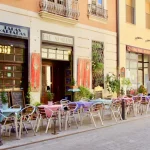
Ruzafa’s eating streets — Calle Cuba, Calle Sueca, and the intersection around Calle Litógrafo Pascual Abad — give you the widest range in the shortest walk. The neighborhood runs from Vietnamese-fusion to old-school Valencian rice dishes to Moroccan-influenced small plates, all within 400 metres of each other. Dinner in Ruzafa rarely starts before 21:30 and the best tables fill by 22:00.
For seafood, El Cabanyal’s Calle de la Reina and the streets immediately around the old fish market building are the real destination. This is where the city’s restaurant industry comes to eat on Sundays. The strip between the Cabanyal market and the beach on Avenida de los Naranjos has a concentration of rice and seafood restaurants that has been building for years and is now fully formed.
Vermouth culture in Valencia means Sunday mornings at any bar with a chalkboard outside, a bottle of house vermouth on the counter, and a dish of olives you didn’t order but arrived anyway. The area around the Mercado de Ruzafa and Plaza del Mercado in the old town are the best hunting grounds. The ritual is local, social, and costs about €2.50 a glass.
The Mercado de Colón — a restored modernist market building in the Eixample district — has become a reliable upscale food hall, good for a mid-morning coffee or afternoon drink if you’re shopping nearby. Not cheap, but the architecture makes the coffee worth €3.50.

Getting Around Without Getting Lost
Valencia is a genuinely walkable city for its size. The historic centre, Ruzafa, and the Turia gardens are all connectable on foot if you’re comfortable with 20–30 minute walks. That said, here’s how each option breaks down:
- EMT buses: Comprehensive network, €1.50 per journey, or a T-10 card (10 journeys) for €8.50 available at metro stations and tobacconists. Reliable but slow in traffic.
- Metro (Metrovalencia): Six lines. Useful for the airport, the City of Arts and Sciences (Alameda station), and the beach (Neptú stop on Line 10). Single ticket €1.50–€2.80 depending on zones.
- Valenbisi bike share: 275 stations across the city. A 7-day pass costs €13.30 and trips under 30 minutes are free. The Turia park makes cycling the single best way to cross the city east-to-west.
- Taxis and VTC (Cabify, Uber): Both operate in Valencia. A central journey is typically €6–€10. The app-based services are reliable and generally slightly cheaper than street taxis.
- Airport transfer: Metro Line 5 connects the airport to the city centre (Xàtiva station) in about 25 minutes for €2.80. Taxis cost approximately €20–€25 to the centre.
Day Trips That Are Actually Worth the Journey
Albufera Natural Park (30 minutes south)
Europe’s second-largest lagoon sits 15 kilometres from Valencia’s city centre. Boat trips on the lake run from El Palmar village, where the surrounding restaurants are also the most authentic place in the region to eat rice dishes cooked over wood fire. Take the direct bus from Valencia’s Estació del Nord. Half a day is enough; a full day if you want a long lunch.
Xàtiva (1 hour by train)
A hilltop castle town with one of the best-preserved fortress complexes in the Valencian Community. The castle itself takes 2 hours to explore and the views over the plain below are wide and clear. Trains from Valencia Nord run frequently; return ticket is approximately €9. The old town at the base of the hill has good lunch options.
Sagunto (30 minutes by train)
Roman theatre, Moorish castle, and Jewish quarter — all on one hillside. Seriously undervisited given how close it is. The Roman theatre is one of the best-preserved in Spain and still hosts performances in summer. Trains run from Valencia Nord every 30 minutes.
Peñíscola (2 hours by bus or car)
A medieval walled town on a rocky peninsula jutting into the Mediterranean, 130 kilometres north. Worth it for the dramatic castle and the completely intact old town walls. Busy in July and August; ideal in May or October. The ALSA bus from Valencia is the easiest option — around €12 each way.

Cullera (1 hour by train)
A beach town at the mouth of the Júcar river with a Moorish castle above the town and a long sandy beach below. More local than Benidorm, quieter than Gandia. Good for a beach day in spring or early autumn when Valencia’s own city beach feels too urban.
After Dark: Where Valencia Actually Goes
Valencia’s nightlife geography is specific. The city doesn’t scatter its evening energy — it concentrates it.
Ruzafa is where pre-midnight drinks happen. The bars on Calle Sueca and around Plaza del Mercado de Ruzafa fill from 21:00, peak around 23:30, and wind down before the clubs start. Natural wine, craft beer, and cocktail bars at prices that still feel reasonable compared to Madrid or Barcelona — €6–€9 for a cocktail is the going rate.
The Blasco Ibáñez strip near the university is student-driven and cheap. Not where you go for atmosphere, but where you go to understand that Valencia has a massive local nightlife economy that barely notices tourists.
La Marina and the Port area shifted significantly after the 2025 redevelopment. The redesigned waterfront now has several rooftop terraces with views over the harbour, and the club and live music venues in this zone run until dawn at weekends. La Tipografia is the most established large venue — a converted industrial space hosting international DJ acts and local club nights from Thursday to Sunday.
For live music at a smaller scale, Café del Duende in El Carmen is the city’s most respected flamenco space — intimate, genuine, and not a dinner show. Performances start late (22:30) and the sound of the guitar in that low-ceilinged room carries a weight you don’t forget. Tickets are approximately €15, consumed toward drinks.
Shopping: Beyond the Souvenir Magnets
The main commercial street is Calle Colón and the surrounding Eixample grid — Spanish high street chains, international brands, and the occasional independent. Standard city-centre shopping; efficient if you need it.
More interesting is Ruzafa, where independent fashion, ceramics, and design shops have been building a genuine retail identity. Calle Cuba has the highest concentration — look for local ceramic studios selling Valencian-style tiles and handmade pieces that are actually made here, not imported from Portugal and relabeled.
The Mercado de Colón building houses some upmarket food and gift retail worth browsing, and the surrounding Eixample streets (around Calle Jorge Juan) have Valencia’s better independent bookshops and design stores.

For second-hand and vintage, the Sunday Rastro at Benimaclet and the flea market at the Mercado de Cabanyal on Saturday mornings are the local favourites — clothing, ceramics, plants, tools, and old Spanish film posters in no particular order.
Where to Stay: Area and Budget Guide
Budget travelers (under €70/night): Benimaclet and El Cabanyal offer the best value. Hostels in El Carmen are centrally located but often noisy; check noise ratings on booking sites carefully if you’re a light sleeper.
Mid-range (€70–€150/night): Ruzafa is the standout choice. Accommodation quality has improved substantially with several boutique hotels opening in converted Modernista buildings since 2023. The Eixample grid around Colón is also solid, walkable to everything, and slightly quieter than El Carmen at night.
Comfortable/Luxury (€150+/night): The best luxury hotels cluster around the Jardines del Real (near the Fine Arts Museum) and along the Paseo de la Alameda. The recently refurbished properties near the City of Arts and Sciences offer design-forward rooms with pool access, though the location means you’re metro-dependent for most sights.
When to Go: Honest Seasonal Advice
Valencia’s climate is genuinely mild — average winter temperatures sit around 12–15°C and it rarely drops below 5°C at night, even in January. That said, the city does have seasons in terms of atmosphere and crowds.
March (Fallas): The city’s famous fire festival runs 15–19 March. Ninots (giant satirical sculptures) fill every neighborhood, fireworks go off at 14:00 daily in the Plaza del Ayuntamiento (the mascletà, a concussive percussion show that rattles your chest from 50 metres away), and the city burns everything on the final night. It is spectacular, loud, and genuinely overwhelming in the best way. Hotel prices triple. Book months ahead.
April–June: The best shoulder season. Weather is warm (18–25°C), the beach is swimmable from May onward, and crowds are manageable. The Formula E Valencia street race typically runs in late April 2026 — check dates as the city centre circuit brings significant visitor numbers.
July–August: Hot (32–36°C), busy, and expensive. The beach is crowded. If you visit in summer, stay in El Cabanyal to be walking distance from the water and accept that the city centre is loud and packed.
September–October: Second shoulder season. Still warm enough for the beach, the city returns to a local rhythm, and October’s fiestas (including the Día de la Comunitat Valenciana on 9 October) give you festival atmosphere without Fallas-level chaos. Note: the torrential rain event that hit in late October 2024 was exceptional — not typical October weather — but check forecasts if visiting late in the month.

November–February: Quiet, cheap, and underrated. The Christmas light installations in the city centre are impressive, and the winter light on clear days is remarkably pleasant for walking.
Practical Tips for 2026
- Tourist tax: Valencia’s regional tourist tax, introduced in phased form in 2024 and fully implemented by 2026, applies to all tourist accommodation. Expect to pay €0.50–€2.50 per person per night depending on accommodation category. This is charged at the property, not pre-paid online.
- Safety: Valencia is a safe city by any European standard. Pickpocketing occurs in El Carmen and on the metro during peak hours — standard bag-awareness applies. The beachfront at night is fine; use the same judgment you would anywhere.
- Tipping: Not mandatory, not expected in the way it is in the UK or US. Rounding up or leaving €1–€2 on a sit-down restaurant bill is appreciated. Bar staff do not expect tips on drinks.
- Language: Spanish works everywhere. Valencian (a Catalan dialect) is co-official and you’ll see it on signs. A few words of Valencian — gràcies (thank you), bon dia (good morning) — are genuinely appreciated by locals.
- SIM cards: Spanish SIMs (Orange, Vodafone, Yoigo) are available at the airport and throughout the city. EU roaming still applies for most European visitors. A local data SIM costs approximately €10–€15 for 10–20GB.
- Water: Tap water is safe but has a distinct taste in Valencia due to the mineral content. Most locals drink bottled; a 1.5-litre bottle costs €0.50 in a supermarket.
- Siesta reality: Smaller independent shops may close 14:00–17:00, but supermarkets, chains, and the main shopping streets operate continuous hours. The siesta is more of a restaurant and small-shop phenomenon than a city-shutdown.
2026 Budget Reality: What a Day in Valencia Actually Costs
Valencia remains better value than Barcelona or Madrid across all budget tiers, though the gap has narrowed since 2023.
- Budget traveler (€60–€80/day): Hostel bed €20–€30, menú del día lunch €12–€14, supermarket or market breakfast €3–€5, evening tapas and drinks €15–€20, transport €3–€5. One paid attraction every other day.
- Mid-range traveler (€120–€180/day): Boutique hotel or Airbnb €70–€110, sit-down lunch and dinner €35–€50 combined, café breakfast €6–€8, metro and bike share €5, one attraction entry €15–€25.
- Comfortable traveler (€200–€300+/day): Quality hotel €130–€180+, restaurant meals with wine €60–€90/day, taxis instead of metro, combined attraction tickets, rooftop bar evenings. The ceiling here is flexible — Valencia’s top-end dining is excellent and priced well below equivalent quality in Madrid.

Frequently Asked Questions
Is Valencia worth visiting in 2026?
Yes — and arguably more so than in previous years. The post-2024 infrastructure investment and expanding restaurant scene make it a stronger destination than ever, offering Mediterranean city life at a lower cost and lower crowd density than Barcelona.
How many days do you need in Valencia?
Three days covers the main sights and one neighborhood in depth. Five days lets you add a day trip to Albufera or Xàtiva, explore El Cabanyal properly, and settle into the food and evening routine. A week is comfortable if you plan to use Valencia as a base for multiple day trips along the Costa Valenciana.
What is the best neighborhood to stay in Valencia?
For most travelers, Ruzafa offers the best balance of location, atmosphere, and accommodation quality. El Carmen suits first-timers who want to walk to everything. El Cabanyal is ideal if beach access is a priority. Benimaclet works well for budget travelers who don’t mind a short metro or bus ride to the centre.
Is Valencia safe for tourists?
Valencia is one of Spain’s safer cities. Standard urban precautions apply — watch your bag in the metro and crowded market areas. The beach zone and most neighborhoods are comfortable to walk at night. Serious crime affecting tourists is rare. The city has a visible local police presence in the historic centre throughout peak season.
What is Valencia famous for besides paella?
The Fallas festival (March), the City of Arts and Sciences complex, the historic Mercado Central, and La Tomatina (held in nearby Buñol in August) are the biggest international calling cards. Within Spain, Valencia is also known for its Modernista architecture, its Valencian language culture, and its role as a major Mediterranean port and Formula 1 and Formula E host city.
Explore more
Best Restaurants in Valencia: A Local’s Guide to Dining
Best Neighborhoods in Valencia for Tourists: A Complete Breakdown
Mercado Central Valencia: Your Essential Guide to Spain’s Best Food Market
📷 Featured image by Giuseppe Buccola on Unsplash.