On this page
- The Old City (Ciutat Vella): Where Valencia’s History Lives
- El Carmen: Bohemian Energy and Graffiti-Covered Walls
- Ruzafa: Valencia’s Creative and Culinary Hub
- Malvarrosa and the Beach Districts: Sun, Sand, and a Different Pace
- Eixample: Where Valencia’s Professionals Actually Live
- Benimaclet: The Neighbourhood That Tourists Largely Miss
- Choosing Your Neighbourhood Based on Your Trip
- Getting Between Neighbourhoods in 2026
- 2026 Budget Reality: What to Expect by Neighbourhood
- Frequently Asked Questions
💰 Click here to see Spain Budget Breakdown
💰 Prices updated: October, 2026. Budget figures are estimates — always verify before travel.
Exchange Rate: $1 USD = €0.88
Daily Budget (per person)
Shoestring: €60.00 – €90.00 ($68.18 – $102.27)
Mid-range: €120.00 – €180.00 ($136.36 – $204.55)
Comfortable: €220.00 – €470.00 ($250.00 – $534.09)
Accommodation (per night)
Hostel/guesthouse: €15.00 – €50.00 ($17.05 – $56.82)
Mid-range hotel: €70.00 – €130.00 ($79.55 – $147.73)
Food (per meal)
Budget meal: €7.00 ($7.95)
Mid-range meal: €25.00 ($28.41)
Upscale meal: €80.00 ($90.91)
Transport
Single metro/bus trip: €3.00 ($3.41)
Monthly transport pass: €24.00 ($27.27)
Valencia‘s neighborhoods look deceptively simple on a map. But pick the wrong base and you’ll spend your whole trip on the wrong side of the city — too far from the old town, or right in the middle of tourist noise when you wanted local life. In 2026, with Valencia still riding the wave of attention from its World Design Capital title in 2022 and ongoing infrastructure upgrades, the choices matter more than ever. Here’s an honest breakdown of where to stay and why.
The Old City (Ciutat Vella): Where Valencia’s History Lives
Ciutat Vella is the geographic and emotional center of Valencia. This is where you find the Cathedral, the Silk Exchange (La Lonja), and the Central Market — a cast-iron cathedral of fresh produce that smells of oranges, smoked fish, and cut flowers from the moment the doors open at 7:30am. Walking through it on a Tuesday morning, while locals haggle over artichokes and vendors shout across the stalls, is one of those experiences that no guidebook can fully prepare you for.
The streets here are narrow, slightly chaotic, and genuinely old. Architectural details — Gothic arches, Roman ruins visible through glass floors in shops, Baroque church facades — appear without warning. For first-time visitors to Valencia, basing yourself here means you can walk to the top sights without any planning at all.
The downside is noise. Accommodation on the busiest streets — especially near the Cathedral and Plaça de la Reina — means early church bells and late-night foot traffic. Ask specifically for interior rooms or back-facing rooms when booking.
El Carmen: Bohemian Energy and Graffiti-Covered Walls
El Carmen sits within Ciutat Vella but deserves its own entry because it has a completely different personality. Where the Cathedral quarter is tourist-facing, El Carmen is mixed and gritty in the best sense. The street art here is serious — large-scale murals by international and local artists cover entire building sides, and the neighbourhood has an unofficial gallery feel after dark when the lighting plays off the painted walls.
This is where Valencia goes out. The bars open late, the music spills onto the street, and things don’t really get started until midnight. If you’re travelling to experience Spanish nightlife rather than just read about it, El Carmen is your neighbourhood. That said, it’s not for everyone — if you need quiet before midnight, look elsewhere.

Daytime El Carmen is a different animal: independent coffee shops, vintage clothing stores, and small galleries. The Torres de Serranos — the 14th-century gate that once marked the city’s northern entrance — anchors the neighbourhood visually and is worth climbing for the rooftop view over the old city.
Ruzafa: Valencia’s Creative and Culinary Hub
Ruzafa (officially Russafa) is the neighbourhood that Valencians themselves tend to recommend when asked where to spend time. It sits just south of the old city and train station, and over the past decade it has evolved into a dense cluster of independent cafés, natural wine bars, concept stores, and brunch spots that actually deliver on the hype.
The architecture is late 19th-century residential — wide pavements, tiled doorways, wrought-iron balconies draped in plants. It’s walkable, photogenic, and genuinely mixed between tourists and locals. You’ll find everything from Vietnamese street food to traditional Valencian arròs al forn within two blocks of each other.
For digital nomads and longer-stay visitors, Ruzafa has the highest concentration of good working cafés outside the city center. Accommodation here skews toward boutique hotels and short-term apartments, and availability is tighter than it used to be — book at least six weeks ahead in spring and autumn.
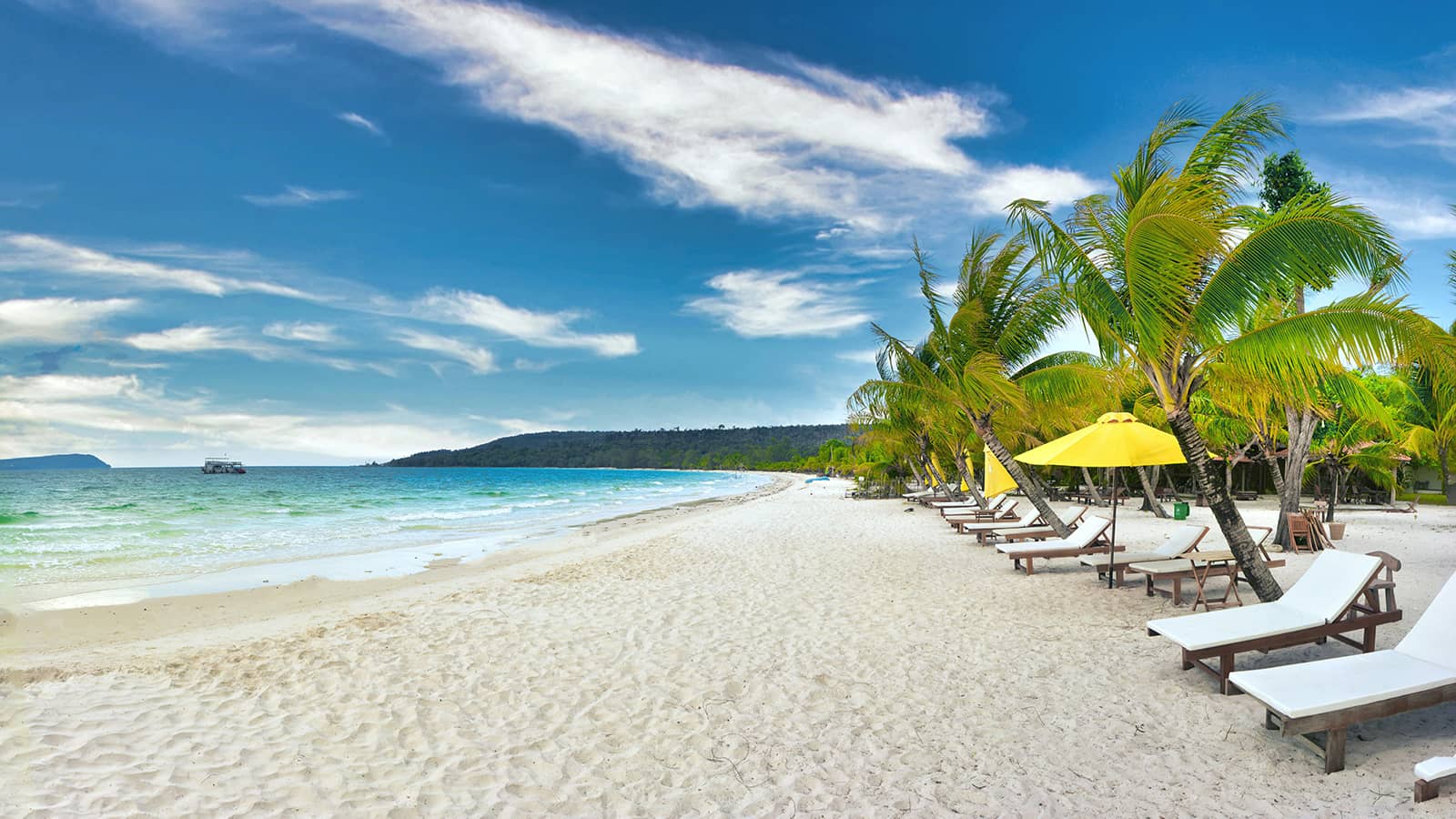
Malvarrosa and the Beach Districts: Sun, Sand, and a Different Pace
Valencia’s beach neighbourhood is about 4 kilometres east of the old city. Malvarrosa and the adjacent Cabanyal — a formerly working-class fishing barrio that has been slowly gentrifying since the early 2020s — offer a completely different experience from the inland districts.
The beach itself is long, wide, and well-maintained. In summer (June through September), it fills up by 10am. The Passeig Marítim runs parallel to the sand and is lined with paella restaurants — some excellent, some tourist traps. The rule: if there’s a man outside waving a laminated menu at you, keep walking.
Cabanyal is the more interesting side of this area. Its distinctive tiled facades, labyrinthine streets, and ongoing art scene make it worth an afternoon even if you’re not staying here. It has changed significantly since 2023, with new restaurants and small hotels filling what were derelict buildings. In 2026, it retains enough rough edges to feel authentic without being uncomfortable.

Staying at the beach suits visitors who want a relaxed holiday centred on sun and sea, and who don’t mind the tram ride or cycle into town for sightseeing.
Eixample: Where Valencia’s Professionals Actually Live
L’Eixample Valencià (the Valencian expansion district, not to be confused with Barcelona’s Eixample) lies southwest of the old city. It’s a grid-planned neighbourhood of wide avenues, modernist buildings, and a noticeably calmer atmosphere than either Ruzafa or El Carmen.
This is where you find good mid-range restaurants frequented by families and office workers rather than tourists. The shops are practical. The bars close at a reasonable hour. For travellers who find the old city overwhelming — families with children, older visitors, those who simply want a comfortable base — Eixample offers a sensible, underrated option.
It’s also well-connected: the metro and several bus lines run through here, making it easy to reach the old city (about 15 minutes on foot or 5 by metro) without paying old-city prices for accommodation.
Benimaclet: The Neighbourhood That Tourists Largely Miss
North of the old city, past the university campus, Benimaclet is a small neighbourhood with a village feel that somehow survived Valencia’s expansion. It has a central square with a weekly market, cheap tapas bars where a caña and a tapa costs under €2, and a mostly student and young local population.
It’s not a tourist neighbourhood by any measure — which is exactly why some travellers love it. If you’ve done Valencia before and want to see a different side of the city, or if you’re travelling on a tighter budget and want genuine local atmosphere, Benimaclet delivers. The commute to the old city is about 20 minutes by tram or bike.
Choosing Your Neighbourhood Based on Your Trip
- First-time visitor, mainly sightseeing: Ciutat Vella or just outside it in Eixample
- Food and café culture focus: Ruzafa, without question
- Nightlife and atmosphere: El Carmen
- Beach holiday with city access: Malvarrosa or Cabanyal
- Longer stay, local feel, lower cost: Benimaclet
- Families or those who prefer calm: Eixample
Getting Between Neighbourhoods in 2026
Valencia’s public transport is genuinely good and has improved further since 2024. The EMT bus network covers the entire city, and the metro and tram system connects the beach districts to the center efficiently. A single journey costs €1.50 with the Suma card (reloadable, available at any metro station) — significantly cheaper than paying per-trip fares.

Cycling is increasingly practical. Valencia expanded its Valenbisi bike-share network in 2025, adding 18 new stations in Cabanyal and Benimaclet specifically. A 24-hour pass costs €2.50 and the flat terrain makes the city easy to navigate by bike even for casual cyclists.
Walking between Ruzafa, El Carmen, and Ciutat Vella is realistic — the distances are short and the streets are pleasant. From any of those to the beach, count on 45–50 minutes on foot or about 20 minutes by tram from the Torres de Serranos stop.
2026 Budget Reality: What to Expect by Neighbourhood
Accommodation prices vary significantly across Valencia’s neighbourhoods. Below are realistic nightly ranges for a double room in 2026, across different comfort levels:
Ciutat Vella (Old City)
- Budget (hostel private room / guesthouse): €55–€80
- Mid-range (boutique hotel, 3-star): €110–€160
- Comfortable (4-star, central location): €180–€260
Ruzafa
- Budget: €50–€75
- Mid-range: €95–€145
- Comfortable: €160–€220
Malvarrosa / Cabanyal (Beach)
- Budget: €45–€70 (off-season), €80–€110 (July–August)
- Mid-range: €90–€140
- Comfortable: €150–€200
Eixample / Benimaclet
- Budget: €40–€65
- Mid-range: €80–€120
- Comfortable: €130–€180
Note that Valencia introduced a city tourist tax for overnight stays in 2025. In 2026, it sits at €2 per person per night for most accommodation categories, rising to €4 for 4-star and above. This is added to your bill at checkout and is not always included in online booking prices — check the fine print.
Frequently Asked Questions
What is the best neighbourhood in Valencia for first-time tourists?
Ciutat Vella (the Old City) is the most practical base for first-timers. The main sights — the Cathedral, La Lonja, and the Central Market — are all walkable from here. It’s noisier than other areas but saves significant time if your trip is short and sight-heavy.
Is Ruzafa safe for tourists?
Yes, Ruzafa is safe and well-lit. Like any urban neighbourhood, basic awareness of your surroundings is sensible, particularly late at night around bar closing times. Petty theft is rare but not unheard of. Ruzafa is considered one of Valencia’s most comfortable neighbourhoods for visitors.
How far is Cabanyal from the city centre?
Cabanyal is approximately 4 kilometres east of Valencia’s old city. By tram (line 4 or 6 from Torres de Serranos) it takes around 20 minutes. By bike on the flat coastal path, expect 25–30 minutes. It is a manageable distance for daily back-and-forth trips.
Which Valencia neighbourhood is cheapest for accommodation?
Benimaclet and Eixample consistently offer the lowest accommodation prices in Valencia. Budget rooms here start from around €40–€45 per night. Both neighbourhoods have good transport links to the old city, making them genuinely useful budget bases rather than a compromise.
Has Valencia’s tourist tax changed in 2026?
Yes. Valencia introduced a tourist tax in 2025 and revised it slightly in 2026. The current rate is €2 per person per night for standard accommodation, and €4 for four-star hotels and above. Children under 16 are exempt. The tax applies across all city neighbourhoods without exception.
Explore more
Valencia Travel Tips: Your Essential Guide to Getting Around, Budget & Best Time to Visit
Best Places to Eat in Valencia, Spain — Where to Find Great Food
The Ultimate Guide to Valencia’s Best Bars and Clubs
📷 Featured image by Erik Fabian on Unsplash.