On this page
- What Makes the Pueblos Blancos Different From Other “Pretty Villages”
- The Classic Route — Arcos de la Frontera to Grazalema
- The Lesser-Known Villages Worth the Detour
- Driving Logistics — Roads, Parking, and the Reality of Mountain Driving
- Where to Eat Along the Route
- Day Trip or Overnight? How to Structure Your Time
- 2026 Budget Reality — What This Road Trip Actually Costs
- Practical Tips for 2026 — What’s Changed Recently
- Frequently Asked Questions
💰 Click here to see Spain Budget Breakdown
💰 Prices updated: October, 2026. Budget figures are estimates — always verify before travel.
Exchange Rate: $1 USD = €0.88
Daily Budget (per person)
Shoestring: €60.00 – €90.00 ($68.18 – $102.27)
Mid-range: €120.00 – €180.00 ($136.36 – $204.55)
Comfortable: €220.00 – €470.00 ($250.00 – $534.09)
Accommodation (per night)
Hostel/guesthouse: €15.00 – €50.00 ($17.05 – $56.82)
Mid-range hotel: €70.00 – €130.00 ($79.55 – $147.73)
Food (per meal)
Budget meal: €7.00 ($7.95)
Mid-range meal: €25.00 ($28.41)
Upscale meal: €80.00 ($90.91)
Transport
Single metro/bus trip: €3.00 ($3.41)
Monthly transport pass: €24.00 ($27.27)
What Makes the Pueblos Blancos Different From Other “Pretty Villages”
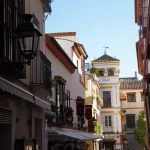
Spain has no shortage of photogenic villages. But the Pueblos Blancos — the white villages scattered across the Sierra de Grazalema and the Serranía de Ronda in Cádiz and Málaga provinces — have a quality that sets them apart from the rest. They feel genuinely inhabited. You’ll see old men playing cards outside a bar at noon, laundry strung between window grilles, cats sleeping on sun-warmed cobblestones. These aren’t open-air museums.
The whitewash is more than decorative. It’s a Moorish legacy, practical as much as beautiful — lime reflects heat, repels insects, and seals the walls. The villages were built on ridges and clifftops for defence, which means almost every one of them commands views that stop you mid-step. The architecture is consistent enough to feel coherent but varied enough that each village has its own personality.
What also makes this region different is the natural backdrop. The Sierra de Grazalema is one of the wettest corners of Spain — a paradox in Andalusia — which makes the landscape surprisingly lush. In spring the hillsides turn green and wildflowers push through the rocky verges. In summer the heat is fierce but the altitude keeps it bearable. In winter you may find snow on the peaks above Grazalema itself.
There’s also a cork oak forest running through much of the route. The stripped trunks — their lower halves a deep amber-red from the harvest — are one of the most distinctive sights in southern Spain and something you won’t see anywhere else on this scale.
The Classic Route — Arcos de la Frontera to Grazalema
If you only have time for one stretch of the Pueblos Blancos, this is it. Starting in Arcos de la Frontera, roughly 30 kilometres east of Jerez de la Frontera, and ending in Grazalema gives you approximately 80 kilometres of driving with five or six villages worth stopping in. Allow at least two days to do it without rushing.
Arcos de la Frontera
Arcos sits on a narrow limestone ridge above the Guadalete river, and the old town is one of the most dramatically positioned in Spain. The streets in the upper barrio are barely wide enough for one car — in places you can touch both walls simultaneously — and the mirador at the Plaza del Cabildo drops almost vertically to the valley floor. Go early morning before the tour coaches arrive from Jerez. The basilica of Santa María de la Asunción has a Gothic-Mudéjar interior that most visitors walk straight past.
Zahara de la Sierra
The drive from Arcos to Zahara takes about 45 minutes on the A-372 and CA-531. Zahara sits above a turquoise reservoir — the Embalse de Zahara-El Gastor — and the combination of white village, medieval tower, and blue water is relentlessly photogenic. The climb to the Moorish castle above the village takes about 20 minutes on foot and is worth every step. The village itself has a single main street; you can walk it end to end in five minutes.
Grazalema
The anchor of the route. Grazalema sits at around 800 metres altitude and is ringed by dramatic limestone peaks. It’s larger than most villages on the route — enough restaurants, a couple of good rural hotels, and a central plaza with a fountain where locals actually congregate in the evenings. The village is known for its wool blankets and merino sheep cheese, both of which you can buy directly from the cooperative on the main street. The smell of woodsmoke drifts through the streets on cool evenings, mixing with the faint sweetness of the pastry shop near the church.
The Lesser-Known Villages Worth the Detour
The classic route gets most of the visitors. These villages sit just off the main circuit and see a fraction of the traffic.
Setenil de las Bodegas
Technically in the Serranía de Ronda rather than the Sierra de Grazalema, Setenil is one of the most unusual villages in Spain. Parts of it are built directly into overhanging rock — entire streets of houses are covered by a natural rock ceiling, so you walk through a kind of canyon with buildings on either side and a cliff above. The bar Cuevas del Sol on Calle Cuevas del Sol serves tostadas under the rock overhang and gets busy on weekends, but on a weekday morning you can have coffee there in near-silence. It’s about 20 kilometres north of Ronda on the A-374.
Olvera
Olvera is larger and less visited than many of its neighbours, which means it functions as a real market town rather than a tourist stop. The castle and church at the top of the hill are genuinely impressive — the church’s neoclassical facade looks almost Roman and dominates the skyline for kilometres around. The Via Verde de la Sierra, a converted railway line now used for cycling and walking, starts at Olvera and runs 36 kilometres to Puerto Serrano. It’s flat, shaded, and one of the best easy cycling routes in Andalusia.
Benaocaz and Villaluenga del Rosario
These two tiny villages in the heart of the natural park are genuinely off the radar. Benaocaz has Roman ruins, a handful of houses, and a bar that may or may not be open depending on the day. Villaluenga del Rosario is the highest village in Cádiz province and has an unfinished bullring — begun in the 18th century and never completed — that has become an informal market square. Neither village has significant tourist infrastructure, which is precisely the point.
Driving Logistics — Roads, Parking, and the Reality of Mountain Driving
This road trip requires a car. Public transport between the smaller villages is either infrequent, indirect, or nonexistent. Renting a car in Jerez, Málaga, or Seville and returning it there is the standard approach.
What to Know About the Roads
The roads through the Sierra de Grazalema are narrow, winding, and often single-track in the upper sections. They are perfectly paved and well-maintained, but they demand attention. The A-372 between El Bosque and Grazalema is particularly scenic and particularly tight in places. You will meet oncoming traffic on blind corners — drive slowly and be ready to reverse to a passing place. Google Maps sometimes suggests routes that are technically roads but are more accurately described as farm tracks. Stick to the A- and CA-numbered roads.
Parking
Most villages have free parking outside the old town walls or at the entrance to the historic centre. Driving into the historic cores is either prohibited or impractical — the streets were not designed for cars. In Arcos, there is a free car park just below the old town near the tourist office. In Grazalema, there is parking at the entrance to the village on the main road. In Setenil, parking fills up on weekends by mid-morning; arrive before 10:00 or after 15:00.
Fuel
There are petrol stations in Arcos, Ronda, and El Bosque. Between those points, options are limited. Fill up whenever you have the chance rather than assuming the next village will have a station. Several smaller villages have no petrol facilities at all.
Where to Eat Along the Route
The food in this region is Andalusian mountain cooking — heavier and more meat-focused than coastal cuisine, built around pork, game, and legumes. This is not the place for seafood, but the charcuterie, stews, and local cheeses are outstanding.
Arcos de la Frontera
Bar La Cárcel on Calle Nueva in the old town is a local institution. Order the berza arcobricense — a thick chickpea and pork stew that has been on the menu in various forms for decades. It is not a summer dish, but in cooler months it’s exactly what you want after walking the hill. The bar itself is tiny, loud at lunchtime, and decorated with bullfighting posters.
Grazalema
Restaurante Cádiz el Chico on Plaza de España has been feeding visitors for years and remains reliable. The local speciality is kid goat (cabrito) roasted in a wood oven — order it with a glass of whatever house red they’re pouring. The grazalema cheese board, featuring the region’s protected-denomination sheep’s milk cheese, is a good way to start. Save room for the torrijas in spring.
Setenil de las Bodegas
Bar Palmero on the main street does a respectable plato combinado and is one of the few places in town that serves food consistently through the afternoon, which matters when your road trip schedule doesn’t align with standard Spanish lunch hours (14:00–16:00). The ibérico ham here comes from pigs raised in the dehesa — the oak woodland — and the quality difference from supermarket jamón is immediately obvious.
Olvera
Bar Mesón La Feria near the central plaza is the kind of place locals use for Sunday lunch with their parents. The rabo de toro (oxtail stew) is slow-cooked and generous. Portions are large. Prices are low. It is the opposite of a tourist restaurant in every respect.
Day Trip or Overnight? How to Structure Your Time
This is the most common question visitors ask, and the honest answer is: a day trip covers the basics but misses the point. The Pueblos Blancos are at their best in the early morning and at dusk, when the light is golden, the tour groups are gone, and the villages feel like they belong to the people who live in them. A single day from Seville or Málaga gives you perhaps two or three villages and a lot of driving. Two days is the realistic minimum for a meaningful experience. Three days is comfortable.
From Seville (Day Trip)
If you are absolutely limited to one day from Seville, drive to Arcos de la Frontera (1.5 hours), spend two hours there, then continue to Zahara de la Sierra (45 minutes), and return. That is a full day with meaningful stops but very little time to breathe. Grazalema is another 30 minutes from Zahara — do it only if you’re comfortable with a long day and a late return.
From Málaga or Ronda (Overnight)
Ronda makes an excellent base for the eastern half of the route — Setenil, Olvera, and the villages of the Serranía. It’s also a destination in its own right, with its famous gorge and the oldest bullring in Spain. Stay one night in Ronda, one night in Grazalema, and you cover the full circuit without feeling rushed. Grazalema has several rural hotels (casas rurales) that are good value and genuinely comfortable.
Recommended Overnight Bases on the Route
- Grazalema: Best central base for the natural park. Several casas rurales and small hotels, good restaurant options.
- Zahara de la Sierra: Smaller, quieter, atmospheric. Good for one night if you want total peace.
- Arcos de la Frontera: Best accommodation quality and range on the western end. The Parador here has views that justify the price.
2026 Budget Reality — What This Road Trip Actually Costs
Prices across the Pueblos Blancos have risen since 2024, pushed by inflation and increasing visitor numbers, but this remains one of the more affordable parts of Andalusia. Rural Cádiz and Málaga provinces are significantly cheaper than the coast.
Accommodation
- Budget: Casa rural double room, €55–€75 per night. Basic but clean, usually includes breakfast options nearby.
- Mid-range: Small hotel or boutique casa rural, €90–€130 per night. Most options in Grazalema and Zahara fall here.
- Comfortable: Parador de Arcos de la Frontera or similar quality, €150–€200 per night. Worth one night if the budget allows.
Food
- Budget: Menú del día (two courses, bread, drink), €12–€15 at local bars. This is the best value meal in Spain and widely available on weekdays.
- Mid-range: Sit-down dinner with starters, main, and wine, €25–€40 per person.
- Comfortable: Full dinner at a better restaurant in Grazalema or Ronda, €50–€70 per person with wine.
Driving Costs
- Car rental: From €35–€50 per day for a small automatic, booked in advance from Málaga or Jerez airports.
- Fuel: Budget approximately €15–€25 per day depending on the distance covered. The roads are slow so consumption is reasonable.
- Tolls: None on the main route through the natural park. The AP-4 autopista from Seville has tolls if you use it to reach Arcos.
Total Estimated Budget for Two People, Two Nights
Staying mid-range, eating the menú del día for lunch and a proper dinner each evening: approximately €350–€450 total excluding the car rental. Budget travellers doing the menú del día for both meals and staying in the cheapest casas rurales can manage for around €220–€260.
Practical Tips for 2026 — What’s Changed Recently
Tourist Tax in Andalusia
Andalusia introduced a regional tourist tax in 2024 that has been adjusted in 2026. Rural accommodation in municipalities under 20,000 residents currently charges €0.50–€1.00 per person per night. It’s minor but worth factoring in. It is added at checkout, not always shown in online booking prices.
Natural Park Access Rules
The Sierra de Grazalema Natural Park tightened access regulations for several hiking trails in 2025 following erosion concerns. In 2026, the Garganta Verde (Green Gorge) near Zahara requires an advance permit. The El Torreón summit trail does not currently require a permit but is subject to daily capacity limits in peak season. Check the official Junta de Andalucía natural park portal before planning hikes.
Mobile Coverage and Navigation
Coverage in the valleys and on some mountain roads remains patchy in 2026, even with the main Spanish networks. Download offline maps for the area before you set off — Google Maps and Maps.me both work well offline in this region. Do not rely on live navigation once you leave the main A-roads.
Getting to the Starting Point
Jerez de la Frontera is the most convenient arrival point for the western end of the route. It has its own airport with connections to Madrid, Barcelona, and several European cities. Alternatively, Seville (1.5 hours by car) or Málaga (1.5–2 hours) work well as arrival hubs if you’re flying in from further afield. There is no AVE station serving the Sierra de Grazalema directly — the nearest high-speed rail stations are Jerez and Antequera-Santa Ana. Ronda is served by a slow but scenic conventional rail line from Málaga (roughly 2 hours).
Best Time to Go
March to June and September to November. Spring brings wildflowers, cooler temperatures, and the lush green that surprises everyone who expects Andalusia to be dry. July and August are hot (regularly above 35°C in the valleys) and increasingly busy. November offers near-empty villages, autumn light, and mushroom season — local restaurants serve game and wild mushroom dishes that don’t appear on the summer menu.
Frequently Asked Questions
Can I visit the Pueblos Blancos without a car?
It’s extremely difficult. Some villages — Arcos de la Frontera, Ronda, Olvera — are reachable by bus or train from Seville or Málaga, but connections between the smaller villages are infrequent and timed for school runs, not tourism. For any genuine road trip through multiple villages, a rental car is essential.
How long does the full Pueblos Blancos route take?
The full circuit from Arcos de la Frontera through Grazalema, Setenil, and Ronda covers roughly 150–180 kilometres of driving. With proper stops and at least one overnight stay, three days is the comfortable minimum. Two days is possible but leaves little time to actually sit in a plaza and absorb the atmosphere.
Is the Pueblos Blancos route suitable for motorhomes or campervans?
The main roads (A-372, A-374) are manageable in a small to medium motorhome. The lanes inside historic village centres are not. Several villages have designated motorhome parking areas on the outskirts. The narrowest mountain sections — particularly the road between Grazalema and Benamahoma — are best avoided in anything longer than six metres.
What is the best single village to visit if I only have a few hours?
Grazalema for the full Pueblos Blancos experience — mountain setting, good food, authentic feel. Setenil de las Bodegas if you want something truly unusual. Zahara de la Sierra if you prioritise dramatic scenery and photography. All three are within 30 kilometres of each other, so combining two in half a day is realistic.
Are the Pueblos Blancos getting overcrowded?
Zahara de la Sierra and Setenil de las Bodegas get noticeably busy on summer weekends and during Spanish national holidays. The smallest villages — Benaocaz, Villaluenga del Rosario, Montejaque — remain genuinely uncrowded year-round. Arriving early (before 10:00) or visiting on weekdays in shoulder season largely avoids the crowds even in the popular spots.
📷 Featured image by Julius Jansson on Unsplash.