On this page
- What Makes Costa Brava Different from Spain’s Other Coastlines
- The Towns Worth Your Time (and Which to Skip)
- The Food Scene: What to Eat and Where to Find It
- Getting There in 2026: Trains, Buses, and Road Trips from Barcelona
- Day Trip or Overnight? How to Plan Your Time
- 2026 Budget Reality: What Everything Costs Now
- Practical Tips for 2026 Visitors
- Frequently Asked Questions
💰 Click here to see Spain Budget Breakdown
💰 Prices updated: October, 2026. Budget figures are estimates — always verify before travel.
Exchange Rate: $1 USD = €0.88
Daily Budget (per person)
Shoestring: €60.00 – €90.00 ($68.18 – $102.27)
Mid-range: €120.00 – €180.00 ($136.36 – $204.55)
Comfortable: €220.00 – €470.00 ($250.00 – $534.09)
Accommodation (per night)
Hostel/guesthouse: €15.00 – €50.00 ($17.05 – $56.82)
Mid-range hotel: €70.00 – €130.00 ($79.55 – $147.73)
Food (per meal)
Budget meal: €7.00 ($7.95)
Mid-range meal: €25.00 ($28.41)
Upscale meal: €80.00 ($90.91)
Transport
Single metro/bus trip: €3.00 ($3.41)
Monthly transport pass: €24.00 ($27.27)
What Makes Costa Brava Different from Spain’s Other Coastlines
Most people planning a Spanish beach holiday in 2026 face the same frustration: every coastline looks identical in the photos. Packed sand, parasols, hotel blocks. Costa Brava is genuinely different, and once you understand why, it changes how you plan your trip entirely. The name translates roughly as “wild coast,” and unlike a lot of Spanish tourism branding, that name actually delivers. This is a coastline of pine-forested cliffs, small rocky coves, medieval villages sitting above the sea, and water so clear you can count the pebbles four metres below the surface.
Stretching roughly 200 kilometres along Catalonia’s northeastern edge — from Blanes in the south to the French border near Portbou — Costa Brava was the original destination that put Spain on the international tourist map in the 1950s and 60s. Then mass tourism shifted south to the Costa del Sol, and Costa Brava was, in some ways, left to itself. The result is a coastline that still has its character. The Cap de Creus peninsula, the fishing villages of the Alt Empordà, the Salvador Dalí connection in Cadaqués and Figueres — none of this exists anywhere else in Spain.
What separates it from Costa Dorada or Costa del Sol is geology and scale. The cliffs here are real: dramatic drops of schist and granite into the Mediterranean. The coves, called calas, are often only reachable on foot or by kayak, which means they stay quieter. And the hinterland — the Empordà plain, the volcanic landscape around Garrotxa, the Pyrenean foothills — gives the region a depth that purely beach-focused coastlines simply don’t have.
The Towns Worth Your Time (and Which to Skip)
Not all Costa Brava towns are created equal. Some are exactly what you’d expect from a Mediterranean resort. Others are genuinely special.
Cadaqués
This is the town people mean when they say Costa Brava has soul. It sits at the end of a winding mountain road — deliberately difficult to reach — with whitewashed houses stacked above a curved bay. Salvador Dalí lived nearby in Port Lligat for decades, and his house-museum there remains one of the most unusual artist residences you’ll ever walk through. The town has an art-world crowd, good seafood restaurants along the waterfront, and an evening light that turns everything amber. Book the Dalí museum well in advance — tickets sell out weeks ahead in summer 2026.
Begur
Inland by a few kilometres but with direct paths down to some of the best calas on the coast — Aiguafreda, Sa Riera, Fornells — Begur is a hilltop town with a ruined castle, a strong Cuban architectural influence (emigrants returned wealthy in the 19th century and built accordingly), and a relaxed pace that suits people who want access to good beaches without living on top of them.
Pals and Peratallada
Medieval villages just inland from the coast. Pals is extremely well-preserved and extremely visited in July and August — come in shoulder season or early morning. Peratallada is smaller and even more intact, with stone archways and a restaurant scene that punches well above its size.
Towns to approach carefully
Lloret de Mar and Platja d’Aro are the resort towns. Lloret in particular is loud, package-holiday territory in summer. Neither is representative of what Costa Brava actually is. If your only experience of the Costa Brava is Lloret, you haven’t really seen it.
The Food Scene: What to Eat and Where to Find It
Catalan cooking on the Costa Brava has its own register, distinct from what you eat in Barcelona. The Empordà region — the agricultural plain behind the coast — produces some of the best ingredients in Spain: anchovies from L’Escala, rice from the Delta, local olive oil, and an extraordinary range of wild mushrooms from the inland hills.
The anchovy culture around L’Escala is serious. These aren’t the salty, sharp things you pick off a pizza. L’Escala anchovies are cured for months, rinsed in local olive oil, and served whole on bread. Walking through the town’s small fishing harbour at dusk, with the smell of salt and cured fish drifting from the canning workshops, is one of the genuinely sensory experiences this coast offers. Buy a tin directly from a producer — Anxoves de l’Escala is the benchmark name — and you’ll understand why chefs from across Europe come here for them.
Where to eat:
- El Bulli Foundation, Roses — Ferran Adrià’s legendary restaurant is now a creativity centre and culinary archive, not a restaurant, but the foundation runs food-related experiences and exhibitions worth checking for 2026 programming.
- La Llar de Peratallada — A reliable choice for traditional Empordà cooking: suquet de peix (a Catalan fish stew), roasted vegetables with romesco, and local wine from the Empordà DO.
- Bar Restaurant Sa Tuna, Begur — Right on the small beach at Sa Tuna cove, serves grilled fish and rice dishes. Arrive before 13:00 or you won’t get a table.
- Compartir, Cadaqués — Run by three former elBulli chefs, this is serious but unfussy modern Catalan cooking in a relaxed setting. Mid-range to splurge territory.
Wine-wise, look for Empordà DO bottles — particularly the garnatxa negra reds and the white blends using lledoner blanc. The region doesn’t have the profile of Priorat or Penedès, which means the wines are often better value.
Getting There in 2026: Trains, Buses, and Road Trips from Barcelona
Barcelona is the logical gateway. The city is roughly 100 kilometres south of the Costa Brava’s southern end, and connections have improved since 2024.
By train: Renfe’s regional R11 line connects Barcelona Sants with Blanes, Flaçà, and Girona. From Girona — reachable in under 40 minutes on the AVE from Barcelona — you can pick up local buses into the Costa Brava interior and coast. Girona itself is worth half a day: the medieval Jewish quarter, the cathedral, the coloured houses above the Onyar river.
By bus: SARFA buses (now operating under the Alsa network following their 2025 integration) run directly from Barcelona’s Nord bus station to Begur, Palafrugell, Cadaqués, Roses, and L’Escala. Journey times range from 1.5 to 3 hours depending on destination. This is the most practical option if you’re not renting a car.
By car: The AP-7 motorway from Barcelona to Girona takes about 45 minutes in light traffic (expect more in July and August). From Girona, the C-66 and local roads branch out to the coast. Having a car is genuinely useful on the Costa Brava — many of the best calas have no bus access — but parking in high summer near popular beaches is a real problem. Several municipalities introduced parking reservation systems in 2025 that are still in place for 2026. Check the local ajuntament websites before you go.
Day Trip or Overnight? How to Plan Your Time
The honest answer is that a day trip from Barcelona works only for a narrow slice of Costa Brava — specifically the southern stretch around Tossa de Mar or Blanes. For anything further north, particularly Cadaqués, Begur, or the Cap de Creus, a day trip is punishing and barely scratches the surface.
The standard recommendation for first-timers in 2026: base yourself in Girona for two nights and use it as a hub. The city has genuinely good accommodation at lower prices than Barcelona, excellent restaurant options, and fast connections in all directions. From Girona you can reach Cadaqués, the Dalí Theatre-Museum in Figueres, L’Escala, and Begur all within an hour.
If you want to go deeper into the coast itself, base in Palafrugell or Begur for two to three nights. These towns put you within walking distance of multiple calas and have enough restaurants and bars to keep evenings interesting. This works best in May, June, or September — in August, accommodation books out months ahead and prices peak sharply.
For the Cap de Creus and Cadaqués specifically, at least one overnight is essential. The drive alone takes an hour from Figueres on a winding mountain road, and the light in Cadaqués at dusk — that particular quality of Mediterranean evening when the water turns silver and the fishing boats come in — is something you only get if you’re still there when it happens.
2026 Budget Reality: What Everything Costs Now
Prices have risen on the Costa Brava since 2024, particularly for accommodation during July and August. Here’s what to expect:
Accommodation (per night, double room)
- Budget: €60–€95 — Hostels, simple guesthouses, or rooms in inland towns. Harder to find on the coast in peak season.
- Mid-range: €110–€180 — Decent hotels and rural casas in towns like Begur, Palafrugell, or Girona. This is the practical sweet spot for most visitors.
- Comfortable: €200–€380+ — Boutique hotels with sea views, mas (traditional farmhouses) converted to rural hotels. The Costa Brava has several genuinely outstanding options at this level.
Food and drink
- Budget: €12–€18 for a menú del día (set lunch) in local restaurants — available even in tourist areas if you eat before 14:00.
- Mid-range: €30–€55 per person for dinner with wine at a good local restaurant.
- Splurge: €80–€120+ per person at places like Compartir in Cadaqués.
Activities
- Dalí Theatre-Museum, Figueres: €15 adult entry in 2026 (book online in advance).
- Dalí House Museum, Port Lligat: €13 adult, timed entry only — slots fill fast.
- Kayak hire for a half-day: €25–€40 depending on provider and location.
- Guided walking routes along the GR-92 coastal path: free if self-guided.
Practical Tips for 2026 Visitors
Tourist tax: Catalonia’s tourist tax applies across the Costa Brava. Hotel guests pay an additional €2.25–€4.50 per person per night depending on the property’s star rating — this is added to your bill at checkout, not included in advertised rates.
Crowds and timing: July 15 to August 20 is the peak of peaks. The coast is genuinely crowded during these weeks, parking is a serious problem, and prices reflect it. Late June and September are significantly better. October is excellent for hiking the coastal GR-92 path without the heat.
The GR-92 coastal path: This long-distance trail runs the entire length of the Costa Brava from Blanes to the French border. You don’t need to walk all of it — individual sections between coves and towns are superb half-day walks. The section between Sa Tuna and Aiguafreda near Begur is one of the best: dramatic cliff-top views, pine forest, and drops down to near-empty coves if you go before 10:00 in the morning.
Water and heat: Summer temperatures regularly reach 30–35°C. The calas provide obvious relief, but if you’re walking the coastal path or visiting inland sites like Figueres in July or August, carry more water than you think you need and walk early. The museum crowds in Figueres peak between 11:00 and 16:00.
Language: Catalan is the first language of the region. Spanish is universally understood, and English is widely spoken in tourist areas. A simple gràcies (thank you in Catalan) goes a long way with locals.
Frequently Asked Questions
Is Costa Brava worth visiting in 2026, or is it too crowded?
It depends entirely on when you go and where. In July and August, the popular towns are genuinely busy. In May, June, September, and October, the Costa Brava is one of the best coastal destinations in Europe — manageable crowds, warm water, and the same dramatic landscape. Avoid peak weeks if you can.
How many days do you need on the Costa Brava?
A minimum of three nights lets you cover a meaningful stretch — say, Girona as a base plus day trips to Cadaqués, Begur, and Figueres. Five to seven nights is ideal if you want to explore multiple towns, walk sections of the coastal path, and eat your way through the Empordà food scene properly.
Can you visit Costa Brava without a car?
Yes, but with limitations. Girona, Figueres, Cadaqués, Roses, L’Escala, and Palafrugell are all reachable by bus from Barcelona or Girona. The most isolated calas require either a car, a long walk, or a kayak. For a car-free trip, base in a coastal town and explore on foot — many of the best spots are walkable from Begur or Palafrugell.
What is the Costa Brava most famous for?
Its dramatic rocky coves and cliffs, the Salvador Dalí connection (his house in Port Lligat and the Theatre-Museum in Figueres), the anchovy culture of L’Escala, and the medieval villages of the Empordà interior. It’s also the birthplace of avant-garde Catalan cuisine — elBulli restaurant near Roses defined modern cooking for a generation.
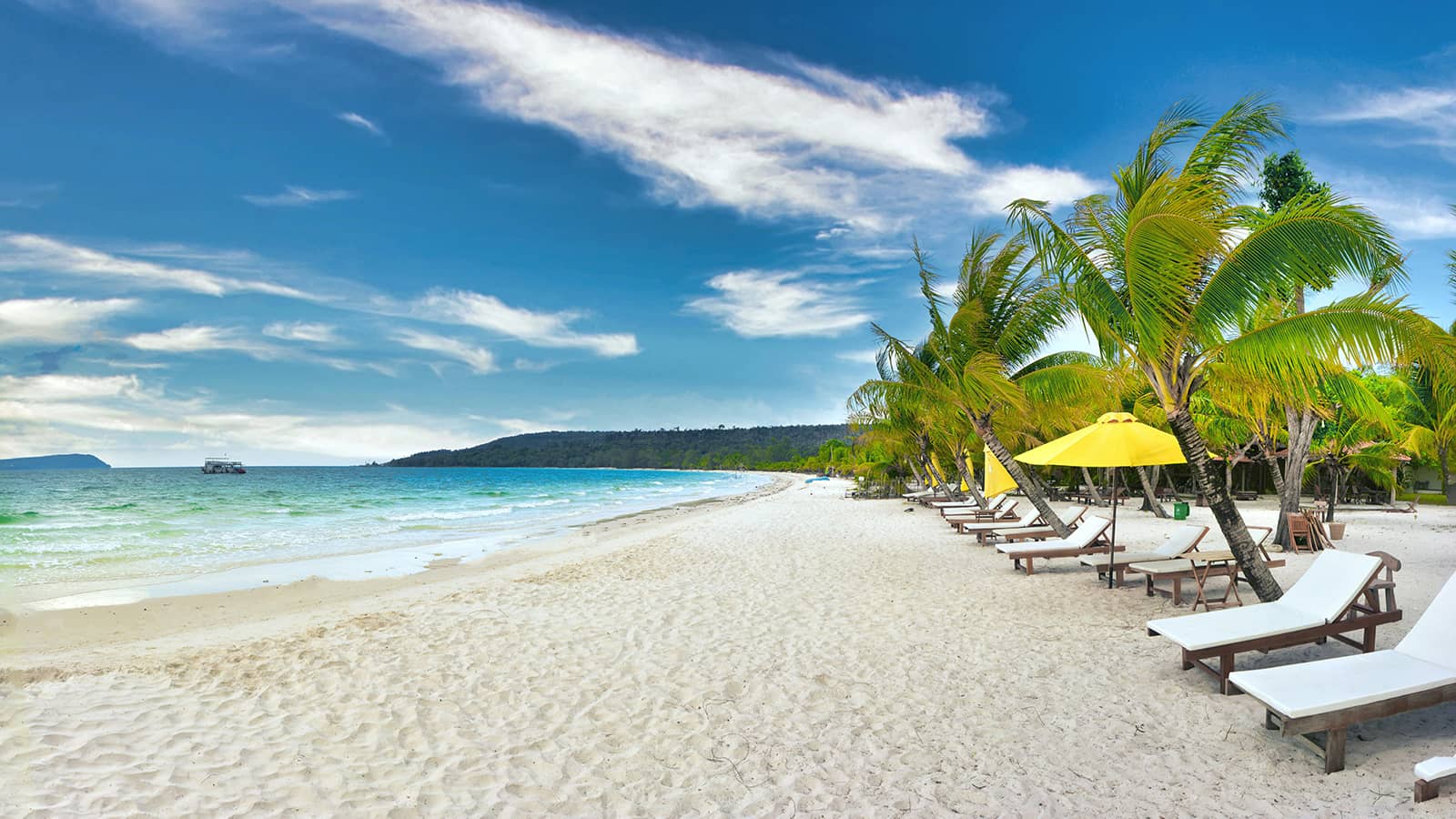
📷 Featured image by Zhu Yunxiao on Unsplash.