On this page
- Why the Best of Madrid Sits Outside Sol in 2026
- Chamberí: The Neighborhood Locals Actually Live In
- Lavapiés: Madrid’s Most Mixed and Creative Corner
- Usera: Chinatown, and the South Side of the City
- Matadero and Legazpi: Culture in a Former Slaughterhouse
- Conde Duque and Maravillas: Malasaña Without the Crowds
- Moving Between Neighborhoods: Metro, Walking, and Timing
- Madrid on a 2026 Budget
- Frequently Asked Questions
💰 Click here to see Spain Budget Breakdown
💰 Prices updated: November, 2026. Budget figures are estimates — always verify before travel.
Exchange Rate: $1 USD = €0.89
Daily Budget (per person)
Shoestring: €50.00 – €70.00 ($56.18 – $78.65)
Mid-range: €130.00 – €180.00 ($146.07 – $202.25)
Comfortable: €200.00 – €350.00 ($224.72 – $393.26)
Accommodation (per night)
Hostel/guesthouse: €15.00 – €50.00 ($16.85 – $56.18)
Mid-range hotel: €70.00 – €130.00 ($78.65 – $146.07)
Food (per meal)
Budget meal: €7.00 ($7.87)
Mid-range meal: €25.00 ($28.09)
Upscale meal: €80.00 ($89.89)
Transport
Single metro/bus trip: €1.50 ($1.69)
Monthly transport pass: €60.00 ($67.42)
Madrid‘s centre is more crowded than ever in 2026, and the area around Sol and Gran Vía often feels built for visitors rather than residents. If you want the real city, with its tiled bars, local markets, and Sunday-lunch noise, you need to leave the postcard core. These five areas are where I send friends who ask where I would actually spend my free afternoon.
Why the Best of Madrid Sits Outside Sol in 2026
Since 2024, Madrid has tightened its rules on new tourist apartments in the central districts under the Plan Reside. As a result, more flats are going back to long-term residents, and neighborhoods like Lavapiés and Conde Duque feel more lived-in. Metro Line 3 and Line 6 now carry as many locals heading to dinner as commuters heading home. You do not need a car or even a taxi. Every neighborhood below is under 25 minutes from Sol by Metro.
Chamberí: The Neighborhood Locals Actually Live In
Chamberí is north of the centre, with wide pavements, 19th-century buildings, and a calm that surprises first-time visitors. On weekday mornings you will hear shutters rattling up and neighbors greeting each other outside the bakery. It feels like a place where people raise children and grow old.
Start at Metro Chamberí on Line 1 and look for Andén 0, a “ghost station” closed in 1966 and now a free museum of old Metro design. Tickets are free but you must reserve, and slots go fast. Then walk to Calle Ponzano, the city’s most reliable street for tapas. Bars here are packed from 13:30 and again from 20:30, with plates of croquetas, grilled prawns, and vermouth on tap. Finish at Plaza de Olavide, where the terraces fill with locals reading newspapers on Sunday.
Lavapiés: Madrid’s Most Mixed and Creative Corner
Lavapiés is south of Sol and loud in the best way. Senegalese barbers, Bangladeshi grocers, Spanish theatre kids, and old madrileños all share the same steep streets. Murals cover shutters, and traditional corralas, old courtyard apartment blocks, still stand around Calle Mesón de Paredes.
Visit Mercado de San Fernando for a mid-morning snack, then head to La Tabacalera, a former tobacco factory now used as a self-managed arts space with exhibitions and workshops. In the evening, the smell of cumin and grilled meat drifts out of Indian and Moroccan restaurants along Calle Lavapiés, and the sound of a guitar often spills from a doorway. Take Metro Line 3 to Lavapiés station and you are in the middle of it.
Usera: Chinatown, and the South Side of the City
Usera is Madrid’s Chinatown, but it is better described as a working neighborhood with one of Europe’s liveliest Chinese food scenes. Few visitors come here, so prices stay fair and the energy is real. Signs are in Mandarin and Spanish, and steam rises from dumpling shops long after sunset.
Go to the area around Avenida de Rafaela Ybarra and Calle Marcelo Usera. Try hot pot, hand-pulled noodles, or Sichuan skewers, and expect a full meal for €15 to €25. Many places stay open through the afternoon, which is useful when most Spanish kitchens shut between 16:00 and 20:00. Take Metro Line 3 to Usera or Almendrales, about 20 minutes from Sol.
Matadero and Legazpi: Culture in a Former Slaughterhouse
Matadero Madrid is a vast former slaughterhouse turned arts complex on the Manzanares river. The brick halls echo with footsteps, and the open spaces suit the large installations, theatre, and film screenings that fill the calendar. Many exhibitions are free or cost only a few euros, so check the programme before you go.
Nearby, the old Mercado de Frutas y Verduras has been reborn as a food hall and event space, and Madrid Río offers a flat riverside path of about 10 km for cycling or walking. It is a good half-day plan when you have seen enough churches and want space to breathe. Metro Legazpi, on Lines 3 and 6, is the closest stop.
Conde Duque and Maravillas: Malasaña Without the Crowds
Malasaña gets the headlines, but the streets just north and west of it feel more relaxed. Conde Duque is an area of independent bookshops, small vinyl stores, and cafés where nobody rushes you. The huge 18th-century Cuartel del Conde Duque building anchors the district and hosts free exhibitions and concerts.
Walk Calle del Pez and Calle San Vicente Ferrer at dusk, when the bars open their doors and the smell of fresh coffee gives way to grilled bread and wine. For a quieter morning, Plaza de las Comendadoras has a convent and a small square that feels like a village. Metro Noviciado (Line 2) or Plaza de España (Lines 3 and 10) puts you within five minutes of the action.

Moving Between Neighborhoods: Metro, Walking, and Timing
Line 3 is the useful backbone: it runs from Sol to Lavapiés, Legazpi, and Usera in a straight line, so you can easily combine them in one day. Chamberí is on Line 1, and Conde Duque is a 15-minute walk from Sol or a short ride on Line 2. A single Metro ticket in the city zone costs about €1.50 to €2.00, and a 10-trip ticket is cheaper per journey.
Plan around Spanish meal times. Lunch runs from 14:00 to 16:00, dinner rarely starts before 21:00, and many small bars close on Monday or Tuesday. In July and August temperatures often pass 35°C, so schedule outdoor walks for the morning and keep museums for the afternoon.
Madrid on a 2026 Budget
These neighborhoods are cheaper than the centre, and that is part of their appeal. Here are realistic daily figures for 2026, excluding flights:
- Budget (€60–€90 per day): hostel dorm €30–€45, menú del día lunch €13–€16, Metro and free sights like Andén 0 and Matadero.
- Mid-range (€120–€200 per day): private room or boutique hotel €90–€140, tapas dinner with drinks €25–€40, one paid exhibition or tour.
- Comfortable (€250+ per day): design hotel €170–€280, tasting-menu dinner €60–€100, taxis in the evening, shopping in Chamberí.
A caña (small draught beer) usually costs €2 to €3.50, and a coffee €1.60 to €2.20. Madrid does not currently charge a city-level tourist tax, but check your hotel’s final bill for any regional or local changes.
Frequently Asked Questions
What is the most local neighborhood in Madrid?
Chamberí feels the most local for visitors who want ordinary Madrid life. Families shop at the market, office workers fill terrace bars at lunch, and tourist crowds are thin. Lavapiés is more mixed and lively, while Usera offers the best look at the city’s immigrant communities and food culture.
Is Lavapiés safe for tourists?
Yes, Lavapiés is generally safe, and thousands of locals socialise there every night. Like anywhere central in Madrid, watch for pickpockets in crowded squares and during El Rastro. Use normal city sense after midnight, keep your phone off café tables, and stay on busy streets.
How do I get to Usera from central Madrid?
Take Metro Line 3 from Sol toward Villaverde Alto and get off at Usera or Almendrales. The ride takes about 20 minutes. Both stops are close together, so you can arrive at one and leave from the other. A single city-zone ticket costs roughly €1.50 to €2.00.

How many days do I need to explore these neighborhoods?
Three days lets you cover Chamberí, Lavapiés, and Usera without rushing, with Matadero and Conde Duque fitting into half-days. If you only have one day, combine Lavapiés in the morning with Matadero in the afternoon, then eat dinner in Usera. All three sit on Metro Line 3.
When is the best time to visit Madrid’s neighborhoods?
Spring (April to June) and autumn (September to October) bring 18–26°C weather and full terrace life. July and August can pass 35°C, and some family-run restaurants close for holidays. Winter is mild but cool at night, and good for museums and long lunches.
Explore more
How to Get From Madrid Airport to Downtown: Your Ultimate Guide
Madrid Tapas Bars: The Essential Guide to Eating Like a Local
Shopping in Madrid, Spain — Best Markets and Stores
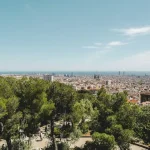
📷 Featured image by Jose Ruales on Unsplash.