On this page
- The Short Answer: Match Days to Your Travel Style
- Where to Base Yourself So You Don’t Waste Days
- A Three-Day Route That Groups Sights by Area
- Getting Around Madrid Without Losing Hours
- Timing Your Day the Madrid Way
- Day Trips: When Days Four and Five Make Sense
- 2026 Budget Reality
- Frequently Asked Questions
Every year, travellers cram Madrid into a single afternoon between a flight and a train, then wonder why it felt like a blur of queues and closed doors. In 2026 the pressure is worse. Timed museum tickets sell out, and high-speed rail from Atocha makes it tempting to treat Madrid as a stop on a bigger route. The honest answer is that three days is the sweet spot, but the right number depends on what you want from the city. Here is how to choose, and how to use each day well.
The Short Answer: Match Days to Your Travel Style
Madrid is a big, spread-out capital, but its historic core is compact. That is why the numbers work the way they do.
- 1 day: A sampler. One museum, Plaza Mayor, the Royal Palace exterior and an evening of tapas. Fine for a layover, not much more.
- 2 days: The classic city break. You get one major museum, the Habsburg centre, Retiro Park and two good dinners, but you will skip neighbourhoods like Malasaña and Lavapiés.
- 3 days: The best balance. You can see the big sights, wander freely and still sit down for a long lunch.
- 4–5 days: Ideal if you add a day trip to Toledo or Segovia, or if you love art and want to visit more than one museum properly.
If you only remember one number, make it three. Anything less means choosing between culture and atmosphere.
Where to Base Yourself So You Don’t Waste Days
Your hotel location can quietly add or remove half a day from your trip. In a city where the best moments happen on foot, staying central matters more than saving €30 a night.
- Sol, Huertas and Las Letras: The easiest base for first-timers. The Prado, Plaza Mayor and Puerta del Sol are all within a short walk, and Sol station connects several Metro lines and the Cercanías commuter trains.
- La Latina: Old-town lanes, tapas bars and an easy walk to the Royal Palace. It is noisy on weekends, so pack earplugs if you sleep lightly.
- Chueca and Malasaña: Better for nightlife and independent cafés. Gran Vía is close, and you can walk to Sol in about 15 minutes.
- Atocha area: Handy if you arrive by train or plan day trips, and close to the Prado, Reina Sofía and Retiro. It is less atmospheric after dark.
Pick a hotel within five minutes of a Metro station with more than one line. Sol, Callao, Gran Vía and Atocha all fit that description.

A Three-Day Route That Groups Sights by Area
The biggest time-waster in Madrid is zigzagging across town. Group your days by area and you will walk less and see more.
Day 1: Habsburg and Royal Madrid
Start at Plaza Mayor before the cafés fill up. Walk west to the Royal Palace, then to the Almudena Cathedral next door. Cross to Plaza de Oriente and wander through the Sabatini Gardens. Lunch in La Latina, then spend the late afternoon around Calle Cava Baja, where the tapas bars start to fill.
Day 2: The Art Triangle and Retiro
The Prado, Reina Sofía and Thyssen-Bornemisza museums sit within a short walk of each other along the Paseo del Prado. Pick one or two, not all three. Trying to see everything is how people end the day exhausted and remember nothing. Spend the afternoon in Retiro Park: rent a rowing boat on the lake or rest in the shade near the Crystal Palace.
Day 3: Gran Vía, Malasaña and Lavapiés
Walk the length of Gran Vía in the morning, then head north into Malasaña for vintage shops and coffee. After lunch, take the Metro south to Lavapiés for street art, small theatres and some of the city’s most varied food. On Sundays, swap the last part for El Rastro, the huge open-air flea market that runs through La Latina and Embajadores.
Getting Around Madrid Without Losing Hours
Madrid’s transport is excellent, and learning a few basics saves real time.
- Walk the centre. Sol, Plaza Mayor, the Royal Palace and Huertas are all within 15 to 20 minutes of each other on foot.
- Use the Metro for longer hops. Trains run frequently, and a single ride costs roughly €1.50 to €2.00 depending on distance. Airport trips carry a supplement.
- Consider the Tourist Travel Pass. It offers unlimited rides for 1 to 7 days. Over three days it only pays off if you plan several longer trips, so do the maths first.
- Use Cercanías for day trips. These commuter trains link Atocha, Sol and Chamartín to towns like Alcalá de Henares and El Escorial.
- Avoid driving. Central Madrid has low-emission zones and strict parking rules. A rental car is useful only for rural trips outside the city.

Since 2024, contactless payment and mobile ticketing have become more common across the network. Still, keep a physical card or cash backup in case your phone dies.
Timing Your Day the Madrid Way
Madrid runs on a late schedule. Lunch happens around 14:00 to 15:30 and dinner rarely starts before 21:00. Plan your sightseeing around that rhythm, not against it.
Do museums and palaces in the morning, when the light is soft and the crowds are thinner. Take a long lunch, then use the afternoon for parks, shopping or a rest. Smaller shops often close from about 14:00 to 17:00, and the city feels quieter then. By evening the streets fill again with the clink of glasses and the smell of fried calamari drifting from the corner bars.
Day Trips: When Days Four and Five Make Sense
If you have more than three days, leave Madrid for a day. The high-speed network makes it easy, and two cities stand out.
- Toledo: About 30 to 35 minutes by AVE from Atocha. The old town is a hilltop maze of medieval streets, and you need at least five to six hours to walk it properly.
- Segovia: Roughly 30 minutes by high-speed train from Chamartín, with a Roman aqueduct and a fairy-tale castle. Pair it with a lunch of roast suckling pig if you like local specialities.
- El Escorial: About an hour by Cercanías train or bus. The monastery-palace is impressive, and the surrounding hills are good for light walking.
- Alcalá de Henares: A quicker, quieter option, reachable by Cercanías in about 35 to 45 minutes.
Book the fast train in advance. Fares rise close to travel dates, and the early-morning departures give you the longest time on site.
2026 Budget Reality
Madrid is still cheaper than London or Paris, but prices have risen since 2024, especially for central hotels. These are approximate daily costs per person, assuming two people share a room.

- Budget (€65–90 per day): A hostel dorm or basic private room at around €25–45 per person, a menú del día lunch for €13–17, tapas for dinner, Metro rides and one museum entry or free-hour visit.
- Mid-range (€170–250 per day): A central three- or four-star hotel at roughly €55–90 per person, a sit-down lunch, a tapas dinner with drinks, a museum or palace ticket (about €12–15 each) and some taxis.
- Comfortable (€350+ per day): A boutique or five-star hotel, tasting-menu dinners at €70 or more, guided tours and private transfers.
For a three-day stay, expect roughly €200–270 per person on a budget, €500–750 at mid-range and over €1,000 if you want comfort. Madrid does not currently charge a city-level tourist tax, but check this before booking, as rules in Spain keep changing.
Frequently Asked Questions
Is 2 days enough for Madrid?
Two days covers the essentials: one big museum, the Royal Palace area, Plaza Mayor, Retiro Park, and a night of tapas. You’ll be moving fast and skipping neighbourhoods like Malasaña or Lavapiés. It works for a stopover or city break, but three days feels far less rushed.
Is Madrid worth visiting for 5 days?
Yes, if you add day trips. Three days handle the city core, and the other two can go to Toledo, Segovia, or El Escorial, all reachable in about an hour or less by train or bus. Without day trips, five days in Madrid alone can feel slow unless you love museums.
Can I see Madrid in one day?
You can see the highlights, but only in a rushed way. Pick one museum, walk Sol, Plaza Mayor, and the Royal Palace exterior, then end in Retiro Park or a tapas bar in La Latina. Skip anything that needs a long queue. It’s a taste, not a real visit.
What is the best way to get around Madrid in 2026?
Walk in the centre and use the Metro for longer hops. The Metro is fast, cheap, and covers almost every sight. Buses and Cercanías trains fill the gaps. Most visitors don’t need taxis except late at night or with heavy luggage.
Which area is best to stay in for a first visit?
Sol, Huertas, and La Latina put you within walking distance of Plaza Mayor, the Royal Palace, and the Prado. Chueca and Malasaña are livelier at night and still close to Gran Vía. Choose a hotel near a Metro station with several lines, such as Sol or Callao, to save time.
Explore more
Segovia Day Trip from Madrid: A Guide to the Aqueduct, Alcázar & Cochinillo
Top Nightclubs in Madrid for an Unforgettable Party Experience
The Best Neighborhoods in Madrid for First-Time Visitors
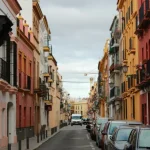
📷 Featured image by Gregor Schram on Unsplash.