On this page
- Madrid Beyond the Postcards: The City’s Real Personality
- Best Neighborhoods for Finding the Real Madrid
- Six Hidden Attractions Most Visitors Walk Past
- Where Locals Eat: Markets, Tapas Streets and Standing-Room Bars
- Getting Around Madrid Like a Resident
- Day Trips That Skip the Tour-Bus Crowds
- After Dark: Jazz, Hilltops and Skyline Views
- Shopping Where Madrileños Shop
- Where to Stay by Budget Tier
- Best Time to Visit
- Practical Tips for 2026
- 2026 Budget Breakdown
- Frequently Asked Questions
💰 Click here to see Spain Budget Breakdown
💰 Prices updated: October, 2026. Budget figures are estimates — always verify before travel.
Exchange Rate: $1 USD = €0.88
Daily Budget (per person)
Shoestring: €60.00 – €90.00 ($68.18 – $102.27)
Mid-range: €120.00 – €180.00 ($136.36 – $204.55)
Comfortable: €220.00 – €470.00 ($250.00 – $534.09)
Accommodation (per night)
Hostel/guesthouse: €15.00 – €50.00 ($17.05 – $56.82)
Mid-range hotel: €70.00 – €130.00 ($79.55 – $147.73)
Food (per meal)
Budget meal: €7.00 ($7.95)
Mid-range meal: €25.00 ($28.41)
Upscale meal: €80.00 ($90.91)
Transport
Single metro/bus trip: €3.00 ($3.41)
Monthly transport pass: €24.00 ($27.27)
Madrid in 2026 is busier than ever, and the Prado queue, the Puerta del Sol selfie crowd and the overpriced paella terraces around Plaza Mayor can make the city feel like a checklist. The fix is simple: step two streets away from the headline sights. This guide gives you 15 hidden gems and local favorites, plus the practical details to plan a trip around them.
Madrid Beyond the Postcards: The City’s Real Personality
Madrid is not a pretty-postcard city like Seville or a beach city like Valencia. It is a living, talking, late-eating capital where people argue happily over a caña (small draught beer) at 14:00 and again at 23:00. The city sits 650 metres above sea level, so the light is sharp and the evenings are long and golden.
What visitors love most is how little Madrid performs for tourists. A Tuesday-night bar in Lavapiés is full of neighbours, not travellers. Staff shout orders over the bar, and napkins pile up on the floor, which is a sign the place is good. Once you learn to look for these places, the city opens up.
The 15 gems below are spread across the guide, grouped by what you are doing: sightseeing, eating, going out, shopping and timing your visit. Each one is a place locals actually use.
Best Neighborhoods for Finding the Real Madrid
Where you base yourself decides how much of “local Madrid” you see. These are the areas worth knowing.
Lavapiés
The most multicultural barrio in the city. Senegalese restaurants sit next to Bengali grocers and old-school tabernas. It has street art, small theatres and a bohemian feel. It suits curious, budget-minded travellers who like noise and variety.
La Latina
Medieval street layout, tiny plazas and the famous Sunday tapas crawl after El Rastro market. It is lively but still very Madrileño. It suits first-timers who want atmosphere within walking distance of the Royal Palace.
Chamberí
Residential, elegant and almost tourist-free. Families walk to the market, and streets like Ponzano fill with young locals after work. It suits travellers who want calm mornings and a good food scene.
Malasaña and Chueca
Vintage shops, indie cafés and nightlife on one side, and Madrid’s LGBTQ+ heart on the other. These are the best bases for people who want to stay out late and be near everything. Expect street noise on weekends.
Salamanca and Retiro
Wide boulevards, designer boutiques and quiet parks. It is polished and safe, and best for couples or anyone who prefers peace over buzz.

Vallecas and the outer barrios
Working-class, proud and rarely visited. You come here for specific things, like the hilltop sunsets mentioned later, not for sightseeing. Stay elsewhere and visit for an evening.
Six Hidden Attractions Most Visitors Walk Past
1. Panteón de Goya (Ermita de San Antonio de la Florida)
This small chapel near the Manzanares river holds the painter’s tomb and the ceiling frescoes Goya painted in 1798. Crane your neck and you will see ordinary Madrid townspeople, painted as angels, leaning over a balcony. Entry is free, though it closes on Mondays, so check current hours before going. It is a short walk from Príncipe Pío station.
2. Museo Sorolla
Joaquín Sorolla’s home and studio in Chamberí is a small museum with an Andalusian-style garden. Fountains trickle, jasmine scents the air, and his sun-soaked beach paintings glow on the walls. Tickets cost only a few euros, and there is free entry at certain hours on Saturday afternoons and Sundays. It is closed Mondays.
3. Convento de las Descalzas Reales
A working convent just off Plaza de Callao, founded in the 16th century by a Habsburg princess. Behind a plain façade you find a grand staircase, Rubens tapestries and richly decorated chapels. Visits are by guided tour only, around €8, and groups are small. When you step outside, the Gran Vía crowds feel unreal.
4. Museo Cerralbo
A nobleman’s 19th-century palace near Plaza de España, left almost untouched. Chandeliers, armour and a ballroom full of mirrors give it the feel of a house where the family just stepped out. It is quiet even in summer. Look for free-entry hours on the official site.
5. Jardín del Príncipe de Anglona
A tiny garden in La Latina, hidden behind the walls of an old palace. The entrance is easy to miss, and inside it is silent except for birds and distant church bells. It takes ten minutes, costs nothing and makes a good pause between tapas stops.
6. Parque del Capricho
A romantic 18th-century garden in the Alameda de Osuna district, with canals, follies and a hidden Civil War bunker. It opens only on weekends and public holidays, which keeps it calm. Entry is free, but visitor numbers are limited, so arrive early on sunny Sundays. Take the metro to El Capricho.
Where Locals Eat: Markets, Tapas Streets and Standing-Room Bars
Forget the restaurants ringing Plaza Mayor. These four places show where Madrileños actually eat.
7. Mercado de San Fernando, Lavapiés
A working neighbourhood market where butchers and fishmongers share space with tiny bars. Locals buy groceries in the morning and drink vermouth at the stalls by lunchtime. It is far cheaper and less polished than the glossy food halls in the centre, which is why it is better.
8. Calle Ponzano, Chamberí
One long street of tapas bars and terraces. On a warm evening, plates of croquetas and grilled prawns cross the pavement while the smell of frying oil drifts down the street. Walk the full length, have one drink and one tapa in each place, and you have found dinner. Go after 20:30 for the real crowd.
9. Casa Revuelta, La Latina
A standing-room bar on Calle de Latoneros that has been famous for decades for its fried salt cod (bacalao). There are no tables to speak of. You order at the bar, eat with a toothpick and leave with a happy stomach. Expect a crowd at weekends. Bring cash just in case.
10. Mercado de Antón Martín
A smaller, calmer market near Atocha with stalls selling fish, cheese and cured meats. Several counters serve cooked food, and prices stay reasonable. It is a good lunch option after the Reina Sofía Museum, which is a short walk away.
Getting Around Madrid Like a Resident
Madrid is easy to navigate, and most of the places in this guide are reachable without a car.
- Metro: Fast, clean and covers almost everything. Single tickets cost roughly €1.50–2.00 inside the city. A Tourist Travel Pass (1 to 7 days) is worth it if you plan several trips a day, with prices around €8–35 depending on length. Check current prices on the Metro de Madrid site.
- Cercanías (commuter trains): Used for day trips and the outer barrios. Tickets are cheap and timetables reliable.
- Buses: Useful for Chamberí and Salamanca, where metro lines are far apart. The EMT app shows real-time arrivals.
- Walking: The centre is compact. Sol to the Prado is about 20 minutes, and most of the best streets are pedestrian.
- Bikes and scooters: BiciMAD electric bikes are available through the city app. Rules on scooters have tightened, so check where you can park.
- Taxis: Plentiful and metered. From the airport to anywhere inside the M-30 ring the fare is fixed at €33.
Airport transfer: The metro (Line 8) runs from Terminals 1, 2 and 4 to Nuevos Ministerios, and there is an airport supplement of about €3 on top of the fare. The 24-hour Exprés Aeropuerto bus to Atocha costs about €5 and is the best choice for late arrivals.
Day Trips That Skip the Tour-Bus Crowds
The famous options are Toledo and Segovia, and both are worth it. These trips give you the same quality with fewer people.
- Alcalá de Henares (45 minutes by Cercanías, about €3): A UNESCO university town and the birthplace of Cervantes. Its arcaded main street is perfect for a lunch with almost no tourists. Plan half a day.
- Chinchón (about 50 minutes by bus from Plaza Elíptica, roughly €4–5): A village with a rustic, round, balconied main square that doubles as a bullring in summer. Order roast lamb or garlic soup in the square. Plan a full day.
- Segovia (about 30 minutes by high-speed Avant train, from around €13): A Roman aqueduct, a fairy-tale castle and roast suckling pig. Go early to beat the groups. Plan a full day.
- Toledo (about 35 minutes by Avant from Atocha, from around €13): The medieval hilltop city. Stay until evening, when the day-trippers leave and the stone streets turn quiet. Plan a full day.
- Aranjuez (about 40 minutes by Cercanías): Royal gardens and a palace on the river, with strawberries in spring. Plan half a day.
After Dark: Jazz, Hilltops and Skyline Views
Madrid’s nights start late. Dinner is at 21:30 and bars fill after 23:00. The first three gems below are for the early evening, before the real night starts.
11. Cerro del Tío Pío (Parque de las Siete Tetas), Vallecas
A grassy hill in the south of the city where locals bring drinks and snacks to watch the sunset. Teenagers play guitar, and the whole skyline turns pink and orange. It costs nothing, and the metro stop Buenos Aires is a short walk away. Go an hour before sunset.
12. Café Central, Plaza del Ángel
One of Europe’s best-known jazz clubs, with live music nearly every night in a small art-deco room. The saxophone is so close you can see the player breathe. Tickets are usually €12–20, and booking ahead is smart for weekends.
13. Faro de Moncloa
A 92-metre tower with a panoramic observation deck over the Casa de Campo, the city and the Guadarrama mountains. A ticket is about €3 and the lift is quick. Go near sunset, since it closes in the early evening.
Flamenco: For real flamenco, avoid tourist dinner-show packages. Small tablaos near Calle Cañizares and Plaza de Santa Ana offer shows for around €30–50, and you can hear the foot-stamps and the guitarist’s rasping breath in the front row. Rooftops: The Círculo de Bellas Artes terrace is a classic with a small entry fee, and several hotel terraces near Gran Vía offer views for the price of a cocktail (€12–16).
Shopping Where Madrileños Shop
14. Cuesta de Moyano
A tree-lined slope near the Retiro and Atocha with about 30 small wooden stalls selling second-hand books, old maps and comics. Even if you do not read Spanish, the vintage postcards and posters make good gifts. Prices are usually €2–15, and bargaining is friendly. Sunday browsing here is a local ritual.
Beyond Moyano, these areas are worth your time:
- Malasaña (Calle Velarde and Calle del Pez): Vintage clothing, record shops and small designers.
- Salamanca (Calle Serrano and Calle Ortega y Gasset): International luxury and Spanish brands.
- Mercado de Motores: A design and vintage market inside the Railway Museum, usually held one weekend a month. Check the dates before you go.
- Chueca: Independent concept stores and shoe shops, especially around Calle Augusto Figueroa.
- El Rastro (Sundays, La Latina): The famous flea market. It is crowded and tourist-heavy, so go at 09:00 and watch your bag.
Where to Stay by Budget Tier
Rates rise sharply in May, September–October and around Christmas. In 2026, Madrid’s rules on tourist apartments are stricter, and only registered listings can operate, so confirm any rental has a valid registration number.
- Budget (€30–70): Hostels and simple guesthouses in Lavapiés, Malasaña and around Atocha. Dorm beds start around €30, private rooms around €60.
- Mid-range (€110–180): Boutique hotels in La Latina, Chueca and Chamberí. This is the sweet spot for comfort and character.
- Luxury (€250–500+): Five-star hotels in Salamanca, Retiro and near the Prado, with spas and fine dining.
Best Time to Visit
Spring (March–May) is the sweet spot, with temperatures of 15–24°C and the city in bloom. Autumn (late September–November) is similar, with warm days and fewer crowds. Summer is hot, regularly above 35°C, and many locals leave in August, though the nights are lovely. Winter is cold and dry, around 3–12°C, with bright blue skies and festive lights.
15. Quinta de los Molinos
This park in the east of the city is the best seasonal secret in Madrid. In late February and March, thousands of almond trees burst into pink and white blossom. Locals visit with picnics, and the whole park smells faintly sweet. Entry is free. Blossom timing changes each year, so check local news before you go.
Festivals worth timing:
- San Isidro (mid-May): The city’s patron saint festival, with concerts, traditional dress and open-air dancing.
- Orgullo / Madrid Pride (early July): One of Europe’s largest Pride celebrations, centred on Chueca.
- Noche en Blanco and autumn cultural events: Museums and venues open late, often for free.
- Three Kings Parade (5 January): A family-friendly night parade through the centre.
Practical Tips for 2026
- Safety: Madrid is very safe, but pickpockets work Sol, Gran Vía, the metro and El Rastro. Keep phones in front pockets and bags zipped.
- Tipping: Not expected. Round up or leave a euro or two for good service. A 5–10% tip is generous in a sit-down restaurant.
- Language: English works in hotels and tourist areas, but less so in neighbourhood bars. “Una caña, por favor” and “la cuenta” go a long way.
- SIM cards and eSIMs: Spanish prepaid SIMs need ID, and an eSIM is the fastest option from the airport. Free Wi-Fi is common in cafés and metro stations.
- Water: Tap water is safe and tastes good. Madrid’s water comes from mountain reservoirs, so refill a bottle at fountains.
- Siesta and opening hours: Small shops often close 14:00–17:00, though large stores and museums stay open. Restaurants rarely serve dinner before 20:30. Many museums close on Mondays.
- Tourist tax: Madrid has no city-wide tourist tax at the time of writing. Rules can change, so check your hotel’s current policy.
2026 Budget Breakdown
These are realistic per-person daily costs, excluding flights. Prices are in EUR and based on typical 2026 rates.
- Budget (€70–95 per day): Hostel dorm (€30–45), menú del día lunch (€13), tapas dinner (€12–18), metro and walking (€5–8), one museum or free entry (€0–8).
- Mid-range (€160–230 per day): Boutique hotel room split between two (€55–90 each), breakfast café (€5–8), restaurant lunch (€18–25), tapas and dinner (€35–50), transport (€8–12), attractions and a jazz or flamenco show (€20–45).
- Comfortable (€350+ per day): Five-star hotel (€125–250 each if shared), fine-dining dinner (€80–150), private guide or taxis (€40–80), premium experiences and shopping.
Some typical single prices: coffee €1.60–2.50, caña €2–3.50, a tapa or half-portion €3–6, vermouth €3–5, cocktail €10–14, metro ride about €1.50–2.00.
Frequently Asked Questions
What are the best hidden gems in Madrid?
Top picks include the Panteón de Goya, Museo Sorolla, Parque del Capricho, Mercado de San Fernando and Cerro del Tío Pío at sunset. They offer art, nature and local food without the queues of the Prado or Royal Palace, and most are free or cost only a few euros.
How many days do you need in Madrid to see the hidden side?
Four days is a good balance. Spend two days on the main sights and neighbourhoods, one on the lesser-known museums and markets in this guide, and one on a day trip such as Alcalá de Henares or Chinchón. Three days works if you move quickly.
Is Madrid safe for tourists in 2026?
Yes. Violent crime is rare and the centre is busy late into the night. Pickpocketing is the main risk, especially on the metro, in Sol and at El Rastro. Keep valuables in front pockets, use a zipped bag and stay aware in crowds.
What is the cheapest way to enjoy Madrid?
Combine free attractions with local food. Visit free gardens and Parque del Capricho, use free museum hours, eat a weekday menú del día for €13–17, and drink at standing bars. A metro pass and walking keep transport costs very low.
What is the best day trip from Madrid away from the crowds?
Alcalá de Henares and Chinchón are the best low-crowd choices. Alcalá is 45 minutes by Cercanías train and has a UNESCO old town. Chinchón is about 50 minutes by bus and has a famous medieval square. Both work well for lunch and a slow afternoon.
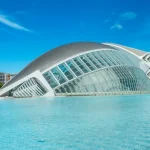
📷 Featured image by Eleazar Glez on Unsplash.