On this page
- The Icon: Flamenco Everything — and How to Tell the Good from the Junk
- Ceramics and Azulejos — Seville’s Most Beautiful Souvenir
- Food and Drink Worth Carrying Home
- Where to Shop — The Best Streets and Markets in Seville
- Leather, Fans, and Artisan Goods Worth the Splurge
- 2026 Budget Reality — What Things Actually Cost
- Frequently Asked Questions
💰 Click here to see Spain Budget Breakdown
💰 Prices updated: October, 2026. Budget figures are estimates — always verify before travel.
Exchange Rate: $1 USD = €0.88
Daily Budget (per person)
Shoestring: €60.00 – €90.00 ($68.18 – $102.27)
Mid-range: €120.00 – €180.00 ($136.36 – $204.55)
Comfortable: €220.00 – €470.00 ($250.00 – $534.09)
Accommodation (per night)
Hostel/guesthouse: €15.00 – €50.00 ($17.05 – $56.82)
Mid-range hotel: €70.00 – €130.00 ($79.55 – $147.73)
Food (per meal)
Budget meal: €7.00 ($7.95)
Mid-range meal: €25.00 ($28.41)
Upscale meal: €80.00 ($90.91)
Transport
Single metro/bus trip: €3.00 ($3.41)
Monthly transport pass: €24.00 ($27.27)
Seville‘s tourist shopping scene has a problem in 2026: the city’s most-visited streets are now packed with identical shops selling the same mass-produced fans, flamenco magnets, and bull-shaped keyrings shipped in from factories in China. None of it has anything to do with Seville. If you want to bring home something that actually came from Andalucía — something made by hand, grown nearby, or rooted in local tradition — you need to know exactly where to look and what to look for. This guide cuts straight to the good stuff.
The Icon: Flamenco Everything — and How to Tell the Good from the Junk
Flamenco is genuinely Sevillano. It belongs here in a way it belongs nowhere else. So buying something flamenco-related in Seville makes complete sense — as long as you buy the right version of it.
The test is simple: look at the price and look at the label. A real handmade flamenco dress (traje de flamenca) from a Sevillano workshop costs upward of €150. The €20 versions hanging outside shops near the Cathedral are polyester, made abroad, and will fall apart after two uses. If you want an authentic dress, head to the workshops around Calle Sierpes or visit the neighbourhood of Triana, where family-run dressmakers still produce them by hand. Some accept custom orders even for visitors staying a few days.
For something smaller, castanets are a smart choice — provided they are made from wood, not plastic. Wooden castanets from a reputable music shop feel completely different in your hands: heavier, warm to the touch, with a sharp satisfying click when you snap them together. Expect to pay €15–€40 for a genuine pair. Casa Olé on Calle Álvarez Quintero has been selling them for decades and the staff know what they are talking about.
Flamenco shoes (zapatos de baile) are another option for serious buyers. They are handmade, nailed by hand, and built to produce sound — the heel structure is completely different from a fashion shoe. A pair from a Triana cobbler runs €80–€180 depending on style.
Ceramics and Azulejos — Seville’s Most Beautiful Souvenir
If there is one souvenir Seville does better than anywhere else in Spain, it is ceramics. The city has been producing hand-painted tiles and pottery since the Moorish period, and Triana — the neighbourhood directly across the Guadalquivir river — remains the centre of that tradition today.
Azulejos are the iconic painted tiles you see decorating everything from park benches in the Plaza de España to the facades of tapas bars. You can buy individual tiles as souvenirs for €5–€20 each, or full sets for decorating a kitchen or bathroom at home. The key thing to look for is hand-painting: the slight irregularity in the line, the variation in colour intensity, the weight of the glaze. Machine-printed tiles look flat and uniform. Stand two side by side and the difference is immediately obvious.

The streets to walk in Triana are Calle Alfarería and Calle Antillano Campos. Several workshops here let you watch the painters at work before you buy. Cerámica Santa Ana on Calle San Jorge is the oldest surviving ceramics shop in Seville — it has been in continuous operation since 1870 and the quality control is strict.
For pottery — plates, jugs, bowls — look for the Sevillano style: deep blues, greens, and yellows on a white base, with geometric or floral patterns. These pieces are dishwasher-safe if properly fired, though the shops can advise you on the specific piece you are buying. Breakage during travel is the main concern; most shops will wrap purchases carefully and some offer shipping directly to your home country for larger items.
Food and Drink Worth Carrying Home
Andalucía produces some of Spain’s best food, and Seville is an excellent place to stock up on things that travel well. The smell alone when you walk into a good deli near the Mercado de Triana — cured ham, aged cheese, dried herbs, olive oil — tells you that what is on the shelves is the real thing.
Olive oil is the obvious starting point. The Guadalquivir valley produces extraordinary extra virgin olive oil, and you can buy single-estate bottles in Seville that you simply cannot find outside Spain. Look for the Denominación de Origen Estepa label or oils from producers in the Sierra de Cazorla. A 500ml bottle of premium oil costs €8–€18. Avoid the generic supermarket bottles — they are blended and often not local.
Manzanilla and Fino sherry are produced in towns less than an hour from Seville, and the bottles you buy here cost a fraction of what the same product costs in the UK or Germany. A quality bottle of Manzanilla from Sanlúcar de Barrameda runs €6–€12. It is crisp, bone-dry, and tastes of the sea — nothing like the sweet cream sherries many people associate with the word. Take a bottle or two and keep them cold once opened.

Turrones and sweets from the convents of Seville are something genuinely unusual. Several enclosed convents in the old city sell homemade biscuits and sweets through a rotating wooden hatch — you place your money on the hatch, it spins, and your purchase appears. The Convento de San Leandro near the Cathedral is famous for its yemas (egg yolk sweets). A box costs around €6–€10 and lasts several weeks.
Pimentón de la Vera — smoked paprika from Extremadura — is widely available in Seville’s food markets and is one of the most useful things you can bring home. It is what gives Spanish chorizo its colour and depth. A 75g tin costs around €3–€5 and fits easily in hand luggage.
Where to Shop — The Best Streets and Markets in Seville
Location matters in Seville. The area directly around the Cathedral and Giralda is almost entirely tourist-trap territory now. You are better off moving three streets in any direction.
Calle Sierpes and Calle Tetúan form Seville’s main pedestrian shopping spine. You will find a mix here — chain stores alongside long-established local shops selling fans, mantillas, and traditional accessories. This is a legitimate shopping street with real Sevillano clientele, which keeps quality honest.
Mercado de Triana is built on the site of the old Triana castle and is an excellent covered market for food shopping. The ground floor has fresh produce, meat, and fish for locals — but the stalls around the edges stock quality local products including olive oil, wine, and cured meats packaged for travel. Open Monday to Saturday, mornings are best.
El Jueves market on Calle Feria in the Alameda neighbourhood runs every Thursday morning and is Seville’s oldest street market — operating since the 14th century. It specialises in antiques, second-hand books, vintage clothing, and miscellaneous collectibles. Prices are genuinely negotiable and the atmosphere is completely unlike the tourist markets.
Leather, Fans, and Artisan Goods Worth the Splurge
Seville has a strong tradition of fine leatherwork, and in 2026 several small workshops in the Macarena neighbourhood and along Calle Feria still produce belts, bags, and wallets by hand. A handmade leather belt from a Sevillano workshop costs €40–€80 — noticeably cheaper than equivalent quality in Madrid or Barcelona, and made with thick, properly tanned leather that develops a patina over years rather than cracking after months.

Fans (abanicos) deserve a mention because they are one of those items where the price difference between authentic and fake is enormous and completely justified. A cheap tourist fan is made of plastic and paper and will break within a week. An authentic Spanish fan — wooden or tortoiseshell frame, fabric or painted paper leaf — is a handcrafted object. Prices start around €20 for a simple quality fan and go to €150 or more for hand-painted silk on a carved sandalwood frame. Casa Rubio on Calle Sierpes stocks a serious selection and the staff explain what differentiates each piece.
Mantillas — the traditional Spanish lace head coverings — are still made in Seville and sold by a handful of specialist shops. They are not everyday purchases, but for a wedding, a bullfight, or a Semana Santa procession, a real Sevillano mantilla in black or white lace is extraordinary. Expect to pay €80–€300 depending on the quality of the lace and the comb.
2026 Budget Reality — What Things Actually Cost
Souvenir prices in Seville have risen roughly 12–15% since 2024, reflecting both inflation and the surge in high-spending tourism following Seville’s inclusion in several major 2025–2026 travel lists. Here is a realistic breakdown by tier:
- Budget (under €15): Individual azulejo tiles (€5–€15), pimentón tins (€3–€5), convent sweets (€6–€10), a basic wooden castanet pair (€15), a bottle of Manzanilla sherry (€6–€12)
- Mid-range (€15–€60): Quality painted ceramics — plates, bowls (€20–€50), a decent hand-painted fan (€20–€50), a handmade leather wallet (€25–€45), a premium olive oil set (€20–€35), wooden castanets professional-grade (€25–€40)
- Comfortable (€60+): Handmade flamenco shoes (€80–€180), a quality flamenco dress (€150–€400+), a silk hand-painted fan on carved frame (€80–€150), a mantilla with comb (€80–€300), a full ceramics set for a kitchen (€60–€200)
One practical note: many smaller artisan shops in Triana and the Macarena still prefer cash. Carry some euros if you plan to shop off the main tourist streets. The larger shops on Calle Sierpes all accept card payments.
Frequently Asked Questions
What is the most authentic souvenir you can buy in Seville?
Hand-painted Triana ceramics are the most genuinely local option. They have been made in the same neighbourhood for centuries, the craft is still active, and the quality difference between a real piece and a tourist imitation is obvious once you know what to look for. A single hand-painted tile or a small bowl makes an excellent, durable gift.

Where should I avoid shopping in Seville?
Avoid the cluster of souvenir shops within 200 metres of the Cathedral and Giralda on Calle Mateos Gago and surrounding streets. Almost everything sold there is mass-produced and imported. The same goes for stalls immediately outside the Real Alcázar. Walk toward Triana or Calle Feria instead.
Can I take Spanish food products on a flight home?
Within the EU, there are no restrictions. Travelling to the UK, you can bring personal quantities of food for private use. Into the US, cured meats are generally prohibited and olive oil must be declared. Always check the rules for your specific destination before buying large quantities of food souvenirs. Sealed, commercially packaged items are generally safer than loose products.
Is Seville expensive for shopping compared to other Spanish cities?
For artisan and craft goods, Seville is reasonably priced compared to Madrid or Barcelona. Ceramics and flamenco goods are notably cheaper here because you are buying close to the source. Fashion and international brands cost roughly the same across Spanish cities. The tourist-trap shops near the Cathedral charge inflated prices for low-quality goods regardless of the city.
When is the best time to visit Seville’s markets?
Weekday mornings between 9:30 and 13:00 are best for most markets and ceramics workshops — quieter, cooler in summer, and staff have more time to talk you through what you are buying. El Jueves antiques market runs Thursday mornings only. In July and August, many small artisan shops close for part of the afternoon due to the heat, so a morning visit is essential during summer.
Explore more
Where to Stay in Seville: A Guide to the City’s Best Neighbourhoods
The Ultimate Guide: Where to Eat in Seville for Every Budget
Best Bars in Seville: Your Go-To Guide for a Night Out
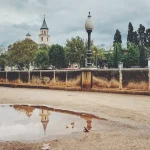
📷 Featured image by Timur Seyfelmlyukov on Unsplash.