On this page
- What Makes Calle Larios the Heart of Málaga Shopping
- Fashion on Larios: The Brands You’ll Actually Find Here
- Side Streets and Passages Worth Exploring
- 2026 Budget Reality: What Shopping on Larios Actually Costs
- Seasonal Sales and When to Visit for Best Deals
- Beyond Fashion: Accessories, Perfume, and Specialty Shops
- Practical Logistics: Getting There, Hours, and Avoiding the Crowds
- Frequently Asked Questions
What Makes Calle Larios the Heart of Málaga Shopping
If you flew into Málaga in 2026 expecting a relaxed beach city with a handful of souvenir stalls, Calle Larios will reset your expectations fast. This pedestrianised street — just 300 metres long — is one of the most commercially dense shopping strips in southern Spain, and on a Saturday afternoon it moves at a pace closer to Madrid’s Gran Vía than a sleepy Andalusian town centre. The challenge most visitors face is knowing which shops are worth stopping at, which side streets actually deliver, and how to avoid burning two hours in the midday heat shuffling between the same chain stores you have at home.
Calle Larios runs from Plaza de la Marina in the south to Plaza de la Constitución in the north. The street was designed in the late 19th century by architect Eduardo Strachan, and the neoclassical facades give the whole stretch a visual coherence that feels intentional even today. Ornate stone columns, wide pavements, and a central walkway lined with palm trees mean that even when the shops are closed, the street has a presence. In summer, the light bounces off the pale stone at golden hour and the whole place hums with foot traffic, the smell of coffee drifting from the terraces on either side.
In 2026, Calle Larios has consolidated its position as the city’s top-tier retail address. Several brands relocated or upgraded their Málaga flagship stores here following the completion of Málaga’s metro extension and the surge in visitor numbers that came with it. The street is now genuinely difficult to walk at a normal pace between 11:00 and 14:00 on weekends — plan accordingly.
Fashion on Larios: The Brands You’ll Actually Find Here
The street’s retail mix leans heavily toward Spanish high street and accessible premium labels. Zara holds a flagship position with a large two-floor store near the southern end — this is one of the better-stocked Zara locations in Andalusia, and new collections arrive consistently. Mango, Massimo Dutti, and Pull&Bear all have a strong presence, and the Mango store in particular tends to carry a wider range than smaller regional outlets.

For something with more local character, look for the smaller Spanish labels that occupy some of the street’s historic ground-floor spaces. Silbon, the Córdoba-born menswear brand that has been expanding aggressively across Spain since 2023, has a clean, well-merchandised store on Larios that’s worth a look if you want smart casual pieces with genuine Spanish design credentials rather than pan-European fast fashion.
On the premium side, Hugo Boss and Adolfo Domínguez both have outlets here. Adolfo Domínguez in particular is worth knowing — the Galician brand occupies a space between accessible luxury and quality basics that suits the Málaga climate well: linen trousers, clean shirts, understated knitwear.
- Zara — flagship store, strong stock, two floors
- Mango — well-stocked, reliable for Mediterranean-appropriate clothing
- Massimo Dutti — mid-premium, quality fabrics, good for men and women
- Silbon — Spanish menswear brand, worth seeking out
- Adolfo Domínguez — Galician label, linen-heavy, understated
- Hugo Boss — suits, smart casual, accessible luxury tier
- Pull&Bear — younger demographic, casual and affordable
Side Streets and Passages Worth Exploring
Calle Larios doesn’t exist in isolation. The shopping experience extends meaningfully into the surrounding grid, and missing the side streets means missing some of the most interesting retail in the centre.
Calle Nueva runs parallel to Larios one block to the east and has a completely different energy — narrower, shadier, with a mix of independent shoe shops, local clothing boutiques, and a few long-established leather goods stores. The shoe shopping here is genuinely good. Spanish-made leather shoes and sandals at prices that still undercut what you’d pay in northern Europe for the same quality are not hard to find if you look past the tourist-facing souvenir ends of the street.
Pasaje Chinitas is a covered arcade connecting the area around Larios to Calle Especerías. It’s atmospheric in the way old Spanish arcades always are — slightly dim, the sound of footsteps echoing off the tiles — and contains a handful of independent shops selling fans, ceramics, and handcrafted items that are actually made in Andalusia rather than imported. If you want a quality souvenir rather than a mass-produced one, this passage is a better starting point than the stalls directly on Larios.
Plaza de la Constitución, at the northern end of Larios, anchors a small cluster of additional shops and is surrounded by cafés with outdoor seating. It’s a natural place to rest between rounds of shopping, and the square itself connects to Calle Especerías and Calle Strachan, both of which carry independent retailers and occasional pop-up market stalls on weekends.

2026 Budget Reality: What Shopping on Larios Actually Costs
Prices on Calle Larios reflect mainstream Spanish retail rather than tourist markup — which means you’re generally paying the same as any Spaniard shopping in Madrid or Barcelona. That’s reasonably good value by European standards for mid-range and Spanish-brand items, but don’t expect bargains just because you’re in Andalusia.
Fashion and Clothing
- Budget — Pull&Bear, Zara basics: €15–€40 per piece
- Mid-range — Mango, Massimo Dutti, Silbon: €50–€120 per piece
- Comfortable/premium — Hugo Boss, Adolfo Domínguez: €100–€250 per piece
Shoes (including Calle Nueva)
- Budget — chain store sandals and sneakers: €25–€60
- Mid-range — Spanish leather shoes, independent boutiques: €70–€150
- Comfortable — quality handmade leather, artisan stores: €150–€300
Accessories and Gifts
- Quality Spanish fan (Pasaje Chinitas): €15–€60
- Handmade ceramic pieces: €10–€80 depending on size
- Perfume (major brands at dedicated shops): standard EU retail pricing, no significant discount
One real change in 2026: VAT refund processing for non-EU visitors has become faster and more reliable at Málaga’s retail outlets following updated digital VAT systems rolled out across Spain in late 2025. If you’re visiting from outside the EU and spending over €50 in a single transaction, ask at the till about the Tax Free process — it’s worth doing and the paperwork is now minimal.
Seasonal Sales and When to Visit for Best Deals
Spain’s Rebajas (sales) calendar is one of the most reliable in Europe, and Calle Larios follows it precisely. There are two main sale windows annually:
- Winter Rebajas — begin January 7th (the day after Reyes, Epiphany) and run through late February. Discounts of 30–70% are standard across most chain stores. This is the best sale period if you can tolerate winter travel.
- Summer Rebajas — begin July 1st and run through August. Málaga is very hot in July and August (regularly 35–38°C), so shopping early morning or after 19:00 is strongly advisable.
Semana Santa (Holy Week, late March or April depending on the year) brings enormous crowds to Málaga’s centre. The processions that pass through or near Calle Larios are genuinely spectacular, but the street itself becomes nearly impassable on peak procession evenings. If you’re visiting purely for shopping, the week before Semana Santa is better: the city is busy but the processions haven’t started, and stores are fully stocked for the season.

November is quietly one of the best months to shop in Málaga. Crowds are low, the weather is 18–22°C, and Black Friday promotions — now firmly embedded in Spanish retail culture — bring meaningful discounts across most chains from the third week of the month.
Beyond Fashion: Accessories, Perfume, and Specialty Shops
Not everything on and around Larios is clothing. The street and its immediate surroundings carry a solid selection of non-fashion retail that’s worth knowing about.
Perfume and cosmetics are well represented, with a large Druni (Spain’s major pharmacy-adjacent beauty chain) in the area and several multi-brand perfume stores stocking the full range of European and international houses at standard Spanish retail prices. If you’re used to buying fragrance at airport duty-free, you may find city-centre prices comparable or occasionally lower, particularly for Spanish brands like Loewe or Tous.
Jewellery shops cluster around the Plaza de la Constitución end of the street. Most stock mainstream European fashion jewellery, but a few independent stores carry pieces made by local craftspeople. Silver earrings and bracelets with Andalusian design influences (geometric Moorish patterns, olive branch motifs) are available and make considerably more meaningful gifts than typical souvenirs.
Sports and outdoor — Decathlon has a large store within walking distance of Larios, on Calle Molina Lario heading toward the cathedral. If you need kit for day trips into the mountains or along the coast, it’s far better value than the smaller brand-specific sports stores on the main street.
Practical Logistics: Getting There, Hours, and Avoiding the Crowds
Calle Larios is pedestrianised and sits in Málaga’s historic centre, roughly 15 minutes on foot from the María Zambrano train station. The Málaga Metro (Line 1 and Line 2) stops at Centro Alameda, which puts you a 5-minute walk from the southern end of Larios via Plaza de la Marina. In 2026, the metro runs frequently enough — every 6–8 minutes at peak times — that it’s genuinely the most practical option from the airport or the main rail hub.
If you’re driving, the nearest car parks are at Plaza de la Marina (underground) and the Larios Centro commercial centre car park, which is a short walk away on the western edge of the centre. Expect to pay €2–€3.50 per hour. Do not attempt to drive into the pedestrian zone — it’s camera-enforced and fines are issued automatically.
Opening Hours (2026 standard)
- Chain stores (Zara, Mango, etc.) — Monday to Saturday 10:00–21:00, Sunday 11:00–20:00
- Independent boutiques — typically 10:00–14:00 and 17:00–20:30, closed Sunday afternoon
- Department stores / large format — consistent hours, usually 10:00–21:00

The siesta pause is less observed than it once was among chain stores, but smaller independent shops on side streets like Calle Nueva still close midday. If you’re planning to visit specific boutiques, arrive before 13:30 or after 17:00 to be safe.
In terms of crowds, weekday mornings before noon are the calmest. Saturday afternoons between 12:00 and 17:00 are the most congested, particularly in summer and during school holidays. The street stays busy into the evening during summer months — Malagueños themselves tend to shop after 18:00 when temperatures drop, so if you want the local experience without the tourist density, that window works well.
Frequently Asked Questions
Is Calle Larios only for high-end shopping?
No. The street covers a wide range of price points, from affordable chains like Pull&Bear and Zara through to premium Spanish brands like Adolfo Domínguez. You can spend €20 or €200 depending on where you go. The side streets, particularly Calle Nueva, have even more affordable independent options for shoes and accessories.
How long does it take to walk and shop Calle Larios properly?
The street itself is only 300 metres, but factoring in shops, side streets like Pasaje Chinitas and Calle Nueva, and a stop in Plaza de la Constitución, a thorough shopping visit takes between two and four hours. Allow more time during sales periods when stores are busier and queues at tills are longer.
Are there any specifically Spanish or Andalusian brands to look for?
Yes. Silbon (menswear, originally from Córdoba) and Adolfo Domínguez (quality basics and linen, from Galicia) are genuinely Spanish brands available on Larios. For more locally made goods — ceramics, fans, handcrafted items — Pasaje Chinitas is the best starting point in this part of the city centre.
Can non-EU visitors claim VAT refunds on purchases made on Calle Larios?
Yes. Spain’s digital VAT refund system, updated in late 2025, makes the process faster than before. You need to spend a minimum of €50 in a single transaction at a participating retailer. Ask for the Tax Free form at the till and present your passport. Refunds are processed at the airport on departure from Málaga.
What is the best time of year to visit Calle Larios for shopping deals?
January (from January 7th) offers the deepest discounts during winter Rebajas, with 30–70% off across most stores. If winter travel isn’t practical, the summer Rebajas start July 1st. November’s Black Friday promotions are also significant. Avoid peak Semana Santa and August if crowd comfort matters to you.
Explore more
Málaga Nightlife Guide: Where to Go Out After Dark
The Ultimate Guide to Shopping in Málaga: Where to Go & What to Buy
Best Places to Eat in Málaga, Spain — Where to Find Great Food
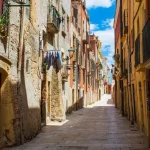
📷 Featured image by Sergio Guardiola Herrador on Unsplash.