On this page
- Exploring El Barrio: Alicante’s Old Town
- Santa Bárbara Castle: More Than Just a Viewpoint
- The Explanada and Waterfront: Alicante’s Living Room
- What and Where to Eat in Alicante
- Day Trips from Alicante
- Day Trip or Overnight?
- Getting to Alicante in 2026
- Getting Around Alicante
- 2026 Budget Reality
- Practical Tips for Visiting Alicante in 2026
- Frequently Asked Questions
💰 Click here to see Spain Budget Breakdown
💰 Prices updated: August, 2026. Budget figures are estimates — always verify before travel.
Exchange Rate: $1 USD = €0.86
Daily Budget (per person)
Shoestring: €50.00 – €90.00 ($58.14 – $104.65)
Mid-range: €90.00 – €180.00 ($104.65 – $209.30)
Comfortable: €220.00 – €450.00 ($255.81 – $523.26)
Accommodation (per night)
Hostel/guesthouse: €15.00 – €50.00 ($17.44 – $58.14)
Mid-range hotel: €70.00 – €130.00 ($81.40 – $151.16)
Food (per meal)
Budget meal: €7.00 ($8.14)
Mid-range meal: €25.00 ($29.07)
Upscale meal: €80.00 ($93.02)
Transport
Single metro/bus trip: €1.50 ($1.74)
Monthly transport pass: €30.00 ($34.88)
Alicante has spent years being overlooked — the city people fly into before heading straight to Benidorm or Dénia. That dynamic is shifting fast. With the Costa Blanca’s most popular resorts introducing visitor caps and pre-booking requirements in 2026, Alicante itself is finally getting the attention it deserves as a destination in its own right. It has a proper old town, a working port, serious food, and a castle overlooking the whole thing. The crowds that swamp other coastal towns largely skip the city centre — which is exactly why it’s worth slowing down here.
Exploring El Barrio: Alicante’s Old Town
The old quarter sits directly below Santa Bárbara Castle, a tight grid of narrow streets where the buildings lean close enough overhead to block the midday sun. It’s not a theme-park version of a Spanish barrio — people actually live here. You’ll hear neighbours calling down from balconies strung with washing, smell fresh bread from bakeries that open at 7am, and find bars that have been serving the same crowd for decades.
The focal point is the Plaza del Ayuntamiento, where the 18th-century town hall anchors the square with its ornate baroque facade. Walk up Calle Mayor and into the tangle of lanes behind it — Calle Labradores is where you’ll find some of the best traditional tapas bars. The neighbourhood church of Santa María, built on the site of a former mosque, is the oldest surviving church in Alicante and worth stepping inside for the gilded baroque altarpiece alone.
El Barrio is compact enough to cover on foot in two hours, but most people end up spending longer than planned because the bar culture pulls you in. Taberna Ibérica and La Taberna del Gourmet on Calle Mayor are local institutions — go for the local rice dishes and cured meats rather than the tourist menus on the outdoor terraces.
Santa Bárbara Castle: More Than Just a Viewpoint
Most visitors treat the castle as a photo stop. That undersells it significantly. Castillo de Santa Bárbara is one of the largest medieval fortresses on the Spanish Mediterranean coast, and it’s been in continuous use since the 9th century. The complex is genuinely large — plan on 90 minutes if you want to walk the full circuit of walls, towers, and interior courtyards.
There are three ways up. The lift inside the mountain rises from a tunnel entrance on the beach side (Playa del Postiguet) — it costs €2.70 each way in 2026. There’s also a road accessible by foot or the small tourist shuttle from the old town. The third option, a steep footpath from El Barrio, takes about 20 minutes and gives you the best approach views of the city spreading out below you.
The views from the highest point, the Torre de la Reina, are the real payoff — the port, the old town rooftops, the curve of the coastline south toward Santa Pola, and on clear days the outline of Tabarca Island sitting low on the horizon. Go in the late afternoon when the light turns the stone walls amber and the heat drops to something manageable.
The Explanada and Waterfront: Alicante’s Living Room
The Explanada de España is one of the most recognisable promenades in Spain — a 500-metre palm-lined walkway paved with six million marble tiles in a undulating wave pattern of red, black, and cream. It connects the old town to the modern marina and acts as the city’s social spine, especially in the evenings when alicantinos come out for the paseo in serious numbers.
The port itself has been upgraded in recent years. The America’s Cup legacy infrastructure brought better restaurant terraces and a new waterfront walking circuit that extends south past the ferry terminal. Playa del Postiguet, the city beach immediately below the castle, is a proper urban beach — convenient but crowded in summer. For better sand and calmer water, the beaches at San Juan (15 minutes by TRAM) are far superior.
The Mercado Central, just a few blocks back from the Explanada, is worth a morning visit for the produce alone — local oranges from the Vega Baja, fresh fish landed at the port that morning, and the particular sharp smell of fresh esparto grass woven into baskets at one of the few remaining craft stalls.
What and Where to Eat in Alicante
Alicante is underrated as a food city. The local cuisine sits within the broader Valencian tradition but has its own identity, particularly around rice dishes and seafood from the Costa Blanca.
The dish to order is arroz a banda — rice cooked in fish stock, served separately from the fish itself, finished with aioli. It’s the working fisherman’s dish, originally made from the stock left after selling the catch. El Portal, near the Mercado Central, does one of the more honest versions in the city. For something more casual, the market’s own bar counters serve fried fish and local wine by the glass at prices that feel almost anachronistic in 2026.
The other local specialty is turrón — the nougat confection that Alicante has been producing since the 15th century. Jijona, the town that makes the soft version, is 25 kilometres inland. In the city, the historic shop 1880 on the Explanada sells both the hard (duro) and soft (blando) varieties year-round. It’s one of those places where a single sample tastes like concentrated almonds and honey and makes you understand why people have been making this for 500 years.
For the evening meal, the El Barrio neighbourhood fills up after 9pm. Nou Manolín on Calle Villegas is the most celebrated restaurant in the city — book ahead — but the smaller tapas bars on the surrounding streets often deliver equally good food with less formality and shorter bills.
Day Trips from Alicante
Alicante’s position on the Costa Blanca makes it an excellent hub for three very different excursions.
Tabarca Island
Spain’s only inhabited fortified island sits 22 kilometres offshore. Ferries run from the port in around 45 minutes (€22 return in 2026). The island has one small village, clear water good for snorkelling, and a total absence of cars. It gets crowded in July and August — the early morning ferry gives you the island before the day-trippers arrive.
Elche and the Palm Forest
Elche is 20 minutes by bus or train from Alicante. The UNESCO-listed palm grove — the largest in Europe — covers several hundred hectares and predates the Roman settlement. The Huerto del Cura garden within the grove is the most photographed section. The town also has a well-preserved Moorish-era watchtower and a mystery play performed in the basilica every August that dates to the 14th century.
Guadalest
An hour inland by car or tour bus, Guadalest is a medieval village perched on a rocky outcrop with a reservoir below and mountains behind. It appears on every Instagram account covering the Costa Blanca, which means it attracts crowds, but going on a weekday morning or in shoulder season (March–April or October) keeps it manageable. The views over the reservoir are genuine — the kind that make you stop walking and just look.
Day Trip or Overnight?
If you’re based in Valencia, Alicante is 90 minutes away by AVE — feasible as a day trip for the castle, old town, and lunch. But a single day barely scratches it, and you’ll miss the evening atmosphere that defines the city.
Two nights is the sweet spot for most travellers: one day for the city (castle in the morning, El Barrio in the afternoon, waterfront in the evening), and a second day for one day trip. Three nights works well if you want to combine Tabarca and one of the inland destinations without rushing.
Alicante also functions well as a base for longer Costa Blanca stays. Accommodation is significantly cheaper than in the resort towns, the TRAM connects you north toward Benidorm and Dénia, and having a proper city to return to at the end of the day makes the whole trip feel more grounded.
Getting to Alicante in 2026
Alicante-Elche Miguel Hernández Airport is one of the busiest in Spain for international arrivals, with direct flights from across the UK, Germany, the Netherlands, and Scandinavia. Ryanair, easyJet, and Vueling dominate. In 2026, Wizz Air expanded its routes from Eastern Europe, making Alicante more accessible than ever for travellers coming from Poland, Romania, and Hungary.
The AVE high-speed rail connection links Alicante to Madrid in around 2 hours 20 minutes (from €35 in advance). Valencia is served by a combination of Euromed and regional trains — the journey takes 90 minutes to 2 hours depending on service. Barcelona requires a change at Valencia or Madrid; total journey time is approximately 4.5 hours on the fastest routing.
From the airport to the city centre, the C-6 bus line runs every 20–30 minutes and costs €3.85 in 2026. Taxis cost around €20–25. The airport is 12 kilometres southwest of the city.
Getting Around Alicante
The city centre is walkable. El Barrio, the Explanada, the Mercado Central, and the beach are all within 15 minutes on foot from each other. The castle is a 20-minute walk from the old town.
For trips further afield, the TRAM network is the key piece of infrastructure. Line 1 runs north along the coast through El Campello to Benidorm (around 1 hour). Line 3 and 4 connect to the university and northern beach areas at San Juan. A single TRAM ticket costs €1.45; a 10-journey card brings it down to €0.75 per trip.
Cycling infrastructure improved in 2025–2026, with new protected lanes added along the seafront and into the university district. The Alicante public bike-share scheme (Bicialicante) covers most of the centre with around 40 stations.
2026 Budget Reality
Alicante remains one of the more affordable cities on the Spanish Mediterranean coast. Here’s what to expect in 2026:
- Budget accommodation: Hostels and basic guesthouses in El Barrio or near the bus station run €25–45 per person per night.
- Mid-range hotels: A three-star hotel close to the Explanada costs €80–130 per night for a double room. Prices spike 30–40% in July and August.
- Comfortable/boutique: The better four-star options in the city centre range from €140–220 per night in peak season, around €100–150 in spring and autumn.
- Food — budget: A market lunch (fried fish, salad, drink) at the Mercado Central bar costs around €10–12.
- Food — mid-range: A full meal with wine at a good restaurant in El Barrio runs €25–40 per person.
- Food — splurge: A tasting menu at Nou Manolín or similar costs €65–85 per person without wine pairing.
- Day trip to Tabarca: Ferry return €22 + basic lunch on the island €15–20.
- Castle lift: €2.70 each way (free to enter the castle itself).
Practical Tips for Visiting Alicante in 2026
Tourist tax: Alicante introduced a city tourist levy in late 2025, following the broader Valencian Community framework. The current rate is €1 per person per night for hotels up to three stars, €2 for four-star, and €3 for five-star. Hostels and apartments are charged at €0.50–1. This is paid directly to the accommodation on checkout.
Heat: July and August regularly hit 34–38°C inland, though the sea breeze on the waterfront makes it more bearable. If you’re visiting in summer, the castle and El Barrio are best done before 11am or after 5pm. The siesta is still observed here — many smaller shops and bars close from 2pm to 5pm.
Timing: March to May and September to November are the ideal windows — warm enough for beach days, cool enough for walking, and with none of the resort-season crowds. The Hogueras de San Juan festival in late June is Alicante’s biggest annual event, with bonfires, fireworks, and street parties across the city.
Digital nomads: Spain’s Digital Nomad Visa continues operating in 2026 with some administrative streamlining introduced this year. Alicante has emerged as a quieter alternative to Barcelona or Valencia for remote workers — lower rents, good connectivity, and a population that isn’t visibly fatigued by the presence of foreigners the way some larger cities now are.
Frequently Asked Questions
Is Alicante worth visiting, or is it just an airport city?
Alicante is genuinely worth visiting in its own right. The old town, castle, waterfront, and food scene give you two to three full days of substance. It’s not just a transit hub — it’s a working Spanish city with strong local character, good restaurants, and easy access to some of the best day-trip destinations on the Costa Blanca.
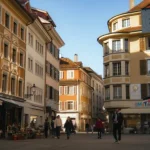
📷 Featured image by Wiwid Kuntjoro on Unsplash.