On this page
- Barcelona’s Personality: What Kind of City Is This?
- Barcelona’s Neighborhoods: Where the City’s Real Character Lives
- What You Cannot Miss on Your First Visit
- Where to Eat and Drink in Barcelona
- Getting Around Barcelona in 2026
- Day Trips From Barcelona Worth Making
- Nightlife and Entertainment in Barcelona
- Shopping in Barcelona
- Where to Stay in Barcelona by Budget
- Best Time to Visit Barcelona
- Practical Tips for First-Time Visitors
- 2026 Budget Breakdown: What Barcelona Actually Costs
- Frequently Asked Questions
💰 Click here to see Spain Budget Breakdown
💰 Prices updated: October, 2026. Budget figures are estimates — always verify before travel.
Exchange Rate: $1 USD = €0.88
Daily Budget (per person)
Shoestring: €60.00 – €90.00 ($68.18 – $102.27)
Mid-range: €120.00 – €180.00 ($136.36 – $204.55)
Comfortable: €220.00 – €470.00 ($250.00 – $534.09)
Accommodation (per night)
Hostel/guesthouse: €15.00 – €50.00 ($17.05 – $56.82)
Mid-range hotel: €70.00 – €130.00 ($79.55 – $147.73)
Food (per meal)
Budget meal: €7.00 ($7.95)
Mid-range meal: €25.00 ($28.41)
Upscale meal: €80.00 ($90.91)
Transport
Single metro/bus trip: €3.00 ($3.41)
Monthly transport pass: €24.00 ($27.27)
Barcelona has a pickpocket problem, a cruise ship problem, and a housing protest problem — and in 2026, it also has a solution in progress. Mayor Jaume Collboni’s crackdown on short-term rentals has already reduced tourist apartment licences by over 60%, pushing first-time visitors to rethink where they stay. Meanwhile, Sagrada Família is closer than ever to full completion, the new T-Casual metro card has replaced the old T-Casual ten-trip system, and the city’s tourist tax has risen again. None of this should put you off. Barcelona remains one of the most visually, gastronomically, and architecturally extraordinary cities in Europe — it just rewards visitors who come prepared.
Barcelona’s Personality: What Kind of City Is This?
Barcelona is a city that operates on its own clock. Lunch starts at 2pm, dinner rarely before 9pm, and the streets of Gràcia or El Born are still buzzing at 1am on a Tuesday. It’s simultaneously a beach city, an art city, a food city, and an architectural open-air museum. Catalan identity runs deep here — locals are proud of their language and culture in a way that distinguishes Barcelona sharply from Madrid or Seville.
The smell of salt air drifting in from the Mediterranean, the geometric pattern of the Eixample’s octagonal blocks seen from above, the roar of FC Barcelona fans spilling out of a bar — these are the textures of the place. It’s chaotic and beautiful in equal measure, and first-timers almost universally say they didn’t expect to love it as much as they did.
In 2026, the city is actively managing overtourism. Some areas are quieter than they were three years ago thanks to reduced short-term rental stock. That’s actually good news for travellers willing to stay in hotels or licensed guesthouses — you’ll find a city that feels less like a theme park and more like a real place.
Barcelona’s Neighborhoods: Where the City’s Real Character Lives
Understanding Barcelona’s barrios is the single most useful thing a first-timer can do before arriving.
Gothic Quarter (Barri Gòtic)
The oldest part of the city, built on top of a Roman settlement. Narrow medieval lanes, the Barcelona Cathedral, and an almost labyrinthine quality that makes it endlessly explorable — and endlessly targeted by pickpockets. Stay alert around Las Ramblas. Ideal for sightseers who want to be in the historic core.
El Born (Sant Pere)
Just east of the Gothic Quarter, El Born is cooler and younger. Independent boutiques, serious cocktail bars, the Picasso Museum, and the iron-and-glass Mercat de Santa Caterina. This is where design-conscious travellers and slow foodies gravitate.

Eixample
The 19th-century grid neighbourhood designed by Ildefons Cerdà. This is where Gaudí’s Casa Batlló and Casa Milà (La Pedrera) sit, where the city’s best restaurants concentrate, and where the LGBTQ+ scene centres around the Gayxample section. Wide pavements, grand apartment buildings, and a more affluent, cosmopolitan feel.
Gràcia
Once a separate village, Gràcia still has that energy — small plazas like Plaça del Sol and Plaça de la Vila de Gràcia fill with locals every evening. Bohemian, politically conscious, young-family friendly. Fewer tourists than the Gothic Quarter, which is precisely why regulars love it.
Barceloneta
The beachfront neighbourhood. Packed in summer, windy and almost melancholy in January. Home to the best fresh seafood restaurants and the city’s main sandy beaches. Great for a day, less ideal as a base unless beach access is your top priority.
Poblenou
Barcelona’s former industrial district, now a creative hub. The @22 innovation district has brought tech companies, co-working spaces, and a new wave of cafés and restaurants to this area. Much cheaper to stay in than central Barcelona, with excellent metro connections.
What You Cannot Miss on Your First Visit
Barcelona has more UNESCO World Heritage Sites concentrated in one city than almost anywhere in Europe, and most of them are Gaudí’s work. But the city’s highlights go beyond one architect.
- Sagrada Família: Book weeks in advance — in 2026, timed entry is mandatory and sells out. The nave is now fully illuminated with its permanent lighting system, and the Glory façade is in its final construction phase. Go in the morning when the eastern windows blaze with colour.
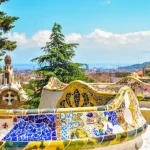
- Park Güell: The ticketed Monumental Zone requires advance booking. The free areas around it are worth exploring on their own. Go early — before 9am — to beat the crowds.
- Casa Batlló and Casa Milà (La Pedrera): Both offer night-time visits with light shows that transform the interiors. Casa Batlló’s Magic Nights experience is particularly spectacular.
- Montjuïc: The hill overlooking the port holds the MNAC (Museu Nacional d’Art de Catalunya), the Olympic Stadium, the Fundació Joan Miró, and the Montjuïc Castle. Take the cable car up from Barceloneta or the funicular from Paral·lel metro.
- Picasso Museum: Located in El Born, in a series of medieval palaces. Book online. The collection focuses on his early Barcelona years and is more interesting than many expect.
- El Palau de la Música Catalana: A UNESCO site and a functioning concert hall by Lluís Domènech i Montaner. Guided tours run daily, but attending an actual concert here is a transcendent experience — the stained glass ceiling floods the hall with coloured light.
Where to Eat and Drink in Barcelona
Barcelona’s food scene is geographically organised in ways that make it easy to navigate if you know where to look.
Markets
Mercat de la Boqueria on Las Ramblas is worth a walk-through for the spectacle, but the stalls closest to the entrance cater almost entirely to tourists at tourist prices. Locals shop in the back sections. Mercat de Santa Caterina in El Born is better for an actual meal — the bars inside serve generous plates of local produce at honest prices. Mercat de l’Abaceria in Gràcia is the most neighbourhood-feeling of the lot.
Streets and Zones for Eating
Carrer del Parlament in Sant Antoni has transformed into one of the city’s best eating streets over the past five years — wine bars, natural wine shops, and serious small-plates restaurants sit side by side. Passeig del Born and the streets radiating off it (Carrer del Rec, Carrer dels Flassaders) hold some of the city’s most interesting independent restaurants. For seafood, Barceloneta and the Port Olímpic waterfront deliver the freshest grilled fish and paella, though quality varies — look for places where the menu is short and changes daily.
Vermouth Culture
Sunday vermouth (vermut) is serious business in Barcelona. The area around Mercat de Sant Antoni and the streets of Poble Sec (particularly Carrer de Blai, known as Pintxos Street) are the places to go between noon and 3pm on a Sunday. Carrer de Blai is lined with bars offering Basque-style pintxos — small bites on bread — for around €1.50–€2 each.
Getting Around Barcelona in 2026
Barcelona’s public transport network is excellent and in 2026 it’s more integrated than ever following the extension of the T-Mobilitat contactless card system.

Metro
The TMB metro covers most of the city across 12 lines. The T-Casual card (10 trips, €11.35 in 2026) works across metro, bus, FGC trains, and trams within Zone 1. Buy it at any metro station. Single tickets cost €2.55. The Hola Barcelona travel card (2, 3, 4, or 5 days of unlimited travel) is worth it if you’re moving around a lot.
Airport Transfer
From El Prat Airport (BCN), your best options are the Aerobus (€7.25 one way, runs every 5 minutes to Plaça Catalunya, journey time 35 minutes) or the R2 Nord Rodalies train (€4.60 to Passeig de Gràcia or Sants, about 25 minutes). Taxis from the airport to central Barcelona cost €35–€45 depending on traffic.
Cycling
Barcelona’s Bicing bike-share scheme is technically for residents only. Visitors should use Donkey Republic or other private hire operators, or rent from the many bike shops near Barceloneta. The city’s cycling infrastructure has expanded significantly — there are now dedicated lanes along most major avenues.
On Foot
The Gothic Quarter, El Born, and Barceloneta are all walkable between each other. The Eixample grid makes navigation simple — the sea is always roughly south. Walking from Plaça Catalunya to Sagrada Família takes about 25 minutes.
Day Trips From Barcelona Worth Making
Montserrat
The jagged mountain monastery 50km northwest of the city is one of Catalonia’s most spiritual and visually dramatic sites. Take the R5 FGC train from Plaça Espanya (about 1 hour, €8.90 each way), then the rack railway or cable car to the top. The views over the Llobregat valley are staggering. Half a day is enough; a full day lets you hike one of the marked trails above the monastery.
Sitges
35km south of Barcelona by train (Rodalies R2 Sud, 40 minutes, €4.10), Sitges is a handsome seaside town known for its beaches, its LGBTQ+ scene, and its excellent Carnival in February. Outside of peak summer it’s relaxed and genuinely lovely.
Tarragona
A Roman provincial capital with a UNESCO-listed archaeological ensemble including an amphitheatre built directly into the cliffs above the sea. 1 hour by AVE from Barcelona Sants (from €7 on slower regional trains). A full day does it justice.
Penedès Wine Country
The wine-producing region just inland from Sitges produces cava (Catalan sparkling wine) and increasingly interesting still wines. The town of Vilafranca del Penedès is the main hub, reachable in 45 minutes by train. The Torres winery near here offers structured visits and tastings from €15.
Costa Brava (Girona)

Take the AVE to Girona (38 minutes, from €9) and then a bus to the coast. The medieval city of Girona itself is worth half a day. The coastal towns of Cadaqués and Begur are further and better reached by car, but the effort is worthwhile for some of the most beautiful coves in the Mediterranean.
Nightlife and Entertainment in Barcelona
Barcelona’s nightlife starts later than almost any other European city. If you arrive at a club before 1am, you’ll be nearly alone. The prime window is 2am–5am.
Club Districts
Port Olímpic has the big mainstream clubs — Opium, Pacha, Shoko — with significant cover charges (€15–€25) and a tourist-heavy crowd. Poble Sec and the area around Avinguda Paral·lel have a more local, alternative energy with smaller venues. Razzmatazz in Poblenou is the city’s best all-around venue: five rooms, electronic music ranging from techno to indie, and a capacity of 5,000.
Rooftop Bars
The rooftop at La Pedrera (Casa Milà) runs evening events in summer with live jazz against the backdrop of Gaudí’s chimneys. The Hotel Arts Barcelona terrace in Barceloneta has panoramic sea views. The Piscina Municipals de Montjuïc open-air pool area hosts summer DJ sessions with a view over the city that’s hard to match.
Flamenco
Flamenco is not a Catalan art form, but Barcelona has serious venues. Tablao Flamenco Cordobés on Las Ramblas and Los Tarantos on Plaça Reial are the two most established. Los Tarantos runs shorter, cheaper shows (from €15) that suit casual visitors; Tablao Cordobés offers longer dinner-and-show packages. Book ahead in high season.
Shopping in Barcelona
Barcelona is one of the best shopping cities in southern Europe, with a strong local design culture sitting alongside international brands.
Passeig de Gràcia
The city’s luxury boulevard, lined with flagship stores for Loewe, Zara (the original brand’s premium lines), Massimo Dutti, and international designers. If you’re here to spend seriously, this is where you come.
El Born and Gothic Quarter
Independent boutiques concentrate on Carrer del Rec (fashion and leather), Carrer dels Banys Nous (antiques and curiosities), and Carrer de l’Argenteria (jewellery and accessories). This is Barcelona’s best area for one-off pieces and local designer labels.
Encants Flea Market
The Fira de Bellcaire (Els Encants) near Glòries metro is one of Europe’s oldest and best flea markets, now housed under a spectacular mirrored canopy. Open Monday, Wednesday, Friday, and Saturday from 9am. Arrive before 10am for the best finds — vintage clothing, furniture, books, and general junk in the best possible sense.

Local Design
Vinçon has reopened after years of closure as a smaller concept store near its original Passeig de Gràcia location. BD Barcelona on Carrer de Mallorca sells serious Catalan-designed furniture and objects. For food souvenirs, Casa Gispert in El Born has been roasting nuts and selling specialty foods since 1851 — the smell of toasted almonds hits you from the street.
Where to Stay in Barcelona by Budget
With short-term rental licences dramatically reduced since 2024, Barcelona’s hotel market has absorbed much of the demand. Book early, especially for summer.
Budget (under €80/night)
Hostels and budget hotels cluster in the Gothic Quarter, El Raval, and around Arc de Triomf. El Raval has improved significantly in recent years but still warrants caution at night on some streets. Poblenou is an increasingly good budget option with excellent metro links and a more relaxed atmosphere.
Mid-Range (€80–€180/night)
Eixample is the sweet spot for mid-range hotels — central, well-connected, and with good restaurants on every block. El Born boutique hotels in this bracket are excellent value. Look for hotels with rooftop terraces; Barcelona’s heat in summer makes these essential.
Luxury (€180+/night)
The seafront hotels near Barceloneta (Hotel Arts, W Barcelona) command premium prices for sea views. On the Passeig de Gràcia corridor, converted Modernista buildings offer genuinely special accommodation. The Mandarin Oriental Barcelona and Cotton House Hotel are consistent standouts for service and design.
Best Time to Visit Barcelona
Barcelona has good weather for most of the year, but the experience varies dramatically by season.
Spring (March–May)
The best all-round time for first-timers. Temperatures of 16–22°C, manageable crowds, and the city’s social calendar ramping up. Sant Jordi’s Day on 23 April is Barcelona’s version of Valentine’s Day — the streets fill with book and rose stalls, and it’s genuinely one of the most charming days in the European calendar.
Summer (June–August)
Hot (up to 33°C), crowded, and expensive. The Festa Major de Gràcia in August, where residents decorate their streets in elaborate themes, is spectacular. The Sónar Festival in June draws the global electronic music crowd. Beaches are packed; book everything in advance.
Autumn (September–October)
Arguably the finest time to visit. Crowds thin after September, temperatures settle around 20–25°C, and the sea is still warm enough to swim. La Mercè Festival in late September is the city’s largest free festival, with concerts, human tower competitions (castellers), and fireworks across multiple days.

Winter (November–February)
Cool (8–14°C) and very quiet. Hotels are cheapest, queues at attractions minimal, and the city has a more authentic, local feel. Christmas markets around the Cathedral and on Avinguda de la Catedral run from late November. The coast is windy but the Eixample and Gràcia are perfectly pleasant for walking.
Practical Tips for First-Time Visitors
- Pickpockets: Las Ramblas, the Gothic Quarter, and the metro are the main risk areas. Use a crossbody bag worn in front. Don’t use your phone while walking on Las Ramblas.
- Language: Catalan is the first language, Spanish the second, English widely spoken in tourist areas. A few words of Catalan (gràcies = thank you, bon dia = good morning) go down well with locals.
- SIM Cards: EU roaming rules still apply in 2026 for most European visitors. Non-EU travellers can pick up an Orange or Vodafone tourist SIM at El Prat airport or any phone shop from around €15 for 10GB.
- Tap Water: Safe to drink everywhere in Barcelona, though locals often prefer bottled due to taste. The free drinking fountains (fonts) across the city are all potable.
- Tipping: Not obligatory but appreciated. Round up at bars; 5–10% at restaurants is generous. Tipping is not built into the culture the way it is in the UK or US.
- Tourist Tax: In 2026, Barcelona charges a city tourist tax of €3.25–€6.75 per person per night depending on accommodation category, on top of the regional Catalonia tourist tax. This is normally added to your hotel bill — check what’s included when booking.
- Siesta Hours: Many independent shops close from 2pm–5pm, particularly outside the tourist zones. Pharmacies and supermarkets generally stay open.
2026 Budget Breakdown: What Barcelona Actually Costs
Barcelona is not cheap, and costs have risen notably since 2023. Here’s what realistic daily spending looks like across three tiers:
Budget Traveller (€60–€90/day)
- Accommodation: hostel dorm or basic private room, €25–€45
- Food: market lunches, pintxos bars, supermarket breakfasts, €15–€20
- Transport: T-Casual card covers most needs, €3–€5/day
- Attractions: many parks and church exteriors are free; budget €10–€15 for one paid attraction
Mid-Range Traveller (€130–€200/day)
- Accommodation: mid-range hotel in Eixample or El Born, €90–€140
- Food: sit-down lunch with wine, tapas dinner out, €35–€50
- Transport: metro plus the occasional taxi, €8–€12
- Attractions: two ticketed sites per day, €30–€45

Comfortable Traveller (€250–€400+/day)
- Accommodation: design hotel or Passeig de Gràcia property, €180–€300+
- Food: quality restaurant for dinner, good wine, €60–€100 per person
- Transport: taxis, occasional private transfer, €20–€30
- Attractions: skip-the-line tickets, guided tours, evening experiences, €60–€90
Frequently Asked Questions
How many days do you need in Barcelona?
Four days is the practical minimum for a first visit — enough to cover the Gaudí landmarks, explore two or three neighbourhoods, and get a feel for the food scene. Five or six days lets you add a day trip and spend more time wandering without a checklist. Anything less than three days and you’ll leave feeling rushed.
Is Barcelona safe for tourists in 2026?
Generally yes, but petty theft — particularly phone and bag snatching — remains a genuine issue on Las Ramblas, in the Gothic Quarter, and on crowded metro lines. Violent crime against tourists is rare. Use standard urban precautions: don’t flash expensive items, keep bags secure, and stay aware in crowded spaces.
Is it worth getting a Barcelona Card?
The Barcelona Card (€45–€60 depending on duration) includes unlimited public transport and free or discounted entry to many museums. It makes financial sense if you plan to visit multiple paid attractions in a short period. For a shorter trip focused mainly on Gaudí sites (which have their own ticketing), the Hola Barcelona transport card alone may be more practical.
Explore more
Discover Gràcia: Barcelona’s Charming Village in the City
Where to Eat Tapas in Barcelona: Top Spots for Authentic Bites
Top Barcelona Clubs: Your Ultimate Guide to an Unforgettable Night Out
📷 Featured image by Erwan Hesry on Unsplash.