July 2026 is shaping up to be another record-interest summer for Spain, with visitor numbers continuing to climb and some of the most popular coastal destinations already at or near capacity on peak weekends. If you’re heading to Spain this month without understanding how the country actually operates in summer, you’ll spend the hottest hours fighting crowds in the wrong places, eating at the wrong times, and wondering why you feel so exhausted. Spain in July rewards people who adapt to its rhythm — and punishes those who don’t.
What the Heat Actually Feels Like
Spain in July is not uniformly hot. The country is large and geographically varied, and the difference between regions is significant enough to shape your entire trip.
Seville and Córdoba in Andalusia sit at the extreme end. Daytime highs regularly reach 38–42°C in July, and on some afternoons the air in the narrow streets feels like standing inside a bread oven. The heat is dry and relentless. Walking more than a few hundred metres between noon and 5pm is genuinely unpleasant and potentially dangerous for older travellers or children. Locals do not do it. Neither should you.
Madrid runs hot too — typically 33–38°C — but evenings cool faster than in Seville, which makes the capital more manageable. Barcelona is milder, sitting closer to 28–32°C, but the humidity from the Mediterranean makes it feel stickier and more draining. The northern coast — San Sebastián, Bilbao, the Basque Country — is a completely different world: 22–26°C, occasionally overcast, genuinely comfortable in the middle of the day.
The Canary Islands are warm but tempered by Atlantic breezes, rarely exceeding 28°C. The Balearics — Mallorca, Ibiza, Menorca — split the difference between Barcelona and Seville. Hot and sunny, but with sea breezes that arrive in the afternoon.
One detail that catches many visitors off guard: Spanish cities retain heat overnight. Stone streets and dense urban buildings absorb heat all day and release it slowly. Even at midnight in Seville, it’s common to see 28°C on a thermometer — and to feel it.
The Spanish Daily Timetable
Spain’s July schedule exists for a reason. It evolved around the heat, and if you follow it, the country makes complete sense. If you fight it, you’ll be miserable.
A typical summer day looks roughly like this:
- 7:00–10:00am: The best hours of the day. Cooler air, emptier streets, cafés opening. This is when serious sightseeing happens.
- 10:00am–2:00pm: Still manageable, though warming quickly. Good for beach time, morning markets, shaded monuments.
- 2:00–5:00pm: Peak heat. Restaurants fill up for the long Spanish lunch (la comida). This is not a tourist invention — it is the main meal of the day. Afterwards, many smaller shops close. Air-conditioned restaurants, museums, or your room is where you want to be.
- 5:00–8:00pm: Heat breaks gradually. People emerge. Café terraces fill. The city starts breathing again.
- 8:00–10:00pm: The paseo — Spain’s beloved evening stroll. Families, couples, elderly neighbours, children. Everyone is outside, moving slowly through the streets or plazas.
- 10:00pm onwards: Dinner. This is not late by Spanish standards. It is normal. Restaurants peak between 10pm and midnight in July.
Trying to eat dinner at 6:30pm in a Spanish restaurant in July is technically possible, but you’ll be sitting alone in an empty room with staff who haven’t fully set up yet. Trust the timetable.
Beach Culture and Unwritten Rules
Spanish beaches in July are a social institution, not just a place to get a tan. There is a clear etiquette that most foreign visitors take a few days to figure out.
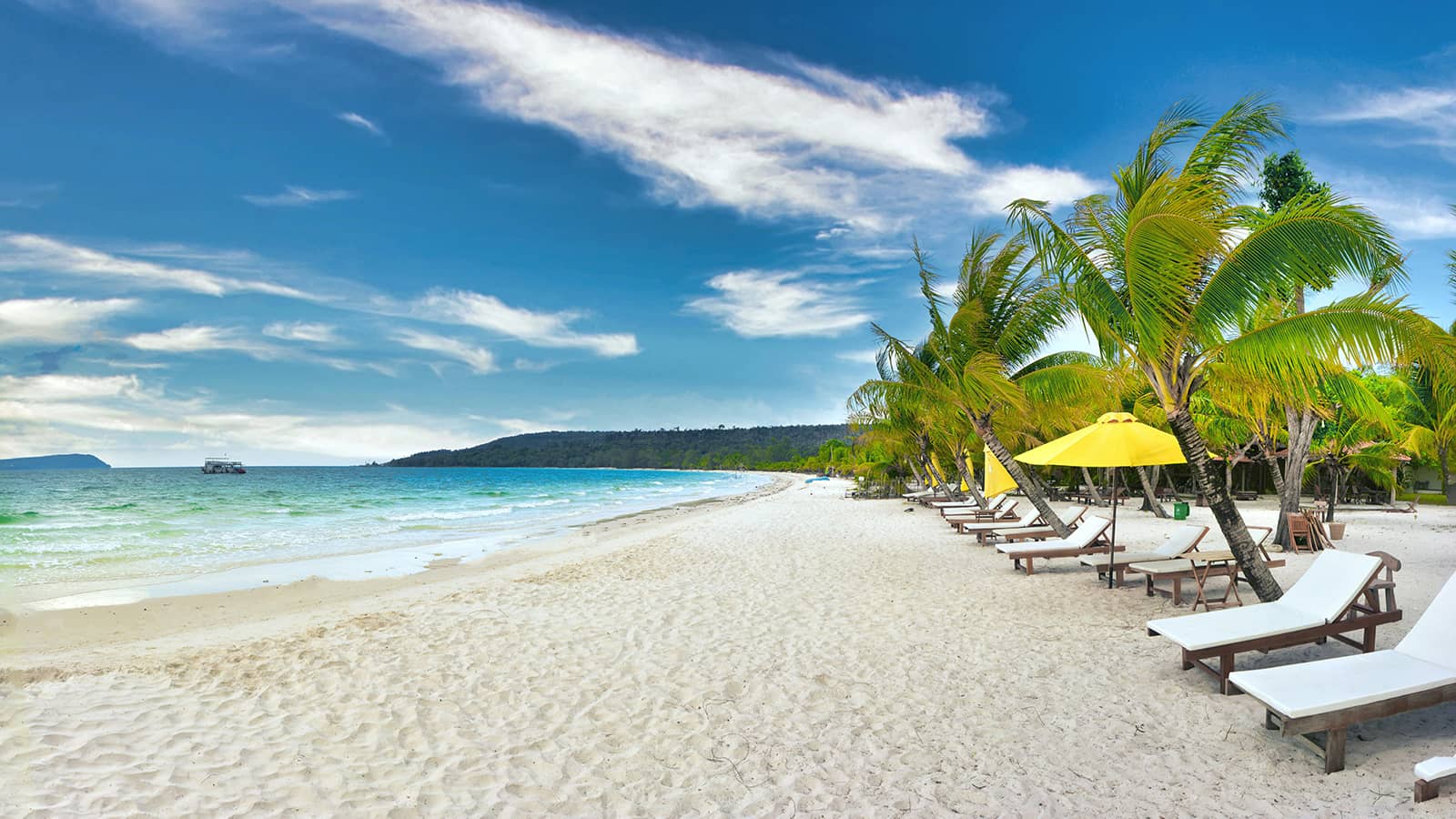
Arrive before 10am if you want a reasonable spot on any popular urban beach — Barceloneta in Barcelona, La Concha in San Sebastián, or the Málaga city beach. By 11am in peak July, the most central stretches are genuinely packed. The smell of warm sunscreen, salt air, and coffee from beachside chiringuitos (beach bars) fills the air — it’s a sensory signature of Spanish summer that’s hard to describe until you’ve stood in it.
A few unwritten rules worth knowing:
- Reserving a spot with a towel and then disappearing for two hours is frowned upon. Unlike some northern European beach cultures, Spanish beach-goers tend to stay in their spot or take turns leaving.
- Topless sunbathing remains socially normal on most Spanish beaches and is not considered unusual or inappropriate.
- Chiringuito ordering is expected if you plant yourself near one. It’s not a legal obligation, but it’s courteous — and the cold tinto de verano (red wine with lemon Fanta) is exactly what you need.
- Spain has blue flag beaches that are cleaned daily. Check the local municipality’s signage for water quality updates.
If you want a quieter beach experience, go north. The coast of Galicia and Asturias has dramatic, wild beaches that are cooler and far less crowded in July, though the Atlantic water will be noticeably colder than the Mediterranean.
Eating and Drinking in July
July cooking in Spain is about cold, fresh, and simple. The heat genuinely changes what people want to eat, and the seasonal menu shifts accordingly.
Gazpacho is everywhere, and the real thing — made fresh, properly seasoned, served ice cold — is one of the best things you can eat in a Sevillian July. It’s not a side note on the menu. It’s a serious dish. Salmorejo, the thicker Córdoban cousin, is equally ubiquitous and more filling.
Seafood dominates coastal menus. Grilled sardines, fresh anchovies (boquerones), gambas al ajillo (prawns in garlic oil), and fried fish from Cádiz-style chiringuitos are July staples. In the Basque Country, pintxos bars pile the counters high every evening, and the ritual of bar-hopping with a small plate and a cold glass of txakoli is something genuinely worth adjusting your plans for.
Horchata — made from tiger nuts, served icy cold — is the drink of Valencia in summer. Agua de Valencia (a local cocktail of orange juice, cava, vodka, and gin) is the city’s other gift to summer visitors. Tinto de verano is Spain’s answer to sangria, simpler and usually better. Cerveza (beer) is served very cold and in small glasses (cañas) to keep it that way.
Evening Spain: Where Real Life Happens After 9pm
The best version of Spain in July exists entirely after dark. This is not just about nightlife — it is about how the country fully re-animates once the sun goes down.
Town plazas that were empty at 3pm are full of children kicking footballs and grandparents on benches by 9pm. Local festivals (fiestas) are concentrated in summer, and July in particular sees dozens of neighbourhood celebrations across every Spanish city and village. These are not tourist events. They are community festivals with free outdoor concerts, dancing, food stalls, and often fireworks. Check the local ayuntamiento (town hall) website for whatever town you’re in — these events are almost never well-publicised to visitors but are easy to stumble into if you’re out walking after dark.
Flamenco performances in Andalusia tend to run late — shows starting at 9pm or 10pm are standard — and the atmospheric tabernas where the sound of guitars and palmas (rhythmic clapping) rises into a warm night are exactly what the region promises and genuinely delivers. The experience in a small, serious venue is entirely different from a daytime tourist show.
2026 Budget Reality: What July Actually Costs
July is peak season across almost all of Spain. Prices reflect that. Here is an honest breakdown:
Accommodation (per night, double room)
- Budget: Hostel private room or basic guesthouse, €55–85. Availability is tighter in 2026 than in previous years — book at least 6–8 weeks ahead for coastal cities.
- Mid-range: Three-star hotel or quality apartment, €110–180. This is the sweet spot for most visitors and where you’ll find reliable air conditioning, which is non-negotiable in July.
- Comfortable: Four-star hotel in a central location, €200–350. Beach resorts like Marbella and Ibiza run higher — €300–500+ is common in those markets.
Food and Drink (per person, per day)
- Budget: €25–35. Menú del día at lunch, grocery shopping, and simple tapas.
- Mid-range: €50–75. Sit-down meals twice a day, casual restaurants, a few drinks.
- Comfortable: €100–150+. Eating well, choosing good restaurants, wine with meals.
Transport
- City metro and bus systems typically charge €1.50–2.50 per journey, with day or multi-day passes offering better value for heavy users.
- Long-distance coach (bus) travel between cities remains one of the best value options in Spain, with routes between major cities often costing €15–35 booked in advance.
- Taxis and ride-hailing apps are widely available in all major cities. A typical in-city journey runs €8–15.
Practical Survival Guide for July
Heat management is not optional in July Spain. These are the practical realities:
- Sun protection: SPF 50 sunscreen, reapplied consistently, is the standard. Spanish pharmacies (farmacias, identified by a green cross) stock excellent European suncare brands and are open across most of the day, often with an after-hours rotation posted on the door.
- Water: Tap water is safe to drink throughout Spain. Carry a reusable bottle. Most city squares have drinking fountains. Dehydration in 40°C heat is faster than most people expect.
- Clothing: Light, loose, natural fabrics (linen, cotton). Dark colours absorb heat. Closed shoes protect feet on hot stone pavements that can genuinely blister through thin soles.
- Timing your energy: Plan physically demanding activities — walking tours, long hikes, city sightseeing — for before 11am or after 6pm. Treat the midday hours as mandatory downtime, not wasted time.
- Air conditioning: Not all budget accommodation in Spain has reliable aircon. In July, this is not a luxury — confirm it before booking. Sleeping in 32°C with no airflow is genuinely difficult.
Frequently Asked Questions
Is July too hot to enjoy Spain?
Not if you adapt to the local rhythm. The heat in cities like Seville can be intense, but Spain’s culture evolved around it — late lunches, afternoon rest, evening activity. Visitors who follow this schedule find July perfectly enjoyable. Those who try to sightsee through the midday hours often don’t.
When should I book accommodation for July in Spain?
At minimum six to eight weeks in advance for coastal destinations and major cities in 2026. Popular areas like Mallorca, Ibiza, San Sebastián, and central Barcelona fill quickly, and last-minute availability in July is limited and expensive. For budget accommodation, book earlier — three months is safer.
What is the cheapest way to eat well in Spain in July?
The menú del día — a fixed-price lunch offered by most restaurants on weekdays — is the best value in Spain, typically €13–20 for three courses including bread and a drink. Making lunch your main meal and eating lighter in the evening keeps daily food costs manageable without sacrificing quality.
Are Spanish beaches free to use?
Yes, public beaches in Spain are free. You cannot reserve a spot or pay for access to the sand itself. Some beaches have sun lounger and umbrella rental services (typically €10–20 for a set per day), but these are optional. Chiringuito beach bars are also optional but worth using.
Is it safe to drink tap water in Spain in July?
Yes. Tap water meets EU safety standards throughout Spain and is safe to drink everywhere. Some people find the taste in certain regions slightly mineral-heavy, but there are no health concerns. Carrying a reusable bottle and refilling it throughout the day is practical, sensible, and far cheaper than buying bottled water constantly.
Explore more
Experiencing San Fermín: Your Guide to Pamplona’s Running of the Bulls in July 2026
Spain’s Coastal Charms: Your Guide to Beach Days in June 2026
Making the Most of Spain’s Long Summer Nights in June 2026
📷 Featured image by Nick Night on Unsplash.