On this page
- What Makes El Born Different from the Rest of Barcelona
- The Streets Worth Walking: A Neighbourhood Layout
- Culture & History: Churches, Museums & Palaces
- Where to Eat in El Born: From Market Breakfasts to Late Dinners
- Bar-Hopping & Nightlife: How El Born Drinks
- Shopping the Neighbourhood: Independent Shops & Designers
- 2026 Budget Reality: What El Born Costs Now
- Getting To and Around El Born
- Frequently Asked Questions
💰 Click here to see Spain Budget Breakdown
💰 Prices updated: October, 2026. Budget figures are estimates — always verify before travel.
Exchange Rate: $1 USD = €0.88
Daily Budget (per person)
Shoestring: €60.00 – €90.00 ($68.18 – $102.27)
Mid-range: €120.00 – €180.00 ($136.36 – $204.55)
Comfortable: €220.00 – €470.00 ($250.00 – $534.09)
Accommodation (per night)
Hostel/guesthouse: €15.00 – €50.00 ($17.05 – $56.82)
Mid-range hotel: €70.00 – €130.00 ($79.55 – $147.73)
Food (per meal)
Budget meal: €7.00 ($7.95)
Mid-range meal: €25.00 ($28.41)
Upscale meal: €80.00 ($90.91)
Transport
Single metro/bus trip: €3.00 ($3.41)
Monthly transport pass: €24.00 ($27.27)
What Makes El Born Different from the Rest of Barcelona
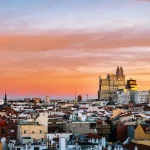
Barcelona‘s tourism pressure hit a new peak in 2025–2026, with the city introducing stricter short-term rental bans and daily visitor caps at the Sagrada Família and Park Güell. Overtourism is real, and first-time visitors often end up queuing with thousands of others at the same five landmarks. El Born — officially part of the Ciutat Vella district, sandwiched between the Gothic Quarter and Barceloneta — is different. It has art, bars, serious restaurants, a medieval market hall, and one of the best small museums in Spain, all packed into a grid of streets where locals still actually live. It is not hidden, but it rewards people who actually walk it.
The neighbourhood earned its reputation as Barcelona’s creative hub in the early 2000s when artists and designers moved into cheap studios along Carrer del Rec and Carrer del Parlament. Rents have risen sharply since, but the independent character held. In 2026, El Born is one of the few places in Barcelona’s old city where you can eat breakfast at a market stall, visit a genuinely world-class collection of Picasso’s early work, have a natural wine at a bar where the owner actually knows your name after two visits, and then find a one-off ceramic piece by a local designer — all within a ten-minute walk of each other.
The Streets Worth Walking: A Neighbourhood Layout
El Born is small enough to cross on foot in twelve minutes, but dense enough to spend a full day in. Understanding its rough geography saves time and shapes your day better than any map app.

The spine of the neighbourhood is Passeig del Born — a wide, tree-lined promenade that runs from the Gothic Santa Maria del Mar church at one end to the iron-and-glass Mercat de Santa Caterina area at the other. This is where you sit outside with a coffee in the morning light, when the stone pavement is still cool and the delivery cyclists are the only movement. At night it fills with people spilling out of bars, and you hear the clink of glasses and the low hum of half a dozen languages at once.
Running parallel and north of Passeig del Born is Carrer del Rec, a narrower street lined with fashion boutiques and concept stores. South of Passeig del Born, streets like Carrer del Parlament and Carrer de l’Esparteria hold some of the neighbourhood’s best wine bars and small restaurants. The eastern boundary is the Parc de la Ciutadella — Barcelona’s main green lung — which gives the neighbourhood an unusually open, breathable eastern edge.
Key orientation points:
- Santa Maria del Mar — the Gothic church at the southwestern corner, your main landmark
- Mercat de Santa Caterina — the wavy-roofed market at the northwestern edge, bordering the Gothic Quarter
- El Born Centre de Cultura i Memòria — the old iron market hall in the centre of the neighbourhood
- Parc de la Ciutadella — the park immediately to the east, five minutes’ walk from Passeig del Born
Culture & History: Churches, Museums & Palaces
El Born punches well above its size in cultural weight. Three sites alone justify making this neighbourhood the base of a Barcelona trip.
Santa Maria del Mar
Built between 1329 and 1383 by the people of the Ribera neighbourhood — fishermen, merchants, dockers — Santa Maria del Mar is the counterpoint to the cathedral in the Gothic Quarter. Where the cathedral is ornate and imposing, this church is austere and breathtaking in its proportions. The nave is wide, the columns are slender, and on a clear morning the light through the rose window falls in long, amber shafts across the stone floor. Entry in 2026 is €10 for general admission; arrive in the first hour after opening (10:00) to avoid the worst of the guided tour groups.

Museu Picasso
The Museu Picasso holds one of the most important collections of Pablo Picasso’s early work in the world, spread across five connected medieval palaces on Carrer de Montcada. The architecture alone is worth the visit — the courtyards with their stone staircases are some of the finest surviving examples of Gothic civil architecture in Catalonia. The permanent collection covers Picasso’s Barcelona years and his remarkable series of reinterpretations of Velázquez’s Las Meninas. In 2026, timed-entry tickets cost €14 for adults and must be booked online in advance during weekends and public holidays. The museum expanded its contemporary exhibition programme in late 2025, adding a rotating gallery on the building’s top floor.
El Born Centre de Cultura i Memòria
This is one of Barcelona’s most unusual spaces. The original iron market hall, built in 1876, was being renovated in 2001 when excavators uncovered the archaeological remains of an entire neighbourhood destroyed during the 1714 siege of Barcelona. The decision was made to leave the ruins exposed and build the cultural centre around them. You walk on elevated glass platforms above the excavated streets and homes. It is genuinely arresting — more so than many formal museums — because the scale of an ordinary neighbourhood suddenly becomes the scale of a historical trauma. Entry to the ruins and permanent exhibition is free; temporary exhibitions have a small charge.

Palau de la Música Catalana
Technically just on the edge of El Born, this UNESCO-listed concert hall designed by Lluís Domènech i Montaner is a riot of stained glass, mosaics and sculpted stone. Guided tours run daily; attending an actual concert here is a completely different experience from the daytime tour. Check the programme at palaumusica.cat — the acoustic quality inside the main auditorium justifies any ticket price.
Where to Eat in El Born: From Market Breakfasts to Late Dinners
The food scene in El Born in 2026 is more interesting than it was five years ago, partly because the wave of natural wine bars that arrived in the early 2020s pulled up the kitchen quality of the bars around them. There is less tolerance here for bad food served to tourists because enough locals still eat here.
Breakfast and Morning Coffee
Mercat de Santa Caterina is the working market that most Barcelona residents actually use (as opposed to La Boqueria, which functions almost entirely as a tourist attraction). The stalls open early, the fruit is excellent, and the small bar inside makes a proper café amb llet. The undulating tiled roof, designed by Enric Miralles, is worth seeing from outside before you go in.
For sit-down breakfast, the stretch of cafés along Passeig del Born between 08:00 and 10:00 belongs mainly to locals — chairs scraping on stone, newspapers, strong espresso. That shifts after 10:30 when the tourist flow picks up.
Lunch
El Born has a concentration of restaurants offering the menú del día — a three-course set lunch with wine typically running €13–€18 — on streets like Carrer dels Flassaders and Carrer de la Vidreria. This is still the single best-value way to eat well in Barcelona in 2026. Look for handwritten chalkboards rather than laminated menus outside: that is a reliable shortcut to finding kitchens that change what they cook based on what came in fresh that morning.

Dinner and Tapas
Dinner in El Born starts later than visitors expect. The kitchen at most restaurants does not get busy until 21:00; showing up at 19:30 marks you immediately as a tourist. Carrer del Parlament and the small streets feeding off it hold a cluster of wine-focused restaurants where the distinction between a wine bar with food and a restaurant with good wine has helpfully collapsed. Expect pintxos, conservas (high-quality tinned seafood), cured meats, and dishes built around seasonal Catalan produce.
Bar-Hopping & Nightlife: How El Born Drinks
El Born is not a nightclub district — that is Raval and the port area. What it does exceptionally well is the long, unhurried bar evening that starts around 20:00 with a vermouth and ends somewhere around 02:00 without ever feeling like you rushed anywhere.
Passeig del Born has the highest concentration of bars and is the social centre of the neighbourhood at night. The cocktail bars here range from decent to genuinely skilled; several have been operating for over fifteen years and have bartenders who treat the craft seriously. By 23:00 on a Friday, the promenade is loud and lively, the smell of cigarette smoke drifting from the outdoor tables, bass lines leaking from open doors.
The natural wine bar scene is centred slightly off the main drag, on streets like Carrer del Parlament and Carrer de les Carasses. These are small, dimly lit, frequently crowded, and the people running them have genuine opinions about what they pour. A glass of something orange or cloudy from an Empordà or Priorat producer costs between €5 and €9. Arrive before 21:30 if you want a seat.

For something that runs later, the bars between Carrer dels Banys Vells and Carrer de la Bòria stay open until 03:00 on weekends. The music tends toward jazz and soul in the earlier hours and shifts toward electronic as the night progresses. There is no dress code in El Born — the neighbourhood’s aesthetic runs to well-worn leather jackets and interesting trainers, not bottle-service formality.
Shopping the Neighbourhood: Independent Shops & Designers
El Born is where Barcelona’s independent retail survived the chain store pressure that erased most of the Gothic Quarter’s small shops over the past decade. The commercial energy here is concentrated on a handful of streets and operates on the assumption that you are looking for something specific and well-made, not cheap and fast.
Carrer del Rec is the main shopping street — a mix of Catalan designers, international concept stores, and independent bookshops. Footwear and leather goods are a particular strength; several small workshops here produce shoes and bags made in Spain, at prices that reflect genuine craft (€150–€400 for quality shoes) rather than fast-fashion markups.
Carrer dels Flassaders and the streets around the old market have a higher concentration of art and design: ceramics, jewellery, print studios, and small galleries. Saturday mornings are the best time to find makers actually present in their studios.
A few specific categories worth seeking out:
- Ceramics: El Born has a notable cluster of ceramic artists working in post-Modernist and functional styles. Pieces range from €20 for a small bowl to €200+ for larger decorative work.
- Printed textiles and paper goods: Several letterpress and print studios operate in the neighbourhood, producing work that travels well and costs less than you might expect.
- Independent bookshops: A handful of shops stock Catalan and Spanish literature, architecture and design books, and art publications not available through mainstream retailers.
- Vintage clothing: The streets around Carrer de la Barra de Ferro have a small but well-curated vintage scene that differs from the bulk second-hand shops in other parts of the city.

2026 Budget Reality: What El Born Costs Now
El Born is not the cheapest part of Barcelona, but it is far from the most expensive. What you spend depends almost entirely on how you eat and drink, and whether you pick up the local habits around timing and format.
Accommodation
- Budget: Hostels and shared-room options near El Born start at €30–€50 per night, though Barcelona’s rental regulations tightened further in 2025 and many budget options are now slightly outside the neighbourhood in the Eixample or Gràcia.
- Mid-range: Boutique hotels and guesthouses within El Born itself typically run €120–€200 per night for a double room in 2026.
- Comfortable: Design hotels and higher-end boutique properties sit at €220–€380 per night.
Food and Drink
- Budget: Breakfast at a market bar €3–€5. Menú del día (lunch) €13–€18 including wine. Beer or vermouth at a local bar €3–€5.
- Mid-range: Dinner at a wine bar or neighbourhood restaurant €30–€50 per person with wine. Cocktails at Passeig del Born bars €10–€14.
- Comfortable: A full dinner at one of El Born’s better restaurants with a bottle of wine €60–€90 per person.
Culture and Attractions
- Museu Picasso: €14 adults, free Sunday afternoons from 15:00
- Santa Maria del Mar: €10 general admission
- El Born Centre de Cultura i Memòria: Free (main ruins and permanent exhibition)
- Palau de la Música Catalana tour: €22 adults
Tourist Tax (2026 Update)
Barcelona raised its tourist tax again in 2025. In 2026, visitors staying in hotels in Ciutat Vella (which includes El Born) pay a combined city and regional surcharge of approximately €6–€8 per person per night depending on hotel category. This is added to your bill at checkout and is separate from the room rate — factor it into your accommodation budget.

Getting To and Around El Born
El Born is one of the easiest neighbourhoods in Barcelona to reach without needing a taxi or car. In fact, arriving by car is actively discouraged by the pedestrianised core and very limited nearby parking.
Metro
The two most useful metro stops are Jaume I (Line 4, yellow) and Arc de Triomf (Line 1, red). Jaume I drops you at the edge of the Gothic Quarter, a five-minute walk to Santa Maria del Mar. Arc de Triomf is on the northern edge of the neighbourhood, closer to El Born Centre de Cultura i Memòria and Parc de la Ciutadella. A single metro ride costs €2.55 in 2026; the T-Casual 10-trip card costs €12.15 and covers all zones within the city.
Walking from Other Neighbourhoods
From the Gothic Quarter, El Born is a ten-minute walk east across Via Laietana. From Barceloneta, it is fifteen minutes north on foot. From the Eixample, allow twenty to twenty-five minutes walking south. These are all genuinely walkable distances for a city built at this scale.
Cycling and Bicing
Barcelona’s Bicing public bike-share system expanded its electric bike fleet in 2025, and several Bicing stations are positioned around El Born. The flat terrain between El Born and Barceloneta or the Gothic Quarter makes cycling practical. Visitor day passes for Bicing are available through the Bicing app; expect to pay around €5 for a day pass with unlimited 30-minute journeys.
From the Airport
The Aerobus from Terminal T1 stops at Passeig de Gràcia, from where El Born is accessible by metro in two stops. The L9 Sud metro line connects directly from T1 and T2 to Torrassa and onward — a transfer at Torrassa or Collblanc onto Line 1 gets you to Arc de Triomf. Total journey time from the airport to El Born by public transport runs 35–50 minutes. A taxi from the airport to El Born costs approximately €35–€45 depending on traffic and time of day.

Frequently Asked Questions
Is El Born safe at night?
El Born is generally safe at night, including late on weekends. The main risk in this area, as throughout Ciutat Vella, is pickpocketing in crowded spots — particularly on Passeig del Born and near the Museu Picasso. Keep bags in front of you and avoid leaving phones on bar tables. The neighbourhood has good foot traffic and street lighting through most of its main streets until the early hours.
How many days should I spend in El Born?
One full day covers the main cultural sites and gives you time for lunch and an evening in the bars. Two days lets you move at a slower pace — spending a morning in Parc de la Ciutadella, revisiting the market, and exploring the shopping streets properly. El Born also works well as a day trip from other Barcelona neighbourhoods if you are based elsewhere in the city.
Is El Born family-friendly?
Yes, with some timing caveats. The Museu Picasso, El Born Centre de Cultura i Memòria, and Parc de la Ciutadella are all suitable for children. The neighbourhood is quieter during the day and in early evening. After 22:00 on weekends, Passeig del Born becomes loud and crowded, which makes it less practical with young children. The park is a reliable option for families who need space and shade during the midday heat.
What is the difference between El Born and the Gothic Quarter?
The Gothic Quarter is immediately west of El Born, across Via Laietana. The Gothic Quarter is older in its visible street plan, more heavily touristed, and has fewer genuine local residents. El Born has a slightly more residential and creative character, better food and bar options for independent travellers, and cultural sites that are less overwhelmed by group tours. The two overlap in atmosphere but El Born generally delivers a less generic experience.

Do I need to speak Catalan or Spanish in El Born?
English is widely spoken in El Born’s bars, restaurants, museums, and shops — more so here than in many other Barcelona neighbourhoods, given the high volume of international visitors and the creative community that has long attracted people from across Europe. That said, a few words of Spanish or Catalan are warmly received. Catalan is the first language of most people who actually live here; gràcies (thank you) and bon dia (good morning) go a long way.
Explore more
Shopping in Barcelona, Spain — Best Markets and Stores
The 12 Best Day Trips From Barcelona (Montserrat, Girona & More!)
Best Places to Eat in Barcelona, Spain — Where to Find Great Food
📷 Featured image by Ansar Naib on Unsplash.