On this page
- The Sierra Nevada Mountains: Alpine Adventure 30 Minutes Away
- Alhama de Granada: Hot Springs and Moorish Ruins
- Antequera: El Torcal’s Limestone Wonderland and Prehistoric Dolmens
- Córdoba: A Full Day in the Former Caliphate Capital
- The White Villages Route: Frigiliana and Nerja Coastal Escape
- Guadix Cave Dwellings: Underground Living Experience
- Jaén and Úbeda: Renaissance Architecture and Olive Oil Country
- Practical Planning: Transport Options and Timing from Granada
- Budget Breakdown: Day Trip Costs in 2026
- Frequently Asked Questions
💰 Click here to see Spain Budget Breakdown
💰 Prices updated: July, 2026. Budget figures are estimates — always verify before travel.
Exchange Rate: $1 USD = €0.88
Daily Budget (per person)
Shoestring: €50.00 – €140.00 ($56.82 – $159.09)
Mid-range: €90.00 – €240.00 ($102.27 – $272.73)
Comfortable: €220.00 – €450.00 ($250.00 – $511.36)
Accommodation (per night)
Hostel/guesthouse: €15.00 – €50.00 ($17.05 – $56.82)
Mid-range hotel: €70.00 – €130.00 ($79.55 – $147.73)
Food (per meal)
Budget meal: €7.00 ($7.95)
Mid-range meal: €25.00 ($28.41)
Upscale meal: €80.00 ($90.91)
Transport
Single metro/bus trip: €3.00 ($3.41)
Monthly transport pass: €23.00 ($26.14)
Granada‘s compact historic center makes it tempting to spend your entire stay wandering the Alhambra and Albaicín neighborhoods, but venture beyond the city limits and Andalusia reveals landscapes that shift from snow-capped peaks to underground cave cities within an hour’s drive. The improved A-92 highway connections completed in 2025 have cut travel times to several destinations, while new regional bus routes launched by ALSA make car-free exploration more viable than ever.
The Sierra Nevada Mountains: Alpine Adventure 30 Minutes Away
Europe’s southernmost ski resort sits just 32 kilometers from Granada’s cathedral, accessible via a winding mountain road that climbs through pine forests and reveals sweeping views across the Mediterranean to Morocco on clear days. The scent of mountain herbs — thyme, rosemary, and wild lavender — drifts through your car windows as you ascend to Pradollano, the main resort village at 2,100 meters elevation.
Winter visitors (December through April) find reliable snow conditions and 124 kilometers of marked pistes, while summer transforms the area into hiking territory. The Veleta peak trail, Spain’s second-highest summit at 3,396 meters, requires serious preparation but offers views stretching from the Atlantic to the Mediterranean. More accessible options include the Laguna de las Yeguas circular walk, a 3-hour loop around a glacial lake surrounded by granite peaks.
The village itself operates year-round, with the Telecabina Al-Andalus cable car running even when ski lifts close. Mountain restaurants serve hearty stews and grilled meats — the cordero segureño (Segureño lamb) raised on high-altitude pastures delivers exceptional flavor. Book restaurants ahead during peak season, as capacity remains limited after several establishments closed permanently during the 2020-2023 tourism disruption.

Alhama de Granada: Hot Springs and Moorish Ruins
Forty kilometers southwest of Granada, Alhama de Granada perches dramatically on a rocky gorge carved by the Alhama River. The town’s name derives from the Arabic “al-hama,” meaning hot baths, referencing the thermal springs that have drawn visitors since Roman times. The mineral-rich waters maintain a constant 47°C temperature, creating steam clouds that rise from the valley floor like ghostly apparitions at dawn.
The historic center retains its Moorish street layout, with narrow cobblestone alleys leading to viewpoints over the Tajos del Alhama gorge. The 16th-century Iglesia de la Encarnación occupies the site of the former main mosque, while sections of the original Arab fortress walls remain visible along the cliff edge. The municipal thermal baths, renovated in 2024, offer modern facilities while preserving the original Roman and Moorish architecture.
Natural hot springs dot the valley below town, accessible via a 20-minute downhill walk through olive groves. The Balneario de Alhama hotel manages the main commercial springs, but several free pools exist along the river. Water temperatures vary from 35-47°C depending on the specific spring, with the hottest sources closest to town.
Local bakeries produce excellent roscos de vino (wine-flavored pastries) and mantecados, while the weekly Thursday market offers regional produce including the famous Granada pomegranates and olive oil from centuries-old groves.
Antequera: El Torcal’s Limestone Wonderland and Prehistoric Dolmens
Antequera, 90 minutes northwest via the A-92, combines two UNESCO World Heritage sites with dramatic limestone formations that appear almost extraterrestrial. The Antequera Dolmens Site preserves three Neolithic burial chambers dating to 3500 BCE, among Europe’s most significant prehistoric monuments. The massive stone slabs of Menga Dolmen weigh up to 180 tons each, arranged with astronomical precision that aligns with La Peña de los Enamorados mountain.

El Torcal Natural Park, 15 kilometers south of town, showcases limestone karst formations sculpted by 150 million years of wind and rain erosion. The rock towers, arches, and twisted pinnacles create an otherworldly landscape where golden eagles nest and Spanish ibex navigate impossible cliff faces. Three marked hiking routes range from 45 minutes (Yellow Route) to 4 hours (Orange Route), with the Green Route offering the best rock formations for photography.
The visitor center, upgraded in 2025 with interactive geological displays, explains how ancient seabed sediments transformed into today’s bizarre sculptures. Morning visits provide the best lighting for photography, while late afternoon creates dramatic shadows between the limestone towers.
Antequera’s historic center merits exploration beyond the dolmens. The Renaissance Colegiata de Santa María overlooks the Vega plain, while the Moorish Alcazaba fortress provides panoramic views toward Málaga. Local specialties include porra antequerana, a thick gazpacho served with hard-boiled eggs and jamón, and molletes, soft bread rolls split and toasted with olive oil.
Córdoba: A Full Day in the Former Caliphate Capital
The AVE high-speed train connection launched in late 2024 reduced Granada-Córdoba travel time to just 2 hours and 15 minutes, making this UNESCO World Heritage city accessible for intensive day visits. The morning departure at 7:43 arrives in Córdoba at 9:58, providing nearly 9 hours before the evening return service.
The Mezquita-Catedral dominates any Córdoba itinerary — 856 horseshoe arches create a hypnotic forest of red and white striped columns, while Christian additions from the 16th century create architectural tension that tells Spain’s complex religious history. Book timed entry tickets online to avoid queues that can exceed 2 hours during peak season.
The adjacent Judería (Jewish Quarter) preserves narrow medieval streets where the sound of fountain water echoes off whitewashed walls. The Sinagoga, one of only three medieval synagogues surviving in Spain, displays intricate Mudéjar plasterwork and Hebrew inscriptions. Nearby, the Casa de Sefarad museum explains the Jewish community’s 800-year presence before their 1492 expulsion.

Cross the Roman bridge for perspective shots of the Mezquita’s tower reflected in the Guadalquivir River. The Torre de la Calahorra museum on the far bank provides historical context about Córdoba’s role as the largest city in medieval Europe, with over 500,000 inhabitants during the 10th century Caliphate period.
For lunch, traditional tabernas like Taberna Salinas (operating since 1879) serve regional specialties including rabo de toro (bull’s tail stew) and salmorejo cordobés, a thick tomato soup garnished with jamón and hard-boiled eggs.
The White Villages Route: Frigiliana and Nerja Coastal Escape
The Costa del Sol’s eastern edge, 90 minutes south of Granada, offers a different Andalusian experience where mountain villages cascade down hillsides toward Mediterranean beaches. Frigiliana, voted Spain’s most beautiful village in 2014, maintains its Moorish character with narrow cobblestone streets and cube-shaped houses adorned with geranium-filled balconies.
The village’s historic quarter tells the story of the 1569 Morisco rebellion through ceramic murals embedded in building walls. The trail of historical tiles guides visitors through events that ended Moorish presence in the region, though Arabic architectural influences persist in street layouts and building styles. The weekly Tuesday market fills Plaza del Ingenio with local crafts, particularly the traditional esparto grass baskets and honey produced in nearby mountains.
Nerja, 6 kilometers downhill, combines beach relaxation with the spectacular Balcón de Europa viewpoint. The palm-lined promenade extends over Mediterranean waters, providing sunset views toward Morocco’s Rif Mountains on exceptionally clear days. The famous Cuevas de Nerja, discovered in 1959, contain stalactite formations and prehistoric cave paintings dating back 42,000 years. The main chamber hosts summer concerts where classical music resonates through cathedral-like acoustic spaces.

Burriana Beach, Nerja’s most popular, offers calm waters protected by rocky outcrops plus numerous chiringuitos (beach bars) serving fresh grilled sardines and paella. The coastal walk between Balcón de Europa and Burriana provides photo opportunities of the village’s distinctive white buildings contrasting against blue Mediterranean waters.
Guadix Cave Dwellings: Underground Living Experience
Europe’s largest cave-dwelling community lies 60 kilometers northeast of Granada, where over 2,000 people still live in homes carved directly into hillsides. The Barrio de las Cuevas (Cave Quarter) has evolved from necessity housing for Granada’s displaced Moorish population into a unique residential area where modern amenities blend with troglodyte architecture.
The cave houses maintain constant 18-20°C temperatures year-round, providing natural insulation that eliminates heating and cooling costs. Traditional caves feature whitewashed facades with colorful doors and windows built into rocky hillsides, while chimneys emerge from hilltops above the underground rooms. The Museo Cueva de Costumbres Populares offers guided tours through a traditional cave home, demonstrating how families organized living spaces carved into clay and sandstone.
Several cave hotels now operate in the area, including Cuevas Pedro Antonio de Alarcón, where guests sleep in modernized grottos with full bathrooms and WiFi. The experience of waking underground while hearing village life overhead creates an unforgettable sensory experience.
Guadix’s above-ground attractions include the massive Cathedral, an unusual blend of Gothic, Renaissance, and Baroque styles begun in 1549. The adjacent Alcazaba fortress preserves 11th-century Moorish walls with views across the cave neighborhoods and surrounding Hoya de Guadix plain.
Local pottery workshops continue centuries-old traditions, producing distinctive red clay ceramics fired in traditional kilns. The weekly Wednesday market features regional products including honey, almonds, and the famous jamón de Trevélez from nearby mountain villages.
Jaén and Úbeda: Renaissance Architecture and Olive Oil Country

The world’s largest olive oil production region begins 90 minutes northeast of Granada, where Renaissance cities rise from endless groves of silver-green olive trees. Úbeda and Baeza, twin UNESCO World Heritage sites, showcase 16th-century architecture that rivals Italy’s finest Renaissance examples.
Úbeda’s Plaza Vázquez de Molina ranks among Spain’s most harmonious architectural spaces, surrounded by Renaissance palaces and the Sacra Capilla del Salvador. The chapel’s interior, designed by Diego de Siloé, features elaborate stone carving and a dramatic altarpiece that demonstrates the wealth generated by olive oil exports during Spain’s Golden Age.
Guided tours of working olive mills operate year-round, with harvest season (October-December) providing the most educational experience. The new Centro de Interpretación del Olivar explains cultivation techniques unchanged since Roman times, while tasting sessions compare different olive oil varieties produced from Picual, Hojiblanca, and Arbequina olives.
Baeza, 9 kilometers from Úbeda, preserves its Renaissance university atmosphere with stone buildings that housed one of Andalusia’s earliest universities. The Cathedral’s Gothic-Mudéjar interior contrasts with its Renaissance facade, while the old university building displays carved stone decorations celebrating learning and scholarship.
Both cities offer exceptional olive oil purchases directly from producers. Prices range from €8-25 per liter for premium extra virgin varieties, significantly below tourist area prices. Many producers offer shipping to European addresses, making gifts for home feasible.
Practical Planning: Transport Options and Timing from Granada
Granada’s position in central Andalusia provides excellent access to diverse day trip destinations, with improved infrastructure since 2024 expanding options for car-free travel. The renovated Estación de Autobuses operates modern ALSA coaches to major destinations, while the new Cercanías Granada regional train network connects mountain villages previously accessible only by car.
Car rentals from Granada start around €25 per day for economy models, with automatic transmission adding €8-12 daily. Major companies (Avis, Hertz, Europcar) maintain offices at Federico García Lorca Airport and downtown locations. Book ahead during Easter Week and summer months when demand peaks. GPS navigation works reliably throughout Andalusia, though mountain roads to Sierra Nevada occasionally experience signal gaps.

Timing considerations vary by destination. Sierra Nevada requires full days during ski season but half-days suffice for summer cable car visits. Córdoba demands early departure to maximize time before evening train returns. Coastal destinations work best during shoulder seasons when August heat doesn’t overwhelm sightseeing. Weather impacts several destinations significantly — Sierra Nevada roads close during snowstorms, while summer temperatures above 40°C make inland destinations challenging between July-August.
Budget Breakdown: Day Trip Costs in 2026
Day trip expenses from Granada vary significantly based on destinations and transport choices, with car rental generally providing better value for groups while public transport suits solo travelers and couples.
Budget Range (€25-45 per person):
Local destinations like Alhama de Granada via ALSA bus (€6 return) plus thermal bath entry (€15) and lunch at local restaurants (€18-25). Guadix cave tours cost €8 per person, with bus transport €12 return. Sierra Nevada cable car reaches €32 including transport, making mountain access surprisingly affordable.
Mid-Range (€50-85 per person):
Córdoba via AVE train (€45 return) plus Mezquita entry (€13) and restaurant lunch (€25-35). Car rental day trips to Antequera including fuel and El Torcal parking fees total €65-75 for two people sharing. Nerja-Frigiliana by rental car with beach lunch and cave entry costs €70-80 per person for couples.
Comfortable Range (€90-150 per person):
Guided day tours to multiple white villages with transport and meals included average €120-140. Private Sierra Nevada transfers with mountain restaurant dining reach €150. Luxury experiences like private olive oil mill tours near Úbeda with tastings and gourmet lunch cost €135-160 per person.

Additional costs include parking fees (€3-8 daily in city centers), highway tolls (€2-6 per journey), and optional audio guides (€5-8). Museum passes and combination tickets rarely provide savings for single-day visits, making individual entry fees more economical.
Group discounts apply for parties of 6+ at most attractions, while seniors (65+) and students receive reduced rates at major sites. Some destinations offer free entry on specific days — Antequera Dolmens free on Sunday afternoons for EU residents.
Frequently Asked Questions
Can you visit the Alhambra and take a day trip from Granada on the same day?
Not recommended. The Alhambra requires 4-5 hours minimum for a proper visit, making same-day combinations with distant destinations like Córdoba impossible. Focus on nearby options like Alhama de Granada or Sierra Nevada if combining with Alhambra visits.
Which day trips work best without a rental car?
Córdoba (AVE train), Guadix (regional bus), and Alhama de Granada (ALSA bus) offer reliable public transport connections. Sierra Nevada has shuttle buses during ski season. Coastal destinations and small villages require cars for practical access and flexible scheduling.
What’s the best time of year for Granada day trips?
April-May and September-October provide ideal weather for most destinations. Summer heat makes inland trips challenging, while winter limits mountain access. Spring offers mild temperatures and fewer crowds, though some mountain roads may still have snow restrictions.
How far in advance should I book day trip transport?
Book AVE trains to Córdoba 7-10 days ahead, especially for weekend travel. Car rentals need 3-5 days advance booking during peak season. Regular bus services rarely require advance booking except during Easter Week and August holidays.
Are guided day tours worth the extra cost compared to independent travel?
Guided tours excel for complex itineraries like multiple white villages or historical context at archaeological sites. Independent travel offers flexibility and cost savings for straightforward destinations. Consider guided options for first-time visitors to maximize limited time efficiently.
Explore more
Best Places to Eat in Granada, Spain — Where to Find Great Food
Best Neighborhoods in Granada, Spain — Area-by-Area Guide
Shopping in Granada, Spain — Best Markets and Stores
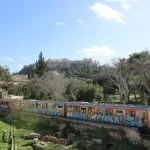
📷 Featured image by Petr Slováček on Unsplash.