On this page
- Why Murcia Deserves Your Attention in 2026
- Getting to Murcia: Your Transport Options from Major Spanish Cities
- The Capital City: Murcia’s Baroque Splendor and Modern Energy
- Coastal Treasures: The Costa Cálida Beach Experience
- Cartagena: Ancient History Meets Naval Tradition
- The Food Scene: From Paparajotes to Caldero
- Planning Your Murcia Adventure
- Budget Breakdown: What to Expect in 2026
- Frequently Asked Questions
💰 Click here to see Spain Budget Breakdown
💰 Prices updated: July, 2026. Budget figures are estimates — always verify before travel.
Exchange Rate: $1 USD = €0.88
Daily Budget (per person)
Shoestring: €50.00 – €140.00 ($56.82 – $159.09)
Mid-range: €90.00 – €240.00 ($102.27 – $272.73)
Comfortable: €220.00 – €450.00 ($250.00 – $511.36)
Accommodation (per night)
Hostel/guesthouse: €15.00 – €50.00 ($17.05 – $56.82)
Mid-range hotel: €70.00 – €130.00 ($79.55 – $147.73)
Food (per meal)
Budget meal: €7.00 ($7.95)
Mid-range meal: €25.00 ($28.41)
Upscale meal: €80.00 ($90.91)
Transport
Single metro/bus trip: €3.00 ($3.41)
Monthly transport pass: €23.00 ($26.14)
While travelers flock to Valencia and Andalusia, Spain‘s Murcia region quietly basks in 315 days of annual sunshine just an hour south of Alicante. In 2026, this southeastern gem remains refreshingly free from overtourism, offering authentic Spanish experiences at prices that won’t break the bank. The region’s unique position—bridging Andalusia and Valencia—has created a distinct culture where Moorish influences blend with Mediterranean coastal living.
Why Murcia Deserves Your Attention in 2026
Murcia punches above its weight in ways most visitors never expect. This autonomous community encompasses dramatic contrasts: from the fertile huerta (market gardens) that supply half of Europe’s vegetables to the pristine beaches of the Costa Cálida, where the Mediterranean averages 19°C even in winter.
The region’s capital, also called Murcia, surprises with its stunning cathedral and vibrant tapas scene, while the port city of Cartagena reveals 3,000 years of continuous habitation through remarkably preserved Roman theaters and Modernist architecture. Unlike Spain’s busier regions, you can still stumble upon local festivals where visitors are welcomed like family rather than tourists.
What sets Murcia apart is its agricultural heritage combined with a 250-kilometer coastline. The scent of orange blossoms drifts through medieval streets in spring, while fishing boats still land their daily catch in traditional ports like Águilas and Mazarrón. This isn’t a region putting on a show—it’s simply living its authentic life.
Getting to Murcia: Your Transport Options from Major Spanish Cities
Murcia’s improved connectivity in 2026 makes it more accessible than ever. The Region of Murcia International Airport (Corvera) serves budget airlines including Ryanair and easyJet, with direct flights from London, Brussels, and other European capitals. The airport sits 15 minutes from the coast and 45 minutes from Murcia city via bus (€3) or taxi (€35-40).
From Madrid, the most comfortable option is the daily Alvia train service, which covers the 420 kilometers in 4 hours 15 minutes for €25-60 depending on booking time. The route showcases Spain’s diverse landscapes, from the Castilian plains to Mediterranean agricultural valleys.

Valencia offers the quickest road connection—just 2 hours 30 minutes via the A-7 autopista. The ALSA bus service runs hourly between Valencia and Murcia (€15-20), while car rental provides flexibility for exploring the region’s scattered treasures.
From Seville or Granada, expect a 4-5 hour drive through some of Andalusia’s most striking scenery. The cross-country ALSA bus routes take 6-7 hours but cost only €25-35.
The Capital City: Murcia’s Baroque Splendor and Modern Energy
Murcia city centers around one of Spain’s most spectacular cathedral facades, a baroque masterpiece that took 300 years to complete. The contrast between its ornate stonework and the palm trees lining Plaza del Cardenal Belluga creates a uniquely Spanish scene that feels both grand and intimate.
The pedestrianized old town invites leisurely exploration, particularly along Calle Trapería, where locals conduct their evening paseo past traditional pastelerías selling meat pies and Moorish-influenced sweets. The sound of fountains echoes through quiet squares where outdoor cafés serve the region’s signature coffee with leche merengada (cinnamon-infused milk).
Don’t miss the Real Casino de Murcia, a 19th-century gentleman’s club now open for tours. Its Patio Árabe features intricate plasterwork inspired by Granada’s Alhambra, while the ballroom’s ceiling rivals anything in European palaces. The contrast with the modern Salzillo Museum next door—housing Spain’s finest collection of religious sculpture—exemplifies Murcia’s ability to honor tradition while embracing contemporary culture.
For a taste of local life, visit the Mercado de Verónicas early morning when vendors arrange pyramids of tomatoes, peppers, and artichokes from the surrounding huerta. The market’s 1930s architecture creates a cathedral-like space where the scents of fresh herbs mingle with calls of “¡Buenos días!” from stallholders who remember regular customers’ preferences.

Coastal Treasures: The Costa Cálida Beach Experience
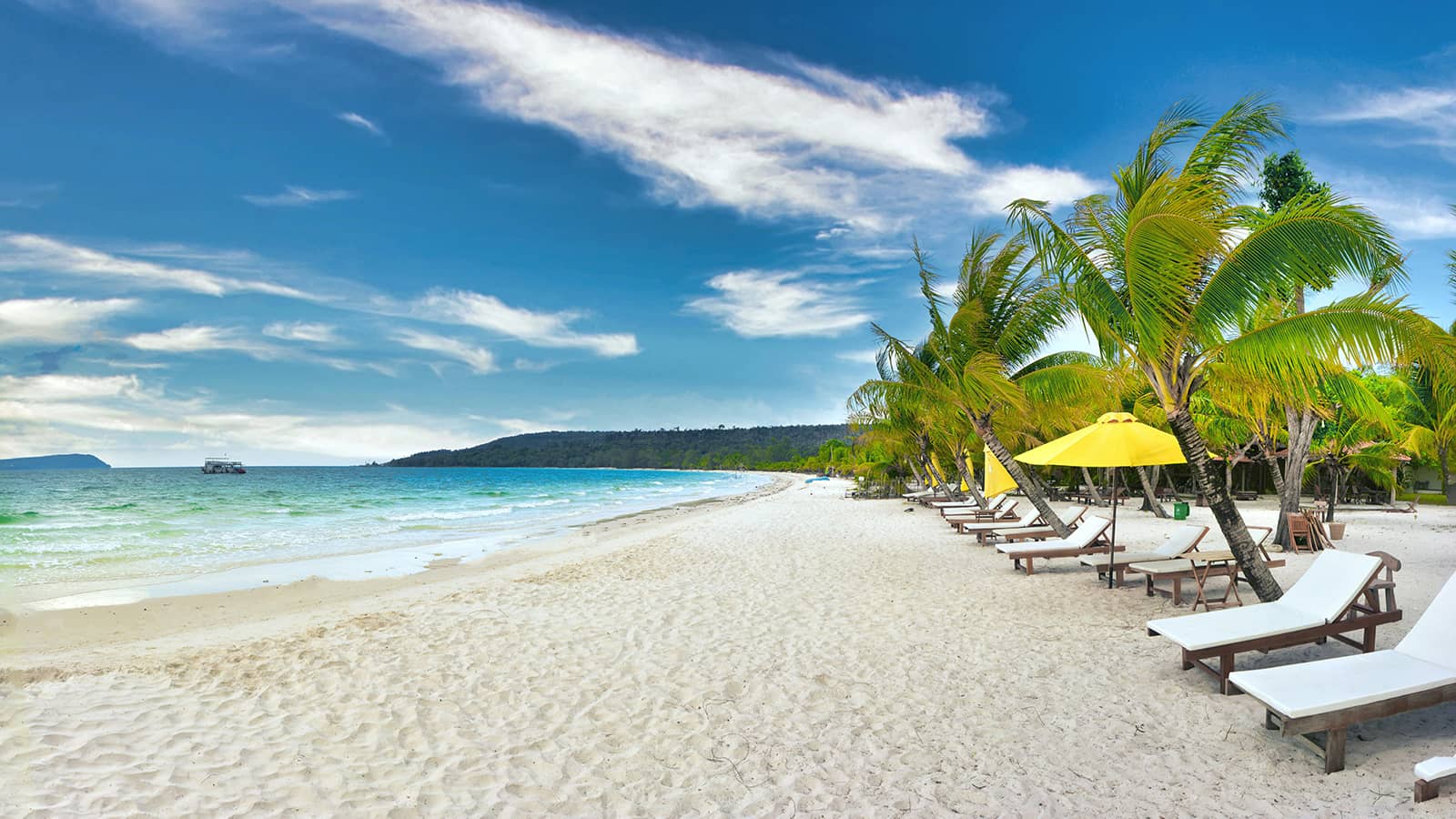
The Costa Cálida (Warm Coast) lives up to its name with sea temperatures reaching 26°C in summer and rarely dropping below 15°C in winter. This 250-kilometer coastline offers everything from family-friendly resorts to pristine nature reserves where flamingos nest in salt lagoons.
La Manga del Mar Menor represents the region’s unique geography—a 21-kilometer sand spit separating the Mediterranean from Europe’s largest saltwater lagoon. The Mar Menor’s shallow waters warm quickly and stay calm, making it perfect for stand-up paddleboarding and sailing. The contrast is striking: step from the lagoon’s warm, still waters to the Mediterranean’s waves in less than 200 meters.
For unspoiled beauty, head to Calblanque Regional Park near Cartagena. Golden sand dunes back virgin beaches where the only sounds are waves and occasional bird calls. The park’s trails wind through landscapes that shift from Mediterranean scrubland to salt flats, where the pink glow of flamingos creates magical photo opportunities at sunset.
Águilas, in the region’s southwest, offers the most authentic fishing village experience. Its morning fish auction in the harbor pavilion draws local restaurant owners bidding on red mullet and sea bream. The town’s four beaches each have distinct characters—from the family-friendly Playa de la Colonia to the secluded Cala de la Herradura, reached by a scenic 15-minute walk through pine groves.
Cartagena: Ancient History Meets Naval Tradition
Cartagena reveals its 2,300-year history in layers. The Roman Theater, discovered accidentally during 1980s construction work, now anchors a museum route that tells the story of Qart Hadasht (New Carthage) through remarkably preserved mosaics and marble columns.
The city’s strategic harbor attracted Romans, Moors, and modern Spanish naval forces. Today’s cityscape reflects this military heritage: 18th-century fortifications crown surrounding hills while the Peral Submarine, built by local inventor Isaac Peral in 1888, sits proudly in the Naval Museum. Walking along the harbor promenade, you’ll hear the distinctive whistle of naval ceremonies echoing from the nearby base.
Cartagena’s Modernist architecture surprises visitors expecting only ancient ruins. The Casa Cervantes and Gran Hotel feature art nouveau facades rivaling those in Barcelona’s Eixample, built during the city’s mining boom in the early 1900s. Plaza de San Francisco showcases this architectural heritage, where morning coffee tastes better surrounded by ornate balconies and decorative stonework.
The weekly market in Plaza de María Auxiliadora brings together naval families, local farmers, and visitors browsing stalls selling everything from Caravaca crosses (the region’s religious symbol) to honey from the surrounding hills. The atmosphere captures Cartagena’s essence—a working port city proud of its past but focused on the present.
The Food Scene: From Paparajotes to Caldero
Murcia’s cuisine reflects its geography: dishes from the fertile interior valleys meet coastal specialties in a blend unknown elsewhere in Spain. The region’s signature dish, caldero, originated when fishermen cooked rice with their catch in large iron pots. Today’s restaurant versions use bomba rice, local fish, and the essential sofrito base that turns the rice golden.
Paparajotes represent Murcia’s Moorish heritage—lemon leaves dipped in batter and fried, then dusted with sugar and cinnamon. The leaves aren’t eaten but impart a subtle citrus flavor to the crispy coating. You’ll find them in traditional pastelerías throughout the region, best enjoyed with café solo on lazy afternoons.
The huerta supplies restaurants with vegetables that taste like vegetables should. Zarangollo—scrambled eggs with zucchini and onions—sounds simple but achieves perfection through impeccable ingredients. Michirones, a hearty stew of broad beans with chorizo and ham, sustained agricultural workers through long harvest days and remains comfort food par excellence.
For seafood, seek out restaurants in fishing villages like Mazarrón or Lo Pagán, where daily catches include dorada (sea bream), lubina (sea bass), and the prized langostinos from the Mar Menor. These prawns develop their distinctive sweet flavor in the lagoon’s warm, salty waters—when prepared simply with garlic and olive oil, they rival any Mediterranean seafood.
Wine production in the Jumilla and Yecla regions has transformed dramatically over the past decade. Monastrell grapes, perfectly suited to the hot, dry climate, produce full-bodied reds that increasingly appear on international wine lists. Local bodegas offer tastings where you can sample wines while overlooking vineyards that stretch to distant mountains.
Planning Your Murcia Adventure
The decision depends largely on your base and interests. From Alicante or Valencia, Murcia city works well as a day trip—trains return until late evening, and you can cover the cathedral, old town, and main museums in 6-7 hours with a proper lunch break.
However, staying overnight unlocks the region’s true character. Evening tapas routes in Murcia city reveal a different side of Spanish socializing, while sunrise or sunset visits to coastal areas like Calblanque provide photography opportunities impossible on day trips.
For beach lovers, the Costa Cálida deserves at least two nights. This allows time to experience different coastal environments—perhaps La Manga’s resort atmosphere one day and the wild beauty of Mazarrón’s coves the next. The region’s dispersed attractions make car rental worthwhile for stays longer than a weekend.
Cartagena merits its own overnight stay if you’re interested in history and architecture. The city’s compact size means you can walk between Roman ruins, modernist buildings, and waterfront restaurants, but evening hours provide the best light for photography and the most atmospheric dining experiences.
Consider timing your visit around local festivals for deeper cultural immersion. The Spring Festival in Murcia city (first week after Easter) features incredible papier-mâché sculptures and street parties. Cartagena’s Romans and Carthaginians festival in September recreates ancient battles with remarkable authenticity.
Budget Breakdown: What to Expect in 2026
Murcia remains one of Spain’s most affordable regions for travelers, with prices significantly lower than Barcelona or the Balearic Islands. These ranges reflect 2026 pricing:
Accommodation:
- Budget hostels/guesthouses: €25-40 per night
- Mid-range hotels: €60-90 per night
- Comfortable 4-star properties: €120-180 per night
- Luxury coastal resorts: €200-350 per night
Food:
- Breakfast (café con leche + pastry): €3-5
- Lunch menú del día: €12-18
- Dinner at good local restaurant: €25-40 per person
- Tapas and drinks for two: €20-30
- Upscale dining experience: €50-80 per person
Activities:
- Museum entries: €3-8
- Roman Theater Museum (Cartagena): €6
- Beach parking (summer): €3-6 per day
- Local bus rides: €1.30-2
- Day trip to Calblanque (car rental): €40-50 total
A comfortable long weekend for two people typically costs €300-450 including accommodation, meals, transport, and activities—roughly 30% less than equivalent experiences in Spain’s major tourist destinations.
Frequently Asked Questions
When is the best time to visit Murcia?
April-June and September-October offer ideal conditions with temperatures 20-28°C and minimal rainfall. July-August can reach 38°C inland but coastal breezes provide relief.
Do I need a car to explore Murcia effectively?
Not essential for Murcia city or Cartagena, both walkable with good public transport. However, a car unlocks remote beaches, mountain villages, and flexible winery visits.
Is English widely spoken in the Murcia region?
Less than in major tourist areas. Basic Spanish helps significantly, though coastal resort staff and museum guides typically speak some English.
What’s unique about Murcia’s beaches compared to other Spanish coasts?
The Mar Menor lagoon offers uniquely warm, calm waters perfect for families, while nearby Mediterranean beaches provide traditional surf and sand experiences.
How does Murcia’s food scene differ from the rest of Spain?
Murcia blends Andalusian, Valencian, and Moorish influences with exceptional local produce. Dishes like caldero and paparajotes are found nowhere else in Spain.
📷 Featured image by Pedro Correia on Unsplash.