On this page
- Planning Your White Villages Route: Essential Considerations for 2026
- The Classic Eastern Circuit: Arcos to Olvera
- The Western Mountain Loop: Grazalema to Zahara
- Ronda: The Crown Jewel and Perfect Base
- Driving Essentials: Roads, Parking, and Navigation Tips
- Where to Sleep Along the Route
- Culinary Highlights of the White Villages
- Timing Your Adventure
- Budget Breakdown: What to Expect in 2026
- Frequently Asked Questions
💰 Click here to see Spain Budget Breakdown
💰 Prices updated: July, 2026. Budget figures are estimates — always verify before travel.
Exchange Rate: $1 USD = €0.88
Daily Budget (per person)
Shoestring: €50.00 – €140.00 ($56.82 – $159.09)
Mid-range: €90.00 – €240.00 ($102.27 – $272.73)
Comfortable: €220.00 – €450.00 ($250.00 – $511.36)
Accommodation (per night)
Hostel/guesthouse: €15.00 – €50.00 ($17.05 – $56.82)
Mid-range hotel: €70.00 – €130.00 ($79.55 – $147.73)
Food (per meal)
Budget meal: €7.00 ($7.95)
Mid-range meal: €25.00 ($28.41)
Upscale meal: €80.00 ($90.91)
Transport
Single metro/bus trip: €3.00 ($3.41)
Monthly transport pass: €23.00 ($26.14)
The winding mountain roads connecting Andalusia’s pueblos blancos have become increasingly congested as international visitors discover these pristine white villages in 2026. Smart travellers now plan their routes carefully, avoiding peak hours and choosing lesser-known Gems alongside the famous stops to experience the authentic charm that made these villages legendary.
Planning Your White Villages Route: Essential Considerations for 2026
The pueblos blancos stretch across the provinces of Cádiz and Málaga, forming a rough triangle between Jerez de la Frontera, Ronda, and Antequera. Two main circuits have emerged as the most rewarding: the eastern route through dramatic gorge country, and the western loop through the Sierra de Grazalema Natural Park.
Start your planning by choosing a base. Arcos de la Frontera works perfectly for the eastern circuit, while Ronda serves as the ideal headquarters for exploring both regions. The western villages require more driving time between stops, but reward you with stunning mountain scenery and fewer crowds.
Book accommodation well in advance for spring and autumn visits. Many villages have limited lodging options, and the boutique hotels in restored palaces fill quickly. Summer brings intense heat that makes midday driving uncomfortable, while winter can bring unexpected rain that transforms the mountain roads into challenging drives.
The Classic Eastern Circuit: Arcos to Olvera
Begin in Arcos de la Frontera, dramatically perched on a limestone cliff above the Guadalete River. The morning light illuminates the white houses cascading down the rock face while church bells echo across the valley below. Park near the Parador hotel and walk through the old quarter, where narrow cobblestone streets reveal hidden plazas and 15th-century palaces.
Drive 30 minutes northeast to Bornos, often overlooked by tour groups rushing to more famous destinations. The Renaissance castle here houses an excellent museum, and the artificial lake creates a surprisingly green landscape. Continue to Villamartín for lunch at one of the traditional taverns serving game stew and local wines.
Setenil de las Bodegas deserves a full afternoon. This extraordinary village grows directly into the rock face, with houses built under massive stone overhangs. The shade created by these natural caves kept residents cool before air conditioning, and today the bars carved into the cliffs serve ice-cold beer while you listen to the sound of the Guadalporcún River flowing beneath your feet.
End the day in Olvera, where the massive church tower and Moorish castle dominate the surrounding olive groves. Climb to the castle at sunset for panoramic views across the countryside, then descend to the village for dinner at one of the family-run restaurants specialising in olive oil-based cuisine.
The Western Mountain Loop: Grazalema to Zahara
The Sierra de Grazalema Natural Park receives the highest rainfall in Andalusia, creating lush landscapes that contrast sharply with the arid plains below. Grazalema village sits in a green valley surrounded by limestone peaks, famous for its traditional wool blankets and hiking trails.
The drive from Grazalema to Zahara de la Sierra ranks among Spain’s most spectacular mountain roads. The 20-kilometre route climbs through cork oak forests and offers sweeping views of the artificial lake below Zahara. Stop at the Puerto de las Palomas pass for photos, but avoid this route in heavy rain or strong winds.
Zahara de la Sierra clings to a rocky outcrop above a turquoise reservoir. The Moorish castle ruins provide a dramatic backdrop for the whitewashed houses below. Park near the lake and take the short but steep walk up to the village centre, where local women still whitewash their houses weekly using traditional lime paint.
Ubrique, hidden in a narrow valley, produces some of Spain’s finest leather goods. The factories here supply luxury brands worldwide, and you can tour workshops where craftsmen hand-stitch handbags and wallets using techniques passed down through generations. The smell of tanned leather fills the narrow streets, mixed with the aroma of jasmine from the countless flower pots decorating the houses.
Ronda: The Crown Jewel and Perfect Base
Ronda serves as the natural conclusion to any pueblos blancos route. The dramatic gorge dividing the old and new towns creates one of Spain’s most photographed views, but the city offers far more than scenic overlooks. Ernest Hemingway wrote parts of “For Whom the Bell Tolls” here, inspired by the bullring that hosted the first formal bullfights in the 18th century.
Base yourself in Ronda to explore both the eastern and western village circuits. The city’s excellent restaurants and comfortable hotels make it perfect for unwinding after long drives through mountain villages. Book a table at Tragata for modern Andalusian cuisine, or visit Bodega San Francisco for traditional tapas in a century-old wine cellar.
Ronda’s position also allows easy access to Setenil de las Bodegas (20 minutes), Grazalema (45 minutes), and the coastal resort of Marbella (60 minutes via the dramatic mountain highway). The new AVE high-speed rail connection to Madrid, completed in 2025, has made Ronda more accessible while preserving its authentic character.
Hidden Gems Near Ronda
Montejaque and Benaoján, tiny villages between Ronda and Grazalema, offer authentic experiences without tourist crowds. Montejaque’s single restaurant serves excellent venison and wild boar, while Benaoján provides access to the Cueva de la Pileta, containing prehistoric paintings older than those at Altamira.
Driving Essentials: Roads, Parking, and Navigation Tips
Rent the smallest car available for pueblos blancos driving. Many village streets were designed for donkeys, not automobiles. A compact car handles the tight turns and narrow passages much better than a standard sedan or SUV.
The A-372 highway connects most eastern villages efficiently, but the real magic happens on the smaller A-2300 series roads that wind through the mountains. These routes take longer but reward patient drivers with stunning scenery and glimpses of rural life unchanged for decades.
Parking requires strategy in every village. Arrive early morning or late afternoon when day-trippers have departed. Most villages provide free parking areas outside the historic centres, marked with blue ‘P’ signs. Never attempt to drive into the old quarters unless your hotel specifically provides access.
Fuel stations become scarce between villages. Fill your tank in larger towns like Arcos de la Frontera or Ronda before venturing into the mountains. Carry water, especially in summer when temperatures can exceed 40°C and air conditioning works overtime on the climbing roads.
Where to Sleep Along the Route
Parador de Arcos de la Frontera occupies a stunning clifftop position in a restored palace. The terrace restaurant offers spectacular valley views while you dine on regional specialities. Rooms start at €180 per night in 2026, including breakfast.
For budget travellers, family-run hostales in smaller villages provide authentic experiences at reasonable prices. Casa Rural Los Tadeos in Zahara de la Sierra charges €65 per night for rooms with mountain views and traditional Andalusian décor.
Ronda offers the widest accommodation choice, from luxury hotels like Hotel Maestre (€140-200 per night) to backpacker-friendly hostels starting at €25 per bed. Book directly with properties to avoid booking platform fees, which have increased significantly in 2026.
Unique Stays
Consider the cave houses in Setenil de las Bodegas for a truly unique experience. Several properties rent rooms carved directly into the rock face, providing natural air conditioning and fascinating acoustics. Casa Cueva Candil offers modern amenities while preserving the original stone architecture.
Culinary Highlights of the White Villages
Each village specialises in different local products. Grazalema produces excellent cheese from local goats, while Zahara excels at honey from hives positioned throughout the Sierra de Grazalema. Ubrique offers superb lamb raised on mountain pastures, and Setenil serves river trout caught in the local streams.
Olive oil dominates the cuisine throughout the region. Family farms around Olvera produce award-winning extra virgin oils with intense, peppery flavours. Many villages hold olive oil tastings during harvest season (October-December), where producers explain the differences between varieties and pressing techniques.
Traditional sweets reflect Moorish influences. Pestiños (honey-soaked pastries) appear during religious festivals, while mantecados (crumbly shortbread cookies) are enjoyed year-round. The convents in Arcos de la Frontera still sell homemade sweets through rotating wooden windows, following traditions dating to the 16th century.
Local wines deserve attention despite limited production. The Montilla-Moriles region produces excellent sherry-style wines, while experimental vintners in the mountains create unique blends using indigenous grape varieties. Visit Bodegas Alvear for traditional sherries, or seek out newer producers experimenting with natural winemaking techniques.
Timing Your Adventure
Day trips work well for visitors based in Seville, Jerez, or Málaga who want to experience 2-3 villages. The eastern circuit suits day-trippers better due to shorter driving distances and good highway connections. Allow 8-10 hours for a day trip including Arcos, Setenil, and Olvera.
Extended journeys of 3-5 days allow deeper exploration and relaxed driving. You can stay overnight in different villages, experience local festivals, and take hiking trails that day-trippers miss. The western circuit particularly benefits from slower pacing due to challenging mountain roads and scattered village locations.
Spring (April-May) and autumn (September-October) provide ideal conditions with comfortable temperatures and blooming wildflowers. Summer visits work best for early morning or evening driving, while winter can bring unexpected beauty when snow dusts the mountain peaks.
Festival Timing
Plan around local festivals for authentic cultural experiences. Corpus Christi in June transforms village streets with flower petal carpets, while harvest festivals in autumn feature traditional music and local food specialities. Check village websites for specific dates, as celebrations vary yearly.
Budget Breakdown: What to Expect in 2026
Car rental costs have stabilised after post-pandemic increases. Budget companies charge €25-35 per day for compact cars, while premium brands cost €50-70 daily. Include comprehensive insurance for mountain driving, adding €15-20 per day to rental costs.
Fuel prices average €1.45 per litre in 2026. Budget €40-60 for fuel during a 3-day circuit, depending on your route and vehicle efficiency. Tolls remain minimal on secondary roads connecting the villages.
Daily Budget Ranges:
- Budget: €60-80 per person (hostal accommodation, simple meals, self-driving)
- Mid-range: €120-150 per person (boutique hotels, restaurant dining, guided activities)
- Comfortable: €200-300 per person (luxury accommodation, fine dining, private tours)
Restaurant meals range from €12-18 for traditional menú del día lunches to €35-50 per person for dinner at upscale establishments. Village bars serve excellent tapas for €2-4 per dish, perfect for budget-conscious travellers.
Attraction entrance fees remain modest. Most castle ruins charge €2-3 admission, while museums cost €3-5. Many churches request small donations (€1-2) for maintenance rather than fixed entrance fees.
Frequently Asked Questions
Do I need a 4WD vehicle for the pueblos blancos?
No, any standard car handles the paved roads connecting all major villages. Choose compact cars for easier navigation through narrow village streets and limited parking spaces.
How many villages can I visit in one day?
Three to four villages maximum for a relaxed pace with time for exploration. Rushing between more villages means missing the authentic atmosphere that makes these places special.
Are the mountain roads dangerous?
The roads are well-maintained but winding with steep drops. Drive slowly, use turnouts to let faster traffic pass, and avoid driving in heavy rain or strong winds.
Can I visit the white villages by public transport?
Limited bus services connect some villages to larger towns, but schedules don’t allow efficient multi-village visits. Rental cars or organised tours work much better for comprehensive exploration.
What’s the best base for exploring multiple circuits?
Ronda offers the most central location with excellent accommodation and restaurant choices. From Ronda, you can reach both eastern and western village circuits within 45 minutes’ drive.
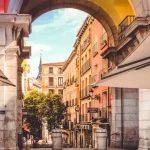
📷 Featured image by Enrique Jiménez on Unsplash.