On this page
- Mallorca: The All-Rounder Beyond Beach Resorts
- Menorca: UNESCO Biosphere Reserve and Pristine Coastlines
- Formentera: Car-Free Paradise and Crystal Waters
- Island-Hopping Logistics: Ferries, Flights, and 2026 Updates
- Where to Eat: Balearic Cuisine Beyond Tourist Traps
- Budget Breakdown: 2026 Costs Across the Islands
- Day Trip or Overnight? Planning Your Island Strategy
- Frequently Asked Questions
💰 Click here to see Spain Budget Breakdown
💰 Prices updated: October, 2026. Budget figures are estimates — always verify before travel.
Exchange Rate: $1 USD = €0.88
Daily Budget (per person)
Shoestring: €60.00 – €90.00 ($68.18 – $102.27)
Mid-range: €120.00 – €180.00 ($136.36 – $204.55)
Comfortable: €220.00 – €470.00 ($250.00 – $534.09)
Accommodation (per night)
Hostel/guesthouse: €15.00 – €50.00 ($17.05 – $56.82)
Mid-range hotel: €70.00 – €130.00 ($79.55 – $147.73)
Food (per meal)
Budget meal: €7.00 ($7.95)
Mid-range meal: €25.00 ($28.41)
Upscale meal: €80.00 ($90.91)
Transport
Single metro/bus trip: €3.00 ($3.41)
Monthly transport pass: €24.00 ($27.27)
While Ibiza dominates headlines with its legendary nightlife, Spain‘s other Balearic Islands offer equally compelling experiences without the crowds and chaos. In 2026, improved ferry connections and new flight routes have made island-hopping more accessible than ever, revealing Mallorca’s dramatic mountains, Menorca’s untouched coves, and Formentera’s car-free tranquility to travelers seeking authentic Mediterranean experiences.
Mallorca: The All-Rounder Beyond Beach Resorts
Mallorca shed its package holiday reputation years ago, but 2026 finds the island perfectly balanced between accessibility and sophistication. The Tramuntana Mountains, a UNESCO World Heritage site, offer hiking trails that wind through ancient olive groves where the sound of sheep bells echoes across terraced hillsides.
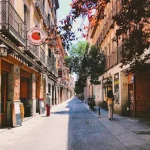
Palma’s old town centers around the stunning Gothic cathedral, La Seu, whose interior glows amber in the late afternoon light. The surrounding streets hide galleries, wine bars, and boutiques that feel genuinely local rather than tourist-focused. The Mercado del Olivar buzzes with vendors selling local sobrassada sausage and Mahón cheese from neighboring Menorca.
Beyond Palma, the western coast reveals dramatic villages like Deià, where narrow stone houses cling to cliffsides overlooking the Mediterranean. Robert Graves once called this area home, and walking the coastal path from Deià to Sóller, you understand why. The route passes through pine forests and offers glimpses of hidden coves accessible only on foot.
The new Palma-Manacor train line, completed in 2025, now connects the capital to the island’s eastern pearl farms and traditional windmills. This expansion makes day trips to explore Mallorca’s interior villages significantly easier without renting a car.
Menorca: UNESCO Biosphere Reserve and Pristine Coastlines
Menorca operates on island time, where development restrictions have preserved landscapes that feel untouched since the Bronze Age. The island’s 216 kilometres of coastline include more beaches than Mallorca and Ibiza combined, many accessible only by walking coastal paths that wind through wild rosemary and juniper.

Maó, the capital, perches above one of the Mediterranean’s largest natural harbors. British colonial architecture from the 18th century creates an unexpectedly English feel, complete with sash windows and Georgian doorways. The morning fish market fills Plaça del Claustre del Carme with the day’s catch, where vendors arrange sea bream and red mullet on ice while seagulls circle overhead.
The island’s prehistoric monuments, called talayots, dot the landscape like ancient sentinels. Naveta des Tudons, a 3,000-year-old burial chamber, stands perfectly preserved in a field of wild grasses. These archaeological sites connect visitors to civilizations that thrived here before Romans arrived.
Menorca’s beaches divide between the wilder north coast, where Cala Pregonda’s reddish sand contrasts sharply with turquoise water, and the more sheltered southern bays like Cala Turqueta, where pine trees provide natural shade for afternoon siestas.
The island’s gin tradition, inherited from British rule, continues in distilleries like Xoriguer in Maó. Tasting sessions reveal how local herbs create distinctly Mediterranean flavors that differ completely from London Dry varieties.
Formentera: Car-Free Paradise and Crystal Waters
Formentera remains the Balearics’ best-kept secret, accessible only by ferry from Ibiza yet worlds apart in atmosphere. No airport means no package tourists, and strict development controls have preserved an island where bicycles outnumber cars and the pace never exceeds a gentle pedal.
Platja de Ses Illetes consistently ranks among Europe’s finest beaches, where white sand meets water so clear you can count individual fish swimming twenty meters from shore. The beach extends into Espalmador, a small island accessible by wading through ankle-deep water during low tide.

La Savina, the only port, connects to Sant Francesc Xavier via a dedicated bike path that passes salt flats where flamingos gather in spring. The island measures just 19 kilometres end to end, making cycling the preferred transportation method. Electric bike rentals, introduced widely in 2025, now make exploring Formentera’s gentle hills accessible to all fitness levels.
Formentera’s interior reveals a different character entirely. Ancient Roman roads, still partially visible, cross farmland where locals grow figs and almonds using methods unchanged for centuries. The island’s famous sea salt, harvested since Phoenician times, flavors dishes at restaurants that source ingredients exclusively from the island.
Evening brings Formentera’s most magical moments. Es Vedra, the mysterious rock formation visible from Ibiza, appears to glow purple against orange sunsets viewed from the island’s western beaches, while the only sounds are gentle waves and wind through pine trees.
Island-Hopping Logistics: Ferries, Flights, and 2026 Updates
The Balearic island ferry network expanded significantly in 2026, with new high-speed catamaran services reducing travel times between islands. Baleària and Trasmediterránea now offer year-round connections, though summer requires advance booking as locals and tourists alike take advantage of improved schedules.
Mallorca serves as the natural hub, with Palma airport receiving direct flights from most European cities. From there, 30-minute flights on Air Nostrum connect to Menorca, while ferries to Ibiza take 2.5 hours. The Palma-Ibiza ferry route now includes overnight services with sleeping cabins, making multi-island trips more comfortable.
Reaching Formentera requires the additional ferry step from Ibiza, but 2026 brought increased frequency during peak season. Fast ferries complete the 35-minute journey every 30 minutes from May through October, with standard ferries maintaining hourly service year-round.
Inter-island ferry passes, introduced in 2025, allow unlimited travel between all four islands for 7, 14, or 30-day periods. These passes include bike transport, essential for exploring Formentera and Menorca’s more remote areas.

Rental cars on Mallorca and Menorca require advance booking during summer, while Formentera’s limited vehicle access means most visitors rely on bicycles or scooters. Electric vehicle charging stations, installed across all islands in 2025, now support the growing number of electric rental options.
Where to Eat: Balearic Cuisine Beyond Tourist Traps
Balearic cuisine reflects centuries of cultural mixing, where Catalan, Arabic, and Italian influences create dishes found nowhere else in Spain. Each island developed specialties based on local ingredients and historical connections.
Mallorca’s sobrassada, a spreadable chorizo made with local paprika, appears on every menu but reaches perfection at traditional bakeries like Forn des Teatre in Palma, where bakers spread it on coca bread still warm from wood-fired ovens. Tumbet, Mallorca’s vegetable stew, transforms simple ingredients—eggplant, potatoes, peppers—into comfort food that locals eat year-round.
Menorca’s culinary identity centers on Mahón cheese, aged in natural caves that give it distinctive flavor. Sa Cooperativa in Alaior offers tastings where the sharp, nutty taste pairs perfectly with local honey. Caldereta de langosta, Menorca’s lobster stew, appears on menus across the island but reaches its peak at waterfront restaurants in Fornells, where fishing boats deliver lobsters directly to kitchen doors.
Formentera’s restaurants focus intensely on fresh fish and locally grown vegetables. Can Carlos in Sant Francesc Xavier sources everything within five kilometres, creating menus that change based on daily catches and seasonal harvests. The island’s sea salt enhances even simple grilled fish into memorable meals.
Wine production across the Balearics has exploded since 2020, with new vineyards taking advantage of unique microclimates. Mallorca’s Vi de la Terra designation now includes over 70 wineries, while Menorca’s handful of producers create distinctive wines using native grape varieties that disappeared elsewhere centuries ago.
Budget Breakdown: 2026 Costs Across the Islands
Balearic Island costs vary significantly by season and location, with August commanding premium prices while spring and autumn offer excellent value. Here’s what to expect in 2026:
Accommodation (per night):
- Budget hostels/guesthouses: €25-45
- Mid-range hotels: €80-150
- Comfortable boutique properties: €200-400
Transportation:
- Inter-island ferry: €25-60 depending on route and season
- 7-day island-hopping pass: €120
- Bike rental (Formentera): €12-15 per day
- Car rental (Mallorca/Menorca): €25-40 per day
Dining:
- Casual lunch: €12-18
- Traditional restaurant dinner: €25-35
- High-end dining experience: €60-90
- Local market snacks: €3-6
Formentera commands the highest prices due to limited supply and exclusive atmosphere. Menorca offers the best value, especially outside peak season, while Mallorca’s costs depend heavily on location—Palma and resort areas cost more than mountain villages.
Budget travelers can explore all islands comfortably on €60-80 per day by choosing guesthouses, eating at local markets, and cycling instead of renting cars. Mid-range budgets of €120-150 per day allow comfortable hotels and restaurant meals, while €250+ per day provides luxury experiences across all islands.
Day Trip or Overnight? Planning Your Island Strategy
Each Balearic island rewards different visit lengths, depending on your interests and travel style. Understanding these rhythms helps maximize your time while avoiding rushed experiences.
Mallorca requires at least three nights to experience both Palma’s urban sophistication and the island’s natural diversity. Day trips work only if you’re staying in Palma and focusing exclusively on the city, but the island’s mountains, traditional villages, and remote beaches need overnight stays to explore properly. A week allows comfortable exploration of distinct regions without constant packing and unpacking.
Menorca’s relaxed pace suits longer stays, though determined visitors can sample the island’s highlights in two nights. The archaeological sites, pristine beaches, and traditional towns each deserve unhurried exploration. Day trips from Mallorca are theoretically possible but waste valuable time on transportation.
Formentera works perfectly as either a long day trip from Ibiza or a 2-3 night retreat. The island’s small size means you can cycle everywhere in a single day, but staying overnight reveals Formentera’s true character when day-trippers depart. Sunset dinners and early morning beach walks justify the extra accommodation cost.
Island-hopping works best with a minimum week, spending 2-3 nights on each island. This allows settling into each location’s rhythm while leaving time for ferry connections. Two weeks enables deeper exploration, including hiking Mallorca’s mountains, discovering Menorca’s hidden coves, and truly unwinding on Formentera’s beaches.
Consider seasonal timing carefully. Summer brings perfect weather but crowds and high prices. Spring (April-May) and autumn (September-October) offer warm temperatures, lower costs, and availability at popular restaurants that book weeks ahead during peak season.
Frequently Asked Questions
Do I need a rental car to explore the Balearic Islands?
Cars are helpful on Mallorca and Menorca for reaching remote beaches and mountain villages, but public transport covers main towns. Formentera bans most rental cars; bicycles are the preferred transport. Consider your mobility needs and planned activities when deciding.
Which Balearic island is best for families with young children?
Mallorca offers the best family infrastructure with sandy beaches, water parks, and family-friendly resorts. Menorca provides calmer beaches and nature activities. Formentera’s car-free environment appeals to families with older children who can cycle independently.
When is the best time to visit the Balearic Islands?
May-June and September-October provide warm weather, fewer crowds, and moderate prices. July-August brings peak temperatures and prices but guarantees sunny days. Winter offers mild weather perfect for hiking but many restaurants and attractions close.
Can I island-hop without speaking Spanish?
English is widely spoken in tourist areas, hotels, and restaurants across all islands. Learning basic Spanish phrases helps in local markets and traditional villages, but language barriers rarely prevent enjoyable experiences throughout the Balearics.
Are the Balearic Islands expensive compared to mainland Spain?
Island prices exceed mainland costs due to transportation expenses for goods and limited space. Expect 20-30% higher prices than similar mainland destinations, with Formentera being most expensive and Menorca offering relatively better value among the islands.