On this page
- Málaga Centro Histórico — Cathedral Quarter and Museum Mile
- Soho — Contemporary Art District South of Alameda
- La Malagueta — Beach Access and Seafront Promenade
- El Perchel — Local Markets and Authentic Tapas Culture
- Pedregalejo — Former Fishing Village with Bohemian Character
- Teatinos — University District and Modern Amenities
- Huelin — Industrial Heritage Meets Gentrification
- Carretera de Cádiz — Upscale Residential and Shopping
- Where to Stay by Neighborhood
- Getting Around Málaga’s Neighborhoods
- Frequently Asked Questions
Málaga‘s rapid transformation since 2020 has created distinct neighborhood personalities that didn’t exist even five years ago. The city’s €2 billion urban renewal program, completed in 2025, has fundamentally reshaped how locals and visitors experience different areas. Understanding these neighborhoods helps you choose where to base yourself and what each district genuinely offers beyond the tourist brochures.
Málaga Centro Histórico — Cathedral Quarter and Museum Mile
The historic center pulses with the energy of cathedral bells echoing across cobblestone squares every hour. This compact area between Plaza de la Constitución and the Roman Theatre contains Málaga’s cultural heavyweight attractions within a 15-minute walk.
Calle Larios remains the backbone, a pedestrian-only marble street that connects the port to Plaza de la Constitución. The surrounding maze of narrow streets houses the Picasso Museum, Carmen Thyssen Museum, and the imposing cathedral locals call “La Manquita” (the one-armed lady) due to its unfinished second tower.
The character here shifts dramatically between day and night. Mornings bring elderly locals to traditional coffee shops like Casa Aranda, famous for churros since 1932. By evening, the same streets fill with young professionals and tourists heading to rooftop bars like La Terraza de la Alcazaba, which opened in 2024 with panoramic views over the Roman ruins.
Calle Granada and surrounding streets offer the densest concentration of traditional tapas bars. Bodegas El Pimpi, housed in an 18th-century building, draws crowds for sweet Málaga wine served in clay cups. The walls display signatures from celebrities dating back decades.
The neighborhood struggles with overtourism during cruise ship days when 3,000+ passengers disembark simultaneously. Calle Larios becomes uncomfortably crowded between 11 AM and 4 PM on these days, typically Tuesdays and Fridays in summer.

Soho — Contemporary Art District South of Alameda
Soho’s transformation began in earnest in 2021 when the Contemporary Art Centre (CAC) anchored a deliberate effort to create an arts quarter. The neighborhood stretches from Alameda Principal south to the Guadalmedina River, previously an overlooked area of blank walls and empty lots.
Massive murals now cover entire building facades along Calle Tomás Heredia and Plaza de la Jeringa. International street artists like Obey Giant and D*Face contributed works during the annual MAUS festival, which takes place each September. Walking these streets feels like touring an open-air gallery.
The dining scene reflects the artistic atmosphere. Restaurants like Kaleja serve modern Andalusian cuisine in industrial-chic spaces with exposed brick and hanging plants. The wine bar La Deriva specializes in natural wines from small Spanish producers, paired with creative small plates.
The sounds of jazz spill from clubs like ZZ Jazz Club most evenings, mixing with the clink of glasses from outdoor terraces along Calle Casas de Campos. This street has become the unofficial nightlife spine of Soho, lined with cocktail bars and late-night eateries.
Soho attracts a creative crowd — graphic designers, photographers, and digital nomads working from laptops in the numerous specialty coffee shops. Café Central serves single-origin beans and provides reliable WiFi, making it a popular remote work spot.
La Malagueta — Beach Access and Seafront Promenade
La Malagueta offers the rare combination of urban amenities and beach access within walking distance of the historic center. The neighborhood centers around the bullring (still active during the August feria) and extends east along the sandy coastline.
Playa de la Malagueta provides the closest beach to downtown, a 1.2-kilometer stretch of dark sand backed by chiringuitos (beach bars) and palm trees. The beach gets crowded on summer weekends but remains surprisingly manageable on weekday mornings even in July and August.

The promenade (Paseo Marítimo Pablo Ruiz Picasso) connects La Malagueta to beaches further east. Early morning brings joggers and dog walkers, while evenings see families strolling and couples sharing drinks at beachfront terraces. The smell of grilled sardines from traditional espetos fills the air most evenings.
Housing consists mainly of 1970s apartment blocks, many renovated in recent years with modern interiors behind classic facades. Properties here command premium prices due to sea views and central location. A two-bedroom apartment with beach views typically rents for €1,200-1,800 per month.
The neighborhood offers excellent public transport connections via bus lines 3 and 11, which run every 10 minutes during daytime hours. The suburban train (Cercanías) also stops at Centro Alameda, a 5-minute walk from the beach.
El Perchel — Local Markets and Authentic Tapas Culture
El Perchel remains refreshingly local despite sitting adjacent to the historic center. This working-class neighborhood north of the train station houses the Mercado de Huelin, Málaga’s largest food market, and streets lined with family-run tabernas unchanged for decades.
The area centers around Plaza de Toros Vieja, the old bullring converted into a shopping center, and Plaza del Perchel with its weekly Saturday market. Local residents shop for produce at family stalls that have operated from the same spots for generations.
Traditional bars like Bar Pepe serve simple tapas — boquerones en vinagre (pickled anchovies), jamón ibérico, and local cheese — at prices locals can afford. A glass of beer with tapa costs €2-3, roughly half what you’ll pay in the historic center. The atmosphere remains authentically Malagueño rather than tourist-oriented.
Calle Peregrino and Calle Trinidad house the highest concentration of traditional establishments. Casa El Chato, operating since 1967, specializes in fried fish and serves some of the city’s best pescaíto frito (mixed fried fish).

The neighborhood is experiencing gradual gentrification as young locals priced out of the center discover its authentic character and reasonable rents. New cafés and wine bars are opening alongside traditional establishments, creating an interesting cultural mix.
Pedregalejo — Former Fishing Village with Bohemian Character
Pedregalejo, 4 kilometers east of downtown, retains the laid-back atmosphere of the fishing village it once was. Narrow streets lined with low whitewashed houses lead to a long sandy beach famous for chiringuitos serving traditional espetos (sardine skewers grilled over wood fires).
The beach extends for 2 kilometers, significantly less crowded than central beaches and popular with families and locals. Traditional fishing boats still launch from the sand each morning, though tourism now drives the local economy more than fishing.
Restaurants along the beachfront specialize in seafood, particularly El Tintero, where waiters call out daily catches and diners raise their hands to claim dishes as they pass by tables. The controlled chaos and excellent fish create a uniquely Spanish dining experience.
The residential streets inland from the beach house a mix of longtime locals and newcomers drawn by the village atmosphere. Many properties are traditional single-family homes with small gardens, rare in central Málaga. Artists, writers, and other creative professionals have established a small bohemian community here.
Bus line 11 connects Pedregalejo to the city center in 20 minutes, running every 15 minutes during peak hours. The suburban train also stops at Pedregalejo station, offering quick connections to downtown and the airport.
Teatinos — University District and Modern Amenities
Teatinos, built largely since 2000, centers around the University of Málaga campus and Plaza Mayor shopping center. This modern neighborhood attracts students, young families, and professionals seeking contemporary amenities and reliable infrastructure.

Wide boulevards, parking availability, and new construction define the area’s character. Architecture consists mainly of apartment blocks built to current standards with elevators, air conditioning, and underground parking — amenities often missing in older neighborhoods.
The university brings energy and youth to local bars and cafés. Students frequent affordable restaurants around Campus de Teatinos, while the nearby shopping center provides international chain stores and multiplex cinema.
Metro line 1 terminates at Universidad, providing direct connections to the city center in 25 minutes. The area also offers easy access to the airport and highway connections to other Costa del Sol destinations.
Rental prices remain moderate compared to central areas. A modern two-bedroom apartment typically costs €800-1,200 per month, attracting young professionals who prioritize modern amenities over historic character.
Student Life and Nightlife
The university population of 35,000 students creates a vibrant nightlife scene distinct from tourist-oriented venues downtown. Bars like Pub Dublín and La Cochera offer cheap drinks and stay open until 3 AM on weekends.
Thursday nights see the highest concentration of student activity, with many bars offering special promotions. The atmosphere is relaxed and international, with exchange students from across Europe mixing with local Malagueños.
Huelin — Industrial Heritage Meets Gentrification
Huelin, west of the city center, is experiencing rapid transformation from industrial neighborhood to trendy residential area. Former warehouses and factories are being converted into loft apartments, art studios, and creative spaces.
The neighborhood retains working-class character alongside new developments. Traditional bars serving construction workers share streets with specialty coffee shops and contemporary restaurants. This cultural collision creates an authentic atmosphere missing in more sanitized areas.
Property prices remain among the city’s most affordable, attracting young locals, artists, and investors recognizing the area’s potential. A two-bedroom apartment in a renovated building costs €600-1,000 per month, significantly less than comparable space in the center.

The coastal location provides beach access at Playa de Huelin, a quiet stretch of sand popular with surfers and locals seeking to avoid tourist crowds. The promenade connects to central beaches via a pleasant 20-minute walk.
Public transport includes bus lines connecting to the center and nearby train stations. The area’s main drawback is limited nightlife and dining options compared to more established neighborhoods.
Carretera de Cádiz — Upscale Residential and Shopping
The Carretera de Cádiz corridor, extending west from the city center, represents Málaga’s most affluent residential area. High-end shopping centers, international restaurants, and luxury apartment complexes line this major thoroughfare leading to Marbella.
El Corte Inglés anchors the shopping district, surrounded by designer boutiques and department stores. The nearby Vialia shopping center, built into the converted María Zambrano train station, houses international brands and gourmet food courts.
Residential areas feature modern apartment towers and gated communities with pools and security. Many residents are international professionals, retirees, and affluent Spanish families attracted by proximity to private international schools.
Restaurants reflect the international population, offering Italian, Asian, and contemporary cuisine alongside traditional Spanish establishments. Prices are notably higher than in other neighborhoods, with dinner for two typically costing €60-100 at mid-range restaurants.
The high-speed train station provides connections to Madrid (2.5 hours) and other major Spanish cities. The airport lies 15 minutes away by car or train, making this area popular with frequent travelers.
Where to Stay by Neighborhood
Your choice of neighborhood significantly impacts your Málaga experience. Each area serves different travel styles and priorities.
Historic Center — Best for First-Time Visitors
Ideal for: Museum visits, walking to major attractions, traditional atmosphere

Budget hotels (€40-70): Pension Robledo, Hotel Sur
Mid-range options (€70-120): Hotel Mariposa, Salles Hotel Málaga Centro
Luxury stays (€150-300): Hotel Palacio Solecio, Gran Hotel Miramar
Soho — Perfect for Art and Culture Enthusiasts
Ideal for: Contemporary culture, trendy dining, nightlife
Budget accommodations: Youth hostels and Airbnb apartments dominate
Boutique hotels (€90-150): Only YOU Hotel Málaga, Apartamentos Soho
La Malagueta — Beach Access with City Convenience
Ideal for: Beach lovers wanting urban amenities
Beachfront hotels (€80-200): Hotel Mariposa, Parador de Málaga Gibralfaro
Apartment rentals: Many options with sea views, €70-150/night
Getting Around Málaga’s Neighborhoods
Málaga’s compact size makes neighborhood hopping straightforward using public transport, walking, or cycling. The city’s transport improvements completed in 2025 have significantly improved connectivity.
Metro System
Two metro lines serve key neighborhoods. Line 1 runs from the historic center to Universidad (Teatinos), with stops at Alameda Principal and El Perchel. Line 2 connects the airport to the city center, stopping at several residential areas along the way.
Single journeys cost €1.35, or €8.30 for a 10-trip card valid across metro, buses, and suburban trains. The metro runs from 6:30 AM to 11:30 PM (12:30 AM on Fridays and Saturdays).
Bus Network
EMT buses connect all neighborhoods with frequent service. Key routes include:
- Line 3: Historic center to La Malagueta beach (every 8 minutes)
- Line 11: Center to Pedregalejo (every 15 minutes)
- Line 1: Serves Huelin and western neighborhoods
- Lines 16/17: Connect Carretera de Cádiz shopping areas
Bus stops display real-time arrival information via digital screens installed citywide in 2024. Night bus service operates until 2 AM on weekends.
Walking and Cycling
The historic center, Soho, and La Malagueta form a walkable triangle connected by pedestrian-friendly streets. The beachfront promenade provides a scenic route between La Malagueta and eastern neighborhoods like Pedregalejo.
Málaga’s bike-sharing system, MálagaBici, offers 150 stations throughout the city. Annual subscriptions cost €30, or €2 for 24-hour access. Dedicated bike lanes connect major neighborhoods, though some areas still lack proper cycling infrastructure.

Taxis and Ride-Sharing
Taxis remain reasonably priced for short trips between neighborhoods. The fare from the historic center to Pedregalejo runs €12-15 depending on traffic. Uber and Cabify operate in Málaga with similar pricing to traditional taxis.
2026 Budget Guide
Daily Transport Costs:
- Budget approach: Walking + occasional bus = €2-4/day
- Moderate use: Metro/bus combination = €5-8/day
- Frequent travel: Taxis for convenience = €15-25/day
Neighborhood Dining Costs:
- El Perchel/Huelin: Traditional tapas €2-4, meal €12-18
- Historic Center: Tourist areas €4-7 tapas, meal €18-30
- Carretera de Cádiz: International cuisine €25-45/person
- Pedregalejo: Beach seafood €20-35/person
Frequently Asked Questions
Which Málaga neighborhood is best for first-time visitors?
The Historic Center offers the most attractions within walking distance and represents classic Málaga character. You’ll pay more for accommodation and meals, but gain convenience and authentic atmosphere with easy access to museums, cathedral, and traditional tapas bars.
Is La Malagueta safe for solo travelers at night?
La Malagueta is very safe, with good street lighting and regular police presence along the beachfront promenade. The area sees steady foot traffic from restaurants and bars until late evening, creating natural security through visibility.
How far is Pedregalejo from downtown Málaga?
Pedregalejo sits 4 kilometers east of the historic center. Bus line 11 makes the journey in 20 minutes, running every 15 minutes during peak hours. The suburban train (Cercanías) also connects Pedregalejo station to downtown in 12 minutes.
Which neighborhoods offer the best value for accommodation?
Huelin and El Perchel provide the best value, with authentic local character and prices 30-40% lower than central areas. Both neighborhoods offer good transport connections and increasingly diverse dining options as they undergo gradual gentrification.
Can you walk between different Málaga neighborhoods easily?
The central neighborhoods (Historic Center, Soho, La Malagueta) connect easily on foot within 15-20 minutes. Eastern areas like Pedregalejo and western zones like Huelin require public transport or longer walks (45+ minutes) but offer pleasant routes along the coast or river.
Explore more
Best Places to Eat in Málaga, Spain — Where to Find Great Food
Shopping in Málaga, Spain — Best Markets and Stores
Best Day Trips from Malaga: Explore Andalucia’s Must-See Destinations
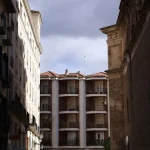
📷 Featured image by Christian Hergesell on Unsplash.