On this page
- A Culinary Capital Finding Balance in 2026
- Neighborhoods Worth Your Time
- Must-See Sights and Experiences
- Where to Eat and Drink
- Getting Around the City
- Day Trips from San Sebastián
- After Dark Entertainment
- Shopping Districts and Markets
- Where to Stay by Budget
- When to Visit
- Essential Travel Tips
- Daily Budget Breakdown
- Frequently Asked Questions
💰 Click here to see Spain Budget Breakdown
💰 Prices updated: May 2026. Budget figures are estimates — always verify before travel.
Exchange Rate: $1 USD = €0.86
Daily Budget (per person)
Shoestring: €50.00 – €140.00 ($58.14 – $162.79)
Mid-range: €90.00 – €240.00 ($104.65 – $279.07)
Comfortable: €220.00 – €450.00 ($255.81 – $523.26)
Accommodation (per night)
Hostel/guesthouse: €15.00 – €50.00 ($17.44 – $58.14)
Mid-range hotel: €70.00 – €130.00 ($81.40 – $151.16)
Food (per meal)
Budget meal: €7.00 ($8.14)
Mid-range meal: €25.00 ($29.07)
Upscale meal: €80.00 ($93.02)
Transport
Single metro/bus trip: €2.90 ($3.37)
Monthly transport pass: €22.80 ($26.51)
San Sebastián faces a pleasant problem in 2026: too much success. This Basque coastal gem has transformed from Spain’s best-kept secret into a global foodie destination, drawing crowds that sometimes strain its intimate charm. The challenge for smart travelers is timing visits around peak restaurant bookings and summer beach crowds while still experiencing the pintxos culture that made this city famous.
A Culinary Capital Finding Balance in 2026
San Sebastián earns its reputation as Europe’s most concentrated fine dining destination. With more Michelin stars per capita than Paris, this compact city of 186,000 residents has redefined Spanish cuisine. The transformation accelerated after the 2016 European Capital of Culture designation, and by 2026, the city balances international acclaim with fierce protection of its Basque identity.
La Concha Bay curves like a perfect crescent moon, framed by Monte Urgull and Monte Igueldo. The beach stretches 1.3 kilometers of golden sand, consistently ranking among Europe’s best urban beaches. The Parte Vieja (Old Town) pulses with energy as locals and visitors flow between pintxos bars, following an evening ritual unchanged for generations.
What sets San Sebastián apart from Barcelona or Madrid is scale. You can walk across the entire city center in 20 minutes, yet discover three-star Michelin restaurants, innovative pintxos bars, and traditional sidrerías within the same few blocks. The Kursaal Convention Center’s glass cubes reflect contemporary ambitions, while the Belle Époque architecture speaks to the city’s 19th-century reinvention as a royal resort.
The morning fish market at La Bretxa brings the ocean’s bounty directly to restaurant kitchens. Local txakoli wine flows freely, its slight effervescence cutting through rich Basque dishes. Surf culture thrives alongside haute cuisine—visitors often spot chefs checking waves before their evening service.

Neighborhoods Worth Your Time
San Sebastián divides into distinct quarters, each serving different traveler needs and budgets. The compact layout means you can easily explore multiple areas in a single day.
Parte Vieja (Old Town)
The beating heart of San Sebastián packs maximum atmosphere into narrow medieval streets. Plaza de la Constitución anchors the neighborhood, its numbered balconies once serving as box seats for bullfights held in the square. Today, pintxos bars line every street, creating Europe’s densest concentration of quality eating and drinking establishments.
Stay here for maximum immersion in Basque culture. The constant hum of conversation spills from bars onto cobblestone streets. Church bells from the Basilica of Santa María mark the hours, while the sound of txistularis (traditional flute players) echoes during festivals. Accommodation options lean heavily toward boutique hotels and apartment rentals, with limited chain properties.
Centro (Romantic Area)
Built in the 19th century after fires destroyed much of the old city, Centro showcases elegant Belle Époque architecture. Wide boulevards like Avenida de la Libertad house luxury boutiques, while the Kursaal cube towers provide a modern architectural counterpoint. The neighborhood feels more European cosmopolitan than distinctly Basque.
Choose Centro for upscale shopping, theater performances, and easy beach access without Old Town intensity. Hotels here offer more space and modern amenities, appealing to business travelers and families seeking comfort over character.
Gros
Across the Urumea River, Gros has evolved from working-class district to hip neighborhood. Zurriola Beach draws surfers year-round, while the Kursaal Convention Center hosts major cultural events. Local bars serve younger crowds, and restaurants offer more experimental cuisine alongside traditional options.
Perfect for travelers seeking a local vibe without tourist crowds. Gros offers excellent value accommodation and easy access to both the beach and city center via quick walks or bike rides.

Antiguo
This residential area extends toward Monte Igueldo, offering spectacular bay views from elevated positions. Traditional Basque architecture dominates, with family-run restaurants serving neighborhood regulars. The pace slows considerably compared to central areas.
Ideal for visitors wanting authentic local life and quieter accommodations. The neighborhood requires more walking or public transport to reach main attractions, but rewards with lower prices and genuine Basque residential atmosphere.
Must-See Sights and Experiences
San Sebastián’s attractions blend natural beauty, cultural heritage, and culinary innovation. Most major sights cluster within walking distance, though the city’s elevated viewpoints require some effort to reach.
La Concha Bay and Beach
Europe’s most celebrated urban beach stretches in a perfect arc between Monte Urgull and Monte Igueldo. The promenade, rebuilt in 2024 with improved accessibility features, offers level walking from end to end. Beach culture here differs from Mediterranean resorts—locals use the beach year-round for jogging, surfing, and socializing, not just summer sunbathing.
Early morning brings joggers and dog walkers, while afternoons see families and tourists claiming prime spots. The water stays relatively cool even in summer, but the protected bay creates calmer conditions than Atlantic coastlines. Beach bars serve pintxos and local cider, extending the city’s food culture onto the sand.
Monte Urgull
This historic hill rises directly from the Old Town, crowned by the Castillo de la Mota fortress and a statue of Christ overlooking the bay. Well-maintained paths wind through forests to reach multiple viewpoints. The climb takes 30-45 minutes depending on your chosen route.
From the summit, the entire bay spreads below, with France visible on clear days. The fortress houses a small military museum, though the real attraction is the panoramic perspective of the city’s geography. Sunset timing draws crowds, so arrive early for the best photo opportunities.

Monte Igueldo
The funicular railway, operating since 1912, climbs to an amusement park perched above the western end of the bay. The vintage rides feel charmingly retro, while the observation deck provides the city’s best panoramic views. The funicular operates daily except during winter maintenance periods.
Beyond the amusement park, hiking trails continue higher up the mountain through pine forests. Local families treat this as their neighborhood playground, creating a genuine community atmosphere alongside tourist visitors.
Aquarium
Located at the base of Monte Urgull, the aquarium showcases Bay of Biscay marine life alongside tropical species. The oceanarium tunnel allows 360-degree viewing of sharks, rays, and large pelagic fish. Recent renovations in 2025 added interactive exhibits explaining Basque maritime culture and sustainable fishing practices.
Educational programs connect marine biology with local fishing traditions, making this more than just fish viewing. The gift shop stocks quality maritime-themed items rather than generic tourist souvenirs.
Basilica of Santa María del Coro
This baroque church dominates the Old Town skyline with its distinctive façade facing Mount Urgull. Built in the 18th century, the basilica showcases elaborate stone carving and houses important religious art. Free entry allows visitors to appreciate the craftsmanship and peaceful interior atmosphere.
The church remains active in local religious life, so visit respectfully during services. The surrounding plaza provides a quiet respite from bustling pintxos streets just steps away.
Where to Eat and Drink
San Sebastián’s food scene operates on multiple levels simultaneously. Michelin-starred restaurants attract global attention, while neighborhood bars serve locals who’ve been ordering the same pintxos for decades. Understanding where locals eat versus tourist-focused establishments makes the difference between good meals and transcendent experiences.

Pintxos Bar Districts
Calle 31 de Agosto forms the main pintxos highway through the Old Town. Bar Nestor serves the city’s most famous tortilla española, available only at 1 PM and 8 PM—arrive early or expect to wait. La Cuchara de San Telmo revolutionized pintxos with warm, sophisticated small plates that blur lines between bar food and fine dining.
Calle Fermín Calbetón runs parallel, housing established favorites like Bar Txepetxa (anchovy specialists) and Gandarias (traditional Basque preparations). These streets get crowded after 7 PM, so early evening exploration offers better service and conversation opportunities with bartenders.
Venture beyond the main drags to discover gems like Bar Antonio on Calle Bergara, where locals gather for perfectly prepared classics without tourist markup. The bartender remembers regular customers’ preferences and shares stories about neighborhood history.
Gros Neighborhood Eating
Across the river, Gros offers more experimental cuisine and relaxed atmospheres. Bodega Donostiarra serves natural wines alongside creative pintxos in a converted warehouse space. The neighborhood’s proximity to Zurriola Beach creates a surf-influenced dining culture, with several establishments catering to international tastes while maintaining Basque foundations.
Calle Zabaleta houses family-run restaurants serving neighborhood regulars generous portions at reasonable prices. These establishments rarely appear in guidebooks but offer authentic experiences of how local families eat when they’re not pintxos hopping.
Market Dining
La Bretxa Market occupies a modern building on the former market square site. The ground floor houses fresh food vendors, while the upper level contains restaurant stalls serving market-fresh ingredients. Peak activity occurs between 9 AM and 2 PM, when chefs select ingredients for evening service.
Several vendors offer prepared foods for immediate consumption. The atmosphere feels authentically local rather than tourist-focused, with vendors happy to explain unfamiliar Basque ingredients and preparation methods.
Traditional Sidrerías

Apple cider houses (sidrerías) represent rural Basque tradition transplanted to the city. Sagaretxe in Astigarraga, just outside San Sebastián, serves the full ritual: standing at tall barrels, catching cider streams directly in glasses, and eating simple but perfect meals of chorizo, cod omelet, and txuleta (thick grilled steaks).
The ritual matters as much as the food. Cider flows continuously from ancient barrels, and diners move freely around the large communal space. Reservations are essential during cider season (January through April), when locals celebrate the new harvest.
Getting Around the City
San Sebastián’s compact size makes walking the primary transportation mode for most visitors. The city center measures roughly 2 kilometers from east to west, with most attractions concentrated within an even smaller area. However, several transportation options serve different needs and destinations.
Walking
The flat coastal area and well-maintained pedestrian infrastructure make walking pleasant and practical. The promenade along La Concha Bay provides level, scenic routes between major areas. Street signage appears in both Basque and Spanish, though tourist areas also include English directions.
Allow 15 minutes to walk from the Old Town to Gros neighborhood, 10 minutes from the beach to the train station, and 20 minutes from one end of the bay to the other. Hills around Monte Urgull and Monte Igueldo require more time and energy, but coastal routes remain accessible for all fitness levels.
Public Buses
DBus operates the local bus system with routes connecting neighborhoods and reaching destinations beyond walking distance. Line 16 serves the airport, running every 30 minutes during peak times and hourly during off-peak periods. The journey takes 35-40 minutes depending on traffic.
Buses use a contactless payment system, with single rides costing €1.35. Multi-day visitors can purchase rechargeable cards offering slight discounts. Routes generally radiate from the city center, making transfers necessary for cross-neighborhood travel not passing through the center.

Taxis and Ride Sharing
Traditional taxis operate throughout the city with reasonable rates for short distances. Expect €8-12 for most within-city trips, with airport transfers costing €25-30 depending on destination and traffic conditions. Taxi stands locate at major squares, the train station, and popular tourist areas.
Uber operates in San Sebastián as of 2026, though traditional taxis remain more common. During peak times (weekend evenings, festival periods), wait times for both services increase significantly.
Bicycle Rental
DBizi bike-sharing stations position throughout the city, offering short-term rentals for local transportation. The system works well for flat coastal routes but proves challenging for accessing hillside viewpoints. Many hotels and several dedicated shops rent traditional and electric bikes for longer explorations.
The coastal bike path extends beyond the city limits, providing scenic routes to neighboring beaches and towns. Electric bikes make hill climbing feasible for casual cyclists, opening up mountain routes to riders of various fitness levels.
Car Rental Considerations
Driving within San Sebastián creates more problems than solutions. Limited parking, narrow Old Town streets closed to traffic, and excellent public transportation make cars unnecessary for city exploration. However, rental cars provide flexibility for exploring rural Basque Country and coastal regions.
Major rental agencies operate from the airport and train station. Book in advance during summer months and festival periods when demand peaks. Consider this option only if planning extensive regional exploration beyond what day-trip buses serve.
Day Trips from San Sebastián
San Sebastián’s location provides easy access to diverse destinations showcasing different aspects of Basque culture and Spanish geography. Each trip offers distinct experiences, from medieval villages to modern art installations.
Bilbao and the Guggenheim Museum
The EuskoTren narrow-gauge railway connects San Sebastián to Bilbao in approximately 2.5 hours, winding through small towns and green hillsides. The journey itself provides scenery, though the museum remains the primary draw for most visitors.

Frank Gehry’s titanium-clad building revolutionized Bilbao’s international image and continues attracting architecture enthusiasts alongside art lovers. The permanent collection includes works by contemporary masters, while rotating exhibitions showcase cutting-edge installations. Plan 4-5 hours minimum for museum exploration, plus travel time.
Bilbao’s Old Town merits exploration beyond the museum. Traditional pintxos bars serve different styles than San Sebastián establishments, while the riverside market offers regional products unavailable elsewhere.
French Basque Coast
The border lies just 20 kilometers from San Sebastián, making French Basque towns easily accessible for day trips. Regular buses serve Biarritz (45 minutes) and Bayonne (1 hour), while trains provide alternative transportation to major destinations.
Biarritz showcases Belle Époque seaside elegance with grand hotels, casinos, and sophisticated beach culture. The surfing community adds contemporary energy to historical charm, while luxury shopping provides different retail experiences than Spanish cities.
Saint-Jean-de-Luz preserves traditional Basque fishing village character despite tourist popularity. The harbor hosts working boats alongside pleasure craft, while local restaurants serve French interpretations of shared Basque culinary traditions.
Hondarribia
This fortified border town sits 30 minutes east of San Sebastián via regular bus service. Medieval walls surround the upper town, while the fishing quarter below houses colorful buildings and waterfront restaurants. The combination creates diverse atmospheres within walking distance.
Hondarribia’s restaurants specialize in seafood caught by local boats, often prepared with techniques differing from San Sebastián establishments. The town feels authentically Basque without the international overlay present in larger cities.
Regular ferries cross the Bidasoa River to Hendaye, France, allowing visits to two countries in the same afternoon. The border crossing takes just minutes, demonstrating European integration in action.

Getaria and Zarautz
The coastal road west leads to fishing villages showcasing traditional Basque maritime culture. Getaria, birthplace of navigator Juan Sebastián Elcano, maintains its fishing fleet and hosts excellent restaurants specializing in grilled seafood. The distinctive church of San Salvador appears to grow directly from coastal rocks.
Zarautz attracts surfers to its long beach and championship waves. The town combines beach culture with inland agricultural traditions, creating unique culinary combinations. Local restaurants serve farm-fresh vegetables alongside just-caught fish.
Buses serve both destinations regularly, with the journey taking 45 minutes to Getaria and 30 minutes to Zarautz. Consider visiting both towns in a single trip, using local bus connections between them.
Tolosa and Inland Mountains
Venture inland to discover mountainous Basque Country and traditional rural life. Tolosa hosts Saturday markets featuring local produce, crafts, and livestock trading. The town maintains working agricultural traditions while serving as a commercial center for surrounding villages.
Mountain hiking trails begin near the town center, leading to viewpoints overlooking the entire region. Traditional farmhouses (etxe) dot the landscape, some converted to rural accommodations and restaurants serving farm-to-table cuisine using ingredients produced on-site.
This trip requires more planning than coastal destinations, as bus service runs less frequently. Consider renting a car or joining organized tours for maximum flexibility in exploring rural areas.
After Dark Entertainment
San Sebastián’s nightlife reflects its sophisticated culinary reputation while maintaining authentic Basque social traditions. Entertainment options range from intimate jazz clubs to beachfront dance venues, with most activity concentrated in specific neighborhoods serving different crowds and musical tastes.
Pintxos Evening Ritual
The evening pintxos crawl (poteo) serves as the city’s primary social activity, blending dining with entertainment. Starting around 7 PM, locals move systematically between bars, spending 20-30 minutes at each establishment before moving to the next. This ritual continues until 10 PM, when people either head home for dinner or continue to late-night venues.

The social pattern creates natural opportunities for visitors to interact with locals and other travelers. Standing at bars encourages conversation, while the movement between venues prevents static tourist groupings. Peak activity occurs Thursday through Saturday evenings, though Tuesday and Wednesday attract dedicated local participants.
Live Music Venues
Kursaal hosts major touring acts and classical performances in its modern concert halls. The programming balances international artists with Basque musicians, creating diverse musical experiences throughout the year. Advance booking is essential for popular shows, particularly during festival periods.
Smaller venues throughout the Old Town feature local bands and intimate acoustic performances. Café Central provides a classic jazz club atmosphere with regular performances by regional musicians. The venue’s cramped quarters create genuine intimacy between performers and audiences.
Altxerri in Gros showcases alternative music and experimental acts that larger venues cannot accommodate. The programming skews younger and more diverse than traditional establishments, attracting local students and international backpackers.
Rooftop and Beach Bars
Several hotels and restaurants offer rooftop terraces with bay views, creating sophisticated drinking environments. Hotel Villa Favorita’s terrace overlooks the entire coastline, while providing discrete service and quality cocktails. These venues attract international visitors and locals celebrating special occasions.
Zurriola Beach hosts seasonal beach bars serving surfers and young locals. The atmosphere remains relaxed rather than club-focused, with acoustic music and sunset viewing taking priority over dancing or late-night partying.
Traditional Basque Entertainment
Several venues regularly host traditional Basque performances, including folk music, dance, and storytelling. Casa de la Cultura programs authentic cultural events alongside contemporary arts, providing opportunities to experience living Basque traditions rather than tourist-focused shows.
During festival periods, streets throughout the Old Town become informal performance venues. Local groups spontaneously organize traditional dances and music, creating participatory experiences for anyone present. These impromptu gatherings represent genuine cultural expression rather than scheduled entertainment.

Casino and Gaming
The Gran Casino Kursaal operates in the convention center building, offering table games, slot machines, and poker tournaments. The facility attracts international visitors and provides late-night entertainment when other venues close. Dress codes apply for certain areas, and minimum age requirements are strictly enforced.
The casino’s restaurant and bars serve quality food and drinks with extended hours, making it a viable option for late-night dining beyond gambling activities.
Shopping Districts and Markets
San Sebastián’s shopping scene blends international luxury brands with distinctive Basque crafts and gourmet products. The compact city center concentrates most retail activity, though neighborhood markets and specialty shops reward exploration beyond main commercial streets.
Luxury and International Brands
Avenida de la Libertad forms the primary luxury shopping corridor, housing Spanish and international fashion brands in Belle Époque buildings. Zara, Massimo Dutti, and other Spanish chains maintain flagship stores here, while smaller boutiques offer curated selections of European designers.
The pedestrianized streets around Plaza de Guipúzcoa provide pleasant window shopping with outdoor cafés for breaks between stores. Prices reflect the city’s upscale tourist market, though seasonal sales offer opportunities for significant savings.
Basque Crafts and Specialties
Elkar bookshop in the Old Town stocks extensive collections of Basque language books alongside Spanish and English titles. The shop also carries locally produced crafts, including traditional textiles, ceramics, and woodwork created by regional artisans.
Several shops specialize in traditional Basque clothing and accessories. Linen shirts, wool berets, and leather goods reflect both historical traditions and contemporary fashion adaptations. Quality varies significantly, so examine construction and materials before purchasing.
Gourmet Food Shopping
La Bretxa Market houses specialty food vendors selling products throughout the Basque region and northern Spain. Txakoli wines, artisanal cheeses, and cured meats provide authentic tastes to take home. Many vendors offer vacuum packaging for international travel.
Villa Lucía wine shop specializes in local and regional wines, including limited production txakolis unavailable elsewhere. The knowledgeable staff provides tastings and shipping services for serious wine enthusiasts.
Chocolate shops throughout the Old Town reflect the city’s confectionery traditions. Some establishments still make chocolates by hand using traditional techniques, creating unique products not found in commercial chains.
Vintage and Second-hand
Gros neighborhood houses several vintage clothing and furniture shops serving locals furnishing apartments and visitors seeking unique pieces. Prices remain reasonable compared to Madrid or Barcelona vintage markets, and selections include both Spanish and international items.
The Antiguidades market operates monthly in Plaza de la Trinidad, featuring antiques, collectibles, and vintage items from estate sales and private collections. Timing varies with weather and vendor availability, so check locally for specific dates.
Art Galleries and Local Crafts
Contemporary art galleries concentrate around the Old Town and Centro neighborhoods, showcasing both established Basque artists and emerging regional talent. Many galleries focus on works with local connections, either through artist origins or thematic content.
Pottery workshops in surrounding towns sell their work through Old Town shops, offering functional ceramics and decorative pieces using traditional glazes and techniques. These items provide authentic craft alternatives to mass-produced souvenirs.
Where to Stay by Budget
Accommodation in San Sebastián spans from budget hostels to luxury hotels, though the city’s popularity has driven prices higher than many Spanish destinations. Location matters significantly, with Old Town properties offering maximum atmosphere at premium prices, while outlying neighborhoods provide better value with longer walks to major attractions.
Budget Options (€30-80 per night)
Hostel One Shot San Sebastian Cristina provides modern budget accommodation with excellent location near the train station. Private rooms and shared dormitories serve different traveler needs, while common areas facilitate meeting other visitors. The property includes kitchen facilities for self-catering and luggage storage for early arrivals or late departures.
Pension Amaika operates as a family-run guesthouse in a residential building near the Old Town. Rooms share bathroom facilities but offer authentic local atmosphere and knowledgeable hosts who provide dining and activity recommendations. Advance booking is essential during summer months and festival periods.
Surfing hostels in Gros neighborhood cater to young travelers and beach enthusiasts. La Surfhouse combines accommodation with surf lessons and equipment rental, creating activity-focused stays rather than just sleeping arrangements. The social atmosphere suits solo travelers seeking to meet like-minded people.
Mid-Range Comfort (€80-200 per night)
Hotel Niza occupies a Belle Époque building facing La Concha Bay, providing prime location with period charm. Renovated rooms balance historical character with modern amenities, while the beachfront terrace offers breakfast with unmatched views. The property books solid during summer, so reserve well in advance.
Sercotel Villa Favorita sits on the hillside above the bay, offering panoramic views from most rooms and the rooftop terrace. The location requires uphill walking from the city center but rewards with quieter surroundings and spectacular sunsets. The hotel provides shuttle service to the beach during peak season.
Apartamentos Kursaal rent modern apartments near the convention center with full kitchen facilities and separate living areas. These properties suit longer stays and families needing more space than traditional hotel rooms provide. Weekly rates offer better value than nightly bookings.
Luxury and Premium (€200+ per night)
Hotel Villa Favorita represents the city’s most exclusive accommodation, offering personalized service and exceptional bay views. The property houses a Michelin-starred restaurant and spa facilities, creating resort-style amenities within the city. Rates peak during summer and major events, sometimes exceeding €500 per night.
Hotel Londres y de Inglaterra maintains grand hotel traditions in a prime beachfront location. The property has hosted royal visitors and international celebrities while preserving Belle Époque elegance. Rooms vary significantly in size and view, so specify preferences when booking.
Gran Hotel Lakua provides modern luxury slightly outside the city center, offering extensive spa facilities, multiple restaurants, and conference amenities. The property attracts business travelers and visitors prioritizing amenities over central location. Shuttle service connects to downtown areas.
Alternative Accommodations
Apartment rentals through various platforms offer alternatives to traditional hotels, particularly for longer stays or larger groups. Old Town apartments provide maximum atmosphere but can be noisy during festival periods and summer weekends. Consider noise tolerance when selecting ground-floor properties near bars and restaurants.
Rural accommodations (casas rurales) in surrounding villages offer authentic Basque experiences with farm settings and traditional architecture. These properties require transportation to reach the city but provide peaceful environments and often include breakfast featuring farm-produced ingredients.
When to Visit
San Sebastián’s appeal varies dramatically with seasons, festivals, and weather patterns that affect both experience quality and costs. Understanding these cycles helps visitors optimize their timing for personal priorities, whether focusing on cuisine, culture, weather, or budget considerations.
Peak Summer Season (June-August)
Summer brings warm weather, active beaches, and the highest accommodation prices. Daily temperatures typically reach 22-26°C, with occasional spikes higher during heat waves. The bay water warms enough for comfortable swimming, and beach culture reaches full intensity with locals and tourists sharing the sand.
Restaurant reservations become extremely difficult to secure, particularly for Michelin-starred establishments that book months in advance. Pintxos bars experience constant crowds, making the leisurely evening ritual more challenging to enjoy. However, extended daylight hours and outdoor terraces create magical evening atmospheres.
The San Sebastián International Film Festival in September attracts international celebrities and film industry professionals, creating glamorous energy but also driving up accommodation prices and creating booking challenges.
Shoulder Seasons (April-May, September-October)
Spring and early autumn provide ideal conditions for most visitors, balancing pleasant weather with manageable crowds and reasonable prices. Temperatures range from 15-22°C, perfect for walking exploration and outdoor dining. Rain remains possible but typically arrives in brief showers rather than extended periods.
Restaurant availability improves significantly, allowing more spontaneous dining and better service in pintxos bars. Accommodation prices drop from peak levels while weather remains suitable for most outdoor activities. Beach use becomes more limited, but coastal walks and outdoor terraces remain pleasant.
October brings the onset of cider season, when traditional sidrerías begin serving new apple harvests with special menus and celebrations.
Winter Season (November-March)
Winter reveals San Sebastián’s authentic character as locals reclaim the city from summer tourist crowds. Temperatures rarely drop below 8°C, though rain and wind create challenging conditions for extensive outdoor exploration. However, cozy bar culture reaches peak intensity as residents spend more time in warm interior spaces.
Restaurant reservations become much easier to secure, and pintxos bars offer more intimate experiences with local regulars. Accommodation prices drop to annual lows, sometimes offering 50% savings compared to summer rates. However, some seasonal businesses close or reduce hours during the quietest months.
January through April represents prime cider season, when sidrerías throughout the region celebrate new harvests with traditional rituals and special menus unavailable during other months.
Festival Periods
Semana Grande in August represents the year’s largest celebration, featuring traditional music, dance, and culinary events throughout the city. The festival creates incredible cultural immersion opportunities but also extreme crowding and premium pricing for all services.
Tamborrada on January 20 honors Saint Sebastian with 24 hours of continuous drumming throughout the city streets. Participants wear chef and soldier costumes while maintaining complex rhythms in a uniquely Basque celebration that attracts cultural enthusiasts from throughout Spain.
The Jazz Festival in July draws international musicians and serious music fans, creating sophisticated cultural programming alongside the regular entertainment options.
Essential Travel Tips
Navigating San Sebastián successfully requires understanding local customs, practical logistics, and cultural expectations that differ from other Spanish destinations. The Basque region maintains distinct traditions that influence everything from dining schedules to language use.
Language Considerations
Spanish and Basque (Euskera) both hold official status, with street signs appearing in both languages. Most locals speak Spanish fluently, though many prefer conversing in Basque among themselves. English proficiency varies widely—younger people and tourist-industry workers generally communicate well in English, while older locals may require Spanish or gesture-based communication.
Learning basic Spanish phrases enhances experiences significantly, particularly in neighborhood bars and restaurants where English menus may not exist. Basque greetings like “kaixo” (hello) and “eskerrik asko” (thank you) demonstrate cultural awareness and often generate positive responses from locals.
Safety and Security
San Sebastián maintains excellent safety standards with minimal violent crime affecting tourists. Petty theft occasionally occurs in crowded areas during festival periods, so secure valuable items and remain aware of surroundings in busy locations. Emergency services respond quickly, and police officers patrol popular areas regularly.
Ocean conditions can change rapidly, particularly at Zurriola Beach where Atlantic swells create stronger currents. Lifeguards operate during summer months, and warning flag systems indicate safe swimming conditions. Respect local advisories, especially if unfamiliar with ocean swimming.
Healthcare facilities include the Hospital Universitario Donostia for serious medical needs, while numerous pharmacies (farmacias) handle minor health issues and prescription needs. European Health Insurance Cards provide coverage for EU citizens, while travel insurance remains essential for other visitors.
Money and Payments
Most establishments accept contactless payments and major credit cards, though some traditional bars and small shops prefer cash. ATMs are widely available throughout the city center, and most accept international cards with reasonable fees.
Tipping practices remain modest compared to American standards. Round up bills or add 5-10% for exceptional service in restaurants, while pintxos bars typically receive small coin tips or bill rounding rather than percentage-based gratuities.
Local Customs and Etiquette
Dining schedules run later than most European cities, with lunch typically occurring between 2 PM and 4 PM, and dinner rarely beginning before 9 PM. Pintxos culture operates from 7 PM onward, bridging the gap between afternoon and evening meals.
Siesta hours affect some shops and services between 2 PM and 5 PM, particularly outside tourist areas. Plan around these closures for banking, shopping, and administrative needs. However, restaurants and bars generally remain open throughout the afternoon.
Beach etiquette includes respect for designated surfing areas and awareness of local swimming customs. Topless sunbathing is accepted on main beaches, while nude sunbathing requires more secluded locations outside the city center.
Technology and Connectivity
WiFi access is widespread in hotels, restaurants, and public spaces throughout the city center. Mobile coverage operates excellent with all major Spanish and international carriers providing strong signals. EU visitors can use domestic data plans under roaming regulations, while others should investigate local SIM cards or international roaming options.
Public charging stations appear in major squares and transportation hubs, while most restaurants and bars allow device charging for customers. Electrical outlets use European standard plugs requiring adapters for non-European devices.
Daily Budget Breakdown
San Sebastián costs reflect its status as a premium culinary destination and popular resort town. Budget planning requires balancing accommodation location, dining ambitions, and activity priorities against realistic spending limits.
Budget Travel (€50-80 per day)
Accommodation in hostels or shared rooms: €25-40 per night. Basic breakfast from bakeries or hostel kitchens: €5-8. Lunch from markets or casual bars: €12-18. Dinner focusing on pintxos sampling: €20-25. Local transportation and minor attractions: €8-12.
This budget requires staying in shared accommodations, eating primarily at markets and casual bars, and limiting alcohol consumption. Activities focus on free attractions like beaches, hiking, and architectural exploration. Restaurant reservations at starred establishments remain impossible within these constraints.
Budget travelers can still experience authentic pintxos culture by selecting neighborhood bars rather than tourist-focused establishments in prime locations. Market shopping and picnic meals stretch budgets while providing local food experiences.
Mid-Range Comfort (€120-200 per day)
Comfortable hotel or apartment accommodation: €80-120 per night. Quality breakfast at hotel or café: €10-15. Lunch at good local restaurants: €25-35. Evening pintxos with wine: €30-40. Transportation, attractions, and miscellaneous: €15-25.
This range allows comfortable accommodation with private facilities, regular dining at quality establishments, and occasional splurges on special experiences. Restaurant reservations become possible for some higher-end establishments with advance planning.
Mid-range budgets support hiring guides for cultural activities, taking day trips to surrounding areas, and purchasing quality local products as souvenirs or gifts.
Luxury Experience (€300+ per day)
Premium hotel or luxury apartment: €200-400+ per night. Fine dining for multiple meals: €100-200 per day. Quality wines and premium spirits: €50-100 per day. Private transportation and exclusive activities: €50-100 per day.
Luxury budgets provide access to Michelin-starred restaurants, premium accommodation with bay views, private transportation, and exclusive cultural experiences. This level supports wine tastings, cooking classes, and personalized touring options.
High-end visitors often combine luxury accommodation with selective expensive experiences, balancing premium hotels with diverse dining ranging from pintxos bars to starred restaurants.
Cost-Saving Strategies
Visit during shoulder seasons for accommodation savings of 30-50% compared to summer peaks. Book accommodation well in advance for better rates and prime locations. Consider apartment rentals for longer stays, particularly with kitchen facilities for some meal preparation.
Focus pintxos crawling on weekday evenings when locals predominate and service is better. Lunch menus (menú del día) at quality restaurants often provide excellent value compared to evening à la carte pricing.
Many churches, beaches, viewpoints, and architectural sites offer free or low-cost cultural experiences. Hiking trails around the city provide exercise, scenery, and photography opportunities without entrance fees.
Frequently Asked Questions
How many days do I need in San Sebastián?
Three to four days provides sufficient time to experience the city’s main attractions, sample the food scene, and take one day trip. Serious food enthusiasts or those combining business with leisure might prefer a week. Two days feels rushed but covers basic highlights for travelers on tight schedules.
Is it safe to swim at the beaches year-round?
Swimming is safe during summer months (June-September) when lifeguards operate and water temperatures reach 20-22°C. Spring and autumn require caution due to cooler temperatures and stronger currents. Winter swimming is possible for experienced cold-water swimmers but not recommended for casual visitors. Always check local flag conditions before entering the water.
Do I need advance restaurant reservations?
Michelin-starred restaurants require 2-3 months advance booking during peak season. Many excellent mid-range restaurants accept reservations 1-2 weeks ahead. Pintxos bars traditionally operate walk-in only, though this is changing at some popular establishments. Book dinner restaurants but keep pintxos crawling spontaneous.
What’s the difference between pintxos and tapas?
Pintxos are specifically Basque small plates, often more elaborate and expensive than traditional Spanish tapas. They’re typically displayed on bar counters for visual selection, while tapas are often ordered from menus. Pintxos culture involves bar hopping with one drink and plate per establishment, while tapas dining can involve longer stays at single venues.
Can I visit San Sebastián without speaking Spanish?
English works fine in tourist areas, hotels, and popular restaurants. However, learning basic Spanish phrases enhances experiences significantly, particularly in neighborhood bars and shops. Many locals appreciate attempts to use Spanish or even basic Basque greetings. Translation apps help with menus and complex communication when needed.
Explore more
Best Neighborhoods in San Sebastián, Spain — Area-by-Area Guide
Best Places to Eat in San Sebastián, Spain — Where to Find Great Food
Shopping in San Sebastián, Spain — Best Markets and Stores
The Ultimate Guide to Pintxos Hopping in San Sebastián’s Old Town
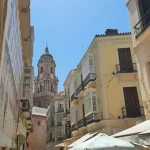
📷 Featured image by Christian Hergesell on Unsplash.