On this page
- Start Where Everyone Starts: The Old Town (Parte Vieja)
- La Concha Bay: More Than Just a Pretty Beach
- Two Hills, Two Completely Different Views
- Where and How to Actually Eat Pintxos
- The Food Scene Beyond Pintxos Bars
- Surf and Get Active at Zurriola Beach
- Museums Worth Your Time
- Day Trips That Are Actually Worth the Journey
- Nightlife: Jazz, Txakoli, and Late Bars
- Getting There and Around in 2026
- 2026 Budget Breakdown
- Practical Tips Before You Go
- Frequently Asked Questions
San Sebastián keeps appearing on every “best city in Europe” list, and that creates a real problem for first-timers in 2026: the city gets hyped so hard that people show up expecting some kind of perfect food-and-beach fantasy, then spend three days overwhelmed, eating at the wrong places, and missing half of what makes it special. This guide cuts through that. These are the 25 things that actually matter — not a random bucket list, but a logical way to experience one of Spain’s most layered, genuinely extraordinary cities.
Start Where Everyone Starts: The Old Town (Parte Vieja)
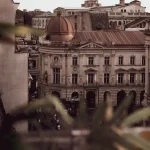
The Parte Vieja is the obvious entry point, and for good reason. Squeezed between the hill of Mount Urgull and the river Urumea, it’s a grid of narrow streets that somehow contains an absurd concentration of pintxos bars, independent shops, and centuries of Basque history. San Telmo Museoa — one of the best Basque history museums in Spain — sits inside a converted 16th-century convent right at the edge of the old town. Go in the morning before the crowds arrive and you’ll have the stone cloister almost to yourself.
The Baroque facade of the Basilica of Saint Mary of the Chorus (Santa Maria del Coro) is worth stopping at, especially in the early light when the carved stone takes on a warm gold colour. The old town is compact — you can walk end to end in ten minutes — but plan to spend much longer. Every turn reveals another bar with a counter loaded with pintxos, another small plaza where locals sit with txakoli in the afternoon sun.
La Concha Bay: More Than Just a Pretty Beach
La Concha is regularly called one of the most beautiful urban beaches in the world. It earns that title, but the beach itself is only part of the story. The promenade — the Paseo de la Concha — is a 2-kilometre arc of white railing and Belle Époque lampposts curving around the bay. Walk it at any time of day. Early morning, you’ll hear the Atlantic pushing quietly against the sand while joggers pass and a few swimmers are already in the water.
In summer (June to September), La Concha gets packed. Arrive before 10:00 to secure space. The water is genuinely swimmable — calm, sheltered, and clean — which is unusual for the Atlantic coast. Out in the middle of the bay, the small island of Santa Clara is reachable by boat (boats run from La Concha from late June, roughly €5 each way). The island has a small beach and a lighthouse, and it takes about 25 minutes to walk around the whole thing. Worth it for the views back toward the city.
The ornate Miramar Palace on the western cliff was the summer residence of the Spanish royal family in the 19th century. It’s now used as a university venue. The gardens are open to the public and give one of the best views of the full bay curve.
Two Hills, Two Completely Different Views
San Sebastián has two hills flanking the city, and most first-timers only do one. Do both — they’re nothing alike.
Mount Urgull rises directly above the Parte Vieja and is free to climb. A network of paths winds through pine trees and old fortification walls to the top, where a large statue of Christ looks out over the bay. The Santa Cruz de la Mota castle up there houses a small military history museum (free entry). On a clear day, the view stretches along the coast in both directions. The climb takes about 20 minutes from the old town.
Mount Igueldo is on the western side of the bay and has a retro funicular railway (€4.50 return in 2026) that has been running since 1912. At the top there’s a small amusement park — genuinely old-fashioned, not ironic, just actually there — and an observation tower. The view from Igueldo is the classic postcard shot of La Concha bay with the whole arc visible. Go late afternoon when the light is best and the crowds thin out.
Where and How to Actually Eat Pintxos
Pintxos (pronounced “peen-chos” in Basque — the ‘tx’ makes a ‘ch’ sound) are the defining food experience of San Sebastián, but doing them badly is easy. Here’s how to do them properly.
The unwritten rules: walk in, order a drink (usually txakoli — the sharp, fizzy local white wine — or a small beer called a zurito), and eat what’s on the bar counter or ask the staff what’s freshest that day. Don’t take pintxos from the bar without telling someone. Pay when you leave. Most bars reset their pintxos counters around 12:00 and again at 19:00 — those are the best times to arrive for fresh stock.

The best street for concentrated pintxos bar-hopping is Calle Fermín Calbetón in the Parte Vieja. Move from bar to bar — one or two pintxos and a drink per stop. A Basque pintxos crawl is not about sitting down for a full meal; it’s about moving, tasting, and talking. Expect to spend €3–€5 per pintxo and €2.50–€3.50 for a drink. Budget around €20–€25 per person for a proper crawl covering five or six bars.
Some consistently strong bars: Bar Nestor (famous for its tortilla, available twice daily — noon and 20:00 — and gone within minutes), A Fuego Negro (creative modern pintxos), and Borda Berri (off Calle Fermín Calbetón, always excellent).
The Food Scene Beyond Pintxos Bars
San Sebastián has more Michelin stars per capita than almost anywhere on Earth, but the day-to-day food scene is what sustains it. Mercado de La Bretxa, the main covered market in the Parte Vieja, is where local cooks buy their ingredients. The ground floor is a supermarket now, but go downstairs to the fish and meat halls where you’ll smell salt-cured anchovies and freshly caught sea bream laid out on ice. It opens from 08:00 most mornings.
For sit-down meals outside the Michelin world, the Gros neighbourhood (on the east side of the Urumea river) has a cluster of modern Basque restaurants along Calle San Francisco and the streets around Zurriola beach. These spots tend to be quieter than the Parte Vieja and prices are slightly more reasonable. The menú del día — a set lunch menu with multiple courses — runs €14–€18 at most places and is always the best value of the day.
Surf and Get Active at Zurriola Beach
While tourists fill La Concha, locals surf Zurriola. This east-facing beach on the Gros side of the city catches the Atlantic swell directly and is one of the most accessible surf spots on the Basque coast. Several surf schools operate on the beach year-round, and 2026 rates for a 2-hour beginner lesson sit around €45–€55 including board and wetsuit hire.
Even if you’re not surfing, Zurriola is worth visiting for its atmosphere — a more relaxed, local-feeling beach with a different crowd than La Concha. The Kursaal Congress Centre (the two glass cube buildings on the riverbank) is an architectural landmark right next to the beach and regularly hosts film screenings, concerts, and exhibitions. Check the local listings when you arrive.

Other active options in and around the city: sea kayak tours leaving from La Concha (around €35 per person for a 2-hour guided tour), cycling the coastal path toward Orio (about 15 kilometres one way), and paddleboarding on the calm waters of the bay on summer mornings.
Museums Worth Your Time
San Telmo Museoa is the standout. Opened in its current expanded form after years of renovation, it covers Basque society, art, and history across a stunning space that blends the original 16th-century convent with a modern extension. Admission is €8 in 2026, free on Tuesdays. Give it at least two hours.
The Aquarium sits at the harbour entrance and is better than most city aquariums — the tunnel under the shark tank is the obvious draw, but the historical maritime section on the upper floors (with a real whale skeleton and antique navigation equipment) is genuinely interesting. Tickets are €14 for adults in 2026.
For modern art, Chillida-Leku — the museum-garden dedicated to Basque sculptor Eduardo Chillida — is technically a day trip (it’s about 9 kilometres from the city centre near Hernani), but it deserves its own mention. Large-scale iron and steel sculptures are spread across a hillside garden surrounding a restored 16th-century farmhouse. It’s one of the best sculpture parks in Spain. Tickets are €18; take a taxi or the G2 bus from Amara bus station.
Day Trips That Are Actually Worth the Journey
Hondarribia is 21 kilometres east and takes 35 minutes by bus (Lurraldebus E21, departing from Plaza de Gipuzkoa). This walled medieval town sits on the mouth of the Bidasoa river looking across at France and has one of the best-preserved historic centres in the Basque Country. The upper town, inside the old walls, is almost completely intact. The lower fishing district (La Marina) has good seafood restaurants. Go for half a day.
Getaria is 22 kilometres west along the coast — a small fishing village with a harbour, a Gothic church, and an unusual humpback hill connected to the mainland by a narrow bridge. It’s the birthplace of Juan Sebastián Elcano (the first person to circumnavigate the globe) and has a small museum to him. Take the bus from Donostia Bus Station (roughly 40 minutes). While you’re there, eat grilled fish at one of the harbour restaurants.

Biarritz, across the French border, is 50 kilometres away and accessible by the Euskotren regional rail (change at Hendaye, total journey about 90 minutes). The contrast is sharp — suddenly everything is French, the architecture shifts, the coffee culture changes. Biarritz has its own beautiful beach, a working lighthouse you can climb, and the excellent Cité de l’Océan surf museum. A useful full-day option if you’re based in San Sebastián for several nights.
Zarautz is 19 kilometres west — Spain’s longest beach (3.5 kilometres of sand) and a serious surf town. The Euskotren from Donostia (the Basque name for San Sebastián) takes about 30 minutes and drops you a short walk from the beach. Quieter than San Sebastián but has its own pintxos scene and a good surf school strip.
Nightlife: Jazz, Txakoli, and Late Bars
San Sebastián’s nightlife is centred in the Parte Vieja but has a very different rhythm from Madrid or Barcelona. Things start late — people eat pintxos from 20:00 to 22:00, then transition to bars. The Parte Vieja streets are lively until 02:00 on weekends, and some bars push later.
Jazz is central to the city’s identity. The San Sebastián Jazz Festival (July, for over 60 years) is world-class, but jazz plays in bars year-round. Molla Jazz and Etxekalte are two spots with regular live sessions — check their weekly programmes when you arrive. The sound of a tenor saxophone drifting through the narrow streets of the Parte Vieja on a Friday night is one of those San Sebastián moments that stays with you.
For drinks with views, the rooftop bar at the Hotel de Londres y de Inglaterra on the Concha promenade looks directly over the bay. A gin and tonic here as the evening light fades over the Atlantic costs around €12–€14, but the view is part of what you’re paying for. The Gros neighbourhood has a younger, more local bar scene along Calle Zabaleta and surroundings — less touristy, better prices.
Getting There and Around in 2026
San Sebastián’s own airport (Fuenterrabia/Hondarribia) handles limited regional flights, but most international travellers use Bilbao Airport (100 kilometres west) or Biarritz Airport (50 kilometres east). From Bilbao Airport, the Pesa bus service runs direct to San Sebastián in about 70 minutes (€17–€20 one way in 2026). From Biarritz Airport, you’ll need a taxi or a combination of local buses — budget around 90 minutes.
The fastest train connection from Madrid is the AVE high-speed rail service via Vitoria-Gasteiz, which in 2026 runs in approximately 4 hours 15 minutes (€35–€75 depending on when you book). From Barcelona, trains take around 5–6 hours with a change in Zaragoza or Pamplona; flying is faster but the train drops you at Donostia-San Sebastián station, which is central.

Within the city, San Sebastián is highly walkable — La Concha to Gros is 20 minutes on foot. The local Dbus bus network covers all neighbourhoods; a single fare is €1.85. Taxis are available through the Taxik app (local) or standard ride-hail apps. Cycling is excellent along the seafront and river paths; rental bikes are available through the Dbizi city bike scheme (€2/day subscription in 2026 via app).
2026 Budget Breakdown
San Sebastián is not a cheap city. It’s one of the most expensive in Spain, on a level with Madrid and Barcelona for accommodation, and pricier for food if you’re eating well. Here’s what to expect per person, per day:
- Budget (hostel, pintxos meals, public transport): €80–€110/day. Staying in a dorm hostel (€30–€45/night), eating pintxos at the counter, using buses, and avoiding entrance fees adds up faster than expected.
- Mid-range (private room, mix of restaurants and pintxos, one activity): €150–€220/day. A decent 3-star hotel room in or near the old town runs €100–€160/night in high season. Add meals, one museum, and a boat trip to Santa Clara.
- Comfortable (boutique hotel, longer meals, wine): €300–€450/day. This tier opens up the proper restaurant scene — a dinner at a well-regarded Basque restaurant (not necessarily Michelin) costs €50–€80 per person with wine.
Tourist tax: as of 2026, the Basque Country applies a regional tourist overnight tax. In San Sebastián, expect to pay an additional €2–€4 per person per night depending on accommodation category. This is charged separately from your room rate.
Practical Tips Before You Go
Language: The Basque language (Euskara) is everywhere — on street signs, menus, and in casual conversation between locals. Spanish works fine everywhere, and English is widely spoken in tourist areas. Learning a handful of Basque words is genuinely appreciated: kaixo (hello), eskerrik asko (thank you), agur (goodbye).
Tipping: Not obligatory in Spain or the Basque Country. Rounding up the bill or leaving €1–€2 on a pintxos tab is appreciated but never expected. At sit-down restaurants, 5–10% is generous.
Safety: San Sebastián is one of the safest cities in Spain. Normal urban awareness applies in crowded tourist areas during festivals, but it’s not a city where you need to worry.

Water: Tap water is safe to drink throughout the city.
SIM cards: EU roaming applies for most European travellers. Non-EU visitors should pick up a local SIM at the airport or at any phone shop. Movistar, Orange, and Vodafone all have coverage across the Basque Country.
Best months: June and September are ideal — warm enough for the beach, crowds are manageable, and accommodation prices are below July/August peak. The San Sebastián Film Festival in September (one of the oldest in Europe) brings the city to life with screenings and street atmosphere. July brings the Jazz Festival. August is peak season — expect higher prices and larger crowds everywhere.
Frequently Asked Questions
How many days do you need in San Sebastián?
Three full days is the minimum to cover the main experiences without rushing — the old town, La Concha, at least one hill, a proper pintxos crawl, and a half-day trip to somewhere nearby. Four or five days lets you slow down, try Zurriola, visit Chillida-Leku, and explore the Gros neighbourhood properly.
Is San Sebastián expensive compared to other Spanish cities?
Yes, it’s among the priciest in Spain. Accommodation is comparable to Barcelona or Madrid, and eating well costs more than in Seville or Valencia. That said, pintxos at the bar counter remain good value — you can eat excellently for €20–€25 per person at a pintxos crawl. Budget around €100 per day minimum.
What is the best way to get from Bilbao to San Sebastián?
The Pesa bus from Bilbao Airport or central Bilbao (Termibus station) to San Sebastián takes 60–75 minutes and costs €17–€20 one way in 2026. It’s frequent, reliable, and drops you centrally. Driving is also straightforward on the AP-8 motorway, but parking in San Sebastián is limited and expensive.
When is the best time to visit San Sebastián?
June and September offer the best balance of good weather, manageable crowds, and reasonable accommodation prices. July brings the Jazz Festival and August is full summer — beautiful but busy. Winter (November to February) is quiet, often rainy, but the pintxos bars are still excellent and hotel prices drop significantly.
Can you visit San Sebastián without speaking Spanish?
Easily. English is widely spoken in the tourist areas, at hotels, and in most restaurants and bars. Menus usually have Spanish and sometimes English. Having a translation app helps in the Parte Vieja bars where things move fast, but you won’t feel lost. Learning a few Basque words goes a long way socially.
Explore more
What to Buy in San Sebastián: Top Souvenirs, Fashion & Gourmet Delights
Easy Day Trips from San Sebastián: Coastal Towns & Mountain Escapes
Explore Gros: San Sebastián’s Hip Surf & Foodie Neighborhood
📷 Featured image by Greta Schölderle Möller on Unsplash.