On this page
- Centro Histórico: Best Base for First-Time Visitors
- Soho, Lagunillas and La Alameda: Central but Calmer
- La Malagueta, Pedregalejo and El Palo: Staying by the Sea
- Teatinos, Huelin and Churriana: Practical Bases
- Getting Around Málaga from Your Base
- What Changed in 2026 for Málaga Accommodation
- 2026 Budget Reality: What You Will Pay Per Night
- Frequently Asked Questions
Booking a place in Málaga has become harder than it looks. Prices rose sharply between 2024 and 2026, the city has tightened rules on tourist flats, and a cheap “central” apartment can turn out to sit above a bar that closes at 3 a.m. Choosing the right neighbourhood matters more than choosing the right hotel. This guide shows where to stay, how each area connects to the rest of the city, and what you should expect to pay.
Centro Histórico: Best Base for First-Time Visitors
If you have three or four days, stay in the old town. The Cathedral, the Alcazaba, the Roman Theatre, the Picasso Museum and Calle Larios are all within a 10-minute walk of each other. You will not need a bus or taxi for most of your trip.
The trade-off is noise. The streets around Plaza de la Merced and Calle Granada stay busy late, especially from Thursday to Sunday. Early in the morning, you will hear delivery trolleys on the stone paving, and during the day the Cathedral bells ring out over the rooftops. Ask for an interior room or one above the second floor.
The area around Plaza de la Constitución and Calle Císter is more relaxed than the bar-heavy blocks near Calle Granada. Street parking does not exist here, and most of the centre is restricted to residents, so do not arrive by car expecting to park easily.
Soho, Lagunillas and La Alameda: Central but Calmer
South of the old town, between the port and the María Zambrano station, Soho is Málaga’s arts district. Street murals cover the building fronts, and the Centre Pompidou’s coloured glass cube sits near the harbour. Rooms here are usually quieter at night than in the historic core, and prices are often a little lower.
Lagunillas sits just north of the centre, a short uphill walk from Plaza de la Merced. It is more residential, with local bakeries and small family bars. Some streets are steep, so check the exact address if you have heavy luggage or mobility concerns.
La Alameda Principal, the wide tree-lined avenue on the edge of the old town, is a good middle ground. You can walk to most sights, and bus stops, the metro at Atarazanas and the Cercanías train at Centro-Alameda are all close by.
La Malagueta, Pedregalejo and El Palo: Staying by the Sea
La Malagueta is the city beach, a 15-minute walk from the Cathedral. It has the bullring, big hotels and apartment blocks, and a promenade that is busy with runners and families. It works well if you want a beach morning and a sightseeing afternoon without taking transport.

Pedregalejo and El Palo, about 5 to 7 km east of the centre, feel like fishing villages that the city grew around. In the evening, the smell of sardines grilling on skewers over open fires drifts along the seafront from the chiringuitos. Staying here means calmer nights and a slower pace, but you will rely on the bus into town.
- La Malagueta: best for beach plus sightseeing on foot.
- Pedregalejo: best for seafood dinners and a village feel.
- El Palo: best for local life and lower prices, but it is farther out.
Teatinos, Huelin and Churriana: Practical Bases
These areas are not pretty, but they can make sense. Teatinos is the university district, with modern flats, supermarkets, and a metro stop that reaches the centre in about 15 minutes. It suits stays of a week or more, when you want a kitchen and a quiet street.
Huelin and the Carretera de Cádiz area lie west of the centre along the coast. You get beach access and larger apartments for a lower price than the old town, and the bus into the centre takes about 20 minutes.
Churriana is close to the airport. It only makes sense for a very early flight or a late arrival. Otherwise you spend more time travelling than you save.
Getting Around Málaga from Your Base
Málaga is compact, and most visitors walk everywhere. For anything farther, you have a few simple options.
- Airport: the Cercanías C1 train leaves roughly every 20 minutes and takes about 12 minutes to reach María Zambrano and Centro-Alameda for around €1.80. Bus Line A costs about €4 and stops near the Alameda. A taxi to the centre costs about €22 to €25.
- Metro: two lines connect the centre with Teatinos and the west of the city. It is clean and air-conditioned, which helps in July.
- Buses: city buses cost about €1.40 a trip and are the best way to reach Pedregalejo and El Palo.
- High-speed trains: the AVE from Madrid takes about 2 hours 30 minutes and arrives at María Zambrano, a 15-minute walk from the old town.

What Changed in 2026 for Málaga Accommodation
The biggest change since 2024 is the crackdown on tourist apartments. Málaga has restricted new tourist-flat licences in many central districts, and the national registry now requires hosts to show a valid number. This has reduced the number of apartments in the old town and pushed up hotel and aparthotel prices.
The result is that good-value flats now appear more often in areas such as Teatinos, Huelin and El Palo. Hotels in the centre fill early for Semana Santa, the August Feria and long weekends, so book those dates well ahead.
Tourist taxes are also a live topic in Andalusia. Check at booking whether any local charge applies to your dates, as it may be added at check-in rather than shown in the listed price.
2026 Budget Reality: What You Will Pay Per Night
Prices below are typical for a double room or small apartment. Expect to pay about 30 to 50 percent more in July, August, Semana Santa and the Feria.
- Budget (€25–€90): hostel dorm beds cost €25 to €40. Private rooms in hostels or guesthouses cost €60 to €90, mostly in Centro, Lagunillas or El Palo.
- Mid-range (€110–€190): three- and four-star hotels or good one-bedroom apartments in Centro, Soho, La Alameda and La Malagueta.
- Comfortable (€200–€350+): boutique hotels with rooftop pools, sea-view rooms in La Malagueta, and larger apartments with terraces in prime locations.
Daily costs beyond your room are modest. A caña (small beer) costs €2 to €3, and a menú del día costs €13 to €16 away from the busiest squares.
Frequently Asked Questions
What is the best area to stay in Málaga for first-time visitors?
Centro Histórico is the best choice. You can walk to the Cathedral, Alcazaba, Picasso Museum and most restaurants. Choose a room away from Calle Granada and Plaza de la Merced if you want quieter nights. La Alameda and Soho are good alternatives with fewer crowds.
Is it better to stay in Málaga city or on the Costa del Sol?
Málaga city is better if you want culture, food, and easy day trips by train and bus. Resorts like Torremolinos or Benalmádena suit beach-focused holidays and families who prefer pools. In the city, you can also reach beaches in 15 to 25 minutes.

How do I get from Málaga airport to the city centre?
The Cercanías C1 train is the fastest and cheapest option, taking about 12 minutes for roughly €1.80. Bus Line A costs about €4 and takes 20 to 30 minutes. A taxi costs about €22 to €25 and works well if you have heavy luggage.
Is Málaga safe to stay in at night?
Málaga is generally safe, and the centre is lively late into the evening. Petty theft, like phone snatching or pickpocketing, happens in crowded areas and on buses. Keep valuables secure, stay alert near the port and Plaza de la Merced at night, and use licensed taxis late.
Do I need a car if I stay in Málaga?
No. Most sights are walkable, and buses, the metro and Cercanías trains cover the rest. A car is a hassle in the old town because of restricted access and expensive parking. Rent one only for a day when you want to explore the nearby villages or mountains.
Explore more
Málaga Nightlife Guide: Where to Go Out After Dark
Best Day Trips from Malaga: Explore Andalucia’s Must-See Destinations
Where to Find the Best Tapas in Málaga: Your Essential Guide
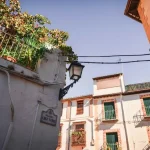
📷 Featured image by Pontus Ohlsson on Unsplash.