On this page
- Barcelona’s Personality: Why Your Base Matters So Much
- Best Neighborhoods in Barcelona
- Top Attractions and How Your Base Affects Them
- Where to Eat and Drink by Neighborhood
- Getting Around
- Day Trips
- Nightlife and Entertainment
- Shopping
- Accommodation Areas by Budget Tier
- Best Time to Visit
- Practical Tips
- 2026 Budget Breakdown
- Frequently Asked Questions
💰 Click here to see Spain Budget Breakdown
💰 Prices updated: October, 2026. Budget figures are estimates — always verify before travel.
Exchange Rate: $1 USD = €0.88
Daily Budget (per person)
Shoestring: €60.00 – €90.00 ($68.18 – $102.27)
Mid-range: €120.00 – €180.00 ($136.36 – $204.55)
Comfortable: €220.00 – €470.00 ($250.00 – $534.09)
Accommodation (per night)
Hostel/guesthouse: €15.00 – €50.00 ($17.05 – $56.82)
Mid-range hotel: €70.00 – €130.00 ($79.55 – $147.73)
Food (per meal)
Budget meal: €7.00 ($7.95)
Mid-range meal: €25.00 ($28.41)
Upscale meal: €80.00 ($90.91)
Transport
Single metro/bus trip: €3.00 ($3.41)
Monthly transport pass: €24.00 ($27.27)
Booking a bed in Barcelona in 2026 is harder than it looks. Hotel rates in the busiest areas keep climbing, the city’s tourist surcharge has risen again, and the crackdown on tourist apartments means many listings you remember from a few years ago are gone or heading out. Pick the wrong neighborhood and you will spend your trip dragging a suitcase over cobbles, sleeping through street noise, or paying €15 a day on taxis. This guide matches each part of the city to the kind of traveler it suits, so you can book once and book right.
Barcelona’s Personality: Why Your Base Matters So Much
Barcelona is not one city. It is a dozen villages that grew into each other, and each one still behaves like its own town. Gràcia has plazas where neighbors hold their own street parties. The Gothic Quarter feels like a stone maze that has been lived in for 2,000 years. The Eixample is a grid of wide, tree-lined boulevards with Modernista facades. Barceloneta smells of salt, sunscreen and frying fish.
The city is compact enough that almost everything sits within 30 minutes of the center by metro. But your neighborhood decides what you see when you open your shutters at 8 a.m., what you hear at 2 a.m., and where you eat when you are too tired to plan. Since 2024, Barcelona has also changed how it handles visitors. The mayor’s plan to phase out all licensed tourist apartments by November 2028 is moving forward, so hotels, hostels and aparthotels are becoming the main option. The Sagrada Família is also reaching a major milestone in 2026, the centenary year of Gaudí’s death, with its tallest tower due to be finished. Expect the area around it to be busier than ever.
Best Neighborhoods in Barcelona
Gothic Quarter (Barri Gòtic): First-Timers Who Want History at the Door
This is the medieval core, with the cathedral, Plaça Sant Jaume and the narrow lanes around Carrer del Bisbe. Mornings are the best time here, when cathedral bells echo off stone walls and the lanes are almost empty. It suits first-time visitors with short stays, because you can walk to nearly every major sight. The downsides are real, though. The streets are loud on weekends, bars near Plaça Reial run late, and pickpockets work the crowds. Choose a hotel on a quiet side lane, away from Carrer d’Escudellers.
El Born: Couples and Food Lovers
Across Via Laietana from the Gothic Quarter, El Born has the same old streets but a more stylish feel. You get design shops, cocktail bars, the Picasso Museum, the Santa Maria del Mar basilica and the Ciutadella park a few minutes away. It is one of the best bases for couples and anyone over 30 who wants character without the Rambla chaos. Prices are higher than in the Raval or Sants, but the walkability makes up for it.
Eixample: Comfort, Space and Gaudí
The Eixample is the big grid north of the old town, and it is where most travelers should look first if they want quiet nights and big rooms. It divides into three useful parts. Dreta de l’Eixample (right side) holds Casa Batlló, La Pedrera and the best hotels along Passeig de Gràcia. Esquerra de l’Eixample (left side) is calmer and more residential, with good restaurants around Carrer d’Aribau. Sant Antoni is the youngest and most local, with brunch spots, vermouth bars and a Sunday book market. Families, business travelers and anyone who values sleep will like the Eixample.
Gràcia: A Village Feel for Repeat Visitors
Gràcia sits north of Diagonal and still feels like the independent town it was until 1897. Its plazas, such as Plaça del Sol and Plaça de la Virreina, fill with terrace tables and kids kicking footballs. Accommodation is mostly small hotels and a few hostels. It suits travelers on their second or third visit, remote workers who like cafés with Wi-Fi, and anyone who wants to live like a local. You are a 10-minute metro ride from the old town, so you give up a little convenience for a lot of atmosphere.
Barceloneta and the Seafront: Beach Days with a Trade-Off
Barceloneta is a former fishermen’s district with tight, laundry-draped streets and the city’s most central beach. It is great in summer for sunrise swims and seafood lunches. The trade-offs are crowds, noise and a higher rate of petty theft near the beach. A better choice for a calmer seafront stay is the Port Olímpic side or Poblenou, further along the coast.
Poblenou: Remote Workers and Beach Locals
Poblenou is the former industrial district, now filled with converted factories, tech offices and wide, quieter beaches like Bogatell. The Rambla del Poblenou has cafés and bakeries with a distinctly local vibe. It suits digital nomads, longer stays and travelers who prefer a neighborhood rhythm over sightseeing speed. The metro (L4, yellow) reaches the old town in 15 minutes.

Poble-sec and El Raval: Budget Travelers Who Want Energy
Poble-sec, at the foot of Montjuïc, is one of the best-value areas in the city, with a famous tapas street and a lively bar scene. The Raval is more raw. It has the MACBA, the CCCB and a fast-improving restaurant scene, but also pockets that feel rough after dark, especially south of Carrer de l’Hospital. Choose Poble-sec if you want value and a safer feel. Choose the northern Raval if you like grit with your art.
Top Attractions and How Your Base Affects Them
The big sights are spread across the city, so your neighborhood changes your daily routine. Here is how the major ones line up:
- Sagrada Família: Nearest bases are the Dreta de l’Eixample and Sant Antoni, or Gràcia by metro (L5 or L2). Book timed tickets online, as walk-up queues can last hours in 2026.
- Park Güell: Best from Gràcia, a 20-minute uphill walk or a short bus ride. Entry to the monumental zone is ticketed with a time slot.
- Casa Batlló and La Pedrera: On Passeig de Gràcia, so anything in the Dreta de l’Eixample puts them on your doorstep.
- Cathedral, Picasso Museum, Santa Maria del Mar: All within 10 minutes on foot from the Gothic Quarter or El Born.
- Montjuïc (museums, castle, Magic Fountain): Poble-sec is the closest base. A cable car and funicular both climb the hill, and the Magic Fountain shows run in the evenings on set days.
- Bunkers del Carmel sunset view: A steep walk from Gràcia or a short bus ride from the Eixample. Bring water and arrive early, because the hill is crowded at golden hour.
- Beaches: Barceloneta, Nova Icària and Bogatell are all reachable on foot from their respective neighborhoods or in under 20 minutes from the center.
Where to Eat and Drink by Neighborhood
Every area has its own eating habits, and knowing them saves you from tourist traps. These are the places to aim for.
- Mercat de la Boqueria (off La Rambla): Photogenic but busy. Eat at the counter bars at the back, not the fruit-cup stalls at the front.
- Mercat de Santa Caterina (El Born): Calmer and more local, with a wavy colored roof and a small restaurant counter serving market-fresh plates.
- Mercat de Sant Antoni: A renovated market with food stalls inside, surrounded by brunch cafés and bars on Carrer del Parlament.
- Carrer de Blai (Poble-sec): A pedestrian street lined with pintxo bars, where small bites are sold at fixed prices, usually €1.50 to €2.50 each. Order by counting the toothpicks.
- Plaça del Sol and Plaça de la Virreina (Gràcia): Terrace-hopping for vermouth and light plates in the evening.
- Carrer d’Aribau and Carrer de Consell de Cent (Esquerra de l’Eixample): Mid-range restaurants with more tables for groups.
- Rambla del Poblenou: Neighborhood bakeries, cafés and unpretentious menus del día.
- Barceloneta: Seafood places on Passeig Marítim and the lanes behind the beach. Check the price of any fish sold by weight before you order.
The weekday menú del día (three-course lunch with a drink) costs about €14 to €18 in most neighborhoods in 2026. It is the best-value meal in the city, and it usually runs from 13:00 to 16:00. Avoid any restaurant on La Rambla or Plaça Reial that shows photo menus.
Getting Around
Barcelona’s public transport is dense and cheap, and it is a strong reason not to rent a car. The metro (TMB) covers nearly all hotels, with trains arriving every 3 to 7 minutes. Late-night service runs until around 02:00 on weekdays and all night on Saturdays.
- Metro and buses: A single ticket costs around €2.65. The T-casual card, with 10 trips, costs around €12 and is shared between people. It covers metro, buses, trams and the city section of Rodalies trains.
- Walking: The old town, El Born and the lower Eixample are all walkable. Wear shoes that handle uneven stones.
- Taxis: Black-and-yellow cabs are metered. Expect €10 to €14 for most inner-city rides, and a surcharge for airport pickups.
- Bike rental: Bicing is for residents only, so visitors use private rental shops or e-bike tours. The seafront path and the Eixample’s bike lanes are the safest routes.
- Airport transfer: The Aerobús runs from both terminals to Plaça Catalunya for around €7 to €8 one way, taking 35 minutes. Metro L9 Sud now links both terminals to the city, but it needs a transfer and a special airport ticket. A taxi to the center costs about €35 to €45.
- Train from Sants: High-speed trains to Madrid, Girona and Figueres leave from Barcelona Sants. Stay near Sants station or in Poble-sec if you have an early departure.
Day Trips
Barcelona sits at the center of one of Spain’s best rail networks, which makes it easy to leave for a day and return to the same hotel.
- Montserrat (about 1 hour): Take the R5 train from Plaça Espanya to Monistrol de Montserrat, then the rack railway or cable car up. Plan a half day or a full day if you want to hike. Check the cable car and rack-railway status before you go.
- Sitges (35 minutes): The R2 Sud train runs from Passeig de Gràcia or Sants. It is a whitewashed beach town with a calm seafront, good for a relaxed half day.
- Girona (40 to 75 minutes): A high-speed Avant train takes about 40 minutes, while regional trains take longer and cost less. Walk the medieval walls and the colorful houses along the Onyar river. Allow 6 to 8 hours.
- Tarragona (1 hour): Roman amphitheater overlooking the sea, plus a pretty old town. Regional trains from Sants run frequently.
- Figueres (55 minutes by fast train): Home of the Dalí Theatre-Museum, which needs a timed ticket in summer. It pairs well with Girona if you leave early.
Nightlife and Entertainment
Barcelona’s nights start late. Locals eat at 21:30 or later, move to bars after 23:00 and head to clubs around 01:00. Where you sleep decides how much of it reaches your window.
- El Born: Craft cocktail bars along Passeig del Born and Carrer dels Flassaders. Stylish, but not rowdy.
- Poble-sec: Late-night bars on Carrer de Blai and Carrer Nou de la Rambla, with a casual local crowd.
- Gothic Quarter and Plaça Reial: Busy and loud, with a mix of bars, tourist traps and tablaos. Fun for a night out, tough for a night in.
- Poblenou: Home to big clubs like Razzmatazz, and to some of the largest music festivals on the calendar.
- Gràcia: Relaxed plaza bars, small live-music venues and neighborhood nightlife that stays friendly.
- Flamenco: The best shows are in intimate tablaos in the old town, such as Los Tarantos on Plaça Reial or Tablao Cordobés on La Rambla. Look for the click of castanets and the sharp stomp of heels on wood in small rooms of 50 seats or fewer. Expect €30 to €50 for a show, and more with dinner.
- Rooftops: Many hotels run rooftop terraces open to non-guests, including Hotel 1898 on La Rambla and the Eclipse Bar at the W Barcelona on the seafront. Drinks usually cost €15 to €20.
- Music and theater: Palau de la Música Catalana hosts concerts in one of Europe’s most ornate halls. Book ahead in busy months.
Shopping
Barcelona’s shopping splits neatly by neighborhood, which helps when you pick a base.
- Passeig de Gràcia: The luxury avenue, lined with international fashion brands and Modernista facades. Carrer d’Enric Granados nearby has smaller, independent boutiques.
- Portal de l’Àngel and Carrer de Pelai: High-street chains, busy at all hours.
- El Born: Independent designers, ceramics, jewelry and concept stores around Carrer del Rec and Passeig del Born.
- Gràcia: Vintage clothes, record stores and small ateliers in the side lanes around Carrer de Verdi.
- Mercat dels Encants (Glòries): A large flea market for secondhand goods and bargains, open on set days.
- Mercat de Sant Antoni (Sundays): Used books, comics and collectible cards around the market building.
Most small shops close on Sundays, and many shut between 14:00 and 16:30 on weekdays. Large malls and tourist-zone stores stay open.
Accommodation Areas by Budget Tier
The neighborhoods above explain the character of each area. This section is about what your money buys in 2026 and where to find it.
Budget (€30 to €120 per night)
Hostel dorm beds cost €30 to €55 in 2026, and private rooms in hostels or small pensions cost €70 to €120. Good areas include Poble-sec, the northern Raval, Sants and parts of Sant Antoni. Sants is the most overlooked pick. It has a local feel, good transport links and cheaper rooms, but few sights of its own. Pay close attention to recent reviews on noise and security in the Raval.
Mid-Range (€130 to €250 per night)
This tier buys a three- or four-star hotel with air conditioning, a small breakfast option and often a lift. The best value sits in Esquerra de l’Eixample, Gràcia, El Born and Poblenou. Rooms in Barcelona are often small, so check the square meters rather than just the star rating. A balcony or a terrace costs extra but makes a real difference in summer.
Luxury (€300 and up per night)
Five-star hotels cluster along Passeig de Gràcia in the Dreta de l’Eixample, on the seafront near the Port Olímpic, and in quieter hill districts like Sarrià and Pedralbes. Passeig de Gràcia gives you the best access to shops and Gaudí. The seafront gives you sea views and pools. Pedralbes gives you quiet but needs a taxi or metro to reach the sights. Rates in 2026 can pass €500 during major events.
Tourist tax is added on top at check-in. Catalonia’s rules have pushed it higher in 2026, and Barcelona adds its own city surcharge. Budget about €5 to €8 per person per night depending on the hotel category, and check the current rate when you book.
Best Time to Visit
- Spring (April to June): The sweet spot. Temperatures sit between 17°C and 25°C, terraces are open and the sea is still cold. Sant Jordi (23 April) fills the streets with books and roses.
- Summer (July to August): Hot and humid, with highs of 28°C to 32°C. Beaches are crowded and hotel prices peak. The Gràcia Festa Major in mid-August turns the neighborhood’s streets into themed, decorated alleys.
- Autumn (September to October): Warm sea, fewer crowds and the La Mercè festival around 24 September, with free concerts, human towers and a fire-run through the streets.
- Winter (November to February): Mild at 8°C to 15°C, with the cheapest rooms and short queues. Some beach businesses close.
Plan around big events, because prices jump. Mobile World Congress in late February or March, Primavera Sound in late May or June and Sónar in June all push hotel rates up sharply. Book early or choose a neighborhood further out such as Sants or Poblenou.
Practical Tips
- Safety: Barcelona is safe for violent crime but known for pickpockets. The Rambla, Barceloneta beach, the metro (especially L3) and the Sagrada Família area are hot spots. Keep your phone in a front pocket and never leave bags on a chair back.
- Tipping: Not expected. Rounding up or leaving 5% to 10% for good table service is common but optional.
- Language: Catalan and Spanish are both official. Most hotel and restaurant staff speak English, and a simple gràcies or bon dia earns warm smiles.
- SIM and eSIM: Tourist eSIMs with 10 to 20 GB cost €10 to €25. Public Wi-Fi is reliable in most cafés and hotels.
- Water: Tap water is safe, but it tastes of chlorine and minerals. Many locals drink bottled water.
- Hours: Many small shops close from 14:00 to 16:30. Restaurants serve lunch from 13:00 to 16:00 and dinner from 20:30 onward. Kitchens rarely open for dinner before 20:00.
- Noise: Ask for an interior room (habitación interior) if you are a light sleeper, especially in the Gothic Quarter, El Born and Barceloneta.
2026 Budget Breakdown
These figures are per person per day, assuming you share a double room and include accommodation. Prices rise in July, August and during major events.
- Budget (€85 to €120): Hostel bed or basic private room (€35 to €65), menú del día lunch (€14 to €16), tapas or bakery dinner (€10 to €15), T-casual transport (€4 to €5 per day), one paid sight or museum (€10 to €20).
- Mid-range (€170 to €260): Share of a three- or four-star room (€70 to €125 per person), restaurant lunch and dinner (€40 to €60), taxis and metro (€8 to €12), two paid attractions (€30 to €50), a drink or two (€10 to €20).
- Comfortable (€350 to €600+): Five-star room share (€150 to €300 per person), fine-dining dinner (€70 to €120), private transfers and taxis (€20 to €40), guided tours or flamenco with dinner (€60 to €120), shopping and drinks on top.
The Sagrada Família ticket costs around €26 to €40 depending on the option, Park Güell is around €10 to €12, and Casa Batlló runs from about €35 to €60. Many city museums are free on the first Sunday of each month and on Sunday afternoons, which helps a tight budget.
Frequently Asked Questions
What is the best area to stay in Barcelona for first-time visitors?
The Dreta de l’Eixample and the edge of the Gothic Quarter work best. You can walk to Casa Batlló, La Pedrera and the cathedral, and the metro is close. The Eixample is quieter at night, so it suits most first-timers better than the busy old town streets.
Is it safe to stay in the Gothic Quarter or El Raval?
Both are generally safe for violent crime, but petty theft is common. The Raval south of Carrer de l’Hospital feels rougher after dark. Choose a well-reviewed hotel on a lit street, keep valuables close and use taxis late at night if you feel uneasy.
Where should I stay in Barcelona on a budget?
Poble-sec, Sant Antoni and Sants offer the best value. Hostel beds start around €35 and private rooms around €70 in 2026. All three have strong metro links, good local food and a calmer feel than the old town, which keeps both costs and noise down.
Is it better to stay near the beach or in the city center?
Stay in the center if you want sightseeing and nightlife, because the beaches are only 15 to 25 minutes away by metro. Stay near the sea, such as Poblenou or Port Olímpic, if you want swimming, longer morning runs and a quieter evening routine.
Are tourist apartments still allowed in Barcelona in 2026?
Licensed tourist apartments still operate in 2026, but the city plans to end them by November 2028. Unlicensed rentals are being removed. Check for a valid HUTB license number before booking, or choose a hotel or aparthotel to avoid last-minute cancellations.
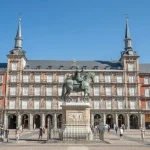
📷 Featured image by Mauro Lima on Unsplash.