On this page
- Spring (March–May): The Sweet Spot Most Visitors Miss
- Semana Santa & Feria de Abril: Two Weeks That Change Everything
- Summer (June–August): The Heat Is Real — Here’s Who Should Still Come
- Autumn (September–November): The Underrated Season
- Winter (December–February): Seville Without the Crowds
- 2026 Budget Reality: What Each Season Actually Costs
- Frequently Asked Questions
Seville‘s popularity has surged again in 2026, partly because the new Madrid–Seville AVE frequency upgrades (launched late 2025) made the city even easier to reach from the capital in under two and a half hours. The result? More visitors are arriving, and the old advice of “just avoid August” no longer covers it. The real question is matching your personality and budget to the right month — because each season in Seville is a genuinely different experience.
Spring (March–May): The Sweet Spot Most Visitors Miss
March through May is when Seville performs at its best for most travellers. Temperatures sit between 18°C and 26°C, the orange trees are still fragrant, and the city’s parks — Parque de María Luisa especially — are thick with wildflowers. You can walk the Barrio Santa Cruz for two hours without once feeling like you need to find shade.
The light in April is particular. It has a gold-hour quality that lasts most of the afternoon, catching the tiles of the Plaza de España and making everything look like a postcard that hasn’t been faked. That kind of light is genuinely why photographers plan entire trips around this month.
Crowds in March are still manageable. By early May, the Alcázar queue is back to 45–60 minutes without a timed ticket, so pre-booking online is essential. The Catedral fills quickly on weekends. But compared to what arrives in late spring, it’s still relatively calm.
- Best months within spring: Late March and early April (outside Semana Santa week), or mid-May once Feria ends
- Average temperatures: 18°C–26°C
- Rain risk: Low to moderate in March, drops sharply from April
Semana Santa & Feria de Abril: Two Weeks That Change Everything
These two events deserve their own section because they completely reshape how Seville functions — and whether they’re a reason to come or a reason to avoid depends entirely on what you want.
Semana Santa (Holy Week) moves each year with Easter. In 2026, it falls in the first week of April. The city fills with religious brotherhoods carrying enormous floats through narrow streets, accompanied by the haunting sound of saetas — flamenco-style laments sung spontaneously from balconies above. The smell of incense drifts through the streets at midnight. If you’ve never witnessed this, it is genuinely unlike any other event in Europe. But hotels book out 8–12 months in advance, prices double or triple, and the streets near the procession routes are essentially impassable by car.
Feria de Abril follows two weeks later. This is Seville’s spring fair — a week of flamenco dresses, horse parades, sherry, and private tent parties called casetas. Most casetas are invitation-only, which frustrates independent travellers. There are public casetas, but the authentic atmosphere is harder to access without local connections. Still, even wandering the fairground at night, with the thousands of lanterns lit and the sound of Sevillanas drifting from every tent, is an experience worth the inflated hotel prices.
Summer (June–August): The Heat Is Real — Here’s Who Should Still Come
Let’s be direct: Seville in July and August is one of the hottest cities in Europe. Temperatures regularly hit 38°C–42°C, and a week of that is physically exhausting if you’re planning to sightsee all day. The streets empty between 2pm and 6pm. Even locals disappear.
That said, summer has a real case for certain travellers:
- Budget travellers: Hotel prices drop significantly in August because demand from Spanish tourists falls. You can find solid 3-star hotels in the city centre for €70–€100 per night — impossible in April.
- Night owls: Seville’s summer nightlife is exceptional. The city truly comes alive after 9pm. Terraces, rooftop bars, and open-air venues buzz until 3am or 4am. If your trip is built around evenings and late mornings, summer works.
- Flamenco fans: The Bienal de Flamenco takes place in Seville every even-numbered year. In 2026, this major festival returns in September — but programming often starts in late August with fringe events across the city.
The practical strategy for summer: visit monuments early (the Alcázar opens at 9:30am), rest from noon until 5pm, then explore again in the evening when the stone has cooled slightly and the city feels its most alive.
Autumn (September–November): The Underrated Season
September gets overlooked because it still feels like summer to people checking temperature charts from abroad. But from mid-September onward, the heat eases to 28°C–32°C — warm, but no longer punishing. October drops to a very comfortable 20°C–25°C. These are ideal sightseeing temperatures.
The Bienal de Flamenco in September 2026 is a genuine reason to plan around this month specifically. It’s held every two years and brings the world’s best flamenco performers to stages across Seville — from the Teatro de la Maestranza to smaller tablaos and open-air venues. Tickets sell out fast for headline shows, but the festival also creates an atmosphere across the whole city that’s hard to replicate.

October and November bring occasional rain — Seville averages about 6–8 rainy days in November — but the city handles it. Crowds are lower than spring, prices have settled, and the Alcázar gardens take on a quieter, more contemplative quality. The light shifts to something softer and more amber. It’s the kind of Seville that rewards slow travellers rather than those trying to see everything in 48 hours.
Winter (December–February): Seville Without the Crowds
Winter in Seville is mild by Northern European standards — expect 12°C–17°C during the day in January and February, with cold evenings around 5°C–7°C. It rains more than in summer, but rarely for full days. You’ll need a jacket, but you won’t need thermals.
The big advantage is simple: almost no queues. Walking into the Alcázar without a timed slot is possible again. The Catedral is calm. Streets in Barrio Santa Cruz feel like they belong to the people who actually live there rather than to tourists.
December brings its own specific character. The Christmas markets around Plaza Nueva and the Alameda de Hércules are genuinely local rather than tourist-facing — selling nativity figurines, seasonal sweets like mantecados and polvorones, and roasted chestnuts from street vendors. The smell of those chestnuts at 7pm on a cool December evening, with the city’s baroque architecture lit up for the season, is the kind of detail that stays with you.
January and February are the quietest months of all. If you can work remotely or your schedule is flexible, this is when Seville offers exceptional value and a completely different, more intimate atmosphere.
2026 Budget Reality: What Each Season Actually Costs
Prices below reflect typical costs for a central Seville hotel (double room), based on 2026 rates. Costs exclude flights, which vary significantly by origin.
Budget tier (hostels, guesthouses, 2-star hotels)
- Peak (Semana Santa, Feria de Abril): €80–€130 per night
- Spring / Autumn shoulder: €40–€70 per night
- Summer (July–August): €30–€55 per night
- Winter: €25–€45 per night
Mid-range tier (3-star hotels, boutique guesthouses)
- Peak (Semana Santa, Feria de Abril): €180–€320 per night
- Spring / Autumn shoulder: €90–€150 per night
- Summer (July–August): €70–€110 per night
- Winter: €60–€95 per night

Comfortable tier (4-star hotels, design hotels)
- Peak (Semana Santa, Feria de Abril): €350–€600+ per night
- Spring / Autumn shoulder: €150–€250 per night
- Summer (July–August): €120–€180 per night
- Winter: €100–€160 per night
Seville does not yet charge a city tourist tax (unlike Barcelona or Granada), though the Andalusian regional government has discussed implementing one. As of early 2026, no tax applies — but check the current status before you travel.
Meals remain reasonably priced year-round. A tapas lunch with wine in a non-tourist bar runs €12–€18 per person. A sit-down dinner at a mid-range restaurant is typically €30–€45 per person with wine. Only during Semana Santa and Feria do some restaurants apply surcharges.
Frequently Asked Questions
What is the absolute best month to visit Seville?
Late March (if Easter falls elsewhere) or October. Both offer ideal temperatures between 18°C and 26°C, manageable crowds, and reasonable hotel prices. October in particular gives you warm days, lower prices than spring, and the tail end of the Bienal de Flamenco festival if it falls in September.
Is Seville worth visiting in August despite the heat?
Yes, with the right strategy. Sightsee early morning and after 6pm. Rest during the midday heat. Hotel prices are at their lowest, and the evening atmosphere on Seville’s terraces and rooftop bars is genuinely excellent. Avoid August only if you have health conditions worsened by extreme heat.
How far in advance should I book for Semana Santa?
At least 8–10 months ahead for central accommodation in 2026. Many hotels open reservations for Semana Santa as soon as Easter dates are confirmed — sometimes 12 months in advance. Flight prices also spike significantly. Budget travellers should consider staying in nearby towns and commuting in by train.
Does Seville get cold in winter?
Not by most standards. January daytime temperatures average 15°C–17°C with clear skies common. Evenings drop to around 5°C–7°C, so bring a proper jacket and layers. Rain is more frequent than in summer but rarely disrupts a full day. Winter is genuinely underrated for its calm atmosphere and low prices.
Are there any new reasons to visit Seville specifically in 2026?
Yes — the Bienal de Flamenco returns in September 2026, making that month a standout for anyone interested in Spanish culture. The expanded AVE schedule from Madrid also makes weekend trips more practical than before. Check updated timetables, as new direct connections from other Spanish cities were added in late 2025.
Explore more
Best Time to Visit Seville: Your Essential Guide to Weather, Festivals & More
Shopping in Seville, Spain — Best Markets and Stores
The Ultimate Guide to Shopping in Seville: Markets, Malls & More
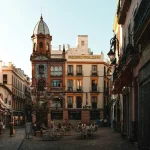
📷 Featured image by Akshay Nanavati on Unsplash.