On this page
- Valencia’s Irresistible Mediterranean Character
- Best Neighborhoods to Explore and Stay
- Top Attractions and Unforgettable Experiences
- Valencia’s Outstanding Food and Drink Scene
- Getting Around Valencia Efficiently
- Excellent Day Trips from Valencia
- Valencia’s Vibrant Nightlife and Entertainment
- Valencia Shopping: Markets to Luxury Districts
- Best Areas for Valencia Accommodation
- When to Visit Valencia: Seasonal Considerations
- Essential Practical Tips for Valencia Visitors
- Valencia Budget Breakdown for 2026
- Frequently Asked Questions
Valencia’s Irresistible Mediterranean Character
Valencia pulses with an energy that’s distinctly its own. This is the birthplace of paella, home to Europe’s most futuristic architecture, and a city where you can surf Pacific-quality waves at sunrise then catch world-class opera by sunset. The scent of orange blossoms drifts through medieval streets in spring, while the sound of ceramicists hammering traditional tiles echoes from workshop doorways in the old quarter. The city reinvented itself dramatically over the past two decades. Where the Turia River once flowed, Europe’s longest urban park now stretches from the historic center to Santiago Calatrava’s otherworldly City of Arts and Sciences. Valencia successfully hosted the America’s Cup, transformed its port into a cruise destination, and became Spain’s startup capital outside Madrid and Barcelona. What sets Valencia apart is its livability. Locals actually live in the center, kids play football in medieval plazas, and you’ll hear as much Valencian as Spanish on the streets. The beach sits just 20 minutes from the cathedral by metro. Fresh orange juice costs less than bottled water. And unlike Spain’s tourist-heavy capitals, Valencia remains refreshingly authentic.Best Neighborhoods to Explore and Stay
Ciutat Vella (Old Town)
The historic heart wraps around the cathedral in a maze of narrow streets that date back 800 years. Plaza de la Virgen forms the emotional center, where locals gather for evening drinks while children chase pigeons across ancient cobblestones. The neighborhood splits into distinct quarters: Barrio del Carmen for nightlife and alternative culture, El Mercado around the Central Market for food lovers, and La Seu near the cathedral for classic architecture. Staying here puts you within walking distance of every major sight, but expect some street noise and limited parking. The area suits culture enthusiasts who want to stumble home from late dinners rather than catch last metros.
Ensanche (Modern Center)
Valencia’s 19th-century expansion created wide boulevards perfect for shopping and people-watching. Calle Colón anchors the luxury shopping district, while Plaza del Ayuntamiento serves as the formal city center. The neighborhood feels more business-oriented but offers excellent transport connections and upscale dining. This area works for visitors who want modern amenities and easy metro access but still prefer walking to major attractions. Hotels here typically offer better soundproofing and parking than the old town.Ruzafa
Once working-class, Ruzafa transformed into Valencia’s hippest neighborhood without losing its neighborhood feel. Vintage shops, craft beer bars, and innovative restaurants line streets where old ladies still hang laundry from wrought-iron balconies. The central food market operates as a social hub where young professionals chat with elderly neighbors over morning coffee. Choose Ruzafa for authentic local life with excellent dining, though it sits further from major tourist sites. The area particularly suits food lovers and anyone seeking Valencia’s creative energy.Coastal Areas
Valencia’s beach neighborhoods offer Mediterranean living with urban convenience. Wide sandy beaches stretch for miles, backed by the Paseo Marítimo promenade lined with chiringuitos (beach bars) and paella restaurants. The area gained sophistication with America’s Cup redevelopment, adding upscale hotels and marina restaurants. Cabanyal, the former fishing village, maintains its maritime character despite gentrification pressure. Colorful tiled houses line narrow streets that run perpendicular to the beach, creating a grid pattern unique in Spain. Local markets, family-run tapas bars, and traditional seafood restaurants preserve the area’s working-class roots while offering the most authentic coastal experience.
Top Attractions and Unforgettable Experiences
City of Arts and Sciences
Santiago Calatrava’s architectural masterpiece dominates Valencia’s skyline like something from a science fiction film. The complex spans nearly two kilometers, containing Europe’s largest aquarium, an interactive science museum, an IMAX cinema, and the stunning opera house. Walking through feels like exploring an alien civilization, with curved white structures reflecting in shallow pools. The Oceanogràfic aquarium deserves a full day, housing everything from Arctic beluga whales to tropical sharks. The Science Museum engages all ages with hands-on exhibits, while the opera house hosts world-class performances in acoustically perfect halls. Buy combination tickets online to save money and skip queues.Central Market
One of Europe’s largest fresh markets operates in a stunning modernist building from 1928. Over 400 stalls sell everything from just-caught Mediterranean fish to mountains of Valencia oranges. The building itself impresses with its soaring glass dome and colorful ceramic details, while the energy inside buzzes with locals shopping for daily meals. Visit early morning for the best selection and to watch vendors arranging their displays with artistic precision. Don’t miss the traditional horchata stands or the market bars where traders grab quick breakfast bocadillos and morning coffee.Valencia Cathedral and Miguelete Tower
The cathedral showcases eight centuries of architectural evolution, from Romanesque foundations through Gothic naves to baroque additions. The Holy Grail chapel houses what many believe to be the actual cup used at the Last Supper, while the Miguelete bell tower offers panoramic city views after climbing 207 steps. The tower provides Valencia’s best viewpoint, revealing how the old city nestles within the modern metropolis. Time your visit for late afternoon when golden light illuminates the terracotta rooftops and distant mountains.Bioparc Valencia
This revolutionary zoo concept eliminates visible barriers between animals and visitors through innovative landscape design. African savannas, Madagascar forests, and wetland ecosystems create immersive experiences where animals roam freely across large territories. The elephant exhibit allows close encounters through underground viewing tunnels. Bioparc pioneered ethical zoo design that prioritizes animal welfare while providing extraordinary visitor experiences. Plan at least half a day to explore all zones thoroughly.
Turia Gardens
Europe’s longest urban park stretches nine kilometers through Valencia’s heart, following the former river course. This green corridor connects the old town to the City of Arts and Sciences, passing playgrounds, sports facilities, and sculpture gardens. Locals jog, cycle, and picnic along paths shaded by palm trees and orange groves. The gardens provide perfect walking or cycling routes between major attractions while offering peaceful breaks from urban energy. Multiple bridges connect different sections to surrounding neighborhoods.
Pro Tip: Buy the Valencia Tourist Card for 2026, which now includes metro transport, museum entries, and 20% discounts at participating restaurants. The 48-hour version (€20) pays for itself after visiting just two major attractions.
Valencia’s Outstanding Food and Drink Scene
Central Market Food Adventures
The Mercado Central serves as Valencia’s gastronomic epicenter, where traditional vendors sell ingredients that define local cuisine. Head to the horchata stands for this sweet tiger nut drink served ice-cold with fartons (sweet pastries) for dunking. The market’s tapas bars offer exceptional value, serving fresh seafood and traditional dishes to traders and shoppers throughout the day. Don’t miss Horchatería Santa Catalina, operating since 1845, where horchata gets prepared fresh every morning. The jamón ibérico counter at Casa Roberto lets you sample different cured hams while learning about regional variations from knowledgeable staff.Ruzafa’s Culinary Revolution
This trendy neighborhood concentrates Valencia’s most innovative dining scene along Calle Sueca and surrounding streets. Traditional Valencian restaurants mix with modern fusion concepts, craft beer bars, and international kitchens run by young chefs pushing creative boundaries. Bar Ricardo remains Ruzafa’s most famous tapas institution, where locals queue for exceptional tortilla española and braised octopus. Nearby, craft breweries like Tyris and Espiga showcase Valencia’s growing beer culture with locally-inspired flavors.
Authentic Paella Experiences
The beachfront Paseo Marítimo hosts dozens of restaurants specializing in paella, Valencia’s most famous culinary export. These establishments range from tourist-oriented spots to serious local favorites where Valencian families celebrate Sunday meals. The setting, with Mediterranean views and sea breezes, enhances even mediocre paella. Casa Roberto (different from the market vendor) has served authentic Valencian paella since 1950, using traditional wood fires and respecting classic recipes. La Pepica claims to have served paella to Ernest Hemingway, though every beach restaurant makes similar boasts.Historic Center Traditional Dining
Barrio del Carmen and surrounding old town streets hide exceptional traditional restaurants that local families have patronized for generations. These establishments focus on classic Valencian dishes like fideuà (noodle paella), all i pebre (eel and garlic stew), and esgarraet (red pepper and cod salad). Casa Montaña, operating since 1836, combines excellent wines with traditional tapas in atmospheric surroundings. Their wine selection emphasizes Valencia region bottles, including excellent Utiel-Requena reds and crisp whites from coastal vineyards.Agua de Valencia Origins
This iconic cocktail originated at Café Madrid in 1959 and remains Valencia’s signature drink. Made with cava, orange juice, vodka, and gin, it packs surprising punch despite its innocent appearance. The best versions use fresh local oranges and quality cava, creating a refreshing but potent combination. Try the original at Café Madrid, where bartenders still prepare it tableside in large pitchers meant for sharing. The drink has spawned countless variations, but purists insist the original four-ingredient recipe remains unbeatable.
Getting Around Valencia Efficiently
Metro and Tram Network
Valencia’s integrated metro and tram system efficiently connects every neighborhood and major attraction through color-coded lines. The metro runs underground through the city center before emerging as surface trams to reach the beaches and outlying areas. Line 4 provides direct airport connections, while Lines 6 and 8 serve the beaches. Single tickets cost €1.50, but the 10-journey Mobilis card (€8.50) offers better value for multiple trips. Tourist cards include unlimited transport plus attraction discounts. The system operates from 5:00 AM to midnight, with extended hours to 2:00 AM on weekends.Valenbisi Bike Share
Valencia’s bike-sharing system provides an ideal way to explore the flat city and long Turia Gardens. Over 250 stations throughout the metropolitan area offer 2,500 bikes available 24/7 through smartphone apps. The first 30 minutes remain free, making short trips extremely economical. Annual subscriptions (€30) make sense for stays longer than a week, while weekly passes (€13.30) work for shorter visits. The extensive cycle lane network makes biking safer and more pleasant than in most Spanish cities.Walking the Compact Center
Valencia’s historic center remains completely walkable, with most attractions within 20 minutes of each other on foot. The Turia Gardens provide pleasant pedestrian routes between the old town and modern areas, avoiding traffic and noise. Wide sidewalks throughout the Ensanche make walking comfortable even during busy periods. The flat terrain makes walking easy for all fitness levels, while frequent plazas and parks offer rest stops and shade during hot summer months. Many streets restrict car access, creating peaceful pedestrian zones perfect for leisurely exploration.Airport Transfers and Connections
Valencia Airport sits just 10 kilometers from the city center, connected by metro Line 3 and Line 5 with journey times around 45 minutes. The metro costs significantly less than taxis (€4.50 versus €25-30) and avoids traffic congestion. Airport buses provide alternative connections to major hotels and transport hubs. For 2026, the new Terminal expansion has improved facilities and reduced connection times between flights and ground transport. Early morning and late evening flights now have guaranteed metro service with adjusted operating hours.
Excellent Day Trips from Valencia
Sagunto Roman Heritage
This ancient hilltop town, 30 kilometers north of Valencia, preserves spectacular Roman ruins including a restored amphitheater and extensive castle walls. The archaeological museum displays artifacts spanning 2,000 years, while narrow medieval streets reveal Moorish and Christian influences. The train journey takes 45 minutes and costs €3.60 each way. Visit Sagunto during morning hours to avoid heat and crowds, then explore the old town’s traditional restaurants for lunch. The Roman theater still hosts summer performances with Mediterranean views providing dramatic backdrops.Cullera Beach Resort
Located 40 kilometers south, Cullera combines excellent beaches with historic attractions and natural beauty. The hilltop castle offers panoramic views over golden sand beaches and the Júcar River mouth. Rice fields surrounding the town provide ingredients for exceptional local paella restaurants. Regular trains connect Valencia to Cullera in one hour (€4.20), while summer buses serve the beaches directly. The resort works well for families seeking calmer alternatives to Valencia’s urban beaches.Xàtiva Medieval Mountain Town
This historic mountain town features one of Spain’s most impressive castles, sprawling across hilltop ramparts with views extending to the Mediterranean. The old town preserves Renaissance palaces and Gothic churches, while local museums display works by notable artists including Ribera and Borgia family artifacts. The train journey south takes one hour (€5.80) through orange groves and mountain scenery. Xàtiva works best as a full-day trip, allowing time to explore both the castle complex and historic center thoroughly.Albufera Natural Park
Europe’s most important wetland preserve sits just 20 kilometers south of Valencia, protecting traditional rice cultivation and diverse bird populations. Boat trips through reed-lined channels reveal flamingos, herons, and other waterfowl, while traditional farmhouses serve authentic paella in settings where the dish originated. Bus Line 25 reaches El Palmar village in 45 minutes (€1.50), the gateway to park activities. Spring and autumn provide optimal birdwatching, while summer offers the warmest weather for boat excursions.
Gandia Coastal Escape
This elegant coastal city combines historic attractions with excellent beaches and mountain hiking opportunities. The ducal palace showcases Renaissance architecture and Borgia family history, while wide sandy beaches stretch for kilometers along crystal-clear Mediterranean waters. The old town retains authentic Spanish character without tourist development pressure. Regular trains reach Gandia in 90 minutes (€7.40), making day trips feasible though overnight stays allow better exploration of both cultural sites and natural areas. The resort particularly appeals to families and active travelers.Valencia’s Vibrant Nightlife and Entertainment
Barrio del Carmen Bar Crawls
Valencia’s oldest neighborhood transforms into the city’s liveliest nightlife zone after dark, with narrow medieval streets packed with bars, clubs, and late-night eateries. Plaza del Tossal serves as the central meeting point where locals begin evening tours of traditional taverns mixed with trendy cocktail bars. Start at historic venues like Café Sant Jaume, serving drinks since 1856, then progress to modern cocktail bars like Ubik Café for creative mixology. The area stays active until 4:00 AM on weekends, with live music venues hosting everything from jazz to flamenco performances.Ruzafa Craft Beer and Creative Spaces
This hip neighborhood concentrates Valencia’s alternative nightlife scene, emphasizing craft beer, independent music venues, and artistic spaces. Local breweries operate taprooms showcasing innovative flavors, while converted industrial spaces host DJ sets, live bands, and art exhibitions. Tyris Brewery offers tastings of their citrus-infused beers inspired by local oranges, while Mya hosts electronic music events in atmospheric surroundings. The scene attracts young professionals and creative types seeking alternatives to mainstream club culture.
Beach Club Summer Scene
During summer months, Valencia’s beach clubs create sophisticated nightlife experiences combining Mediterranean views with high-quality music and cocktails. Marina Beach Club and Akua anchor the upscale scene, while smaller chiringuitos provide relaxed alternatives for sunset drinks and late dinners. The beach scene operates seasonally from June through September, with peak activity during July and August weekends. Advance reservations become essential for popular venues, especially during major events and festivals.Rooftop Terraces and Skyline Views
Valencia’s growing collection of rooftop bars takes advantage of the city’s pleasant climate and attractive skyline dominated by the City of Arts and Sciences. Hotel rooftops, shopping center terraces, and dedicated sky bars offer elevated perspectives with sophisticated drink menus. The Ateneo Mercantil rooftop provides historic charm with panoramic views, while modern hotels near the port offer contemporary settings overlooking marina developments. These venues typically open for evening hours, making them perfect for sunset cocktails.Traditional Flamenco and Live Music
Though not traditionally Valencian, flamenco performances occur regularly at dedicated venues and during special events. Guitar concerts, traditional Spanish folk music, and contemporary performances take place in atmospheric settings throughout the old town. Palau Sant Jordi hosts major touring acts, while smaller venues like 16 Toneladas showcase independent bands and emerging artists. The city’s conservatory frequently presents classical concerts featuring Spanish composers and international programs.Valencia Shopping: Markets to Luxury Districts
Central Market Artisan Finds
Beyond fresh food, the Mercado Central houses specialized stalls selling traditional crafts, ceramics, and local products. Artisan vendors offer handmade espadrilles, traditional fans, and Valencia-specific souvenirs like miniature Falleras (festival figures) and ceramic orange trees. The market’s craft section concentrates near the main entrance, where established vendors maintain family businesses passed down through generations. Prices remain reasonable compared to tourist shops, and vendors often explain production techniques and regional significance.
Calle Colón Fashion Boulevard
Valencia’s premier shopping street stretches from Plaza del Ayuntamiento to the Turia Gardens, lined with international brands, Spanish designers, and luxury boutiques. Major department stores anchor both ends, while specialty shops fill the spaces between with everything from designer shoes to artisan jewelry. The pedestrianized section creates pleasant shopping conditions, with wide sidewalks, street cafes, and regular cultural events. Side streets hide smaller boutiques and vintage shops offering unique finds away from mainstream retail.Ruzafa Vintage and Independent Design
This creative neighborhood supports numerous vintage clothing stores, independent designers, and artisan workshops producing unique items. Local designers showcase clothing, jewelry, and home decor inspired by Valencia’s artistic heritage and contemporary culture. Weekend markets in Plaza del Barón de Cortés feature local artisans selling handmade products, while permanent shops along Calle Sueca and Calle Cadiz offer curated selections of vintage fashion and contemporary design pieces.Las Arenas Shopping Center
This oceanfront shopping center combines retail therapy with beach access, housing over 150 shops in a climate-controlled environment steps from Mediterranean beaches. The center emphasizes fashion and sports brands, with several restaurants and a cinema complex providing entertainment options. The location makes it perfect for combining shopping with beach time, while the variety of stores suits different budgets and tastes. Direct metro connections from downtown make access convenient without driving.Traditional Markets and Local Products
Neighborhood markets throughout Valencia offer authentic shopping experiences focused on local products and daily necessities. Mercado de Ruzafa provides smaller-scale versions of Central Market offerings, while specialized markets sell everything from flowers to antiques. The Sunday morning market at Plaza Redonda features antiques, books, and collectibles in Valencia’s most distinctive circular plaza. Local producers sell Valencia oranges, horchata ingredients, and regional wines at various markets throughout the week.
Best Areas for Valencia Accommodation
Budget Options in Ruzafa
Valencia’s hippest neighborhood offers excellent value accommodation, from backpacker hostels to boutique guesthouses. The area provides authentic local experiences while maintaining easy transport connections to major attractions. Hostels typically cost €15-25 per night in dormitories, while private rooms range €40-60. Popular budget choices include Home Youth Hostel for social atmosphere and Purple Nest Hostel for modern facilities. The neighborhood’s excellent restaurants and bars mean entertainment stays within walking distance, reducing transport costs significantly.Mid-Range Comfort in Ciutat Vella
The historic center balances location convenience with reasonable prices, offering everything from restored palace hotels to modern business accommodations. Staying here eliminates transport costs to major attractions while providing atmospheric surroundings steeped in centuries of history. Hotel Sorolla Centro represents excellent mid-range value with modern amenities in historic settings, while Apartamentos Centro Ciudad provide apartment-style independence. Expect to pay €70-120 per night for quality three-star accommodations with central locations.Luxury Beach Resort Style
Valencia’s beachfront hotels provide resort experiences without leaving the city, combining Mediterranean views with urban convenience. The Americas Cup development created sophisticated accommodation options emphasizing modern design and premium amenities. Las Arenas Balneario Resort offers the city’s most luxurious beach experience, while Hotel Neptune provides upscale comfort with direct beach access. Luxury options typically range €150-300 per night, often including spa services and fine dining restaurants.Business District Modern Comfort
The Ensanche neighborhood around Plaza del Ayuntamiento caters to business travelers and visitors seeking modern amenities with excellent transport connections. These hotels emphasize efficiency and comfort over atmospheric charm, often providing better soundproofing than historic center properties. Chain hotels like NH and AC by Marriott offer reliable quality and loyalty program benefits, while independent properties provide more personalized service. Business district hotels typically cost €80-150 per night with professional amenities.Apartment Rentals and Extended Stays
Valencia’s apartment rental market provides excellent options for longer stays or travelers seeking independence from hotel schedules. Platforms like Airbnb offer everything from historic center studios to beachfront apartments with full kitchens and local neighborhood experiences. Monthly rentals become particularly attractive for digital nomads and extended visitors, with discounts making Valencia competitive with much less interesting destinations. Expect €30-80 per night depending on location, size, and amenities.When to Visit Valencia: Seasonal Considerations
Spring Perfection (March-May)
Valencia’s ideal visiting season combines perfect weather with the city’s most important festival, Las Fallas, in March. Temperatures range 15-22°C, making walking comfortable while orange trees bloom throughout the city. Spring offers excellent value with lower accommodation prices than summer but significantly better weather than winter. Las Fallas transforms Valencia into a citywide art installation and celebration from March 15-19, featuring enormous sculptural displays, parades, and fireworks. Book accommodation well in advance for festival dates, as the entire city fills with visitors experiencing this UNESCO-recognized cultural event.Summer Beach Season (June-August)
Hot Mediterranean summer brings peak tourist season with temperatures reaching 30-35°C and minimal rainfall. Beach culture dominates Valencia during these months, with extended daylight hours and active nightlife continuing until dawn. All attractions operate full schedules, though crowds increase significantly. Summer accommodation costs peak, particularly for beachfront hotels, while restaurant reservations become essential for popular spots. The intense heat makes afternoon sightseeing challenging, though evening temperatures remain pleasant for outdoor activities.Pleasant Autumn (September-November)
Post-summer Valencia offers excellent visiting conditions with warm temperatures (20-25°C), reduced crowds, and lower accommodation prices. The Mediterranean remains warm enough for swimming through October, while cultural events resume after summer breaks. Autumn provides ideal conditions for exploring day trip destinations and outdoor attractions without summer’s intense heat. Restaurant terraces reopen for comfortable dining, while cultural venues present new exhibitions and performance seasons.Mild Winter Advantages (December-February)
Valencia’s subtropical climate makes winter visiting feasible with temperatures averaging 10-16°C and occasional rainfall. While beach activities become less appealing, cultural attractions, museums, and indoor dining provide plenty of entertainment options at significantly reduced costs. Winter offers authentic local experiences with minimal tourist crowds, lower accommodation prices, and restaurant availability without reservations. The city maintains active cultural calendars with theater, concerts, and special exhibitions throughout the cooler months.Essential Practical Tips for Valencia Visitors
Language and Communication
Valencia maintains bilingual culture with both Spanish (Castilian) and Valencian (Catalan variant) enjoying official status. Most locals speak Spanish fluently, while English proficiency varies significantly by age and education level. Tourist areas generally provide English-speaking staff, though basic Spanish phrases prove helpful elsewhere. Valencian appears on street signs and official documents alongside Spanish, though visitors can function completely using Spanish. Many young people speak excellent English, while older generations typically prefer Spanish or Valencian for comfortable communication.Safety and Security Considerations
Valencia ranks among Spain’s safest major cities with low violent crime rates and minimal tourist-targeted scams. Petty theft occasionally occurs in crowded areas like markets and beaches, though basic precautions prevent most problems. The city maintains excellent emergency services and tourist police assistance. Avoid leaving valuables visible in rental cars, particularly near beaches where break-ins occasionally occur. The historic center remains safe for evening walking, though some peripheral areas require normal urban awareness during late hours.Tipping and Payment Customs
Spanish tipping culture remains modest compared to American standards, with 5-10% considered generous for restaurant service. Round up taxi fares to the nearest euro, while bar service requires no tipping beyond small change. Most establishments accept credit cards, though small venues may prefer cash. Contactless payments became standard during 2024-2026, with most businesses accepting smartphone payments and European bank cards. ATMs throughout the city provide euros at reasonable exchange rates for international cards.Siesta Hours and Business Schedules
Traditional siesta closures affect many small businesses, restaurants, and shops between 2:00-5:00 PM, particularly during summer months. Major tourist attractions and chain stores typically maintain continuous hours, while neighborhood establishments follow traditional schedules. Plan afternoon activities around potential closures, using these hours for beach time, park visits, or hotel rest periods. Evening dining starts late by international standards, with restaurants rarely serving dinner before 8:00 PM.Water Quality and Health
Valencia’s tap water meets EU safety standards and tastes acceptable throughout the city, though many residents prefer bottled water for drinking. Restaurants provide tap water upon request, though bottled water generates charges. Beach water quality receives regular monitoring with excellent ratings for swimming safety. Summer heat requires increased hydration awareness, particularly during outdoor activities and beach time. Pharmacies throughout the city provide European-standard health products and basic medical advice for minor issues.Valencia Budget Breakdown for 2026
Budget Travel (€40-60 per day)
Backpacker-style travel remains feasible in Valencia through careful planning and local knowledge. Hostel dormitories cost €15-25 per night, while grocery shopping at Central Market and neighborhood stores keeps food costs around €15 per day. Free activities include beach time, Turia Gardens walks, and exploring historic neighborhoods. Public transport (€8.50 for 10-journey card) provides unlimited city access, while many museums offer free entry hours or reduced admission days. Budget dining emphasizes market foods, takeaway bocadillos (€3-5), and affordable menu del día options (€10-15) at neighborhood restaurants.Mid-Range Comfort (€80-120 per day)
Comfortable travel allows private hotel rooms (€70-120), restaurant meals emphasizing local specialties (€25-35 per day), and moderate entertainment expenses. This budget covers major attraction admissions, occasional taxis, and dining at recommended restaurants without constant cost awareness. Mid-range accommodation often includes breakfast, while dining budgets allow proper paella experiences and horchata tastings at established venues. Cultural activities like opera performances or guided tours fit comfortably within daily allowances.Luxury Experience (€200+ per day)
High-end Valencia experiences emphasize beachfront hotels (€150-300 per night), fine dining restaurants (€50-80 per meal), and premium activities like private tours or exclusive cultural events. This budget allows spontaneous choices without price considerations. Luxury travel might include helicopter tours, private yacht charters, premium shopping at designer boutiques, and meals at Michelin-starred establishments. Valencia’s reasonable overall costs make luxury travel particularly attractive compared to Barcelona or Madrid.Specific Cost Examples
Transportation: Metro single ride €1.50, day pass €4.50, airport transfer €4.50. Dining: Coffee €1.50, beer €2.50, paella €12-18 per person, fine dining €40-60 per person. Attractions: City of Arts and Sciences combination ticket €37, Cathedral €8, Bioparc €25. Accommodation ranges dramatically by season, with summer rates 30-50% higher than winter prices. Las Fallas festival dates command premium rates often double normal spring prices, requiring early booking for any reasonable accommodation.Frequently Asked Questions
How many days do I need to see Valencia properly?
Three to four days provide sufficient time for major attractions, food experiences, and beach relaxation without feeling rushed. This allows one day for historic center exploration, another for City of Arts and Sciences, plus time for beaches and day trips. Longer stays permit deeper neighborhood exploration and additional day trip opportunities.Is Valencia better than Barcelona for first-time Spain visitors?
Valencia offers more authentic Spanish experiences with fewer crowds and lower costs than Barcelona, making it excellent for travelers seeking genuine local culture. However, Barcelona provides more diverse attractions and international connections. Valencia works particularly well for travelers prioritizing food, beaches, and relaxed Mediterranean atmosphere over intensive sightseeing.Can I visit Valencia’s beaches year-round?
Valencia’s beaches remain accessible throughout the year, though swimming becomes uncomfortable during winter months when water temperatures drop to 14-16°C. Spring through autumn provides pleasant beach weather, while winter offers peaceful walks and reduced crowds. Beach restaurants and facilities operate year-round with reduced hours during cooler months.What’s the best way to get from Madrid to Valencia?
The high-speed AVE train connects Madrid to Valencia in 1 hour 40 minutes, running frequently throughout the day with advance booking discounts available. Flying takes similar total time considering airport procedures, while driving requires 3.5 hours. The train provides the most convenient and comfortable option with downtown-to-downtown service.Do I need to book restaurants in advance in Valencia?
Reservation needs vary significantly by restaurant type and season. Popular paella restaurants near beaches often require advance booking, especially for Sunday lunch when local families dine out. Casual tapas bars and neighborhood restaurants typically accommodate walk-ins, though Friday and Saturday evenings may involve short waits during peak season.Explore more
Best Neighborhoods in Valencia, Spain — Area-by-Area Guide
Best Places to Eat in Valencia, Spain — Where to Find Great Food
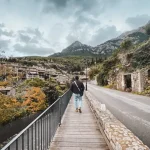
📷 Featured image by Raúl Mermans García on Unsplash.