On this page
- The Nightlife Neighbourhoods: Knowing Where You Want to End Up
- Club Culture: Valencia’s Best Venues for Dancing Until Dawn
- The Bar Crawl Routes: Street by Street
- Live Music and Late-Night Concerts
- Beach Night Scene: Malvarrosa and Las Arenas After Dark
- 2026 Budget Reality: What a Night Out Actually Costs in Valencia
- Practical Nightlife Logistics: Timing, Transport, and What’s Changed in 2026
- Frequently Asked Questions
💰 Click here to see Spain Budget Breakdown
💰 Prices updated: October, 2026. Budget figures are estimates — always verify before travel.
Exchange Rate: $1 USD = €0.88
Daily Budget (per person)
Shoestring: €60.00 – €90.00 ($68.18 – $102.27)
Mid-range: €120.00 – €180.00 ($136.36 – $204.55)
Comfortable: €220.00 – €470.00 ($250.00 – $534.09)
Accommodation (per night)
Hostel/guesthouse: €15.00 – €50.00 ($17.05 – $56.82)
Mid-range hotel: €70.00 – €130.00 ($79.55 – $147.73)
Food (per meal)
Budget meal: €7.00 ($7.95)
Mid-range meal: €25.00 ($28.41)
Upscale meal: €80.00 ($90.91)
Transport
Single metro/bus trip: €3.00 ($3.41)
Monthly transport pass: €24.00 ($27.27)
Valencia‘s nightlife has a reputation problem — not because it’s bad, but because visitors keep underestimating it. People arrive expecting a quieter version of Madrid or Barcelona and leave shocked that they were still dancing at 7am on a Sunday. In 2026, the city has doubled down on its late-night identity: new tourist tax rules now fund public transport extensions on weekends, the Cabanyal beach district has exploded as a nightlife destination, and several legendary clubs that went dark during the early 2020s have reopened with serious investment. If you’re planning a night out in Valencia and you want to do it properly, this guide is your starting point.
The Nightlife Neighbourhoods: Knowing Where You Want to End Up
Valencia’s night scene is not concentrated in one place, and choosing the wrong neighbourhood for your mood can mean a long taxi ride at 3am. Each barrio has a distinct personality, and locals move between them depending on the night.
El Carmen
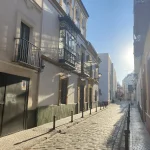
The oldest quarter in the city is the most visually dramatic place to drink. Narrow medieval lanes open suddenly into small plazas packed with tables, and the stone walls still hold the warmth of the day long after sunset. El Carmen is where the night starts for most people — bars here fill up between 10pm and 1am, then gradually thin out as the crowd migrates to clubs. Carrer de Calatrava and Carrer dels Cavallers are the two main arteries. The mix is young locals, Erasmus students, and tourists who’ve done their homework.
Ruzafa
Ruzafa is Valencia’s most cosmopolitan neighbourhood, and its bar scene reflects that. The streets around Carrer de Dénia and Carrer de Cuba are dense with cocktail bars, natural wine spots, and craft beer venues. The crowd here tends to be late 20s to mid-30s — design students, digital nomads, local creatives. Things get going around midnight and the energy peaks around 2–3am. Ruzafa rarely turns into a full club night, but for atmosphere and quality of drinks, it’s unmatched.

Cabanyal
This former fishing village two kilometres from the city centre has transformed rapidly. In 2026, Cabanyal is the neighbourhood everyone is talking about. The tiled facades and wide avenues host a growing number of bars that feel genuinely neighbourhood-owned rather than developed for tourists. The vibe is relaxed until it suddenly isn’t — weekend nights around Carrer de la Reina and Carrer del Progrés can get surprisingly loud. It’s a 10-minute ride on the Tram T4 from the city centre and worth the trip.
Benimaclet
Further north, Benimaclet is Valencia’s student neighbourhood and proud of it. The Plaza de Benimaclet is the social hub — cheap beer, tapas, and a crowd that starts early by Valencia standards (meaning 9pm). It’s unpretentious, affordable, and has an infectious local energy that the more polished central neighbourhoods sometimes lack. Not the place for a club night, but a brilliant warm-up before heading south.
Club Culture: Valencia’s Best Venues for Dancing Until Dawn
Valencia has always produced serious club nights, and 2026 has seen a wave of reinvestment in the city’s larger venues. These are the spaces that justify staying up until sunrise.
Sala Mondo
Located near the old riverbed park, Sala Mondo is the city’s premier venue for techno and electronic music. The sound system was fully rebuilt in late 2024 — the bass is physical, the kind you feel in your chest before you hear it. Capacity sits around 800, the layout is sensible, and the booking policy has improved significantly. International DJs pass through regularly on the way between Madrid and Barcelona. Entry runs between €10 and €20 depending on the night, with drink tokens sometimes included.

Akuarela Playa
This is the iconic summer club, open from June to September on the beach. Akuarela has been running in some form for over two decades and continues to be the benchmark for open-air nights in the city. House music dominates, the crowd is mixed age, and the view of the Mediterranean at 5am while the sky starts turning grey is genuinely hard to describe to someone who hasn’t seen it. Tickets range from €15 to €25; arrive before 1am if you want to avoid the long queue.
Distrito Mar
For commercial electronic, house, and big-name DJ nights, Distrito Mar near the port area is the largest option. It holds up to 2,000 people across multiple rooms and can feel anonymous if you let it, but the production quality is high and the programming is consistent. Best on Saturdays when all rooms are running. Entry from €12 to €30 for headline events.
Radio City Valencia
Radio City sits in El Carmen and occupies a very different space — it’s a mid-sized venue that programmes everything from reggaeton and cumbia to 80s nights and soul. The ceiling is low, the air is warm, and it gets loud fast. No dress code, no attitude, relatively cheap drinks. This is where a genuinely mixed local crowd ends up on a Thursday.
The Bar Crawl Routes: Street by Street
Valencia rewards walking. The best nights here aren’t built around a single venue — they’re built around movement, stumbling from one place to the next, following the noise. Here are two routes that locals actually use.

The El Carmen Loop
Start at Bar Negrito in Plaza del Negrito — cold beer, outdoor tables, and a crowd that arrives at 9pm and lingers. From there, walk northwest along Carrer dels Cavallers and stop at any of the small bars along the stretch between Plaza de la Virgen and the Torres de Quart city gates. The medieval towers are lit up at night and visible from several spots — the contrast of the old stonework against the noise and movement of a Saturday night is one of those images that stays with you. Work back east through Carrer de Calatrava, which has a higher density of bars per square metre than almost anywhere in the city. By 1am, the energy peaks and you can either stay in the neighbourhood or call a taxi to a club.
The Ruzafa Round
Begin at Ubik Café on Carrer de la Literato Azorín — a bookshop-bar hybrid that hosts small live acts early in the evening. Then head south to Carrer de Dénia and walk the two-block stretch that includes a rotating cast of cocktail bars and natural wine spots. Bar Muñeca is worth a stop if you want vermouth done properly. Continue south toward Carrer de Cuba and finish around midnight at one of the larger terrace bars near the intersection with Carrer del Literat Azorín. From Ruzafa, the taxi ride to any club in the city is under 10 minutes.
Live Music and Late-Night Concerts
Valencia has an underappreciated live music scene. The clubs get the attention, but the city’s smaller venues carry their own weight, and several of them run until 3am or later on weekends.

Flamenco
The Comunitat Valenciana has its own folkloric tradition (the music you’ll hear most locals associate with identity is the dolçaina and percussion of Falles), but flamenco has a real presence in the city’s nightlife. Palau de la Música hosts larger flamenco productions, but for the real late-night experience, the small tabernas in El Carmen occasionally run informal juergas — intimate sessions where the sound of handclaps and guitar fills a room of maybe 40 people. These aren’t advertised loudly; check local listings sites like Culturaplán Valencia or ask at your accommodation.
Jazz and Indie
Jimmy Glass Jazz Bar in El Carmen is a genuine institution. The space holds maybe 60 people standing, the programming is serious, and the late sets don’t start until 11pm or midnight. It’s the kind of bar where the music is the point — conversation drops when the band plays. For indie and alternative rock, Sala El Loco in the Extramurs neighbourhood runs regular Friday night shows with doors at 10pm and sets ending well after 1am.
Electronic Live Acts
Beyond DJs, Valencia has a cluster of venues hosting live electronic acts — synthesisers, drum machines, and performers who actually play their sets rather than mix them. 16 Toneladas on Carrer de Salamanca is the best of these — a mid-sized venue with good acoustics and a booking history that includes international artists before they became expensive to programme.
Beach Night Scene: Malvarrosa and Las Arenas After Dark
Between June and mid-September, the beach becomes a parallel nightlife city. The Passeig Marítim — the long boulevard running behind the sand — transforms every evening into something between a boardwalk and a club strip.
The chiringuitos (beach bars) along Malvarrosa and Las Arenas beaches start transitioning from food service to full bar mode around 10pm. The smell of salt air and the sound of music spilling out from multiple directions at once makes the beach strip feel genuinely festive in a way that’s hard to replicate indoors. By midnight, the main chiringuito clusters near the end of Carrer de l’Eugènia Viñes are standing-room only.

For dedicated beach clubs, Nautilus Valencia and La Más Chula both operate in this stretch and run DJ nights on Fridays and Saturdays. Akuarela Playa, mentioned above in the club section, sits at the southern end of this strip and represents the peak of the beach night experience.
A practical note: the Tram T4 from the city centre reaches the beach in under 15 minutes, but it stops running around midnight. From that point, taxis or ride-share apps (Cabify and Uber both operate in Valencia in 2026) are your route back. Budget €8–€12 for a taxi from the beach to the city centre.
2026 Budget Reality: What a Night Out Actually Costs in Valencia
Valencia is still significantly cheaper than Madrid or Barcelona for a night out, but prices have moved since 2024. Here’s what to realistically expect in 2026.
Budget Night (Under €30)
- Drinks in El Carmen or Benimaclet: €2.50–€4 for a beer, €5–€7 for a basic cocktail
- Entry to Radio City or smaller club nights: €5–€10
- Late-night snack from one of the bocadillo bars near the Torres de Serranos: €3–€5
- Night bus home: €1.50
A full budget night — 4 drinks, entry to one venue, food, and transport — lands around €25–€30 if you’re disciplined.
Mid-Range Night (€50–€80)
- Cocktails in Ruzafa: €8–€12 each
- Entry to Distrito Mar or Sala Mondo: €12–€20
- Taxi to and from the club: €10–€16 total
- Drinks inside the club: €8–€10 per drink
Four cocktails in Ruzafa, club entry, two drinks inside, and a taxi back puts you at around €65–€75.
Comfortable Night (€100+)

- Seated table service at a beach club or upscale bar: minimum spends typically €30–€50 per person
- Bottle service at Distrito Mar: starts at €120 per bottle (shared across a group, this is often competitive)
- Premium cocktail bars in the city centre: €13–€18 per drink
One important change in 2026: Valencia’s city council introduced a modest late-night surcharge for ride-share apps between 2am and 6am. Expect Cabify and Uber fares to run 20–25% higher in that window compared to earlier in the evening.
Practical Nightlife Logistics: Timing, Transport, and What’s Changed in 2026
Understanding the rhythm of a Valencia night is genuinely important. Show up at the wrong time and you’ll be standing in an empty room.
The Valencian Timetable
Dinner starts at 9pm or later. Pre-drinks at bars from 10pm. Club doors open at midnight but the floor doesn’t fill until 2am. Peak energy is 3–5am. Afters, where they exist, run until 8am or later. This is not an exaggeration — it’s the standard schedule for a weekend night, and locals are baffled when tourists arrive at clubs at 11pm and find them empty.
Transport After Dark
As of 2026, Valencia runs Nit Bus (night bus) services on Friday and Saturday nights until 5am, covering most major routes from the city centre to residential neighbourhoods. This is a genuine improvement over 2024 — the service was extended as part of the tourist tax reinvestment. The metro does not run overnight, but the night buses fill the gap reasonably well for anyone not heading to the beach clubs.
Taxis are widely available and reliable. The main taxi rank on Plaza del Ayuntamiento operates 24 hours. Cabify and Uber both function well, though during peak hours (2–4am on Saturdays) surge pricing can push a short ride to €15–€20.
Dress Codes and Door Policies
Valencia’s clubs are less strict on dress than Madrid or Ibiza, but larger venues like Distrito Mar do enforce minimum standards — trainers are usually fine, beachwear is not. Larger groups of men without women in the group may face longer waits at the door at some venues; this is openly acknowledged and more or less standard across Spanish club culture.

Safety
Valencia is a safe city by any European measure. The main caution is pickpocketing in very crowded bar streets in El Carmen — keep bags zipped and phones in front pockets on the busiest weekend nights. The city has increased Policía Local foot patrols in El Carmen and Ruzafa on weekend evenings since 2025, which has had a measurable effect.
Frequently Asked Questions
What time do clubs actually get busy in Valencia?
Realistically, between 2am and 3am. Clubs open at midnight but are largely empty until well past 1am. If you want to experience a Valencia club at full energy, don’t arrive before 2am. This applies to Friday and Saturday nights — midweek nights are earlier but also quieter overall.
Is Valencia nightlife expensive compared to other Spanish cities?
No — Valencia remains one of the more affordable major Spanish cities for a night out in 2026. Drinks are cheaper than Barcelona or Madrid, club entry is generally lower, and taxis cost less. A solid mid-range night out lands around €60–€75 per person including entry, drinks, and transport.
Which neighbourhood is best for a first night out in Valencia?
El Carmen is the most accessible starting point — it’s central, walkable, visually impressive, and covers everything from cheap student bars to cocktail spots. Ruzafa is better if you want a more local, less touristy feel. Most visitors do El Carmen first and Ruzafa on a second or third night.
Are there good nightlife options in Valencia outside summer?
Yes — the indoor club and bar scene runs year-round and is arguably better in autumn and winter when the crowds are local-heavy. The beach clubs and chiringuitos are seasonal (June to September), but Sala Mondo, Radio City, 16 Toneladas, and the bar strips of El Carmen and Ruzafa operate 12 months a year.
How do I get back from the beach clubs to the city centre at night?
The Tram T4 stops running around midnight, so after that your options are taxi or ride-share. A taxi from Malvarrosa or Las Arenas beach to the city centre costs €8–€12. Cabify and Uber both operate the route but apply a late-night surcharge from 2am. In summer, some organised club nights run shuttle buses back to the centre — check the specific venue’s website in advance.
Explore more
Valencia Travel Tips: Your Essential Guide to Getting Around, Budget & Best Time to Visit
Best Neighborhoods in Valencia, Spain — Area-by-Area Guide
The Ultimate Valencia Food Guide: Where to Eat Now
📷 Featured image by Konstantin Chemeris on Unsplash.