On this page
- Current Heat Emergency Conditions and Regional Impact
- Beach Safety Protocols and Early Season Challenges
- Travel Disruptions and Transport Adjustments
- Where to Find Relief: Cool Alternatives to Beach Tourism
- Budget Impact: Accommodation and Activity Price Changes
- Health Precautions for Travelers During Extreme Heat
- Frequently Asked Questions
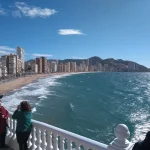
An unprecedented February heatwave has pushed temperatures across southern Spain to 28°C, catching tourists and locals off guard as beach towns scramble to implement summer safety measures three months early. The sudden weather shift has triggered early season warnings from Málaga to Almería, forcing travelers to rethink their spring itineraries.
Current Heat Emergency Conditions and Regional Impact
The Spanish meteorological service AEMET has issued yellow and orange alerts across Andalusia as temperatures soar 12-15 degrees above seasonal averages. Coastal cities from the Costa del Sol to the Costa de Almería are experiencing their hottest February on record, with some areas reaching 30°C during peak afternoon hours.
Málaga recorded 29°C on February 14th, breaking a 127-year temperature record. The heat dome extends from Gibraltar to Cabo de Gata, affecting major tourist destinations including Marbella, Torremolinos, and Almería city. Inland areas like Córdoba and Seville are experiencing even more extreme conditions, with temperatures climbing toward 32°C.
The unexpected warmth has triggered unusual ecological responses. Almond trees across the region began blooming in January, and beach restaurants report tourists swimming in the Mediterranean despite water temperatures remaining at winter levels of 16-18°C.
Regional authorities have activated early warning systems typically reserved for July and August. The Junta de Andalucía has opened cooling centers in major cities and extended public pool hours in municipalities with facilities.
Beach Safety Protocols and Early Season Challenges
Coastal municipalities face a unique challenge: summer crowds arriving when lifeguard services and beach facilities operate on winter schedules. Many beaches along the Costa del Sol currently lack full lifeguard coverage, which typically doesn’t begin until Easter week.
The sound of beach umbrellas being hastily erected echoes along Málaga’s shores as vendors rush to meet unexpected demand. However, many beach clubs and chiringuitos remain in winter mode, with limited shade structures and reduced staff.

Water temperatures present another safety concern. While air temperatures suggest swimming weather, the Mediterranean remains at winter levels. The temperature shock between 28°C air and 16°C water has prompted several emergency calls along popular beaches like La Malagueta and Burriana in Nerja.
Local authorities have issued specific warnings about dehydration risks. The combination of intense sun and dry Levante winds creates conditions more typical of midsummer, but without the infrastructure preparations usually in place by then.
Emergency Contact Updates
The regional emergency number 112 has added heat-related health advisories to their automated system. Beach towns have also activated their tourist information hotlines earlier than planned, with multilingual staff providing safety updates in English, German, and French.
Travel Disruptions and Transport Adjustments
The unexpected heatwave has created cascading effects throughout southern Spain’s transport network. RENFE has implemented heat protocols on several regional lines, reducing speeds on tracks that haven’t undergone summer heat expansion treatments yet.
The AVE line between Madrid and Málaga experienced minor delays on February 12th as technicians conducted emergency track inspections. While high-speed services continue operating normally, regional trains along the coast face occasional speed restrictions during peak afternoon heat.
Málaga-Costa del Sol airport reports increased passenger volume as travelers change plans to extend beach holidays. Car rental agencies describe unprecedented February demand, with convertibles and vehicles with premium air conditioning commanding summer-level prices.
Bus services along the coastal N-340 highway have added extra water supplies and implemented more frequent stops. The Portillo bus company, which connects major Costa del Sol destinations, has activated its summer hydration protocols typically reserved for July routes.

Parking has become an unexpected challenge. Beach town parking lots designed for moderate winter use are overwhelmed by sun-seekers. Marbella has opened additional municipal lots and extended meter hours to accommodate the influx.
Where to Find Relief: Cool Alternatives to Beach Tourism
Smart travelers are discovering that 2026’s early heatwave opens unique opportunities for comfortable sightseeing in typically crowded summer destinations. The Alhambra in Granada benefits from still-cool morning temperatures while avoiding the intense heat that makes afternoon visits unbearable in peak season.
Cave tourism offers natural air conditioning. The Caves of Nerja maintain their constant 19°C temperature year-round, providing welcome relief just minutes from overheated coastal areas. Similarly, the Pileta Cave near Ronda offers stunning prehistoric art in cool, comfortable conditions.
Mountain villages above 800 meters elevation remain pleasantly mild. Ronda sits at perfect temperatures around 22°C, while white villages like Casares and Grazalema offer hiking opportunities without the exhausting heat of coastal areas.
Urban exploration becomes more comfortable in normally scorching cities. Córdoba’s Mezquita-Cathedral provides cool sanctuary, and the narrow streets of Sevilla’s Santa Cruz neighborhood offer shade and traditional architecture without summer’s oppressive heat.
Indoor attractions are extending hours to accommodate heat refugees. The Picasso Museum in Málaga has added afternoon time slots, and the Centre Pompidou Málaga reports record February attendance as visitors seek climate-controlled cultural experiences.
Water-Based Alternatives
River beaches along the Guadalquivir and Genil rivers provide cooler swimming options than the still-cold Mediterranean. Natural pools in the Sierra Nevada foothills maintain refreshing temperatures perfect for the current weather.
Budget Impact: Accommodation and Activity Price Changes
The unexpected weather shift has created a complex pricing landscape across southern Spain’s tourism sector. Hotels that typically offer February rates 40-50% below summer prices are implementing dynamic pricing adjustments as demand surges.

Budget Accommodations (€30-60/night): Hostels and budget hotels maintain winter rates but report full occupancy for the first time in February. Some properties are adding air conditioning surcharges typically applied only during summer months.
Mid-Range Hotels (€80-150/night): Three and four-star properties show the biggest price volatility. Coastal hotels with pools have increased rates by 15-25% over standard February pricing, while inland properties maintain stable rates.
Luxury Properties (€200-500/night): High-end resorts along the Costa del Sol are implementing early season surcharges. The Puente Romano in Marbella and Hotel Villa Padierna have activated summer pricing structures a month earlier than usual.
Activity costs reflect the sudden demand shift. Boat tours and water sports operators are charging summer rates despite limited service availability. Parasailing companies in Torremolinos report booking inquiries up 300% compared to typical February levels.
Restaurant terraces are adding misting systems and extending shade coverage, with some establishments charging premium seating fees for covered outdoor tables during peak afternoon hours.
Health Precautions for Travelers During Extreme Heat
The combination of intense February sun and unprepared tourists creates heightened health risks. UV levels reach summer intensity while visitors arrive equipped for mild spring weather. Sunscreen becomes essential equipment rather than optional protection.
Dehydration risk increases significantly with the dry Levante winds that accompany this weather pattern. The regional health service recommends consuming 3-4 liters of water daily, double the normal tourism recommendations for this time of year.
Heat exhaustion symptoms appear faster in visitors not acclimatized to sudden temperature changes. Warning signs include dizziness, excessive sweating, and nausea. The smell of overheated rental cars and hot pavement creates an almost summer-like atmosphere that can catch visitors off guard.

Prescription medications require special attention. Insulin and other temperature-sensitive drugs need proper storage as hotel rooms without adequate air conditioning can exceed safe storage temperatures.
Timing becomes crucial for outdoor activities. The midday sun between 12:00-16:00 carries summer-level intensity. Morning explorations before 11:00 and evening activities after 18:00 provide optimal conditions for sightseeing and outdoor dining.
Emergency Preparedness
Travelers should carry extra water, wear protective clothing, and familiarize themselves with local emergency services. The 112 emergency number provides immediate assistance in multiple languages for heat-related health emergencies.
Frequently Asked Questions
Are beaches safe for swimming during this February heatwave? Water temperatures remain at winter levels (16-18°C), creating a significant temperature shock despite warm air. Many beaches operate with reduced lifeguard coverage until mid-March, so exercise extra caution.
Will this affect my planned March visit to southern Spain? Weather patterns may normalize by March, but current models suggest above-average temperatures continuing. Pack summer clothing alongside spring essentials and monitor local weather forecasts for your specific destinations.
Are tourist attractions operating normal hours during the heat? Most attractions maintain winter schedules but some are extending hours or adding afternoon time slots. Indoor attractions like museums report increased demand as visitors seek air-conditioned spaces during peak heat hours.
How much should I budget extra for this unexpected weather? Accommodation rates have increased 15-25% in coastal areas, and you may need additional expenses for sun protection, extra water, and cooling activities. Budget an extra €20-30 per day for heat-related adjustments.
What’s the best time of day for outdoor activities right now? Morning hours before 11:00 and evening hours after 18:00 offer the most comfortable conditions. Midday activities should focus on shaded or indoor locations to avoid the intense 12:00-16:00 sun exposure period.
Explore more
Spain’s First Underwater Museum Opens Off Costa Brava Coastline
Do I Need ETIAS for Spain in 2026? Essential Updates for Travelers
ETIAS for Spain Travel 2026: Your Complete Guide to the New Requirement