On this page
- Three Days Is Exactly Enough — If You Plan It Right
- Day 1: The Alhambra and Generalife — Getting It Right
- Day 1 Evening: Albaicín, San Nicolás Viewpoint & the Tapas Ritual
- Day 2: Sacromonte, the Cathedral Quarter & the Alcaicería
- Day 2 Evening: The Tapas Crawl
- Day 3: Getting Out of the City — Three Options
- Where to Eat and Drink — The Real Granada Food Map
- Getting Around Granada in 2026
- Where to Stay in Granada
- When to Visit Granada
- 2026 Budget Breakdown
- Practical Tips for First-Timers in 2026
- Frequently Asked Questions
💰 Click here to see Spain Budget Breakdown
💰 Prices updated: October, 2026. Budget figures are estimates — always verify before travel.
Exchange Rate: $1 USD = €0.88
Daily Budget (per person)
Shoestring: €60.00 – €90.00 ($68.18 – $102.27)
Mid-range: €120.00 – €180.00 ($136.36 – $204.55)
Comfortable: €220.00 – €470.00 ($250.00 – $534.09)
Accommodation (per night)
Hostel/guesthouse: €15.00 – €50.00 ($17.05 – $56.82)
Mid-range hotel: €70.00 – €130.00 ($79.55 – $147.73)
Food (per meal)
Budget meal: €7.00 ($7.95)
Mid-range meal: €25.00 ($28.41)
Upscale meal: €80.00 ($90.91)
Transport
Single metro/bus trip: €3.00 ($3.41)
Monthly transport pass: €24.00 ($27.27)
Three Days Is Exactly Enough — If You Plan It Right
Granada is one of the few Spanish cities where the main attraction — the Alhambra — can eat your entire trip alive if you let it. In 2026, Alhambra ticket scarcity has gotten worse, not better. Slots for the Nasrid Palaces regularly sell out six to eight weeks ahead, especially between April and October. Travelers who show up without pre-booked tickets are turned away every single day. This itinerary is built around that reality: get the Alhambra locked in first, then layer everything else around it. Three focused days will cover Granada’s Moorish soul, its legendary free tapas culture, its flamenco caves, and still leave room for a day trip into the surrounding landscape.
Day 1: The Alhambra and Generalife — Getting It Right
Block the entire morning and early afternoon for the Alhambra complex. This is non-negotiable. Trying to squeeze it into a half-day leads to rushed, regretful visits. The full complex — Nasrid Palaces, Alcazaba fortress, and Generalife gardens — takes three to four hours at a comfortable pace.
Booking Your Tickets in 2026
Book through the official Alhambra website (alhambra-patronato.es) and pay with a Spanish or European card if possible — some international cards still trigger payment errors on the platform. Tickets cost €18 for general admission including Nasrid Palaces entry. The timed entry slot for the Nasrid Palaces is printed on your ticket — arriving even ten minutes late means you forfeit that slot. Set an alarm.
The morning light inside the Nasrid Palaces is extraordinary. The carved stucco of the Hall of the Ambassadors catches low sun in a way that makes the geometric patterns seem to move. The silence in the early slots — before the mid-morning tour groups arrive — lets you hear water trickling through channels that are nearly 700 years old. That sound alone is worth booking the 8:30 or 9:00 entry.
After the Palaces: Alcazaba and Generalife
From the Nasrid Palaces, walk to the Alcazaba towers for panoramic views over Granada’s rooftops and the Sierra Nevada behind. Then cross to the Generalife gardens — the summer palace and its terraced water gardens are underrated. In late spring, the rose beds are in full bloom and the air smells like something out of a perfume bottle. Allow an hour here without rushing.

Day 1 Afternoon: Recover with Lunch Below the Hill
After the Alhambra, walk downhill into the Realejo neighbourhood — Granada’s old Jewish quarter. It’s quieter than the tourist centre and has several good lunch spots. Grab a table at any bar on or near Calle Molinos and order a cold beer: in Granada, every drink still comes with a free tapa. This isn’t marketing — it’s law by local custom, and it’s one of the things that makes Granada genuinely different from the rest of Andalusia.
Day 1 Evening: Albaicín, San Nicolás Viewpoint & the Tapas Ritual
The Albaicín is Granada’s Moorish hillside neighbourhood — a UNESCO World Heritage Site of whitewashed houses, steep cobbled lanes, and hidden tea houses. Allow two hours to wander without a fixed plan. Get lost between Calle Calderería Nueva (the so-called “Tea Street” lined with Moroccan-style teterías) and the higher residential streets where cats sleep on ancient walls and laundry hangs between windows.
Time your climb to the Mirador de San Nicolás for about 30 minutes before sunset. The view across to the Alhambra as the palace turns amber-gold in the evening light is one of the most photographed scenes in all of Spain — for good reason. Arrive early enough to find a spot on the stone wall. In peak season, the viewpoint fills fast. A guitarist often plays here at dusk; the music drifts across the valley and makes the whole scene feel slightly unreal.
For your first proper evening, eat in the Albaicín itself. The stretch of bars near Plaza Larga serves free tapas with every drink. Order house wine (tinto de verano in summer) and let the kitchen surprise you.
Day 2: Sacromonte, the Cathedral Quarter & the Alcaicería
Morning: Sacromonte’s Cave District
Sacromonte sits on the hill adjacent to the Albaicín, and its identity is completely different. This is Granada’s Romani neighbourhood, built into cave dwellings cut directly into the hillside. The Museo Cuevas del Sacromonte (open from 10:00) explains the history of the community through furnished cave interiors — it’s genuinely interesting, not a tourist trap. Entry costs €5. Walk the Camino del Sacromonte uphill and the views back across to the Alhambra rival those from San Nicolás.
Midday: Cathedral, Royal Chapel & the Alcaicería

Head down to Granada’s centro histórico. The Cathedral of Granada is one of Spain’s first Renaissance cathedrals and takes about 45 minutes to visit properly. Entry is €5. Next door, the Capilla Real (Royal Chapel) holds the tombs of Ferdinand and Isabella — the monarchs who commissioned Columbus’s voyage and ended Moorish rule in Granada in 1492. Entry is €6. The gilded altarpiece is extraordinary, and the small museum holds Isabella’s personal art collection, including Flemish paintings she brought from the Netherlands.
Just behind the Cathedral, the Alcaicería is a reconstructed Moorish silk market. It’s touristy, yes, but it’s also the best place in Granada to buy quality ceramics, leather goods, and handwoven textiles. Prices are negotiable if you speak a little Spanish and aren’t in a rush.
Afternoon: Corral del Carbón & Plaza Nueva
The Corral del Carbón is Granada’s only surviving Nasrid caravanserai — a medieval merchants’ inn. It’s free to enter, often overlooked, and takes ten minutes. From there, walk to Plaza Nueva and along the Darro River path (Paseo de los Tristes) which runs beneath the Alhambra walls. This is one of the most beautiful short walks in southern Spain, especially in late afternoon when the light hits the red stone walls of the fortress above.
Day 2 Evening: The Tapas Crawl
Granada’s free tapas scene is centred on a few key streets. Calle Navas, running south from Plaza del Carmen, is the most concentrated strip — bar after bar, each with its own house tapa. The local rule is that the kitchen decides what you get; regulars know which bars give the best food. Cervecería Los Diamantes on Plaza Nueva is famous for its fried fish and seafood tapas. Bar Bodegas Castañeda on Calle Almireceros has been pouring wine since 1930 and the barrels behind the counter are original. Order a glass of local Contraviesa-Alpujarra white wine and the tapa will likely be something with jamón or local cheese.
For a sit-down dinner rather than bar-hopping, the Realejo neighbourhood has the best balance of quality and price. Restaurants on and around Calle Santiago serve full Andalusian dinners — grilled meats, slow-cooked rabo de toro, fresh vegetables from the Vega — for €12–€20 per person with wine included.
Day 3: Getting Out of the City — Three Options
Option 1: Sierra Nevada (30 minutes from Granada)
Granada is the only European city with ski slopes less than an hour from its centre. In winter (December through April), the Sierra Nevada ski resort operates at altitudes between 2,100m and 3,300m. Lift passes in 2026 cost approximately €42–€55 per day depending on season. In summer, the high plateau is excellent for hiking — the GR7 trail crosses through here, and the views on a clear day stretch to Morocco. Buses run from Granada bus station to the resort.

Option 2: Las Alpujarras Villages (1.5–2 hours)
The Alpujarras are a series of white mountain villages clinging to the southern slopes of the Sierra Nevada. Lanjarón, Órgiva, Pampaneira, Bubión, and Capileira form the most visited route. The landscape — deep ravines, terraced gardens, Berber-influenced architecture — feels nothing like the rest of Andalusia. You need a rental car or a tour to do this properly; public bus service exists but limits your time significantly. Allow a full day.
Option 3: Guadix & the Cave Houses (1 hour by bus or car)
Guadix is one of Spain’s strangest and most underrated towns. Around 2,000 families still live in cave houses dug into the clay badlands north of the town — not as a tourist attraction, but as their actual homes. The cathedral quarter is baroque and beautiful, the local market sells produce you won’t find in Granada city, and the entire place feels like a film set. Direct buses run from Granada’s bus station in about 50 minutes.
Where to Eat and Drink — The Real Granada Food Map
Granada’s Mercado San Agustín, just off the Cathedral square, is the main covered market. It’s a working market for locals, not a food hall renovation project — stalls sell fresh produce, cheese, jamón, and fish. The best time to visit is weekday mornings before noon. There are a handful of bar counters inside where market workers eat breakfast: strong coffee, tostada with olive oil, and sometimes a small tapa even at 9:00.
For tapas bar streets, the hierarchy is roughly: Calle Navas for volume and variety, Calle Elvira for a younger crowd and more creative kitchens, and the Albaicín for atmosphere over quantity. The area around Plaza de la Trinidad has several bars popular with university students — prices are low and the tapas are generous.
Granada’s local craft beer scene expanded significantly in 2025–2026. Several breweries in the Realejo and along Calle de San Antón now serve their own IPAs and lagers alongside the standard Alhambra brand beer (which is brewed here). Cervecería Nacional on Calle Recogidas is a good starting point for the craft beer crowd.

Getting Around Granada in 2026
The historic centre is compact and largely walkable, but the hills — especially to the Alhambra, Albaicín, and Sacromonte — are steep. Wear shoes with grip.
- Bus to the Alhambra: City bus C3 runs from Plaza Nueva directly to the Alhambra entrance. It costs €1.40 and runs frequently. Walking uphill is possible (about 25 minutes) but tiring before a long visit.
- Albaicín minibus: Bus C1 runs a circular route through the Albaicín from Plaza Nueva. Essential for reaching the upper streets.
- Taxis and Cabify: Cabify operates in Granada in 2026 and is generally cheaper than taxis for cross-city rides. Taxis from the airport cost around €30–€35.
- Airport connections: Granada Airport (GRX) is 17km west of the city. Bus J23 runs to the city centre for €3. Journey time is around 45 minutes depending on traffic. In 2025, Vueling and Ryanair both added new direct routes from UK and northern European cities, making fly-in weekend trips more viable.
- AVE high-speed rail: The Granada AVE line connecting to Madrid (via Antequera) operates in 2026, with journey times of approximately 3 hours 20 minutes. Trains from Seville take around 2.5 hours with a connection.
Where to Stay in Granada
Budget (under €60/night)
The area around Gran Vía de Colón and the university district has the highest concentration of hostels and guesthouses. Oasis Backpackers Hostel and similar options offer dorm beds from €18–€25 and private rooms from €45–€58. Location is central and flat — useful for avoiding the hills at the end of a long day.
Mid-Range (€60–€140/night)
The Realejo neighbourhood is the best base for mid-range stays. Several boutique hotels occupy converted historic houses here with courtyard gardens. The Hotel Hospes Palacio de los Patos on Calle Solarillo de Gracia sits in a renovated 19th-century palace and represents the upper end of this tier at around €120–€140/night.
Luxury (€140+/night)
The Alhambra hill itself has two upper-tier options: the Parador de Granada, which sits inside the Alhambra complex walls, and the Hotel Alhambra Palace just below. The Parador is one of Spain’s most famous paradores — breakfast on the terrace overlooking the Generalife gardens is a genuine experience. Rooms from €200–€350/night depending on season. Book months ahead.
When to Visit Granada
Granada sits at 690m altitude, which makes it noticeably cooler than Seville or Málaga in summer. July and August highs reach around 35°C but evenings cool to a comfortable 20°C. Winter brings genuine cold — January averages 7°C during the day — and occasionally snow in the city itself.

Best overall months: April, May, October, and November. Spring brings the Festival Internacional de Teatro y Danza (April) and Semana Santa processions, which in Granada are particularly atmospheric given the city’s layout. The Corpus Christi festival in June is Granada’s biggest annual celebration — bullfights, flamenco, and street parties fill ten days.
July and August are peak tourist months. Alhambra slots vanish fastest in this window. The city is busy but functioning; the Sierra Nevada makes an excellent escape from afternoon heat.
2026 Budget Breakdown
- Budget traveller (hostel, tapas, public transport): €50–€70/day. The free tapas system significantly reduces food costs — you can eat well drinking two to three beers per meal session and spend under €15 on food for the evening.
- Mid-range traveller (boutique hotel, mix of restaurants and bars, some attractions): €100–€150/day. Factor in Alhambra tickets (€18), Cathedral + Royal Chapel (€11 combined), and one sit-down dinner per evening (€20–€30 with wine).
- Comfortable traveller (parador or upper boutique hotel, taxis, guided tours, quality restaurants): €200–€280/day. A private Alhambra guided tour with a licensed guide costs around €150–€200 for a group, which is worth it for the historical context.
Practical Tips for First-Timers in 2026
- Tap water: Safe to drink throughout Granada. Carry a refillable bottle — drinking fountains exist across the city including in the Albaicín.
- Tipping: Not expected but appreciated. Rounding up to the nearest euro is normal at bars. In sit-down restaurants, 5–10% for good service is generous.
- Siesta hours: Many smaller shops and some restaurants close between 14:00 and 17:00. The major attractions and supermarkets remain open. Plan lunch accordingly.
- SIM cards: Buy a local SIM at any phone shop on Gran Vía. Movistar, Vodafone, and Orange all have coverage in the Sierra Nevada, though it weakens in the higher Alpujarras valleys. A 30-day data SIM costs €10–€15.
- Safety: Granada is one of Andalusia’s safer cities. The Albaicín is safe at night but the steep unlit lanes can be disorienting — save your offline map before heading up. Watch for bag-snatching on Gran Vía as in any city centre.
- Language: English is spoken in the Alhambra complex and most hotels. In tapas bars and local markets, a few words of Spanish go a long way. “Una cerveza y lo que pongas” — “a beer and whatever you’re serving” — is the perfect tapas bar phrase.
- Tourist tax: Granada city introduced a tourist overnight tax in late 2024, now fully operational in 2026. Rates range from €0.50 to €2.00 per person per night depending on accommodation category. It’s added to your bill at checkout.

Frequently Asked Questions
How far in advance should I book Alhambra tickets in 2026?
At least six to eight weeks ahead for visits between April and October. For December through February, two to three weeks is usually sufficient. Always book through the official Alhambra website and download your QR code before arrival. Third-party resellers charge premiums of €5–€15 and occasionally sell invalid tickets.
Is Granada’s free tapas still actually free in 2026?
Yes. Granada remains one of the few Spanish cities where bars bring a free tapa with every drink ordered. The tapa quality and size varies by bar, but you can genuinely eat a full dinner by bar-hopping on Calle Navas or Plaza de la Trinidad spending only on drinks, typically €2–€3.50 per beer or glass of wine.
Can you do the Alhambra without a guided tour?
Absolutely. The complex has good signage and the official Alhambra app (updated in 2025) provides audio guides keyed to your location. A self-guided visit works well if you read about the history beforehand. Guided tours add real value for understanding the decorative symbolism and political history behind the architecture — worth considering for a first visit.
What’s the best way to get from Granada to Seville or Málaga?
For Seville, the fastest option in 2026 is the AVE train via Antequera-Santa Ana, taking roughly 2.5 hours. For Málaga, direct buses from Granada bus station take about 1.5–2 hours and run frequently — this is faster and cheaper than the train connection, which requires a change.
Is Granada worth visiting in winter?
Yes, particularly for visitors who want the Alhambra without crowds. January and February offer some of the quietest conditions of the year. The city is cold but rarely miserable, and the Sierra Nevada ski season runs concurrently. Hotel prices drop significantly — mid-range rooms that cost €120 in May can be found for €65–€75 in January.
Explore more
Where to Eat the Best Free Tapas in Granada
Sacromonte Caves & Flamenco: Your Guide to Granada’s Gypsy District
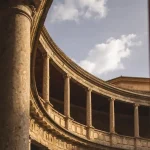
📷 Featured image by Sergey Konstantinov on Unsplash.