On this page
- Coastal Gems: Undiscovered Beach Towns Worth the Journey
- Mountain Villages That Time Forgot
- Historical Cities with Stories Untold
- Nature’s Hidden Wonders: National Parks and Natural Sites
- Culinary Capitals You Haven’t Heard About
- Getting There: Transport Links to Spain’s Hidden Corners
- Budget Breakdown: What These Destinations Actually Cost
- Frequently Asked Questions
💰 Click here to see Spain Budget Breakdown
💰 Prices updated: October, 2026. Budget figures are estimates — always verify before travel.
Exchange Rate: $1 USD = €0.88
Daily Budget (per person)
Shoestring: €60.00 – €90.00 ($68.18 – $102.27)
Mid-range: €120.00 – €180.00 ($136.36 – $204.55)
Comfortable: €220.00 – €470.00 ($250.00 – $534.09)
Accommodation (per night)
Hostel/guesthouse: €15.00 – €50.00 ($17.05 – $56.82)
Mid-range hotel: €70.00 – €130.00 ($79.55 – $147.73)
Food (per meal)
Budget meal: €7.00 ($7.95)
Mid-range meal: €25.00 ($28.41)
Upscale meal: €80.00 ($90.91)
Transport
Single metro/bus trip: €3.00 ($3.41)
Monthly transport pass: €24.00 ($27.27)
While tourists flood Barcelona’s Ramblas and queue for hours at Madrid’s Prado, Spain’s most authentic experiences often lie beyond the well-trodden path. In 2026, with sustainable tourism becoming increasingly important and many travellers seeking genuine cultural immersion over Instagram shots, exploring Spain’s lesser-known Destinations offers both environmental benefits and unforgettable memories.
Coastal Gems: Undiscovered Beach Towns Worth the Journey
Spain’s coastline stretches far beyond the crowded beaches of the Costa del Sol and Costa Brava. These coastal towns offer pristine shores, authentic fishing culture, and dramatic landscapes without the tourist masses.
Cudillero, Asturias clings to cliffsides like a pastel-painted amphitheatre overlooking the Cantabrian Sea. The multicoloured houses cascade down to a tiny fishing port where boats bob between weathered stone walls. The sound of seagulls mingles with the rhythmic crash of waves against the harbour breakwater as fishermen mend nets in the early morning light.
Cabo de Gata, Almería represents Europe’s only desert coastline, where volcanic cliffs plunge into turquoise Mediterranean waters. The protected natural park encompasses isolated beaches accessible only by foot, including Playa de Monsul with its distinctive rock formations. Flamingos wade through salt flats while the scent of wild thyme drifts across lunar-like landscapes.
Hondarribia, País Vasco guards the French border with medieval walls and cobblestone streets lined with wooden balconies. The fishing quarter serves exceptional pintxos while maintaining its Basque fishing village atmosphere, despite being just 20 minutes from San Sebastián.
Combarro, Pontevedra in Galicia showcases traditional hórreos (raised granaries) built on stone pillars extending over the sea. These ancient structures, designed to keep grain dry and rodent-free, create one of Spain’s most photographed waterfront scenes.
Mountain Villages That Time Forgot
Spain’s mountainous interior harbours villages where traditional life continues largely unchanged, offering glimpses into centuries-old customs and architecture.
Alquézar, Huesca perches dramatically on limestone cliffs in the Pre-Pyrenees, its medieval streets leading to a fortified church overlooking the Vero River canyon. Adventure seekers explore the surrounding Sierra de Guara, renowned for canyoning and rock climbing, while history enthusiasts discover prehistoric cave paintings in the Cultural Park of Vero River.

Potes, Cantabria serves as the gateway to the Picos de Europa National Park, where jagged limestone peaks soar above green valleys. The town’s stone bridges span rushing mountain streams while traditional restaurants serve cocido lebaniegu, a hearty chickpea stew that has warmed locals through harsh mountain winters for generations.
Caín, León marks the northern entrance to the Cares Gorge, one of Europe’s most spectacular hiking routes. This tiny village, population 50, maintains stone houses with slate roofs while offering basic accommodation for trekkers attempting the 12-kilometre trail carved into sheer cliff faces.
Capileira, Granada represents the highest village in the Spanish mainland at 1,436 metres above sea level. Located in the Alpujarras region below Mulhacén peak, the village retains its Moorish-influenced flat-roofed architecture and terraced farming methods introduced during Islamic rule.
Historical Cities with Stories Untold
Beyond the obvious choices of Toledo and Salamanca lie historical cities where significant chapters of Spanish history unfolded, often overshadowed by their more famous counterparts.
Úbeda and Baeza, Jaén form a UNESCO World Heritage site showcasing Spain’s finest Renaissance architecture. These twin cities, separated by just 9 kilometres, boast perfectly preserved palaces and churches commissioned by wealthy nobility during the 16th-century economic boom. The golden sandstone buildings glow amber in the late afternoon Andalusian sun.
Mérida, Extremadura preserves Rome’s most extensive ruins outside Italy, including a functioning Roman theatre still hosting performances 2,000 years after construction. The National Museum of Roman Art, designed by Rafael Moneo, houses exceptional mosaics and sculptures while the ancient bridge continues carrying traffic across the Guadiana River.

Lugo, Galicia remains the world’s only city completely surrounded by intact Roman walls. These 3rd-century fortifications stretch 2.2 kilometres around the historic centre, designated a UNESCO World Heritage site. Visitors walk atop the walls while exploring a living city where modern life unfolds within ancient boundaries.
Aranjuez, Madrid earned UNESCO recognition for its cultural landscape combining royal palace, gardens, and surrounding agricultural lands. The Royal Palace showcases 18th-century court life while the Tagus River provides strawberry fields immortalized in Joaquín Rodrigo’s famous guitar concerto.
Nature’s Hidden Wonders: National Parks and Natural Sites
Spain’s diverse geography creates extraordinary natural environments often overlooked in favour of cultural attractions.
Las Tablas de Daimiel, Ciudad Real protects one of Europe’s last surviving wetland ecosystems. This semi-arid region hosts over 250 bird species, including endangered white-headed ducks. Wooden walkways extend over reed beds where the gentle splash of waterfowl creates a peaceful soundtrack far removed from urban noise.
Bardenas Reales, Navarra presents a badlands landscape of eroded clay and sandstone formations resembling Arizona’s deserts. This UNESCO Biosphere Reserve inspired scenes in Game of Thrones while providing habitat for golden eagles and great bustards. The silence here is profound, broken only by wind whistling through sculpted rock towers.
Fragas do Eume, A Coruña preserves one of Europe’s best-conserved Atlantic coastal forests. Ancient oaks draped in moss create cathedral-like spaces while the Eume River carves deep gorges through granite bedrock. Medieval monasteries hide within the forest, including Caaveiro Monastery balanced on a rocky outcrop above the river.

Cabañeros National Park, Toledo and Ciudad Real protects Mediterranean forest and grassland habitats supporting Iberian lynx, Spanish imperial eagles, and black vultures. The park represents the Spanish countryside’s traditional landscape before intensive agriculture, with cork oaks scattered across rolling hills grazed by fighting bulls.
Culinary Capitals You Haven’t Heard About
Spain’s gastronomic reputation extends far beyond San Sebastián and Valencia, with lesser-known destinations offering distinctive regional cuisines and food traditions.
León claims to be the birthplace of tapas culture, where free small plates accompany every drink order. The historic Barrio Húmedo (Wet Quarter) houses traditional taverns serving morcilla (blood sausage), cecina (cured beef), and wines from nearby Bierzo region. Local tradition dictates moving between bars rather than settling in one establishment.
Logroño, La Rioja combines world-class wines with exceptional pintxos along Calle Laurel, known locally as “Senda de los Elefantes” (Path of the Elephants). This pedestrian street houses over 50 bars within 300 metres, each specializing in particular pintxos paired with Rioja wines from surrounding vineyards.
Jerez de la Frontera, Cádiz produces sherry wines using traditional solera aging systems dating back centuries. Bodegas offer tastings in cathedral-like cellars where flor yeast creates the characteristic flavour profile. Local cuisine pairs perfectly with sherry, particularly gazpacho served ice-cold from traditional clay bowls.
Zamora in Castile and León specializes in rice dishes rivalling Valencia’s paella, particularly arroz a la zamorana featuring local peppers and sausages. The city’s 24 Romanesque churches provide atmospheric backdrops for traditional restaurants serving hearty Castilian cuisine with influences from nearby Portugal.
Getting There: Transport Links to Spain’s Hidden Corners
Reaching Spain’s lesser-known destinations requires strategic planning, but 2026’s improved transport infrastructure has made previously remote locations more accessible.
The expanded AVE high-speed network now connects directly to cities like Mérida and Logroño, reducing journey times from Madrid significantly. Regional rail services operated by Renfe connect smaller destinations, though advance booking ensures seat availability during peak seasons.
Budget airlines have introduced new routes to regional airports including Asturias (for Cudillero), Pamplona (for Bardenas Reales), and León. Car rental remains the most flexible option for mountain villages and national parks, with 2026’s expanded electric vehicle charging network supporting sustainable travel choices.
ALSA bus services reach virtually every Spanish town, often providing the only public transport to remote villages. Their premium Supra service offers comfortable coaches with WiFi and charging ports for longer journeys. Many destinations work best as part of multi-stop itineraries rather than single-destination trips.
Budget Breakdown: What These Destinations Actually Cost
One of the greatest advantages of exploring beyond Spain’s main cities is the significant cost savings without sacrificing quality experiences.
Budget Level (€40-60 per day): Mountain villages and smaller towns offer excellent value. Accommodation in rural guesthouses or village hotels costs €25-35 nightly. Traditional restaurants serve substantial meals for €12-18, while local bars offer wine and tapas combinations under €10. Public transport between nearby attractions typically costs €2-5.
Mid-Range Level (€60-100 per day): Boutique hotels in converted historic buildings charge €50-75 nightly in destinations like Úbeda or Lugo. Restaurant meals featuring regional specialties cost €20-30, including wine. Private guided tours of natural sites or historical monuments range from €15-25 per person. Car rental adds approximately €25 daily including fuel.
Comfortable Level (€100-150 per day): Luxury rural accommodations, including converted monasteries or manor houses, charge €80-120 nightly. Fine dining restaurants showcasing local cuisine with wine pairings cost €40-60 per person. Private transport with driver-guides costs €100-150 daily, ideal for accessing multiple remote locations efficiently.
National park entry fees remain minimal (€2-5) or free, while many museums charge €3-8 admission. Wine tastings in smaller regions typically cost €5-15, significantly less than famous wine regions while often providing more personal attention from producers.
Frequently Asked Questions
Do I need a car to visit these destinations effectively? While public transport reaches most locations, a car provides maximum flexibility for mountain villages and national parks. Many coastal towns connect well by bus and regional rail. Consider your specific itinerary and comfort with driving Spanish mountain roads.
When is the best time to visit these lesser-known destinations? Spring (April-May) and autumn (September-October) offer ideal weather and fewer crowds. Mountain areas may be inaccessible in winter, while coastal destinations remain pleasant year-round. Summer brings heat to inland locations but perfect conditions for northern coastal towns.
How much Spanish do I need to communicate in these areas? Basic Spanish phrases help significantly in smaller destinations where English is less common. However, Spanish hospitality overcomes language barriers, and translation apps bridge communication gaps. Many younger locals speak some English, particularly in tourism-related businesses.
Are these destinations family-friendly for travelling with children? Most locations welcome families enthusiastically, though some mountain villages involve significant walking on uneven surfaces. Coastal towns offer excellent family facilities, while historical cities provide educational opportunities. Many rural accommodations cater specifically to family groups with connecting rooms and local activity recommendations.
How far in advance should I book accommodation in these places? Smaller destinations have limited accommodation options, making advance booking essential during Spanish holidays and summer months. Spring and autumn allow more flexibility, though popular weekend destinations like wine regions should be booked several weeks ahead. Many rural accommodations close during winter months.
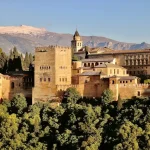
📷 Featured image by Taisia Karaseva on Unsplash.