On this page
- What Murcia Actually Is
- Top Highlights and Experiences in Murcia City
- The Food Scene: What and Where to Eat
- Day Trip or Overnight?
- Beyond the City: Murcia Region’s Best Escapes
- Getting to Murcia in 2026
- Getting Around Once You’re There
- 2026 Budget Reality: What Things Cost
- Practical Tips Before You Go
- Frequently Asked Questions
💰 Click here to see Spain Budget Breakdown
💰 Prices updated: October, 2026. Budget figures are estimates — always verify before travel.
Exchange Rate: $1 USD = €0.88
Daily Budget (per person)
Shoestring: €60.00 – €90.00 ($68.18 – $102.27)
Mid-range: €120.00 – €180.00 ($136.36 – $204.55)
Comfortable: €220.00 – €470.00 ($250.00 – $534.09)
Accommodation (per night)
Hostel/guesthouse: €15.00 – €50.00 ($17.05 – $56.82)
Mid-range hotel: €70.00 – €130.00 ($79.55 – $147.73)
Food (per meal)
Budget meal: €7.00 ($7.95)
Mid-range meal: €25.00 ($28.41)
Upscale meal: €80.00 ($90.91)
Transport
Single metro/bus trip: €3.00 ($3.41)
Monthly transport pass: €24.00 ($27.27)
Murcia sits in an awkward spot in the Spanish travel conversation — too often skipped in favour of the coastal resorts forty minutes to its east, too unfamiliar to make most itineraries, and too underestimated by people who drive straight through it on the way to Alicante. That’s starting to change. In 2026, with overtourism squeezing Barcelona and Seville harder than ever and travellers actively hunting for places that feel genuinely Spanish rather than performatively so, Murcia is quietly having its moment. This guide is for the people ready to actually show up.
What Murcia Actually Is
Murcia is the capital city of the Region of Murcia, a semi-autonomous community in Spain‘s southeast, wedged between Andalusia, Castilla-La Mancha, Valencia, and the Mediterranean coast. It’s not a beach destination — the city sits about 50 kilometres inland on the banks of the Río Segura. What it is, unmistakably, is a Baroque city with a deep agricultural identity, a loud university culture, and food traditions that chefs in Madrid are quietly borrowing from.
The city has around 460,000 residents and functions as a proper working Spanish city rather than a tourist machine. You’ll find locals eating lunch at 3pm, old men playing dominoes in the squares at dusk, and market stalls piled with produce that was still in the ground that morning. The Huerta de Murcia — the fertile irrigated plain surrounding the city — has been feeding the region since the Moors engineered its irrigation channels over a thousand years ago. That relationship between the land and the table defines almost everything that’s interesting about Murcia.
The climate earns its reputation. Murcia regularly tops Spain’s sunshine charts, averaging around 300 days of sun per year and summer temperatures that frequently clear 38°C. Spring and autumn are ideal for visiting — warm, dry, and pleasant without the ferocity of July and August.

Top Highlights and Experiences in Murcia City
The Cathedral of Santa María
Murcia’s cathedral is one of the finest examples of Spanish Baroque architecture in the country, though it took over three centuries to finish, which explains why you’ll spot Gothic chapels tucked inside a flamboyant Baroque exterior. The tower — completed in the 18th century — is the tallest in Spain after Seville’s Giralda, and you can climb it for panoramic views over the city rooftops and the plain beyond. On a quiet morning, the sound of bells rolling across the Plaza del Cardenal Belluga carries a weight that’s hard to forget.
Plaza del Cardenal Belluga
This is the heart of the old city and one of Spain’s more dramatically proportioned main squares. The cathedral facade dominates one side, the 18th-century Bishop’s Palace fills another, and — in a genuinely bold move — a modern extension of the town hall designed by Rafael Moneo (completed in 2000 but still a talking point) occupies the third. The contrast works better in person than it sounds on paper. Sit at any of the terrace cafés here and order a coffee. Watch the city function around you.
Casino de Murcia
Not a gambling casino — this is a 19th-century private members’ club that’s now open for visits and ranks as one of the most ornate interiors in Spain. Each room was designed in a different style: a Moorish patio with horseshoe arches, a Louis XVI ballroom, an English reading room with painted ceilings, a Pompeian hall. Entry is free (donations welcome), and most visitors spend longer inside than they expected to.
Museo Salzillo
Francisco Salzillo was Murcia’s greatest sculptor, an 18th-century master of polychrome religious figures whose pasos (processional floats) are carried through the streets every Easter. The museum dedicated to him houses the original pasos in a purpose-built building. Even for visitors with no religious context, the craftsmanship is extraordinary — figures carved with the kind of anatomical precision and emotional expressiveness that stops people mid-step.
The Malecón and the Río Segura
Murcia has spent the last decade reshaping its relationship with the Río Segura, which was for a long time more industrial ditch than civic asset. The Malecón promenade now runs for several kilometres along the riverbank, lined with trees and used by cyclists, runners, and families in the evenings. It’s a good place to understand how Murcia actually lives.
The Food Scene: What and Where to Eat
If there’s one reason to make a specific journey to Murcia, it’s the food. The Huerta produce is exceptional — tomatoes, artichokes, peppers, lettuces, citrus, and the famous pimiento de bola (a round, sweet red pepper used in paprika production). Murcian cuisine combines this agricultural wealth with Moorish-influenced techniques, seafood from the nearby Mar Menor and Mediterranean coast, and a deep tradition of cured meats.
What to Order
- Zarangollo: A simple scramble of courgette, onion, and egg that sounds unremarkable until you taste it made with properly good produce.
- Caldero del Mar Menor: A rice dish cooked in fish stock, traditionally eaten in two courses — rice first, then the fish.
- Pastel de carne: A flaky puff pastry pie filled with minced meat and hard-boiled egg, sold from bakeries and eaten as a snack or lunch.
- Michirones: Dried broad beans stewed with chorizo, bay leaves, and chilli. Pub food at its most honest.
- Paparajotes: Lemon tree leaves coated in a sweet batter and fried, eaten at festivals. The leaf isn’t consumed — just the crispy coating, which carries the citrus oil. Strange and delicious.
Where to Eat
Mercado de Verónicas is the city’s main covered market, a beautiful iron-framed structure from 1916, and the best place to start. Go on a weekday morning to see it in full operation — stalls of glittering fish, mountains of vegetables, and a few bar counters where market workers and early risers eat simple, perfect food.
La Pequeña Taberna on Calle Enrique Jouve is the kind of place locals point you to without fanfare: traditional Murcian dishes, modest prices, no English menu required because the staff are used to navigating the language gap. El Churra, a Murcia institution since 1952, does Huerta vegetables and rice dishes with serious craft. For tapas in the evening, the streets around Plaza de las Flores and Calle de la Trapería get lively from around 8pm — plenty of bars where a beer comes with a free tapa, a tradition Murcia has kept alive long after other cities quietly dropped it.
Day Trip or Overnight?
Murcia is reachable as a day trip from Alicante (about 80 kilometres, roughly an hour by train), and some visitors do this successfully. But a day trip from further away — Valencia, for instance — eats up so much travel time that you’ll spend more hours on a train than in the city.
The honest recommendation: if you’re already staying on the Costa Cálida or near Alicante, a day trip covers the highlights. If you’re building an itinerary around Murcia itself — including the city, the Mar Menor, the Sierra Espuña, and a meal that takes the full three hours it deserves — an overnight stay changes the experience completely. Murcia’s evenings, when the university crowd fills the tapas bars and the cathedral is lit against a dark sky, are worth staying for.
One night is enough to get a real feel for the city. Two nights opens up the region properly.
Beyond the City: Murcia Region’s Best Escapes
Cartagena
Forty-five kilometres southeast of Murcia city, Cartagena is one of Spain’s most historically layered cities — Carthaginian, Roman, Moorish, and Spanish naval history compressed into a compact old town that descends to a working port. The Roman theatre, discovered almost by accident in the 1980s and now meticulously excavated and museum-wrapped, is genuinely world-class. The naval museum and the Punic Wall archaeological site round out a full day. Cartagena deserves its own visit, not just an hour off a cruise ship.
Mar Menor
Europe’s largest saltwater lagoon sits behind a narrow sand spit called La Manga del Mar Menor. The lagoon water is shallow, warm, and calmer than the open Mediterranean — historically popular for families and people seeking therapeutic salt waters. The Mar Menor has faced serious environmental pressure over the past decade from agricultural runoff and over-development, and recovery efforts have been ongoing since 2021. In 2026, water quality monitoring is publicly available and conditions have improved significantly in the northern areas, though La Manga itself remains crowded in July and August. Visit in May or September for better conditions and far fewer people.
Sierra Espuña
A natural park of pine forests, limestone peaks, and dry river valleys about 40 kilometres southwest of Murcia city. Walking trails range from easy valley paths to serious ridge hikes. The park contains the remarkable pozos de la nieve — stone wells dug into the mountain where snow was packed and stored during winter to be sold as ice in summer during the 17th and 18th centuries. It’s an unusually quiet corner of southeastern Spain, popular with Murcians and largely unknown to foreign visitors.
Lorca
Sixty kilometres southwest, Lorca is a historic market town dominated by a castle that’s been partly rebuilt after the 2011 earthquake caused significant damage. The old city has a collection of Baroque churches and noble palaces out of proportion to its modest size. Its Holy Week processions are among the most theatrical in Spain, with rival brotherhoods competing in elaborate embroidered costumes going back centuries.
Getting to Murcia in 2026
By Air
Murcia’s dedicated airport — the Región de Murcia International Airport (RMU), also called Corvera — sits about 25 kilometres from the city centre. Since 2024, route expansion has continued steadily: Ryanair, easyJet, and Vueling all operate seasonal and year-round routes from UK, German, Dutch, and Scandinavian cities. Always check RMU specifically — many flights marketed to “Murcia” historically landed at Alicante or Almería, which requires additional surface travel. From RMU, a regional bus connects to Murcia city centre for around €3, or a taxi runs approximately €25–€30.
By Train
Murcia sits on the Renfe network with direct services from Madrid (around 3.5–4 hours on the faster services), Valencia (approximately 2 hours), and Alicante (around 1 hour). A full high-speed AVE connection to Murcia has been a long-running infrastructure promise — in 2026, work on the final Murcia connection of the high-speed network continues, with an expected operational date of 2027–2028 for the section linking Murcia directly into Spain’s main AVE network. Until then, current services are frequent and functional, just not high-speed for the full journey from Madrid.
By Bus
ALSA operates long-distance buses from Madrid, Valencia, Alicante, Granada, and other major cities. Journey times are longer than train but prices are often significantly cheaper. The bus station in Murcia is well-located near the city centre.
By Car
Murcia is served by the AP-7 and A-30 motorways. Driving gives flexibility for exploring the region, particularly Sierra Espuña and inland villages. Parking in the city centre requires patience — use the underground car parks around the cathedral rather than circling for street spots.
Getting Around Once You’re There
Murcia city centre is compact and walkable. The main historic sights — cathedral, Casino, Salzillo museum, Verónicas market — are all within comfortable walking distance of each other. For longer journeys within the city, the local bus network (TRANvías MURcia) is reliable and cheap. A single fare in 2026 runs around €1.30–€1.50.
Taxis are available and reasonably priced by Spanish city standards — a cross-city ride rarely exceeds €10. Bolt operates in Murcia and often undercuts traditional taxis slightly.
For exploring the wider region — Cartagena, Sierra Espuña, inland towns — a rental car is the most practical option. Public transport connections to rural areas are limited and infrequent outside peak summer schedules.
2026 Budget Reality: What Things Cost
Murcia is one of the more affordable provincial capitals in Spain, with prices noticeably lower than the coastal tourist resorts and well below Madrid or Barcelona levels.
- Budget accommodation (hostel dorm / budget guesthouse): €18–€35 per night
- Mid-range hotel (comfortable 3-star in or near centre): €65–€110 per night
- Comfortable/boutique (4-star or upscale option): €110–€180 per night
- Coffee at a local bar: €1.20–€1.50
- Menú del día (3-course lunch with wine): €12–€16
- Evening meal at a mid-range restaurant (per person, with wine): €25–€40
- Tapas bar evening (drinks + tapas, per person): €10–€18
- Pastel de carne from a bakery: €2–€3
- Cathedral tower entry: approximately €5
- Casino de Murcia: Free entry (donations)
- Museo Salzillo: €5, free on Sundays
- Cartagena Roman Theatre Museum: €6
Murcia has no city tourist tax as of 2026 — unlike Barcelona, Seville, and Valencia, which have all implemented or raised their tourist levies in recent years. This may change as visitor numbers grow, but for now it’s one less line on the bill.
Practical Tips Before You Go
Best time to visit: March to May and September to November. Summer (June–August) is genuinely punishing — temperatures regularly hit 38–40°C in the city, and outdoor sightseeing becomes unpleasant by midday. If you visit in summer, operate on the local schedule: out early, indoors 12–5pm, back out in the evening.
Semana Santa (Holy Week): Murcia’s Easter processions are among the most significant in Spain — the Salzillo pasos that sit in the museum all year come out and are carried through the streets. The city fills up, accommodation prices spike, and the atmosphere is unlike anything the rest of the year offers. Book accommodation months in advance if you want to be there for it.
Language: Spanish is the language — Murcia doesn’t have a co-official regional language like Catalan or Basque. Murcians speak with a distinctive accent and dialect, with some local vocabulary you won’t find in a phrasebook, but standard Spanish works perfectly everywhere.
Water: Tap water is safe to drink throughout the region, though some visitors find the taste chalky due to mineral content. Bottled water is cheap if you prefer it.
The afternoon shutdown: Many smaller shops and businesses still close from around 2pm to 5pm. Plan around it rather than against it. Museums generally stay open through the afternoon.
Digital nomad visa: Spain’s Digital Nomad Visa, launched in 2023, has seen increasing uptake in Murcia. The lower cost of living compared to Madrid or Barcelona, combined with good internet infrastructure and a high quality of life, has made the city quietly attractive to remote workers. The visa application process and tax treatment under Spain’s Beckham Law have been updated in 2025 — check current official guidance if this applies to you.
Frequently Asked Questions
Is Murcia worth visiting for tourists?
Murcia is genuinely worth visiting, particularly for travellers who want authentic Spanish city life, excellent food, and Baroque architecture without the tourist infrastructure that surrounds places like Seville or Valencia. It rewards visitors who are curious rather than those looking for a packaged experience. A day trip covers the basics; an overnight stay is much better.
How far is Murcia from the beach?
The closest beaches are on the Mar Menor, roughly 45–50 kilometres east of Murcia city — about 40 minutes by car. The open Mediterranean coast around Mazarrón and Águilas is 60–80 kilometres south. Murcia city itself is inland, so beach access requires transport but is easily combined with a stay in the region.
What is Murcia best known for?
Murcia is known for its agricultural produce (the Huerta), its Baroque cathedral, the Easter processions featuring Salzillo’s carved pasos, and increasingly its food scene. In Spain, it’s also famous for its heat — Murcia is consistently one of the hottest and sunniest cities in the country, which shapes daily life significantly.
Is Murcia safe for tourists?
Murcia is a safe city by any standard measure. Violent crime rates are low, and the city centre is busy and well-populated at most hours. Standard precautions apply — keep an eye on bags in market areas and busy squares. There are no particularly unsafe neighbourhoods that tourists would have reason to visit.
What language do they speak in Murcia?
Spanish (Castilian) is the only official language in the Region of Murcia. There is no co-official regional language. Murcianos have a distinctive local accent and use some regional dialect words, but you won’t encounter the language complexity that exists in Catalonia, the Basque Country, or Valencia. Basic Spanish goes a long way.
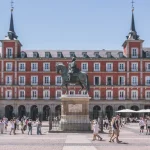
📷 Featured image by Antoine Schibler on Unsplash.