On this page
- What Makes Murcia Special in 2026
- Getting to Murcia: Your Transport Options
- Murcia’s Historic Heart: Cathedral Square and Beyond
- The Costa Cálida: Murcia’s Coastal Treasures
- Murcia’s Food Scene: Where Tradition Meets Innovation
- Day Trips from Murcia: Regional Highlights
- Planning Your Murcia Visit
- Budget Breakdown: What to Expect in 2026
- Frequently Asked Questions
💰 Click here to see Spain Budget Breakdown
💰 Prices updated: October, 2026. Budget figures are estimates — always verify before travel.
Exchange Rate: $1 USD = €0.88
Daily Budget (per person)
Shoestring: €60.00 – €90.00 ($68.18 – $102.27)
Mid-range: €120.00 – €180.00 ($136.36 – $204.55)
Comfortable: €220.00 – €470.00 ($250.00 – $534.09)
Accommodation (per night)
Hostel/guesthouse: €15.00 – €50.00 ($17.05 – $56.82)
Mid-range hotel: €70.00 – €130.00 ($79.55 – $147.73)
Food (per meal)
Budget meal: €7.00 ($7.95)
Mid-range meal: €25.00 ($28.41)
Upscale meal: €80.00 ($90.91)
Transport
Single metro/bus trip: €3.00 ($3.41)
Monthly transport pass: €24.00 ($27.27)
Spain‘s southeastern region of Murcia remains one of the country’s best-kept secrets, even as overtourism plagues coastal hotspots elsewhere. While Barcelona and Valencia struggle with crowds in 2026, this sun-blessed region offers authentic Spanish experiences without the hassle—plus some of Europe’s warmest waters along its Costa Cálida coastline.
What Makes Murcia Special in 2026
Murcia Region defies easy categorization. The capital city blends Baroque grandeur with university energy, while the coastline stretches from family-friendly resorts to pristine natural parks. What sets Murcia apart is its authenticity—this isn’t tourism-dependent Andalusia or cosmopolitan Catalonia, but working Spain at its most genuine.
The region enjoys over 320 days of sunshine annually and some of Europe’s warmest sea temperatures. The Mar Menor, a vast saltwater lagoon separated from the Mediterranean by a narrow strip of land, creates unique therapeutic waters that have drawn wellness seekers for decades.
Recent infrastructure improvements have made Murcia more accessible than ever. The Corvera Airport, fully operational since 2019, now handles direct flights from major European cities. Meanwhile, the AVE high-speed rail extension from Madrid, completed in 2023, connects the capital to Murcia city in just 2.5 hours.
Food lovers discover a region where two seas meet agricultural abundance. Murcia produces much of Spain’s vegetables and citrus fruits, while both Mediterranean and Mar Menor waters provide exceptional seafood. The result is a cuisine that’s distinctly regional yet influenced by nearby Valencia, Andalusia, and even North Africa.
Getting to Murcia: Your Transport Options
Murcia Region-Corvera Airport serves as the primary gateway, located 20 kilometers from Murcia city. Budget carriers like Ryanair and easyJet operate direct routes from London, Dublin, Brussels, and other European hubs. The airport bus (Line 70) connects to Murcia city center in 45 minutes for €1.50.
The AVE high-speed train from Madrid reaches Murcia in 2 hours 30 minutes, with tickets starting at €35 for advance bookings. This service has revolutionized access to the region, making it viable for weekend trips from the capital. Conventional trains also connect from Barcelona (6 hours) and Valencia (3.5 hours).

By car, Murcia sits along the AP-7 motorway that runs the length of Spain’s Mediterranean coast. The drive from Valencia takes 2.5 hours, while Madrid is 4.5 hours via the A-30. Car rental at Corvera Airport starts around €25 daily, essential for exploring the region’s scattered coastal towns and inland villages.
ALSA buses provide extensive regional connections, with frequent services to coastal destinations like Cartagena (45 minutes), La Manga del Mar Menor (1 hour), and Águilas (2 hours). The central bus station sits adjacent to Murcia’s train station, simplifying onward connections.
Murcia’s Historic Heart: Cathedral Square and Beyond
Murcia city centers on its stunning cathedral, whose Baroque facade conceals Gothic foundations dating to the 14th century. The bell tower, completed in phases from Renaissance through Neoclassical periods, offers panoramic views after climbing 200 steps. The cathedral museum houses Francisco Salzillo’s renowned religious sculptures, masterpieces of Spanish Baroque art.
Plaza del Cardenal Belluga, the cathedral square, bustles with outdoor cafes where the aroma of café cortado mingles with the sound of fountain water cascading over carved stone. The adjacent Palacio Episcopal showcases colorful geometric patterns that hint at Murcia’s Moorish past, while the modern Ayuntamiento provides striking architectural contrast.
Calle Trapería, the main pedestrian thoroughfare, links the cathedral to Plaza Santo Domingo through a maze of traditional shops and contemporary boutiques. Street musicians often perform near the Romea Theater, their melodies echoing off centuries-old building facades. The Casino, despite its name a gentlemen’s club rather than gambling venue, opens for public tours of its lavishly decorated Belle Époque interiors.

The Salzillo Museum, dedicated to Francisco Salzillo’s 18th-century religious sculptures, represents Murcia’s most important cultural attraction. These polychrome wooden figures, paraded during Semana Santa processions, demonstrate technical mastery that rivals Europe’s finest religious art. The museum’s modern galleries provide optimal lighting to appreciate intricate details often lost during nighttime processions.
University Quarter and Modern Murcia
The University of Murcia, founded in 1915, energizes several neighborhoods with student life. La Merced campus, housed in former monastery buildings, creates an atmospheric setting for academic pursuits. Nearby streets overflow with affordable tapas bars and late-night venues that keep the area lively well past midnight.
Contemporary architecture appears throughout modern Murcia, particularly around the Alameda shopping district and New Condomina commercial center. The city has embraced urban planning that balances historical preservation with 21st-century needs, evident in projects like the Salzillo Cultural Quarter and the renovated Segura River parks.
The Costa Cálida: Murcia’s Coastal Treasures
Murcia’s 250 kilometers of coastline divide between the Mediterranean Sea and the Mar Menor lagoon, creating diverse beach experiences. The Mar Menor, Europe’s largest saltwater lagoon, maintains water temperatures 5-7 degrees warmer than the open Mediterranean, extending the swimming season well into November.
La Manga del Mar Menor, a 21-kilometer sand strip separating lagoon from sea, offers beaches on both sides. The Mar Menor side provides calm, shallow waters perfect for families, while the Mediterranean side delivers proper waves and deeper swimming. Resorts along La Manga cater to package tourism, but numerous access points allow independent exploration.
Cartagena, ancient Carthago Nova, combines impressive Roman ruins with naval heritage. The Roman Theatre Museum, built around excavated 1st-century remains, demonstrates how modern architecture can enhance archaeological sites. The submarine museum, housed in a genuine military vessel, provides unique insights into Spain’s naval capabilities.

Águilas, in Murcia’s southwestern corner, maintains an authentic fishing port atmosphere despite growing tourism. The town’s beaches extend from sheltered coves to wide sandy stretches, backed by the Sierra de las Moreras mountains. Águilas’ February carnival rivals those of Cádiz and Santa Cruz de Tenerife for spectacle and participation.
Hidden Coastal Gems
Mazarrón combines working port activities with beach tourism, creating genuine Spanish coastal atmosphere. The Bolnuevo erosions, bizarre rock formations sculpted by wind and salt air, provide dramatic backdrops for photography. These golden sandstone shapes, resembling abstract sculptures, demonstrate nature’s artistic capabilities over millennia.
Cabo de Palos, at La Manga’s southeastern tip, offers exceptional diving in the Tabarca Marine Reserve. Underwater visibility often exceeds 30 meters, revealing Posidonia seagrass meadows and diverse fish populations. The lighthouse, perched on dramatic cliffs, guides boats through waters that have claimed numerous vessels over centuries.
Murcia’s Food Scene: Where Tradition Meets Innovation
Murcia’s cuisine reflects its agricultural abundance and dual coastline. The region produces exceptional vegetables—peppers, tomatoes, lettuces, artichokes—that appear fresh in local markets and restaurants. Rice dishes, influenced by neighboring Valencia, incorporate local ingredients like rabbit, beans, and saffron grown in nearby fields.
Caldero, Murcia’s signature rice dish, originates from Mar Menor fishing communities. Unlike Valencia’s paella, caldero uses fish stock and traditionally includes various Mediterranean fish rather than seafood. The rice absorbs intense flavors while maintaining individual grain texture, served alongside alioli and fresh fish prepared separately.
Local restaurants pride themselves on zarangollo, a simple scramble of eggs, zucchini, and onions that showcases Murcia’s premium vegetables. Michirones, dried broad beans stewed with chorizo and spices, provides hearty winter comfort food. These dishes appear on menus region-wide, from beach chiringuitos to upscale city restaurants.

The wine scene has evolved dramatically since 2020, with DO Jumilla and DO Yecla gaining international recognition. Monastrell grapes thrive in Murcia’s arid climate, producing full-bodied reds with distinctive character. Bodegas now offer sophisticated tasting experiences, particularly around Jumilla town where dramatic vineyard landscapes rival those of La Rioja.
Where to Eat
In Murcia city, Restaurante Salzillo near the cathedral serves elevated versions of regional classics in elegant surroundings. Their caldero requires advance ordering but demonstrates why this dish earned regional protected status. For casual dining, the tapas bars along Calle de la Trapería offer authentic experiences where locals gather for evening socializing.
Along the coast, Los Churrascos in Santiago de la Ribera specializes in grilled meats and fresh fish, with outdoor seating overlooking the Mar Menor. The smell of charcoal-grilled dorada and lubina draws diners from across the lagoon. In Cartagena, La Catedral combines creative cuisine with Roman-era ambiance in restored historic buildings.
Day Trips from Murcia: Regional Highlights
Caravaca de la Cruz, 65 kilometers northwest of Murcia city, ranks among Spain’s five holy cities due to its miraculous cross relic. The Sanctuary of the True Cross crowns the hilltop old town, while narrow streets below contain Renaissance palaces and traditional workshops. The town’s religious significance attracts pilgrims year-round, creating a spiritual atmosphere unique in the region.
Lorca, the “City of a Hundred Palaces,” showcases extraordinary Baroque architecture throughout its historic center. The Castle of Lorca, recently restored as an interactive museum, provides insights into medieval frontier life when Christians and Muslims coexisted along shifting borders. The town suffered significant earthquake damage in 2011 but has rebuilt magnificently, with many historic buildings now reinforced and restored.
Moratalla, in the northwestern mountains, offers outdoor activities amid dramatic limestone landscapes. The medieval castle overlooks the Segura River valley, while surrounding hills contain prehistoric cave paintings and hiking trails through pine forests. This area provides cooler temperatures during summer months, attracting locals seeking relief from coastal heat.

The Sierra Espuña Regional Park, 30 kilometers from Murcia city, protects Mediterranean mountain ecosystems within easy reach of urban areas. Pine-covered peaks reach 1,585 meters at Morrón de Espuña, while valleys shelter medieval villages like Alhama de Murcia with its therapeutic hot springs.
Planning Your Murcia Visit
Murcia city works excellently as a day trip from Valencia (3.5 hours by train) or Madrid (2.5 hours by AVE). The compact historic center allows comprehensive exploration in 6-8 hours, including cathedral visits, museum tours, and leisurely meals. However, staying overnight enables proper appreciation of the evening paseo culture and late-night tapas scene that defines authentic Spanish city life.
The coastal destinations require different approaches depending on interests. La Manga del Mar Menor and major beach towns like San Javier offer full resort facilities for week-long holidays. Smaller ports like Águilas or Mazarrón suit long weekend breaks, particularly during shoulder seasons when weather remains pleasant but crowds disappear.
Combining city and coast maximizes the region’s diversity. A typical long weekend might include two nights in Murcia city exploring historical attractions, followed by two nights on the Costa Cálida for beach relaxation. This combination showcases both cultural heritage and natural beauty without extensive travel between bases.
Wine enthusiasts should consider overnight stays in the Jumilla area, where rural accommodations provide access to multiple bodegas within short drives. The landscape becomes particularly stunning during autumn harvest season, when vine leaves turn golden against dramatic mountain backdrops.
Murcia city operates an efficient bus network with routes connecting all major districts. Single journeys cost €1.20, while day passes offer unlimited travel for €4.50. The city center remains compact enough for walking, with most attractions within 20 minutes of the cathedral square.

MuyBici, the public bike-sharing system, provides 50 stations throughout Murcia city and surrounding municipalities. Electric bikes cost €0.50 per 30 minutes, ideal for longer distances or hilly terrain. The system integrates with the Movémur transport app, allowing seamless connections between bikes, buses, and regional services.
Regional buses connect coastal destinations frequently during summer months, with reduced winter schedules. The coastal route between San Pedro del Pinatar and Águilas operates hourly in peak season, stopping at all major beach towns. Services to inland destinations like Caravaca de la Cruz and Lorca run 3-4 times daily from Murcia’s central bus station.
Car rental becomes essential for exploring remote beaches and mountain villages. Major international companies operate from Corvera Airport and Murcia city center, while local firms often offer competitive rates for longer rentals. Parking in coastal towns can challenge during summer weekends, but most destinations provide adequate facilities outside peak periods.
Budget Breakdown: What to Expect in 2026
Murcia offers excellent value compared to Spain’s major tourist destinations, with accommodation and dining costs significantly below Barcelona, Madrid, or San Sebastián levels. The region’s relative lack of international tourism keeps prices reasonable while maintaining quality standards.
Budget Range (€30-50 daily): Hostels and basic pensions cost €15-25 nightly, while menu del día lunch options start at €12-15. Municipal buses and local transport rarely exceed €5 daily. Beach access remains free throughout the region, with chiringuito drinks from €2-3.
Mid-Range (€70-100 daily): Three-star hotels and quality guesthouses charge €40-60 nightly. Restaurant meals average €20-25 per person including wine. Car rental adds €25-30 daily plus fuel. This budget allows comfortable exploration of multiple destinations within the region.
Comfortable (€120+ daily): Four-star hotels and beach resorts cost €80-120 nightly, while fine dining experiences range €40-60 per person. Private transfers and premium car rentals provide maximum convenience. Spa treatments and wine tasting experiences add luxury touches to the overall experience.

Regional products like wine, vegetables, and seafood offer exceptional value when purchased locally. Markets in Murcia city and coastal towns provide fresh ingredients at fraction of tourist area prices. Many accommodations include kitchenettes, enabling significant savings for longer stays.
Frequently Asked Questions
What’s the best time to visit Murcia?
April through October offers ideal weather, with peak summer temperatures reaching 35°C. Spring and autumn provide perfect conditions for both city exploration and beach activities, while winter remains mild enough for outdoor pursuits.
Do I need a car to explore Murcia Region?
Public transport adequately covers major destinations, but a car provides flexibility for remote beaches and mountain villages. Murcia city itself works perfectly without a vehicle, while coastal towns connect via regular bus services.
How does Murcia compare to Valencia or Alicante?
Murcia offers more authentic experiences with fewer crowds and lower prices. While lacking Valencia’s architectural grandeur or Alicante’s established tourism infrastructure, it provides genuine Spanish culture and exceptional natural beauty.
Is the Mar Menor suitable for families?
Absolutely. The shallow, warm lagoon provides ideal conditions for children, with gentle slopes and calm waters. Many beaches offer facilities and nearby restaurants, while the unique ecosystem provides educational opportunities.
What makes Murcia’s cuisine special?
The region’s agricultural abundance and dual coastline create unique flavors. Dishes like caldero showcase local ingredients, while the combination of Mediterranean influences and inland traditions produces distinctive regional specialties found nowhere else in Spain.
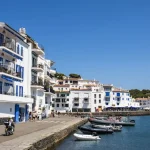
📷 Featured image by Alba Calbetó on Unsplash.