On this page
- Why Menorca Feels Different From the Rest of the Balearics
- The Two Capitals: Maó and Ciutadella
- Beaches Beyond the Postcards
- Camí de Cavalls: Walking or Cycling the Island’s Edge
- What and Where to Eat in Menorca
- 2026 Budget Reality: What Things Actually Cost
- Getting to Menorca in 2026
- Getting Around the Island
- How Long to Spend in Menorca
- Practical Tips for 2026
- Frequently Asked Questions
💰 Click here to see Spain Budget Breakdown
💰 Prices updated: October, 2026. Budget figures are estimates — always verify before travel.
Exchange Rate: $1 USD = €0.88
Daily Budget (per person)
Shoestring: €60.00 – €90.00 ($68.18 – $102.27)
Mid-range: €120.00 – €180.00 ($136.36 – $204.55)
Comfortable: €220.00 – €470.00 ($250.00 – $534.09)
Accommodation (per night)
Hostel/guesthouse: €15.00 – €50.00 ($17.05 – $56.82)
Mid-range hotel: €70.00 – €130.00 ($79.55 – $147.73)
Food (per meal)
Budget meal: €7.00 ($7.95)
Mid-range meal: €25.00 ($28.41)
Upscale meal: €80.00 ($90.91)
Transport
Single metro/bus trip: €3.00 ($3.41)
Monthly transport pass: €24.00 ($27.27)
Menorca has a reputation problem — but in the best possible way. While Ibiza sells nightlife and Mallorca sells everything to everyone, Menorca just sits there, quietly excellent, attracting people who have usually been burned by over-tourism somewhere else first. In 2026, with visitor caps tightening across the Balearics and new environmental fees coming into effect, knowing what you’re walking into before you arrive matters more than ever. This guide gives you that picture straight.
Why Menorca Feels Different From the Rest of the Balearics
Menorca was declared a UNESCO Biosphere Reserve back in 1993, and that status has shaped almost everything about how the island develops — or more precisely, how it doesn’t. Around 42% of the island is protected land. You won’t find the high-rise sprawl that lines parts of Mallorca’s coastline, and the party infrastructure of Ibiza simply doesn’t exist here. What you get instead is an island that moves at its own pace, where the loudest sound on most beaches is the wind pushing through the tamarisk trees.
The island’s character also comes from its layered history. The British occupied Menorca twice in the 18th century, which is why you’ll find Georgian-style sash windows on Maó’s harbour buildings and why gin — locally spelled ginebra or just gin — became a serious local product. The French had a turn too. Underneath all of that sits a Bronze Age Talaiotic culture that left stone towers called talaiots and strange T-shaped stone monuments called taules scattered across the interior. Walking past a taula in a field of dry grass, with nothing around you for kilometres, is a quietly unsettling experience — in the best way.
In 2026, Menorca is also benefiting from a deliberate effort to lengthen its tourist season. The island historically emptied out between October and April. New cultural programming, updated walking trail infrastructure, and better ferry connections from Barcelona are starting to change that, making shoulder-season visits genuinely rewarding rather than just cheaper.

The Two Capitals: Maó and Ciutadella
Menorca has two cities, and they couldn’t be more different from each other. Understanding both helps you decide where to base yourself.
Maó (Mahón)
Maó sits on the east side of the island and holds the distinction of having one of the deepest natural harbours in the Mediterranean — about 6 kilometres long. The view from the clifftop above the port, looking down at the narrow inlet with small ferries and fishing boats below, is one of the more dramatic arrivals you’ll have anywhere in Spain. The city itself is compact and walkable, with a market hall (the Claustre del Carme) that sells local cheeses, sobrassada, and the island’s famous gin. Maó is also where the airport is, which makes it the practical entry point for most visitors.
Ciutadella
On the western end of the island, Ciutadella is the older of the two capitals and, many locals would argue, the more beautiful. It was Menorca’s original capital before the British moved the administrative centre to Maó for port access. The historic centre has narrow limestone streets, Gothic cathedral, and a harbour lined with restaurants that gets genuinely atmospheric at sunset — the last light turns the old stone a warm amber and the smell of grilled fish drifts out from the waterfront terraces. Ciutadella is also the centre of the island’s traditional festival culture, particularly the Sant Joan festival in late June, when horses and riders perform in the packed streets in a ceremony that dates back to the 14th century.
Beaches Beyond the Postcards
Menorca has around 120 beaches, which is remarkable for an island only about 50 kilometres long. The south coast has the classic turquoise-and-white-sand coves that appear on every travel blog. The north coast is wilder, darker-sanded, and battered by the Tramuntana wind in a way that gives it a completely different character.
A few beaches worth knowing specifically:
- Cala Macarella and Cala Macarelleta — These are the iconic south-coast coves, pine-backed and genuinely beautiful. They’re also genuinely popular. In peak summer, the access road is closed to cars by 09:00 and you’ll need to walk or cycle in from a designated parking area. Worth it, but go early.
- Cala Pregonda — On the north coast, this beach requires a 40-minute walk each way and has reddish sand backed by strange rock formations. Because of the walk, it stays quieter even in August.
- Son Bou — The island’s longest beach, about 2.5 kilometres of sand with facilities and a small resort village behind it. Not the most scenic, but practical for families and good for long morning walks before the crowds arrive.
- Cala en Turqueta — Another south-coast cove with a similar car-free access system to Macarella. The water colour here is genuinely hard to believe until you’re standing in front of it.
- Platja de Cavalleria — The northernmost beach on the island, under an old lighthouse, with strong wind and powerful waves. Surfers occasionally appear here. It feels nothing like the south coast.
From 2026, Menorca has expanded its beach access fee system. Several protected coves now charge a small environmental contribution of €3–€5 per person during July and August, collected at the access points. The money funds trail maintenance and waste management. It’s a fair system, and the beaches remain in excellent condition because of it.
Camí de Cavalls: Walking or Cycling the Island’s Edge
The Camí de Cavalls is a 185-kilometre trail that runs around the entire perimeter of Menorca. Originally used by soldiers to patrol the coastline, it was restored and officially opened as a walking and cycling route in 2010. In 2026, it’s one of the best-maintained coastal trails in Spain, divided into 20 stages of varying difficulty.
You don’t need to walk the whole thing. Many visitors pick one or two stages that connect beaches or villages they want to see and treat it as a day hike. The stages range from easy flat stretches near the south coast resorts to genuinely rugged terrain on the exposed northern sections, where the path climbs over rocky headlands with the sea crashing below.
Mountain bikes and e-bikes are permitted on most sections, and rental shops in both Maó and Ciutadella offer them from around €20–€35 per day. Several stages work extremely well on an e-bike — particularly the longer northern sections where the terrain is varied but the distances are significant. The trail is marked with wooden signposts and orange paint markers, and the Camí de Cavalls app (updated for 2026 with offline GPS functionality) is worth downloading before you set off.
If you’re planning to walk multiple consecutive stages, basic accommodation is available in small villages along the route, but options are limited and need to be booked well in advance. Wild camping on the island is not permitted.
What and Where to Eat in Menorca
Menorca’s food scene is rooted in the island’s agriculture and fishing, with a few local specialities that you genuinely won’t find anywhere else in quite the same form.
The Local Essentials
Mahón cheese (Queso Mahón-Menorca) carries a Protected Designation of Origin and ranges from mild and semi-soft to sharp and crumbly depending on how long it’s aged. Buy it at Maó market or eat it as a starter in almost any local restaurant. Caldereta de llagosta is the island’s famous lobster stew — slow-cooked, rich, and expensive, usually €35–€60 per person. It’s a celebration dish rather than an everyday lunch. Sobrassada, the cured pork spread common across the Balearics, appears on every breakfast table here. And then there’s the gin: Xoriguer gin, produced in a distillery on Maó harbour since the 18th century, is the local spirit. Mixed with lemon soda, it becomes a pomada, the island’s unofficial cocktail and the thing everyone is drinking at the Sant Joan festival.
Where to Eat
- Es Tast de na Silvia (Ciutadella) — A small restaurant focused on local produce with a menu that changes weekly depending on what’s available. Book ahead.
- Cas Ferrer de sa Font (Ciutadella) — Set in a restored old forge, serving updated Menorcan classics in a cool stone interior.
- Speakeasy (Maó) — Reliable for fish and grilled meats in the harbour area, with good views and a straightforward menu.
- La Minerva (Maó) — A floating restaurant on the harbour, specialising in seafood. Unusual setting, consistently good food.
- Es Cranc (Fornells) — In the northern fishing village of Fornells, this place is known across the island for its caldereta de llagosta. The village itself is worth the drive.
For everyday eating, the bakeries and small cafès in both cities serve ensaimada (the flaky pastry spiral also found in Mallorca) and strong café amb llet for a breakfast that costs €2–€4 and keeps you going until lunch.
2026 Budget Reality: What Things Actually Cost
Menorca is not cheap by Spanish mainland standards, but it’s more affordable than Ibiza and comparable to rural Mallorca. Prices have stabilised somewhat in 2026 after the sharp increases of 2023–2024, though accommodation costs remain elevated in July and August.
Accommodation
- Budget — Hostel dorm beds or very basic rooms in inland villages: €30–€55 per night
- Mid-range — Comfortable guesthouses (cases rurals) or smaller hotels near towns: €90–€160 per night
- Comfortable — Boutique hotels with pools, particularly in or near Maó and Ciutadella: €180–€320 per night in peak season
Food and Drink
- Menu del día (two courses, bread, drink): €14–€18
- Café amb llet and ensaimada at a local café: €2.50–€4
- Caldereta de llagosta (per person): €35–€60
- Pomada cocktail at a bar: €5–€8
- Supermarket groceries for a day: €15–€25 depending on your tastes
Activities and Transport
- Camí de Cavalls trail: free (some sections charge €3–€5 beach access fee)
- Bike or e-bike rental per day: €20–€35
- Car rental per day (booked in advance, off-peak): €45–€75
- Harbour boat tour in Maó: €15–€25
- Talaiotic site entry: most are free; the Naveta des Tudons monument charges €4
The Balearic tourist tax (Ecotaxa) in 2026 applies to all overnight stays: €4 per adult per night in peak season (June–September), €2 in shoulder season. This is charged by your accommodation and is non-negotiable, but the funds go directly to conservation projects on the island.
Getting to Menorca in 2026
Menorca has one airport, Aeropuerto de Menorca (MAH), located about 5 kilometres from Maó. In 2026, direct flights operate from several UK airports (London Gatwick, Manchester, Edinburgh), most major German cities, and a growing list of European departure points. Spanish domestic connections from Madrid and Barcelona operate year-round, though frequencies drop significantly outside summer.
Vueling and Iberia handle most mainland Spain routes. Ryanair and easyJet dominate the UK market. Flight times from London are approximately 2 hours 20 minutes. Booking domestic Spanish connections at least 6–8 weeks ahead saves considerably — last-minute seats between Barcelona and Maó in July can reach €150+ each way.
The ferry option is underused by visitors but genuinely worth considering. Baleàlia Ferries and Trasmediterránea run routes from Barcelona to Maó. The fast ferry takes around 6 hours; the overnight ferry around 9 hours and includes a cabin option. In 2026, the overnight ferry has become more popular with travellers bringing cars or bikes, as it avoids the frustrating and expensive car rental situation on the island in peak season. Prices start at around €50–€80 per person for a passenger seat, more for cabins or with a vehicle.
Getting Around the Island
Menorca has a single main road, the Me-1, which runs the 44-kilometre spine of the island from Maó to Ciutadella. There’s a regular bus service (TMSA) running this route, with stops at central towns. The Maó–Ciutadella journey takes about 45 minutes and costs around €5. Bus frequency is reasonable in summer, much reduced off-season.
Beyond this main route, public transport becomes sparse. Most of the beaches, the Camí de Cavalls trailheads, and interior sites require either a car, a bike, or a taxi. Car rental is available in Maó (airport) and Ciutadella, but in July and August, vehicles book out early and prices spike. If you’re visiting in peak season without a pre-booked car, you’ll find yourself dependent on taxis (which exist but aren’t always quick) or tour buses.
Cycling is genuinely viable if you’re based in one of the two cities. Both Maó and Ciutadella are small enough to explore on foot or by bike, and several Camí de Cavalls stages are accessible directly from town. E-bikes have made the hillier interior routes much more accessible for riders who aren’t specifically training for something.
How Long to Spend in Menorca
The real question is whether a long weekend is enough or whether you should commit to a full week. The honest answer: three nights gives you a taster that will frustrate you slightly because you’ll leave wanting more. Five to seven nights is the sweet spot — enough time to see both cities properly, spend full days at two or three beaches, walk one or two Camí de Cavalls stages, and eat your way through the food scene without rushing.
If you’re combining Menorca with Mallorca or mainland Spain, consider using the inter-island ferry or the short flight (around 35 minutes between Maó and Palma) rather than returning to the mainland and flying again. Baleàlia runs an inter-island route, and Vueling connects the two airports regularly.
Off-season visitors — October through to April — will find a quieter island, lower prices, and a more authentic feel. Several beach restaurants and seasonal hotels close, but both cities remain fully operational. Walking the Camí de Cavalls in October, with mild temperatures around 18–22°C and virtually no other walkers on the trail, is a genuinely different experience from the summer version.
Practical Tips for 2026
- Book accommodation early. This is not a warning — it’s a hard fact. Quality places in or near the two cities sell out by February for July and August dates.
- The Tramuntana wind is real. On the north coast and on higher ground, this north wind can be very strong even in summer. It’s also why the island has stayed relatively cool compared to the Spanish mainland — average summer highs sit around 28–30°C rather than the 36–40°C experienced in many inland Spanish cities.
- Talaiotic sites are scattered across the island. The Naveta des Tudons, near Ciutadella, is the most accessible and impressive prehistoric monument. The Taula de Torralba d’en Salort is another excellent site. Pick up a map of the Talaiotic sites at either city’s tourist office — the free printed one is better than most apps for this.
- Spanish is universal, Menorcan Catalan is the local language. Menus and signs often appear in Catalan first. English is widely spoken in tourist areas. In rural inland areas and at local markets, a few words of Spanish will take you a long way.
- Tap water is potable in towns but tends to taste strongly of minerals in some areas. Many locals drink bottled water; others use filters. Bringing a reusable bottle with a filter is a practical option.
- The new Menorca Biosphere Card (introduced in 2025, expanded in 2026) offers discounts at participating restaurants, bike rental shops, and cultural sites in exchange for a €5 registration fee. Available at the tourist offices in both cities and online before arrival.
Frequently Asked Questions
When is the best time to visit Menorca?
May, June, and September offer the best balance of warm weather, manageable crowds, and open facilities. July and August are busiest and most expensive. October is excellent for walking and cycling. Outside of peak summer, expect some beaches and seasonal restaurants to be closed, but both main cities remain active and welcoming year-round.
Is Menorca suitable for families with young children?
Very much so. The south-coast beaches have calm, shallow water that’s ideal for small children. Son Bou and Cala en Bosc have the most family-oriented infrastructure with nearby facilities. The island’s relaxed pace and lack of aggressive tourist entertainment makes it easier than more commercial destinations. Many rural hotels and guesthouses actively cater to families.
Do I need to rent a car in Menorca?
Not necessarily, but it helps enormously. Without a car, you’re limited to the main Maó–Ciutadella bus route and taxis for reaching beaches and interior sites. If you base yourself in Maó or Ciutadella, cycling or walking covers a lot. For anyone wanting to explore freely across the island, a car booked well in advance is the most practical solution.
How does the Balearic tourist tax work in 2026?
The Ecotaxa is charged per adult per night of accommodation. In peak season (June–September), it’s €4 per night. In shoulder season, it drops to €2. Children under 16 are exempt. Your accommodation adds it to your bill automatically. You cannot pay it separately or avoid it — it applies to all tourist accommodation including holiday rentals and campsites.
Is Menorca a good destination for hiking and outdoor activities beyond the beach?
Absolutely. The Camí de Cavalls trail circling the entire island is excellent for both walking and cycling, with 20 marked stages. The interior has prehistoric sites reachable on foot. Water sports including kayaking, paddleboarding, and snorkelling are widely available. Menorca’s protected status means natural areas are well-maintained, making it one of the Balearics’ best outdoor destinations.
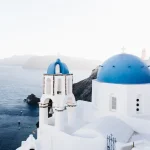
📷 Featured image by Corina Constantinov on Unsplash.