On this page
- How the Free-Tapa Tradition Works in Málaga (and Where It Still Does)
- Mercado de Atarazanas and the Other Markets Worth Your Time
- The Best Tapas Streets and Neighbourhoods in Málaga
- Traditional Malagueño Dishes — What to Order and Where to Find Them
- Breakfast and the Morning Café Scene
- Chiringuitos and Friduría Culture: Eating by the Sea
- Málaga Wine, Vermouth, and What to Drink
- 2026 Budget Breakdown: What Eating in Málaga Actually Costs
- Practical Eating Tips for Málaga in 2026
- Frequently Asked Questions
Málaga’s food scene has a problem that got worse in 2025 and hasn’t fully resolved in 2026: the waterfront strip between the port and the Cathedral is now so saturated with tourist-facing restaurants that first-time visitors often eat three meals there and leave wondering what the fuss is about. The fuss is real — but it’s happening two streets back, in the covered market, on a specific strip in El Perchel, and at a handful of bodegas that haven’t changed their prices or their recipes in decades. This guide skips the obvious and gets straight to where Malagueños actually eat.
How the Free-Tapa Tradition Works in Málaga (and Where It Still Does)
Málaga is one of the last cities in Andalucía where ordering a drink at a traditional bar still earns you a free tapa. This isn’t guaranteed everywhere — it’s a cultural habit, not a legal requirement — but it’s alive and well in the right spots. The system works like this: you order a beer (a caña, roughly 200ml) or a glass of wine, and the barman puts something in front of you. It might be a small dish of olives, a slice of tortilla, a few fried anchovies, or a montadito. At some old-school bodegas, it’s a proper small plate.
The places where this tradition holds strong are almost always away from the main tourist corridors. The barrios of El Perchel, La Trinidad, and Cruz de Humilladero are your best hunting grounds. In the historic centre, it does still happen — but increasingly only at the older, family-run bars rather than the newer gastropubs that charge €3–4 per tapa regardless.
The ritual matters too. Stand at the bar rather than sitting at a table. Order confidently. Don’t ask what the tapa is in advance — it’s not how it works. The sound of a bar doing this well is distinct: ceramic plates clicking on zinc counters, rapid conversation in thick Andalusian Spanish, the thud of a wine barrel being tapped. You’ll know when you’ve found the right place.
Mercado de Atarazanas and the Other Markets Worth Your Time

The Mercado Central de Atarazanas on Calle Atarazanas is genuinely one of the best market experiences in southern Spain. Built into a 14th-century Nasrid archway, it’s been a food market since 1879. The nave is tall, loud, and fragrant — salt fish on one side, fresh fruit piled in pyramids on the other, and a row of tapas bars along the back wall that open from around 8am and close when the market does, usually by 3pm.
The bars at the back of Atarazanas are where you should eat your first meal in Málaga. Order a glass of local Málaga wine and whatever’s fresh. On a weekday morning the clientele is almost entirely local: stall vendors on their break, retired men with newspapers, delivery workers eating standing up. It’s the real thing. Expect to pay €1.50–2.50 per tapa and around €1.80 for a glass of house wine.
A second market that most visitors miss is the Mercado de El Perchel on Avenida Aurora, about 15 minutes’ walk west of the centre. It’s a working neighbourhood market — less photogenic, no tourists, lower prices, and excellent fish. There’s a small bar inside where the pescaíto (fried fish) is as good as anywhere in the city.
The third option is the Mercado de Huelin, further west in the residential barrio of the same name. Less known, worth the walk if you’re staying in that direction. The fruit and vegetable stalls here supply several of the city’s better restaurants.
The Best Tapas Streets and Neighbourhoods in Málaga
Calle Granada and its surrounding web of streets — Calle Beatas, Calle Comedias, Plaza de la Merced — form the core of the historic centre’s eating scene. This area has both tourists and locals, so quality varies, but the higher-density streets mean you can walk between bars and compare quickly. The stretch from Plaza de la Merced down toward the Alcazaba has the best concentration of genuine neighbourhood bars.
El Perchel, across the Río Guadalmedina to the west, is the neighbourhood that serious food visitors are increasingly exploring. It was historically a working-class fishing barrio and still has that grit. Calle Cruz Verde and the streets around the Iglesia de San Andrés have a cluster of old bodegas and seafood bars that operate on the free-tapa model. Prices are noticeably lower than the centre — a caña runs €1.50–1.80 here.
Soho (the arts district south of the Alameda Principal) has evolved since 2024 into a more interesting eating area. It’s where Málaga’s younger chefs are opening places — small, 20-seat restaurants doing modern Andalusian food without the white-tablecloth pricing. Not traditional tapas bars, but worth knowing if you want something between casual and fine dining.

The Muelle Uno waterfront and the streets immediately around Calle Larios are where the tourist-trap density is highest. There are a few decent spots, but for every one good restaurant, there are six serving reheated pescaíto at €14 a plate. Walk through, but eat elsewhere.
Traditional Malagueño Dishes — What to Order and Where to Find Them
Espeto de sardinas is the defining dish of this coastline: fresh sardines skewered on a bamboo cane and grilled over a wood fire on the beach. You eat them with your hands, off the skewer, with bread and a cold beer. The season runs from May to September — the sardines are fattest in summer. The best espetos are at the chiringuitos of El Palo and Pedregalejo (see the next section), not at the port.
Ajoblanco is Málaga’s cold almond soup — white, silky, served ice-cold with a few Muscat grapes floating in it. It’s sharper and more interesting than gazpacho. The best version in the city centre is at the bar inside Mercado de Atarazanas. It appears on menus from June onward.
Boquerones fritos (fresh anchovies, lightly floured and fried) are everywhere, but the quality gap between a good and bad version is enormous. The good version is crisp, not greasy, with anchovies so fresh they barely smell of the sea. The bad version is soggy and tastes of old oil. At a proper friduría, the oil is changed constantly. Judge a place by how the fried fish smells before it reaches the table.
Porra antequerana is a thick, bread-based cold soup from inland Antequera — richer and more filling than salmorejo, topped with chunks of jamón and hard-boiled egg. You’ll find it at bars that lean toward traditional Andalusian food rather than strictly coastal fare. Look for it in El Perchel and in the market bars.
Gambas al pil-pil (prawns in garlic oil, served sizzling in a small clay dish) and coquinas (tiny wedge clams, quickly fried in olive oil and parsley) are both staples of the local marisquería scene. The latter are deeply seasonal — best in autumn and winter.

Breakfast and the Morning Café Scene
Málaga takes breakfast seriously in a way that Barcelona and Madrid often don’t. The default morning ritual is a café con leche (half espresso, half hot milk) and a tostada — thick grilled bread, rubbed with tomato and drizzled with olive oil, with optional jamón or a soft-boiled egg on the side. It costs €2.50–3.50 at a proper café and remains one of the best-value breakfasts in Western Europe.
The best streets for breakfast are around Calle Carretería and Calle Álamos in the northern part of the historic centre, where local neighbourhood cafés haven’t been displaced yet. The density of tourists drops sharply two blocks north of Plaza de la Merced, and the café prices drop with it.
For something sweet, churros con chocolate from a dedicated churrería is the weekend morning standard. The thick, dark chocolate for dipping is almost savory in its intensity — a small cup of it with three or four fresh churros is enough. There are several churrerías within walking distance of the Alameda Principal that open from 8am on weekends.
The brunch trend that swept through Soho in 2023–2024 has settled into a more stable form by 2026. There are now a handful of genuinely good brunch spots in the Soho and Lagunillas areas, mixing Spanish breakfast elements with Middle Eastern and North African flavours — a reflection of Málaga’s growing international food scene. Prices here run €10–16 for a full brunch.
Chiringuitos and Friduría Culture: Eating by the Sea
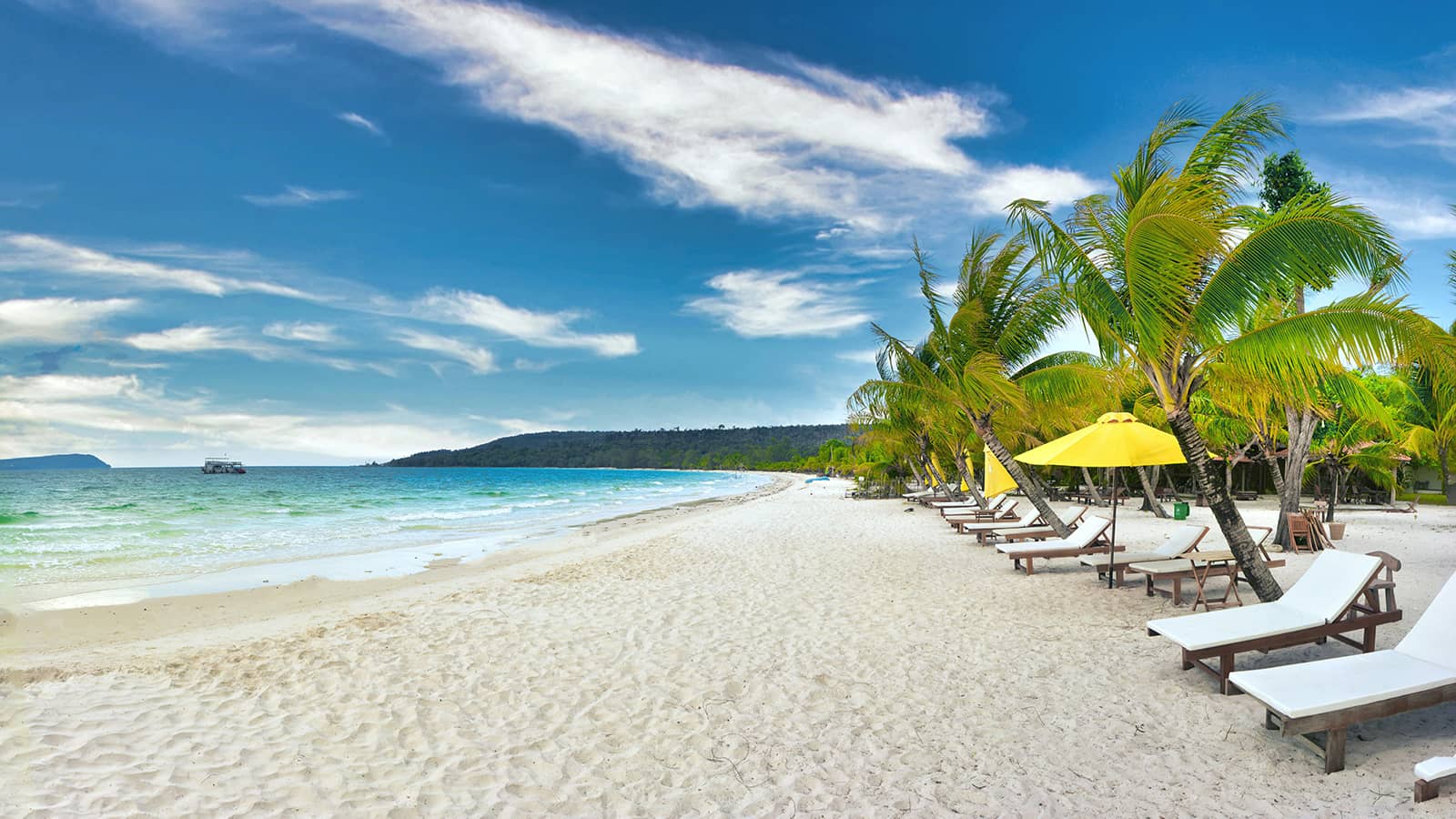
A chiringuito is a beach restaurant — in Málaga’s case, usually a semi-permanent structure right on the sand, with plastic chairs, a wood fire for espetos, and a kitchen that operates at pace from noon until the sun sets. The ones at Playa de la Malagueta (the city beach, walkable from the centre) are functional but heavily touristed. The ones worth the trip are in the barrios east of the centre.
El Palo and Pedregalejo, reachable by bus (line 11 from Paseo del Parque, about 25 minutes) or a pleasant 40-minute walk along the coast, have the best chiringuito strips in the city. El Palo in particular has a string of family-run beach bars that have been operating for generations. In summer, arrive before 1:30pm or after 3:30pm to avoid the wait for a table. The espetos here are grilled to order and served immediately — the sardines still hissing when they arrive.

A friduría is different: a takeaway-style fried fish shop, usually with a small bar and a few stools. The fried fish comes in a cone of paper or a small box. Málaga’s friduría tradition is old and specific — the batter is minimal, the oil is clean, and the fish is local. The best friderías in the centre are on and around Calle Especerías and in the El Perchel market area. A solid portion of mixed fried fish costs €4–7 depending on size.
Málaga Wine, Vermouth, and What to Drink
Málaga has its own Denominación de Origen for wine — DO Málaga and DO Sierras de Málaga — and it’s genuinely distinct from anything you’ll find in Rioja or Ribera del Duero. The traditional Málaga wine is sweet, made from Moscatel and Pedro Ximénez grapes, aged in a solera system. It ranges from pale golden to near-black depending on age. At its best — poured cold at a good bodega — it’s complex, not cloying, with dried-fruit depth that pairs well with salted anchovies or strong cheese.
The best place to drink local wine properly is at one of the old bodegas in the city. Antigua Casa de Guardia on the Alameda Principal is the oldest surviving bodega in Málaga, operating since 1840. Wine is poured directly from barrels into small glasses, prices are written in chalk on the barrel, and the floor is covered in discarded shrimp shells by midday — a sign that business is good. A glass runs €1.50–2.50 depending on the wine style.
Vermouth culture has deepened in Málaga since 2024. The vermut hour — roughly noon to 2pm on weekends — is now a proper ritual in El Perchel and the Soho district. Local vermouth is served over ice with a slice of orange and a green olive, often accompanied by a free tapa. Look for bars displaying a barrel of house vermouth on the counter.
For something non-alcoholic, horchata de chufas (tiger nut milk) is available in summer at a few specialist shops near the market, and freshly squeezed orange juice from the vendors along Calle Larios costs €1.50–2 and is exactly as good as it looks.
2026 Budget Breakdown: What Eating in Málaga Actually Costs
Málaga remains one of the more affordable major cities in Spain for food, though prices have risen approximately 12–15% since 2023 in the tourist-facing areas. Here’s what to expect in 2026:

- Budget tier (€15–25 per person per day for food): Breakfast tostada at a local café (€2.50–3.50), tapas with drinks at a free-tapa bar in El Perchel (effectively €5–8 for 3 drinks and 3 tapas), a friduría cone of pescaíto for lunch (€4–6), and a market bar dinner (€8–12). Entirely achievable if you eat where locals eat.
- Mid-range tier (€35–55 per person per day): Proper sit-down lunch at a mid-range restaurant in the centre (€14–18 for a menú del día with wine), a chiringuito dinner in El Palo (€20–28), coffees and snacks throughout the day. The menú del día — a set lunch of starter, main, dessert, and drink — is still the best-value option at this level.
- Comfortable tier (€70–100+ per person per day): A full dinner at one of Málaga’s better modern Andalusian restaurants in the Soho or historic centre (€40–60 per person with wine), craft cocktails at a rooftop bar, and breakfast at a speciality coffee spot. Note that Málaga has no Michelin three-star restaurants in 2026, but the one and two-star scene has grown since 2024.
Tourist tax in Málaga province was updated in early 2026. Visitors now pay €2–4 per night depending on accommodation category — this is a hotel charge, not a restaurant charge, but some visitors confuse the two when they see “tasa turística” on a menu. If you see it on a restaurant bill, query it — it’s not a legitimate restaurant charge.
Practical Eating Tips for Málaga in 2026
Timing is everything. Lunch runs 2pm–4pm and is the main meal of the day. Dinner doesn’t start before 9pm and peaks at 10–10:30pm. Arriving at a restaurant at 7pm will get you a table easily, but you’ll eat alone. The kitchen may not be fully running yet.
The menú del día is your friend. Almost every sit-down restaurant in Málaga offers a set lunch menu on weekdays, typically €11–16 including wine or water. It’s the same kitchen, the same ingredients, often the same dishes as the evening à la carte — at roughly half the price. This is how local office workers eat, and it’s genuinely good value in 2026.
Reservations. For dinner at any restaurant with more than about 30 covers, book ahead on weekends. The Soho restaurants in particular fill up. WhatsApp reservations are now standard — most restaurants display a number on Google Maps that accepts booking messages directly.

Language. Menus in Málaga’s tourist areas are in English, Spanish, German, and increasingly Chinese. In the neighbourhood bars and markets, Spanish only. A few words go a long way: “Una caña, por favor”, “¿Cuál es la tapa de hoy?” (what’s today’s tapa?), “La cuenta, por favor”. Malagueños speak fast Andalusian Spanish — they drop the ‘s’ from the ends of words and blend syllables — but they’re patient with visitors making an effort.
Water. Málaga’s tap water is safe to drink. Asking for “agua del grifo” (tap water) at a restaurant is perfectly acceptable and saves you €2–3 on a bottle. Some tourist-facing restaurants will try to bring you bottled water automatically — it’s fine to decline.
Tipping. Not mandatory in Spain, but appreciated. Rounding up the bill or leaving small change — €1–2 on a tapas round, 5–10% on a sit-down dinner — is the norm. Leaving nothing is not considered rude at a tapas bar; leaving something at a restaurant where you’ve had attentive service is noticed and genuinely appreciated.
Frequently Asked Questions
Is Málaga good for food compared to other Spanish cities?
Yes, strongly so — particularly for seafood and traditional Andalusian food. Málaga doesn’t have the gastronomic profile of San Sebastián or Barcelona, but it offers exceptional value, a genuine free-tapa culture in the right neighbourhoods, and some of the best fresh fish eating on the entire Mediterranean coast. The key is knowing where to look.
Where do locals eat in Málaga — not tourists?
El Perchel barrio, the back bars of Mercado de Atarazanas, the chiringuito strips at El Palo and Pedregalejo, and the bodegas around the Alameda Principal. Anywhere that only has a menu in Spanish is a good sign. The farther you walk from Calle Larios and the port, the more local the crowd becomes.
What is the best time to eat tapas in Málaga?
The busiest and most atmospheric time for tapas is between 1pm and 3pm (the pre-lunch vermut and snack round) and again from 9pm to 11pm. Sunday lunchtime from noon onward has a particular social energy — families, multi-generational groups, long sessions at the bar. Avoid the 7–8pm slot if you want to experience the real rhythm of the city.
Do restaurants in Málaga still offer a menú del día in 2026?
Yes, and it remains one of the best deals in Spanish dining. Most sit-down restaurants in Málaga offer a three-course set lunch with a drink from Monday to Friday, priced between €11 and €16 in 2026. Some places extend it to weekends. It’s the most efficient way to eat well at mid-range quality without spending dinner prices.
Are espetos (grilled sardines) available year-round in Málaga?
Technically available year-round, but the quality drops significantly outside the May–September season when sardines are at their fattest. In winter, many chiringuitos reduce hours or close entirely. The best espeto experience is on a hot June or July afternoon at a beach bar in El Palo — the smell of the wood smoke and the sound of the sea are part of the meal.
📷 Featured image by Maksim Shutov on Unsplash.