On this page
- What the Running of the Bulls Actually Involves
- Injury Statistics and What They Tell You
- The Spectator Experience vs. Participant Risk
- Crowd Safety and Street-Level Hazards
- 2026 Rule Changes and Access Controls
- 2026 Budget Reality for San Fermín
- How to Prepare If You Plan to Run
- Frequently Asked Questions
What the Running of the Bulls Actually Involves
San Fermín 2026 runs from July 6 to July 14 in Pamplona, Navarra. Every morning at 8:00am during those nine days, six fighting bulls and six steers charge through 875 metres of narrow cobbled streets from the corrals at Santo Domingo to the Plaza de Toros bullring. The run itself lasts between two and five minutes — sometimes less. That gap between the starting rocket and the final bull entering the ring is the entire window of danger that thousands of people fixate on, train for, and travel across the world to experience.
What many visitors picture — a fun sprint with some large animals — is not quite right. These are 600-kilogram fighting bulls, not farm cattle. They are bred specifically for aggression, fast over short distances, and unpredictable when separated from the herd. The streets they run through, particularly the tight corner at Estafeta, give runners almost no room to step aside. The smell of the crowd, the noise, and the confined stone walls disorient the animals, which is part of what makes them dangerous.
Nine people have died in the encierro since 1910. Dozens are injured every year, ranging from cuts and bruises to serious gorings. The festival is not trying to hide this. Pamplona’s city government publishes injury data publicly, and the event itself begins with runners reciting a prayer to San Fermín acknowledging the real risk they are accepting.
Injury Statistics and What They Tell You
Between 2010 and 2025, the encierro produced an average of roughly 50 medical incidents per run, with gorings — direct horn wounds — numbering between one and fifteen per festival week depending on the year. The most dangerous runs tend to involve bulls separating from the herd. A lone bull is far more likely to charge and gore than one running with the group.
In 2024, the festival recorded 23 gorings across nine runs — the highest single-year count in over a decade. Authorities linked several incidents to overcrowding in the Estafeta stretch, where new runners unfamiliar with the street layout slipped and caused pile-ups. In 2025, the number dropped to 14 gorings following tighter entry controls at the starting area. This trajectory matters for 2026 planning.
What the raw numbers do not show: the majority of injuries at San Fermín do not involve bulls at all. Falls on wet cobblestones, being trampled by other runners in a panic, and crush injuries from crowd surges account for a significant share of the daily medical interventions. The Red Cross stations positioned along the route typically treat far more sprains, cuts from falls, and alcohol-related incidents than they do gorings.
The Spectator Experience vs. Participant Risk
Here is a distinction most San Fermín articles blur: being a spectator at the encierro is genuinely low-risk and genuinely spectacular. Watching from a secure position is a completely different experience from running, and for the vast majority of the 1.5 million people who come to Pamplona each year, spectating is exactly what they do.
Wooden barricades line the full route, and sections of scaffolded grandstands are available for purchase along Estafeta and near the bullring entrance. From these positions you are metres from the action — you can hear the thunder of hooves on stone before you see the animals, and the wave of noise that rolls through the crowd in the seconds before the bulls appear is something genuinely difficult to describe. The air smells of nervous sweat and sangria from the night before.
Free viewing spots along the barricades fill up from around 6:00am, so arriving early is essential. The most coveted free positions are on the wooden fence sections near the curve at Mercaderes and on the long straight of Estafeta. Children under 18 are not permitted to run, but there are no restrictions on children watching from behind the barriers with adults.
The bullring itself offers a different viewing option. Tickets to enter the Plaza de Toros during the encierro let you watch the bulls arrive, and the atmosphere inside — tens of thousands of people packed into tiered stone seating, cheering the runners who make it through — is its own kind of extraordinary. Tickets sell out months in advance.
Crowd Safety and Street-Level Hazards
San Fermín’s real risk for most visitors is not on the encierro route at all — it is in the streets, plazas, and parks during the festival’s other 23 hours of the day. Pamplona swells to several times its normal population. The Plaza del Castillo and the surrounding old city become a continuous, alcohol-soaked party from the evening of July 6 through the final night of July 14.

Pickpocketing is significant and has increased in recent years. Crowded peñas (festival clubs) parades and the packed streets after midnight are where most thefts happen. Use a money belt or a zipped cross-body bag. Leave your passport at your accommodation and carry a photocopy instead — this is now explicitly recommended by the Pamplona tourist authority following a sharp rise in passport theft between 2022 and 2025.
Crush injuries in dense crowd situations are a genuine hazard during the opening chupinazo rocket ceremony on July 6 in Plaza del Ayuntamiento. The square becomes dangerously compacted. People have been treated for compression injuries without any bulls being involved whatsoever. If you attend the chupinazo, position yourself near an exit route and know where you will move if the crowd surges.
Sexual harassment has been a documented problem at San Fermín for over a decade. The local feminist collective Argitu coordinates a visible safe-space network throughout the festival, with coloured wristbands indicating support volunteers in the crowd. This system was expanded in 2025 and continues in 2026, with dedicated reporting points near the main plazas.
2026 Rule Changes and Access Controls
The encierro entry system has been overhauled for 2026. Runners must now register online via the Pamplona municipal portal before the festival begins — walk-up participation at the start line is no longer permitted. Registration is free, but spaces are capped per day and require acceptance of a digital liability waiver. This change was piloted in 2025 and made permanent following its success in reducing pile-ups caused by inexperienced last-minute participants.
Foreign nationals running for the first time are strongly encouraged — and in some sections of the route, required — to attend the free orientation session held each morning at 7:00am near the Town Hall. These sessions cover route layout, fall protocol, and the critical rule that you must never stop moving once the run begins.
Alcohol restrictions have also tightened. Public drinking on the encierro route is prohibited from midnight before each run until the final rocket sounds. Police enforce this on the course itself, though the surrounding streets remain open. The combination of digital registration and pre-run sobriety checks has been credited by Pamplona officials with the decline in serious incidents between 2024 and 2025.
2026 Budget Reality for San Fermín
San Fermín is not a cheap week. Accommodation prices in Pamplona during July 6–14 are among the highest of any festival in Spain. Planning early — ideally by January — is essential.

- Budget: Hostel dormitory beds in central Pamplona run €80–€120 per night during the festival. Camping options on the city outskirts start around €35–€50 per person per night.
- Mid-range: Private rooms in guesthouses or two-star hotels cost €180–€280 per night. Many properties require a minimum five-night booking during the festival week.
- Comfortable: Four-star hotels charge €350–€600 per night, and most were fully booked by March 2026. Some visitors stay in San Sebastián or Logroño (both under an hour by bus) and commute into Pamplona for specific days.
Grandstand tickets for viewing the encierro from the Estafeta scaffolding cost €15–€45 depending on position and day. Bullring entry during the run costs €12–€20. Bullfight tickets (the corridas held each evening at 6:30pm) range from €25 for sun-side seating to €120 for premium shade positions.
Daily food and drink costs are manageable if you eat at pintxos bars rather than tourist-facing restaurants. Budget €25–€40 per day for meals, including wine. Festival sangria sold in the streets is typically €3–€5 per cup.
How to Prepare If You Plan to Run
If you have decided to participate in the encierro rather than watch, the preparation that matters most is not physical fitness — it is knowing the route. Walk the full 875 metres the day before your run. Identify where the barricades have gaps (where you can exit), where the dangerous bottlenecks are (the Estafeta curve and the tunnel into the bullring), and where the course widens enough to give you options.
Wear the traditional white clothing and red neckerchief — this is not just aesthetic. The white makes you more visible to medical personnel, and it is required by festival etiquette that runners take seriously. Wear closed, flat shoes with good grip. Cobblestones that are dry at 7:00am can be slick from morning dew by 8:00am.
Do not run with a camera, phone, or bag. This rule is both practical and enforced — holding any object reduces your ability to fall safely and to protect yourself, and officials at the start will ask you to remove anything in your hands.
The single most important rule, repeated by experienced runners without exception: if you fall, stay down. Curl into a ball, protect your head with your arms, and do not get up until the noise has passed. Attempting to stand during the run puts you at eye level with the bulls’ horns and in the path of other runners. The steers that follow behind the bulls are specifically there to guide the animals forward — staying still is safer than moving.
Frequently Asked Questions
Is it legal for foreign tourists to run in the encierro?
Yes, completely legal. There are no nationality restrictions. Anyone aged 18 or over who completes the 2026 digital registration process can run. You must accept the liability waiver confirming you understand the risks. EU and non-EU nationals alike participate every year, and the registration portal is available in English, French, and German.
What is the most dangerous part of the route for runners?
The curve at Estafeta, where the street bends sharply and runners compress together, produces the highest concentration of falls and gorings each year. The tunnel entrance into the bullring is also high-risk — bulls speed up in this section, visibility drops, and panicking runners have fewer escape options. Experienced runners often avoid these two stretches entirely.
Can spectators get injured just from watching?
Yes, though rarely from the bulls themselves. Crush injuries during the opening chupinazo ceremony, falls in crowded streets, and alcohol-related incidents are the main risks for spectators. Watching from official barricade positions or grandstands is very safe. The danger for non-runners is almost entirely crowd-related, not animal-related.
Is San Fermín appropriate for families with children?
Children under 18 cannot run, but many families attend as spectators. The encierro itself — watched from behind barriers — is appropriate for older children who understand what they are seeing. The broader festival, particularly nighttime and the week-long street party atmosphere, involves heavy drinking and is not suited for young children after evening hours. Plan around the morning encierro if travelling with family.
When do tickets and accommodation sell out for San Fermín 2026?
Most central Pamplona accommodation sells out by February or March. Grandstand viewing tickets for the encierro typically sell out within days of going on sale in the spring. Bullfight tickets for the opening and closing corridas sell fastest. If you are planning to attend in 2026 and have not yet booked, options will be very limited at this stage — look at nearby cities as a base.
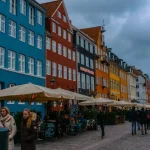
📷 Featured image by Yuliya Matuzava on Unsplash.