On this page
- Five Days in Barcelona: Why This Length Finally Makes Sense
- Day 1 – Gothic Quarter and the Waterfront: First Impressions Done Right
- Day 2 – Gaudí Day: Sagrada Família, Park Güell, and Gràcia
- Day 3 – Eixample, Passeig de Gràcia & the Food Markets
- Day 4 – Montjuïc, Poble Sec & El Born Revisited
- Day 5 – Barceloneta, Poblenou & a Slow Exit
- Where to Eat Across All Five Days
- Getting Around Barcelona on This Itinerary
- Where to Stay for This Itinerary
- 2026 Budget Breakdown: What Five Days Actually Costs
- Practical Tips for 2026 Visitors
- Frequently Asked Questions
💰 Click here to see Spain Budget Breakdown
💰 Prices updated: October, 2026. Budget figures are estimates — always verify before travel.
Exchange Rate: $1 USD = €0.88
Daily Budget (per person)
Shoestring: €60.00 – €90.00 ($68.18 – $102.27)
Mid-range: €120.00 – €180.00 ($136.36 – $204.55)
Comfortable: €220.00 – €470.00 ($250.00 – $534.09)
Accommodation (per night)
Hostel/guesthouse: €15.00 – €50.00 ($17.05 – $56.82)
Mid-range hotel: €70.00 – €130.00 ($79.55 – $147.73)
Food (per meal)
Budget meal: €7.00 ($7.95)
Mid-range meal: €25.00 ($28.41)
Upscale meal: €80.00 ($90.91)
Transport
Single metro/bus trip: €3.00 ($3.41)
Monthly transport pass: €24.00 ($27.27)
Five Days in Barcelona: Why This Length Finally Makes Sense
Barcelona has a problem most cities would envy — it’s so densely packed with things worth seeing that visitors routinely under-plan and leave frustrated. In 2026, the city introduced timed-entry ticketing for more sites than ever before, including Park Güell’s upper zone and select Eixample modernista buildings, which means the spontaneous tourist who just shows up is going to have a bad time. Five days gives you enough breathing room to pre-book the big tickets at ideal time slots, explore neighbourhoods without rushing, and actually eat at the places worth eating at rather than whatever’s nearest when you’re starving. Three days is survivable. Four is decent. Five is the point where Barcelona stops feeling like a checklist and starts feeling like a city you actually understand.
Day 1 – Gothic Quarter and the Waterfront: First Impressions Done Right
Arrive, drop your bags, and resist the urge to do too much. Day one is about calibrating to the city’s rhythm, which runs significantly later than most visitors expect.
Morning: El Gòtic on foot
Start at Plaça de Catalunya — chaotic, loud, full of pigeons — and walk south into the Gothic Quarter. The lanes here are genuinely medieval, some barely wide enough to open an umbrella. Head to the Barcelona Cathedral (La Seu), which is free before 12:30 and after 17:15 on weekdays. The cloister with its resident geese is oddly calming. Push further in to find Plaça de Sant Felip Neri, a small square with bullet holes still visible in the church walls from the Spanish Civil War. It’s quieter here, away from the main tourist drag.
Afternoon: La Barceloneta glimpse
Walk down La Rambla — accept it’s touristy, observe it anyway, keep your wallet secure — and cross to the Port Vell. The smell of the sea hits before you see it. Walk along the wooden boardwalk toward Barceloneta beach just to get oriented with the coastline. You’ll come back on Day 5. For now, duck into the Barceloneta neighbourhood for a late lunch.
Evening: El Born for dinner
The Born neighbourhood sits just east of the Gothic Quarter and is where the best bars and restaurants cluster for a first-night dinner that doesn’t feel like a tourist trap. Carrer del Parlament and the streets around Passeig del Born are your hunting ground. Eat after 21:00 — restaurants before that are half-empty and the atmosphere is flat.

Day 2 – Gaudí Day: Sagrada Família, Park Güell, and Gràcia
Build this entire day around Antoni Gaudí’s two biggest sites and the neighbourhood that connects them. Keep the pace deliberate — both sites are more complex than they look in photos.
Morning: Sagrada Família
Book a 9:00 entry slot. The basilica in early morning light, with fewer crowds than midday, is genuinely stunning — the stained glass on the Nativity facade side turns the interior into something that feels closer to a forest than a church, shafts of green and gold light falling across stone columns that branch like trees. Budget 90 minutes minimum. Pay the extra €5–8 to access a tower — the views over the Eixample grid are worth it and the elevator queue is shorter at opening time.
Midday: Walk to Gràcia through Eixample
Walk northwest up Avinguda de Gaudí and into Gràcia, Barcelona’s most genuinely neighbourhood-feeling district. Narrow streets, local bars, no chain restaurants. Stop at Plaça de la Vila de Gràcia for coffee and a sandwich at one of the terrace cafés.
Afternoon: Park Güell
Book the 15:00–15:30 entry window for the Monumental Zone (€10 in 2026). The famous mosaic terrace and dragon staircase are here. The park around it is free and worth exploring too — the viaducts and forested paths feel like a completely different designer than the flamboyant mosaic work at the top. Arrive 10 minutes early; the queues to scan tickets can be slow.
Evening: Vermouth in Gràcia
Head back into Gràcia for the early evening. Plaça del Sol fills up around 19:00 with locals doing the vermut ritual — vermouth, olives, maybe some anchovies. It’s a specific Barcelona pleasure and this square does it best.
Day 3 – Eixample, Passeig de Gràcia & the Food Markets
Day three is about Barcelona’s elegant 19th-century backbone: the Eixample grid, its modernista architecture, and its food culture.
Morning: Modernista architecture walk
Passeig de Gràcia contains the city’s three most famous modernista buildings within 200 metres of each other: Casa Batlló (Gaudí), Casa Amatller (Puig i Cadafalch), and Casa Lleó Morera (Domènech i Montaner) — this trio is called the Block of Discord. Casa Batlló’s interior tour runs €35–45 in 2026 and genuinely earns it. The rooftop, with its scaly dragon spine, is unlike anything else in the city. Book the earliest slot available.

Late morning: La Boqueria vs. Santa Caterina
La Boqueria on La Rambla is iconic but in 2026 it’s become increasingly geared toward tourists paying €6 for a small cup of juice. It’s still worth a walk through for the visual spectacle — the smell of fresh fish and cured meat hits you at the entrance. But for actually buying food or eating at a market bar, Mercat de Santa Caterina in El Born is a far better experience. Its wavy mosaic roof is spectacular and the bars inside have better food at lower prices.
Afternoon: Eixample streets
The streets around Carrer del Consell de Cent and Carrer d’Enric Granados (a pedestrianised boulevard lined with trees and terrace bars) are excellent for an afternoon wander. Enric Granados specifically has become one of the city’s best streets for a relaxed lunch or afternoon drink.
Day 4 – Montjuïc, Poble Sec & El Born Revisited
Day four takes you uphill and into two of Barcelona’s most underrated areas.
Morning: Montjuïc
Take the Funicular de Montjuïc from Paral·lel metro station (included in the T-Casual transport card). From the top, the Castell de Montjuïc offers panoramic views across the city and port. The Fundació Joan Miró is also here — one of the best modern art museums in Spain, less crowded than it deserves to be, with a rooftop terrace that has some of the finest views in the city. Entry is around €14 in 2026.
Afternoon: Poble Sec
Walk down the hill into Poble Sec, the neighbourhood that sits at Montjuïc’s foot. Carrer de Blai is Barcelona’s pintxos street — small bars with counters loaded with bread rounds topped with everything from jamón to smoked cod. It’s not a Basque pintxos bar in quality, but it’s filling, social, and cheap. Budget €10–15 for a good spread.
Evening: El Born for cocktails and dinner
Come back to El Born with fresh eyes. The Basílica de Santa Maria del Mar is free to enter in the evening and the Gothic interior — stripped back, no gilt overload — is quietly powerful. The streets around it, particularly Carrer del Rec, have some of the best cocktail bars in the city.

Day 5 – Barceloneta, Poblenou & a Slow Exit
Save the beach for last. By Day 5, the rhythm of the city has sunk in and a slow morning feels earned.
Morning: Barceloneta beach
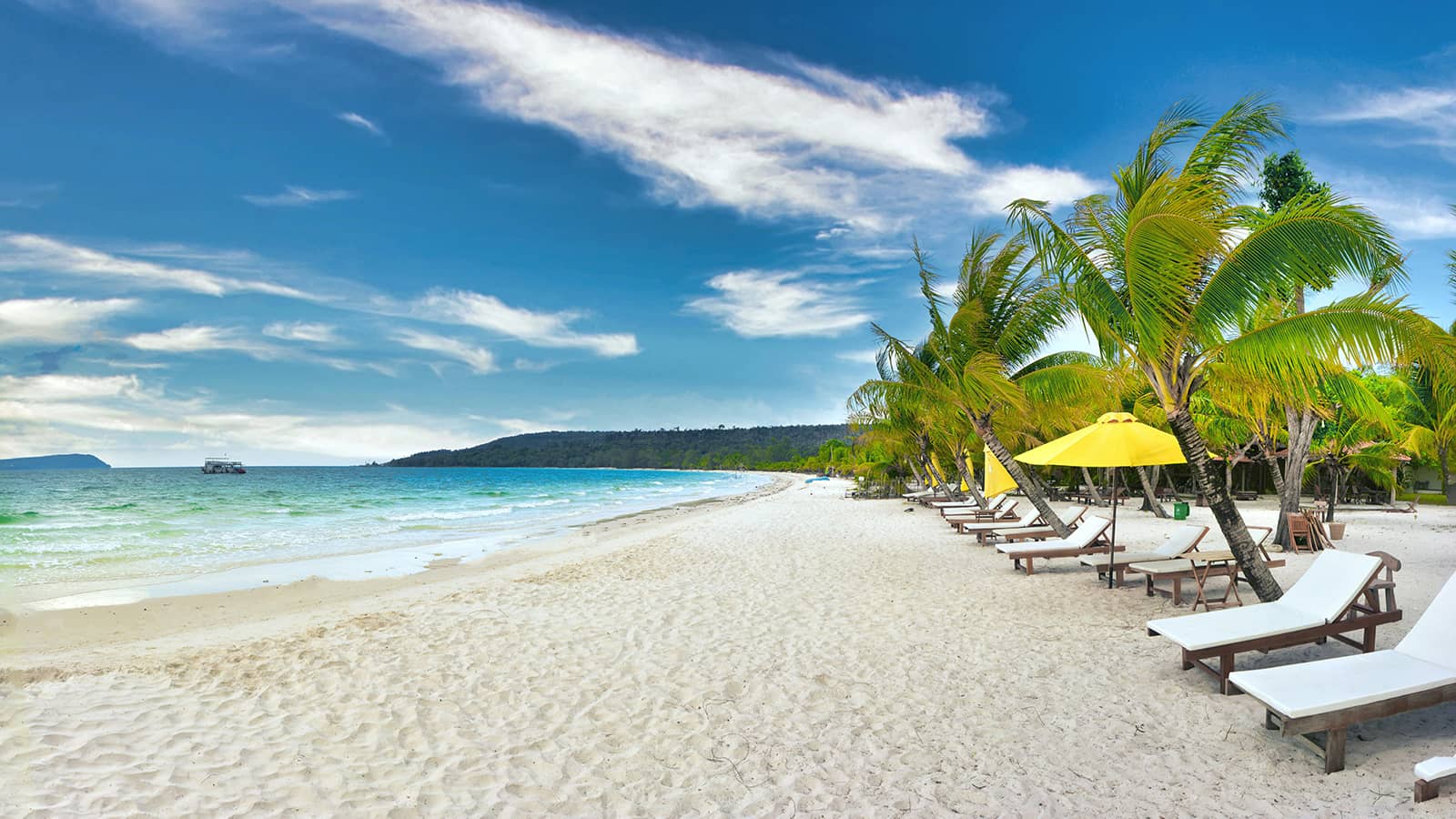
Get to Barceloneta beach before 10:00. The light at that hour is soft and the beach is quiet enough to actually walk on. The water in early morning carries the particular smell of salt and cold stone from the breakwater. Beach chairs and umbrellas rent for around €10–15 per set per day in summer 2026.
Midday: Poblenou
Walk or cycle north along the coastal path to Poblenou, Barcelona’s former industrial district turned creative hub. The Rambla del Poblenou is a local’s version of La Rambla — same tree-lined format, completely different atmosphere. Check out the @22 district (Barcelona’s tech and design zone) for a glimpse of what the city looks like away from tourist infrastructure.
Afternoon: Final tapas and departure prep
Back near your accommodation for a last round of tapas before heading to the airport or train station. The T2 and T1 terminals at El Prat are connected by a free shuttle bus. The Aerobus runs to Plaça de Catalunya every 5–10 minutes and costs €6.75 in 2026. Journey time is around 35 minutes depending on traffic.
Where to Eat Across All Five Days
Barcelona’s eating geography matters more than individual restaurant names, which change frequently. These are the areas and markets that consistently deliver:
- El Born: Best concentration of quality tapas bars and wine bars in the city. Streets around Passeig del Born and Carrer del Rec.
- Gràcia: Local neighbourhood restaurants, Catalan home cooking, and excellent vermouth bars. Carrer de Verdi and surrounds.
- Poble Sec / Carrer de Blai: Cheap pintxos, casual eating, neighbourhood feel.
- Mercat de Santa Caterina: Market bars for fresh seafood and local produce. Better value than Boqueria.
- Eixample (Esquerra): Carrer del Consell de Cent and Carrer de Muntaner have good mid-range restaurants used by locals.
- Poblenou: Increasingly good restaurant scene — less tourist pressure, better prices.
Eat dinner at 21:00 or later. Restaurants between 19:00 and 20:30 are almost exclusively serving tourists, and the atmosphere reflects that.
Getting Around Barcelona on This Itinerary
Barcelona’s public transport is excellent and the city is compact enough to walk large sections.
- T-Casual card: 10 trips for €12.15 in 2026, valid on metro, buses, and the Montjuïc funicular. Easiest option for most visitors.
- Metro: Lines L2, L3, and L4 cover most tourist areas. Runs until 02:00 on weekdays, all night on Fridays and Saturdays.
- Walking: Gothic Quarter to El Born is 10 minutes. Eixample to Gràcia is 20 minutes. Most days on this itinerary involve significant walking.
- Cycling: The Bicing bike-share is now open to tourists with a day pass (€5) as of 2025. Coastal path from Barceloneta to Poblenou is a dedicated cycle route.
- Taxis and Uber: Both operate. Base fares start around €2.50. Airport to city centre is roughly €30–35 by taxi.

Where to Stay for This Itinerary
Your base matters for a 5-day itinerary. These areas keep you central:
- Budget: El Raval or lower Eixample. Hostels in El Raval run €25–45 per night per dorm bed. Decent locations, slightly grittier feel.
- Mid-range: El Born or Gràcia. Boutique hotels and guesthouses in the €100–180 per night range. Both areas are walkable to most of this itinerary’s locations.
- Comfortable/Luxury: Passeig de Gràcia or Eixample Dreta. Hotels here range from €200 to €500+ per night. You’re staying on one of Europe’s most elegant boulevards and the convenience is genuine.
Note: Barcelona introduced a new tourist accommodation surcharge in January 2026, adding €3.25 per person per night on top of the existing tourist tax for most hotel categories. Budget for this — it’s not optional and not always included in the headline room price.
2026 Budget Breakdown: What Five Days Actually Costs
These are realistic daily spending figures excluding flights and accommodation:
- Budget traveller: €60–80 per day. Hostel meals, supermarket lunches, T-Casual transport, free/low-cost sights. You’ll still cover the major sites if you pre-book.
- Mid-range traveller: €120–180 per day. Sit-down restaurants for dinner, one or two paid attractions, occasional taxi, afternoon drinks on a terrace.
- Comfortable traveller: €250–400 per day. Quality restaurants, rooftop experiences, private transfers, full attraction access with guided options.
Key fixed costs to factor in for the full five days:
- Sagrada Família with tower access: €40–45
- Casa Batlló: €35–45
- Park Güell Monumental Zone: €10
- Fundació Joan Miró: €14
- T-Casual transport cards (2): €24.30
- Aerobus (return): €13.50
Practical Tips for 2026 Visitors
- Pickpocketing: La Rambla, the Gothic Quarter, and Barceloneta beach are active areas for thieves. Use a crossbody bag with a zip. Keep your phone off the table at restaurants.
- Language: Catalan is the first language, Castilian Spanish is second. Most hospitality workers speak English. A simple “Bon dia” (Good day in Catalan) goes down well.
- Tipping: Not mandatory but increasingly common. Round up at bars, leave €1–3 at restaurants for good service. 10% at better restaurants is appreciated.
- Water: Tap water is safe and drinkable. Most locals drink it. Bring a reusable bottle.
- SIM cards: EU roaming still applies for most European visitors in 2026. Non-EU visitors can buy a prepaid SIM at El Prat airport from Vodafone or Orange from around €15 for 15GB.
- Siesta hours: Less rigid in Barcelona than in southern Spain, but many smaller shops close 14:00–17:00. Museum and attraction hours are unaffected.
- Heat: July and August regularly hit 34–36°C. The itinerary above front-loads outdoor activity to mornings for a reason. Carry water.

Frequently Asked Questions
How many days do you really need in Barcelona?
Five days is the sweet spot for covering the major sights without feeling rushed. Three days is enough for first-time visitors if they pre-book everything. Anything less and you’ll be cutting Gaudí sites or neighbourhoods. A week lets you add day trips to Montserrat, Sitges, or the Penedès wine region comfortably.
Is Barcelona safe for tourists in 2026?
Yes, but petty theft is genuinely common in tourist-heavy areas. La Rambla, Barceloneta, and the Gothic Quarter require basic precautions — zipped bags, no phone on restaurant tables, awareness in crowds. Violent crime against tourists is rare. The city is generally very safe to walk at night in well-lit central areas.
What’s the best way to get from Barcelona airport to the city centre?
The Aerobus is the simplest option at €6.75 one-way, running to Plaça de Catalunya every 5–10 minutes. The metro Line L9 Sud connects T1 and T2 to the city but requires a transfer, costing around €5.50. Taxis cost €30–35 to central Barcelona. Uber operates from both terminals in 2026.
Do I need to pre-book Sagrada Família?
Yes, without exception during peak season (April through October). Tickets sell out weeks in advance and there are no walk-up options for timed entries. Book directly via sagradafamilia.org as soon as your travel dates are set. Off-season (November to February) has more flexibility but advance booking is still strongly recommended.
What is the tourist tax in Barcelona in 2026?
Barcelona applies a layered tourist tax in 2026. Hotel guests pay the Catalan regional tourist tax (€0.75–€3.50 per night depending on hotel category) plus Barcelona’s own city surcharge of €3.25 per person per night. Total overnight tax typically lands between €4 and €7 per person per night. This is charged directly by the accommodation.