On this page
- Valencia in 2026: Still One of Spain’s Best Value Cities
- Why Valencia’s Personality Makes It Easy on Your Wallet
- The Cheapest Neighbourhoods to Base Yourself
- Free and Low-Cost Attractions Worth Your Time
- Where to Eat Well Without Spending Much
- Getting Around Valencia for Almost Nothing
- Budget Day Trips from Valencia
- Nightlife Without Draining Your Account
- Affordable Shopping in Valencia
- When to Visit Valencia to Spend Less
- 2026 Budget Breakdown: What a Day Actually Costs
- Practical Tips That Actually Save You Money
- Frequently Asked Questions
💰 Click here to see Spain Budget Breakdown
💰 Prices updated: October, 2026. Budget figures are estimates — always verify before travel.
Exchange Rate: $1 USD = €0.88
Daily Budget (per person)
Shoestring: €60.00 – €90.00 ($68.18 – $102.27)
Mid-range: €120.00 – €180.00 ($136.36 – $204.55)
Comfortable: €220.00 – €470.00 ($250.00 – $534.09)
Accommodation (per night)
Hostel/guesthouse: €15.00 – €50.00 ($17.05 – $56.82)
Mid-range hotel: €70.00 – €130.00 ($79.55 – $147.73)
Food (per meal)
Budget meal: €7.00 ($7.95)
Mid-range meal: €25.00 ($28.41)
Upscale meal: €80.00 ($90.91)
Transport
Single metro/bus trip: €3.00 ($3.41)
Monthly transport pass: €24.00 ($27.27)
Valencia in 2026: Still One of Spain’s Best Value Cities
While Barcelona and Madrid have pushed daily costs to levels that shock even experienced travelers, Valencia has quietly held its ground as one of the most affordable major cities in Western Europe. That said, 2026 has brought some changes worth knowing about before you arrive. The city introduced a tourist accommodation tax in late 2025, short-term rental prices have climbed in the Ruzafa and El Carmen districts, and the new tram extension to the beach is now fully operational. None of this makes Valencia expensive — it just means the old advice of “go anywhere, spend nothing” needs updating. This guide gives you a realistic picture of what things actually cost and where to put your money.
Why Valencia’s Personality Makes It Easy on Your Wallet
Valencia doesn’t perform for tourists the way some Spanish cities do. It’s a working city of about 800,000 people who eat lunch for €10, cycle to work, and spend their evenings at neighbourhood bars rather than rooftop cocktail terraces. That local-first culture is your biggest budget advantage. The infrastructure for cheap living is already there — public markets, neighbourhood restaurants, an excellent public transport network, and a coastline that costs nothing to use.
The city’s geography helps too. The old town, the beach, the City of Arts and Sciences, and the main market are all within a rough 5-kilometre corridor that you can navigate on foot or by bike. You rarely need to spend money just to move between things.
Unlike Seville or Granada, Valencia also doesn’t rely heavily on a single tourist circuit. Visitors spread across several neighbourhoods and attractions, which keeps prices competitive across the board.
The Cheapest Neighbourhoods to Base Yourself
Benimaclet
This is the student quarter, sitting just north of the city centre. It’s unpretentious, dense with cheap bars and independent restaurants, and has excellent tram and metro connections. Hostels here run from €18–24 per night for a dorm bed. The streets around Calle Murta and Calle Emilio Baró are lined with bars where a beer costs €1.50 and a bocadillo (filled roll) is under €3. The neighbourhood has a slightly scruffy, lived-in feel — graffiti art, second-hand bookshops, and terraces full of university students on weekday afternoons.
Patraix and Jesús
Further south and rarely mentioned in travel guides, these residential districts offer some of the lowest accommodation prices in the city. You won’t find hostels here, but apartment rentals through platforms like Booking.com can be found for €45–60 per night for a one-bedroom. It’s a 20-minute bus ride to the centre, but bus Line 29 runs regularly and costs €1.50 per trip with a rechargeable card.

El Cabanyal (with caveats)
The seafront neighbourhood of El Cabanyal has gentrified significantly since 2023, but it still offers better value than Ruzafa. Budget guesthouses and small pensiones sit a five-minute walk from the beach. Prices for a private double room start around €55–70 in low season. Stay here if you want beach access without paying beachfront hotel prices.
Free and Low-Cost Attractions Worth Your Time
The City of Arts and Sciences
The architecture alone — Santiago Calatrava’s sweeping white structures reflected in shallow pools — is worth the walk and costs nothing to admire from outside. Entry to the Hemisfèric (IMAX and planetarium) costs €9.70 per person in 2026. The Oceanogràfic, Europe’s largest aquarium, runs €32.90 for adults — not cheap, but a combined ticket covering multiple buildings drops the per-attraction cost significantly if you plan a full day.
Central Market (Mercat Central)
Entry is free. Valencia’s Central Market is one of the largest covered markets in Europe, and walking through it on a weekday morning — the smell of fresh oranges and cured jamón hitting you as soon as you push through the brass-handled doors — costs nothing. Grab a coffee and a pastry at one of the market bars for under €2.50 and spend an hour watching the city do its shopping.
The Turia Gardens
Nine kilometres of parkland running through the city in a former riverbed. Free, always open, and genuinely beautiful in all seasons. You can walk or cycle the entire length from the old town to the City of Arts and Sciences without crossing a single busy road. Paella picnics happen here on Sundays. Families bring footballs. Runners use it at dawn.
La Lonja de la Seda
A UNESCO World Heritage Site and one of the finest Gothic civil buildings in Europe. Entry costs €2 — genuinely one of the best-value heritage admissions in Spain. The twisted stone columns inside the Hall of Contracts are extraordinary up close.
Free Museum Days
The Museo de Bellas Artes (Fine Arts Museum) is permanently free. The Museo de Historia de Valencia offers free entry on Sundays. Check current schedules on arrival, as free-day policies can shift.

Where to Eat Well Without Spending Much
Mercat Central and Mercat de Ruzafa
The Central Market has bar counters inside where you can eat a proper meal — grilled fish, rice dishes, cured meats — for €8–12 at lunch. Mercat de Ruzafa (Calle Cadiz) is smaller and slightly less touristy. The stalls here sell fresh produce at prices that remind you why cooking in your apartment or hostel kitchen is always the smartest budget move.
The Menú del Día
This is your single most powerful budget tool in Valencia. Almost every restaurant outside the main tourist drag offers a set lunch menu (menú del día) on weekdays: a starter, main, dessert, bread, and a drink for between €10 and €14. In Benimaclet and the Avenida del Puerto corridor near the port, you’ll find them closer to €10. In Ruzafa, expect €12–14. Skip dinner at restaurants and fill up at lunch — that’s what locals do.
Tapas Streets and Areas
The streets around Plaza del Tossal and the lower section of El Carmen are dense with small bars where tapas come free with drinks or cost €1–2 each. Calle Caballeros is the main artery. For a more local experience, head to the bars around Calle de Lepanto in Benimaclet, where the clientele is almost entirely Valencian and the prices show it. A beer with a free tapa — a small plate of olives, a slice of tortilla, or a croqueta — is still a genuine Valencia tradition in these spots.
The Port Area (Grau)
Walking distance from El Cabanyal, the Grau neighbourhood around the port has old-school seafood restaurants that serve set lunches for €12–15. These are the kind of places with paper tablecloths and handwritten menus, where the catch came in that morning. Not the fanciest setting, but the food is excellent and the value is hard to match anywhere near the waterfront.
Getting Around Valencia for Almost Nothing
Valencia’s public transport system is efficient and genuinely cheap. A single metro or bus journey with a rechargeable Móbilis card costs €0.90–€1.50 depending on the zone. A 10-trip card (bono) for Zone A (covering the city centre, Benimaclet, and the beach) costs €10 in 2026. The airport metro (Line 5, purple line) connects to the city centre in about 25 minutes for €5.20 — there’s no budget alternative that’s faster.

The Valenbisi bike-share scheme costs €2 for 24-hour access with unlimited 30-minute trips. The Turia Gardens cycle route means you can ride between the old town and the City of Arts and Sciences in 20 minutes without touching a road. The new tram extension (operational since early 2026) now connects the Grau port area to El Cabanyal and on to the Patacona beach north of the city — a single tram journey for €1.50.
Walking is genuinely practical here. The historic centre is compact and mostly flat. From the Central Market to La Lonja is two minutes on foot. From Plaza del Ayuntamiento to El Carmen is ten minutes. If you’re staying in Benimaclet or El Cabanyal, the metro or tram gets you to the centre in under 20 minutes.
Budget Day Trips from Valencia
Xàtiva — €7 return by train
A medieval hilltop town 55 kilometres south of Valencia. Cercanías regional trains (Line C-2) run regularly and the return fare is around €7. The castle above the town is one of the most impressive in the Valencia region and costs €2.50 to enter. The town’s old streets are quiet, well-preserved, and almost entirely free of tourist infrastructure — which means local restaurant prices.
Sagunto — €4.50 return by train
Only 26 kilometres north of Valencia, Sagunto combines a Roman amphitheatre, a Moorish castle, and a Jewish quarter in a single walkable afternoon. Cercanías trains cost around €4.50 return. Entry to the archaeological sites is free or under €2. This is an underrated half-day option that most Valencia visitors miss entirely.
L’Albufera Natural Park — €3–5 by bus
The lagoon and wetlands south of Valencia are the spiritual home of Valencian rice and a legitimate natural wonder. Bus Line 25 from the city centre runs to the village of El Palmar for around €3. A boat trip on the lagoon costs €5–8 depending on the operator. Watching the sun drop behind the reed beds while egrets pick through the shallows is the kind of experience that costs almost nothing and stays with you.
Nightlife Without Draining Your Account
Valencia’s nightlife runs late and loud, and it doesn’t have to be expensive. The key is knowing which areas operate on local pricing and which have shifted to tourist-facing mark-ups.
Benimaclet remains the genuine student nightlife hub. Bars around Calle Murta charge €1.50–2 for a beer and often have free entry to small live music nights. The music tends toward indie and alternative rather than anything polished, and the crowds are mostly Valencian university students — which keeps the atmosphere and the prices honest.

El Carmen gets busier and louder after midnight. Most bars don’t charge entry, and drinks run €3–5. The area around Plaza del Tossal and Calle Alta is where the energy concentrates on weekends. Rooftop terraces here are surprisingly affordable compared to Madrid or Barcelona — expect €6–9 for a cocktail with a view of the old town rooftops.
For live music, Café del Duende on Calle Turia is one of the few places in Valencia where you can catch authentic flamenco in an intimate setting — the vibration of a cajón drum through the wooden floor, a singer close enough that you can see the strain in her throat — for €5–10 including a drink. Check their weekly schedule, as nights vary.
Affordable Shopping in Valencia
Avoid the souvenir shops around the Cathedral and the eastern end of the old town — they’re expensive and sell the same ceramic tiles and paella pan magnets as every other Spanish city. Real shopping in Valencia happens elsewhere.
The Rastro de Valencia (flea market) sets up every Sunday morning around Calle Sagunto and the surrounding streets in the Marxalenes district. Second-hand clothes, vintage furniture, books, and random curiosities fill several city blocks. Prices are negotiable and genuinely low.
Ruzafa has a dense cluster of independent boutiques, concept stores, and vintage clothing shops along Calle Cádiz and Calle Cuba. These aren’t budget shops, but they’re original and fairly priced compared to what you’d pay in Madrid.
For everyday shopping, the Mercado de Cabanyal and the streets around it sell fresh food, local ceramics, and handmade goods at neighbourhood prices. This is where you buy an orange or a bottle of local wine to take to the Turia Gardens, not where you buy a gift-wrapped souvenir.
When to Visit Valencia to Spend Less
The cheapest period to visit Valencia is November through February, excluding the Christmas and New Year window. Hotels drop significantly, crowds thin out, and the city temperature stays around 12–16°C — mild enough for comfortable sightseeing. You won’t get beach weather, but you’ll get the city largely to yourself.
March is shoulder season with one major exception: Las Fallas (March 1–19). This is Valencia’s most famous festival — enormous sculptural monuments, nightly fireworks, and street parties across the entire city. It’s extraordinary to experience, but accommodation prices triple or quadruple during peak Fallas weeks. Book six months ahead if you want to go, or arrive in early March before prices spike.

April through June offers the best balance: warm weather, reasonable prices, and the city operating normally. July and August bring heat (often above 32°C) and summer crowds, particularly at the beach. Accommodation prices rise but don’t reach Barcelona or Málaga levels. September is excellent — the heat eases, the sea is still warm, and prices drop back toward spring levels.
2026 Budget Breakdown: What a Day Actually Costs
Budget Traveler (€40–55 per day)
- Accommodation: Hostel dorm in Benimaclet — €18–24
- Breakfast: Coffee and toast at a neighbourhood bar — €2–3
- Lunch: Menú del día at a local restaurant — €10–12
- Dinner: Tapas and drinks at a bar — €8–12
- Transport: Bono card, roughly €1–2 per day — €1.50
- Attractions: Turia Gardens, free museums, La Lonja — €2–5
- Tourist tax: ~€0.50 (hostel rate)
Mid-Range Traveler (€90–130 per day)
- Accommodation: Private room in a guesthouse or 3-star hotel — €55–80
- Breakfast: Café with fresh juice and pastry — €5–7
- Lunch: Sit-down restaurant with wine — €18–25
- Dinner: Ruzafa or El Carmen restaurant — €20–30
- Transport: Mix of bikes and metro — €3–5
- Attractions: Oceanogràfic or Hemisfèric plus one paid site — €15–25
- Tourist tax: ~€1–1.50
Comfortable Traveler (€180–250+ per day)
- Accommodation: Boutique hotel in Ruzafa or near the old town — €120–180
- Meals: Full sit-down lunch and dinner with wine — €60–90
- Transport: Occasional taxi plus transport card — €10–15
- Attractions: Full City of Arts and Sciences combo ticket, guided tour — €40–60
- Tourist tax: ~€2
Practical Tips That Actually Save You Money
Tap water: Valencia’s tap water is safe to drink but has a slightly mineral taste that some people dislike. If you’re fine with it, carry a refillable bottle — public fountains are common in the Turia Gardens and city squares. This alone saves €2–4 a day versus buying bottled water.
SIM cards: Pick up a prepaid SIM at the airport or at any estanco (tobacconist) in the city. Operators like Lowi, Digi, and Orange offer 30-day data plans from €5–12. Don’t rely on café WiFi for navigation — a local SIM is worth it for a week or longer.
Tipping: Not mandatory and not expected in the way it is in the UK or USA. Rounding up to the nearest euro or leaving €1–2 after a sit-down meal is perfectly normal. In tapas bars, tipping is rare.
Siesta hours: Many smaller shops and some restaurants close between roughly 14:00 and 17:00. Plan museum visits or outdoor activities for the early afternoon to avoid wasted walking trips to closed doors.

Grocery stores: Mercadona is the most reliable supermarket chain and has several central locations. Buying breakfast supplies (yogurt, fruit, bread) and picnic lunches from a supermarket cuts daily food costs significantly without sacrificing quality.
Airport transfers: The metro Line 5 is the cheapest option at €5.20 to the city centre. Taxis cost €20–30 depending on traffic and time of day. There’s no meaningful budget alternative — the metro wins on both cost and predictability.
Frequently Asked Questions
Is Valencia cheap compared to other Spanish cities in 2026?
Yes, notably so. Valencia remains cheaper than Barcelona, Madrid, San Sebastián, and Málaga for accommodation, food, and transport. A budget traveler can manage comfortably on €45–55 per day including accommodation. The tourist tax introduced in late 2025 adds a small daily cost but doesn’t change the overall picture.
What is the cheapest way to get from Valencia Airport to the city centre?
The metro Line 5 (Aeroport line) runs directly to the city centre and costs €5.20 in 2026. The journey takes around 25 minutes to Xàtiva station in the heart of the city. It runs frequently between approximately 05:00 and midnight. Taxis cost €20–30 and are only worth it late at night when the metro isn’t running.
Can you visit the City of Arts and Sciences for free?
The exterior and grounds are completely free to walk through and are worth visiting even if you don’t pay for any attraction inside. The buildings, pools, and gardens make up one of Europe’s most impressive architectural spaces. Paid entry covers the Oceanogràfic (€32.90), Hemisfèric (€9.70), Museo de les Ciències (€8.70), and combo tickets covering multiple buildings.
When is the cheapest time to visit Valencia?
November through February (outside Christmas) offers the lowest accommodation prices and smallest crowds. Spring (April–June) gives the best value-to-experience ratio with warm weather and moderate prices. Avoid the Las Fallas festival period in mid-March if budget is your priority — prices spike dramatically and availability is extremely limited.
Is it safe to drink tap water in Valencia?
Tap water in Valencia is safe to drink by EU standards. It has a slightly hard, mineral taste that not everyone enjoys, but it won’t make you ill. Carrying a refillable bottle and using public fountains (plentiful in the Turia Gardens and city squares) is a practical money-saving habit for budget travelers.
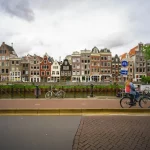
📷 Featured image by Tamara Malaniy on Unsplash.