On this page
- Why Spain’s Lesser-Known Historic Sites Hit Harder Than the Famous Ones
- Roman Spain — The Ruins That Rival Rome Itself
- Moorish Spain Beyond the Alhambra
- Medieval Christian Towns the Tour Buses Miss
- Getting to These Places in 2026 — Trains, Buses, Real Talk
- 2026 Budget Reality — What Historic Spain Actually Costs
- Day Trip or Overnight? How to Decide
- Frequently Asked Questions
💰 Click here to see Spain Budget Breakdown
💰 Prices updated: October, 2026. Budget figures are estimates — always verify before travel.
Exchange Rate: $1 USD = €0.88
Daily Budget (per person)
Shoestring: €60.00 – €90.00 ($68.18 – $102.27)
Mid-range: €120.00 – €180.00 ($136.36 – $204.55)
Comfortable: €220.00 – €470.00 ($250.00 – $534.09)
Accommodation (per night)
Hostel/guesthouse: €15.00 – €50.00 ($17.05 – $56.82)
Mid-range hotel: €70.00 – €130.00 ($79.55 – $147.73)
Food (per meal)
Budget meal: €7.00 ($7.95)
Mid-range meal: €25.00 ($28.41)
Upscale meal: €80.00 ($90.91)
Transport
Single metro/bus trip: €3.00 ($3.41)
Monthly transport pass: €24.00 ($27.27)
Spain‘s headline historic sites — the Alhambra, the Sagrada Família, Toledo’s cathedral — are genuinely worth seeing. But in 2026, they’re also genuinely exhausting. Timed-entry queues, surge-priced tickets booked weeks in advance, and streets so packed you can barely stop to look up. The good news is that Spain has thousands of years of layered history, and most of it is sitting quietly in places where you can actually experience it without a crowd pressing into your back.
Why Spain’s Lesser-Known Historic Sites Hit Harder Than the Famous Ones
There’s a specific feeling you get standing inside a Roman amphitheatre in Mérida at dusk, with only a handful of other visitors around you, the stone still warm from the afternoon sun. Or walking through the Moorish medina streets of Aracena where nobody is trying to sell you a magnet. These places haven’t been smoothed out for mass tourism. The history feels raw and immediate.
Spain was inhabited, invaded, colonised, and transformed by an unusually long list of civilisations — Phoenicians, Greeks, Carthaginians, Romans, Visigoths, Moors, medieval Christian kingdoms. Each left physical marks. Outside the major hubs, those marks are often still sitting in their original context: a Roman bridge you can walk across to reach a town market, a Moorish fortress looming over a village where people still live ordinary lives below it.
That layering is the real draw. In many of these towns, you’ll find a Roman foundation, a Moorish tower built on top of it, and a Christian church built on top of that. Three civilisations stacked in one building. You won’t find that explained on a laminated sign at most of these places — you’ll just see it.
Roman Spain — The Ruins That Rival Rome Itself
Mérida, in Extremadura, is the single most important Roman city in Spain and one of the most significant in all of Europe. It was called Emerita Augusta and served as the capital of the Roman province of Lusitania. What remains is staggering: a theatre that seats 6,000 and still hosts performances in summer, an amphitheatre, a circus, an entire Roman bridge stretching 792 metres across the Guadiana river, a well-preserved temple, and two aqueducts. The national Roman art museum here — the Museo Nacional de Arte Romano — is housed in a Rafael Moneo building that is itself an architectural event.
Tarragona, on the Costa Daurada south of Barcelona, was Tarraco, capital of the largest Roman province in Hispania. The old town sits directly on Roman walls you can walk along. Below street level you’ll find a Roman circus and a praetorium. The amphitheatre is built directly into the cliff above the sea — the view from the upper tiers on a clear morning is genuinely striking. Tarragona tends to get treated as a day trip from Barcelona, but it rewards a night’s stay.
Segóbriga, near Cuenca in Castilla-La Mancha, is less visited than either of those and arguably more atmospheric. It’s a partially excavated Roman city set on a hill in open countryside — a theatre, an amphitheatre, baths, and a forum, all largely unrestored and open to the sky. Entry is around €6. You’ll often have large sections of it completely to yourself.
Moorish Spain Beyond the Alhambra
Al-Andalus at its peak covered most of the Iberian Peninsula and produced architecture, science, philosophy, and urban planning that were centuries ahead of contemporary Europe. Granada’s Alhambra gets the attention, but the Moorish footprint runs deep across Andalusia and beyond.
Medina Azahara, just 8 kilometres west of Córdoba, is the ruined palace-city built by Caliph Abd al-Rahman III in the 10th century. It was the administrative capital of the Caliphate of Córdoba — a city of 100,000 people at a time when most European capitals were small market towns. It was sacked and abandoned within 75 years of being built. What’s been excavated is extraordinary: geometric marble floors, carved stone screens, formal gardens, reception halls designed to impress ambassadors with the sheer scale of Andalusian power. A UNESCO World Heritage Site since 2018, it still gets a fraction of the visitors that Córdoba’s Mezquita receives, despite being equally significant.
Ronda, in the Málaga province mountains, carries obvious Moorish bones in its street layout, its old town (La Ciudad), and the remains of its Arab baths — the Baños Árabes — which are some of the best-preserved in Andalusia. The baths date from the 13th century and still have their original vaulted ceilings with star-shaped skylights. Stand inside on a quiet morning and the silence has a specific quality — the kind that makes you genuinely aware of the age of the place.
Niebla, in Huelva province, is almost unknown to international visitors. Its 5-kilometre circuit of Roman and Moorish walls is nearly completely intact, enclosing a tiny town of about 4,000 people. There are four original gates. You can walk the entire perimeter in under an hour. It’s 30 minutes from Huelva city by road.
Medieval Christian Towns the Tour Buses Miss
The Reconquista — the centuries-long process by which Christian kingdoms reclaimed territory from Moorish rule — left a trail of fortified towns, Romanesque churches, and Gothic cathedrals across the meseta and the northern regions. Many of these places are structurally unchanged since the 14th or 15th century.
Sigüenza, in Guadalajara province, has a cathedral that was begun in 1124 and a castle that served variously as a bishop’s palace, a royal residence, and a Civil War battleground. Today the castle is a parador (state-run heritage hotel). The town itself is small — around 4,500 people — and the historic centre is compact, walkable, and almost entirely stone. There are good restaurants on the main square and almost no tourist infrastructure in the negative sense: no souvenir shops, no guided selfie tours.
Úbeda and Baeza, twin Renaissance towns in Jaén province, are often mentioned in the same breath because they’re only 9 kilometres apart and share a UNESCO listing. Úbeda’s Plaza Vázquez de Molina is one of the finest Renaissance squares in Spain — Vandelvira’s architecture stops you mid-step. Baeza has a cathedral, a university building, and an old slaughterhouse that’s been turned into a cultural centre. Both towns sit in the middle of the world’s largest olive grove, and the smell of olive oil is in the air constantly, especially in winter when the harvest is being pressed.
Getting to These Places in 2026 — Trains, Buses, Real Talk
Spain’s AVE high-speed network expanded significantly between 2024 and 2026. Mérida is now reachable from Madrid in around 2.5 hours via the Extremadura high-speed line, which reached full operation in late 2025 — a major improvement over the old route. Tarragona has long been on the Barcelona–Valencia AVE corridor. Sigüenza is served by a slower Cercanías and regional line from Madrid’s Chamartín station — about 1.5 hours, which is entirely acceptable.
For Medina Azahara, you need to be in Córdoba first (45 minutes from Seville or Madrid by AVE) and then take Bus Line 01 from Córdoba’s Glorieta de las Tres Culturas — it runs specifically to the site. Ronda is connected by rail from both Málaga (scenic route, about 2 hours) and Algeciras. Úbeda and Baeza have no train service; you need a bus from Jaén or Linares-Baeza station, or a rental car.
The practical reality in 2026 is that a rental car opens up a different class of experience for this kind of trip. Segóbriga and Niebla are essentially car-only destinations. The Extremadura region — which contains some of the most historically rich and least-visited terrain in Spain — rewards a road trip structure far more than a point-to-point rail journey.
2026 Budget Reality — What Historic Spain Actually Costs
Entry fees for major archaeological sites have generally increased 10–15% since 2024, tracking broader inflation. Here’s a realistic picture:
- Mérida archaeological ensemble (combined ticket): €18–€22 for most sites
- Medina Azahara: €1.50 (EU citizens free on presentation of ID) — genuinely one of Spain’s best-value entries
- Tarragona Roman sites combined pass: €14–€16
- Segóbriga: approximately €6
- Ronda Baños Árabes: €3.50
- Úbeda/Baeza individual monuments: €4–€8 each
Budget traveller (hostel, menú del día, public transport): €60–€80 per day
Mid-range (guesthouse or 3-star hotel, sit-down lunches, occasional taxi): €110–€150 per day
Comfortable (parador or boutique hotel, car hire included, dinner with wine): €200–€280 per day
The menú del día — a set lunch of two courses plus bread, drink, and dessert — remains Spain’s best daily deal. In smaller historic towns like Sigüenza or Niebla, expect to pay €12–€14 for a full lunch. In more tourist-facing places like Ronda, budget €16–€20.
Day Trip or Overnight? How to Decide
Tarragona works as a day trip from Barcelona if you leave early and focus on two or three sites — but a night there means you get the Roman walls at dusk and breakfast in the old town before the day visitors arrive. Medina Azahara is genuinely a half-day excursion from Córdoba, with no accommodation at or near the site.
Mérida absolutely warrants at least one night, ideally two. There’s too much to cover in a day, and the evening light on the Roman theatre is something you want to experience without having to catch a train afterward. Mérida has a reasonable range of accommodation, including the Parador directly opposite the Roman museum.
Sigüenza is a strong overnight candidate if you’re travelling between Madrid and Barcelona by road, or if you want a quiet base for exploring the Guadalajara province. It’s not a place that tries to entertain you — it simply exists, handsomely, and lets you walk its streets at your own pace.
Úbeda and Baeza together make a natural two-night stop: one night based in each, or two nights in one and day-tripping to the other. They’re far enough from any major city (Jaén is the nearest, about 50 kilometres) that day-tripping from elsewhere feels rushed.
Frequently Asked Questions
What is the best Roman site to visit in Spain outside of the major cities?
Mérida in Extremadura is the most complete and well-preserved Roman city in Spain. Its theatre, amphitheatre, Roman bridge, and national museum make it the standout choice. For something more atmospheric and less visited, Segóbriga near Cuenca offers a partially excavated hilltop city with almost no crowds and very affordable entry.
Is Medina Azahara worth visiting if I’ve already seen the Alhambra?
Yes — they tell completely different stories. The Alhambra is a royal palace in its finest preserved state. Medina Azahara is a ruined city at the height of Caliphate power, partly excavated and deeply evocative. The scale and political context are distinct. It also costs almost nothing to enter, making it an easy addition to a Córdoba visit.
Do I need a car to explore Spain’s historic sites outside the main cities?
Not always, but it helps significantly. Mérida, Tarragona, Ronda, Úbeda, and Baeza are reachable by train or bus. Segóbriga, Niebla, and many smaller Extremaduran sites are car-only in practice. A rental car gives you the flexibility to combine multiple sites in a single itinerary without awkward transfers.
How far in advance should I book tickets for Roman and Moorish sites in 2026?
For smaller sites like Segóbriga or Niebla, no advance booking is needed — just turn up. For Mérida’s summer theatre festival, book at least six weeks ahead. Medina Azahara recommends online pre-booking in peak season (July–August) but rarely sells out. Ronda’s baths are walk-in only with limited timed slots.
Which historic region of Spain is most underrated for travellers in 2026?
Extremadura consistently tops the list among people who’ve actually been there. It contains Mérida, the walled city of Cáceres (a UNESCO World Heritage Site), the conquistador town of Trujillo, and monastery complexes like Yuste and Guadalupe — all with very low visitor numbers compared to their historical significance and quality of preservation.
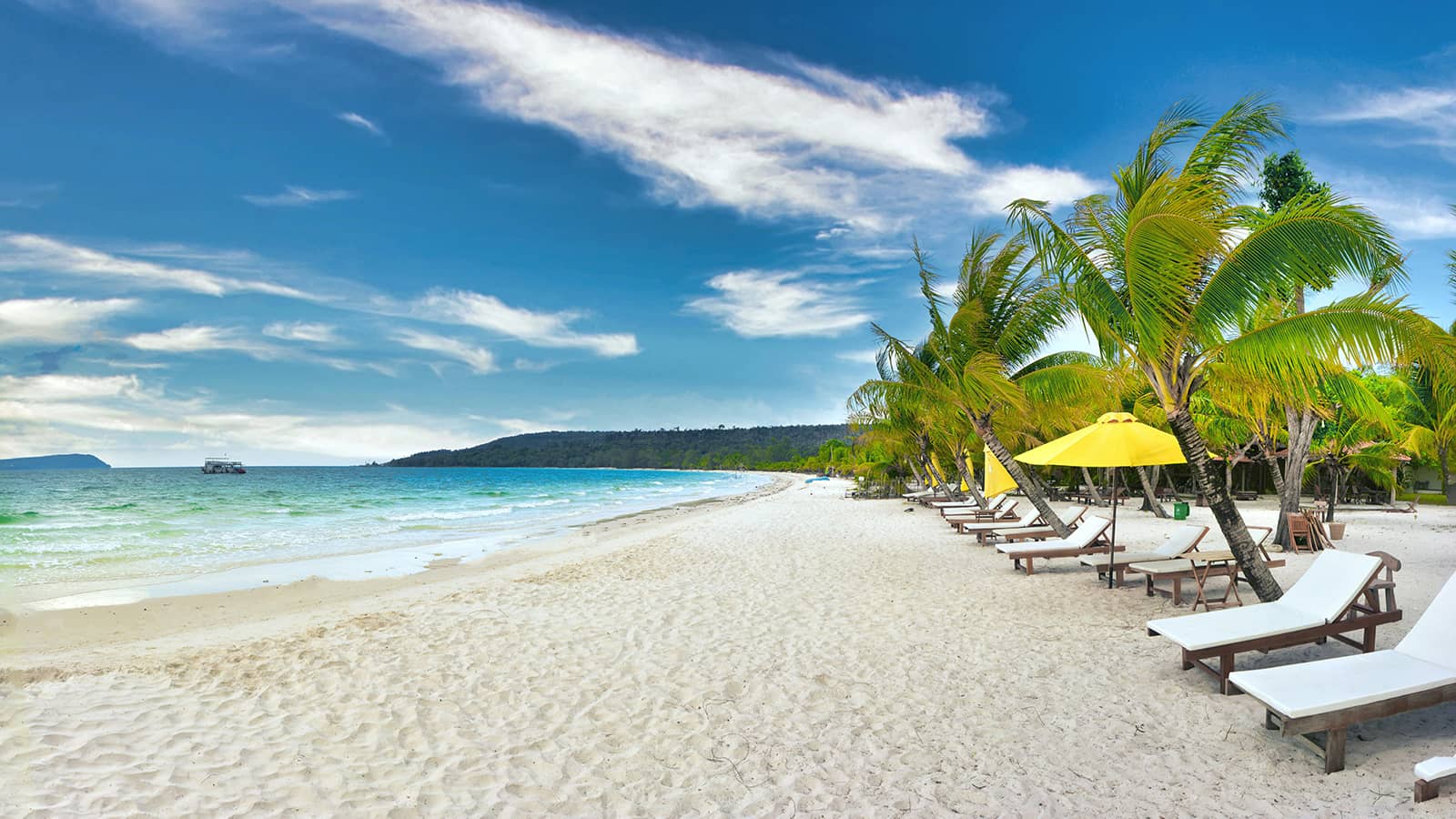
📷 Featured image by Yoanna Yordanova on Unsplash.