On this page
- A Hillside Town Inside a City
- Walking the Albaicín’s Sub-Quarters
- Sights and Viewpoints Worth the Climb
- Where to Eat and Drink on the Hill
- Getting Up the Hill and Around
- Day Trips from the Albaicín
- After Dark: Peñas, Caves and Terraces
- Shopping the Albaicín
- Where to Sleep in the Albaicín
- Best Time to Visit
- Practical Tips
- 2026 Budget Breakdown
💰 Click here to see Spain Budget Breakdown
💰 Prices updated: October, 2026. Budget figures are estimates — always verify before travel.
Exchange Rate: $1 USD = €0.88
Daily Budget (per person)
Shoestring: €60.00 – €90.00 ($68.18 – $102.27)
Mid-range: €120.00 – €180.00 ($136.36 – $204.55)
Comfortable: €220.00 – €470.00 ($250.00 – $534.09)
Accommodation (per night)
Hostel/guesthouse: €15.00 – €50.00 ($17.05 – $56.82)
Mid-range hotel: €70.00 – €130.00 ($79.55 – $147.73)
Food (per meal)
Budget meal: €7.00 ($7.95)
Mid-range meal: €25.00 ($28.41)
Upscale meal: €80.00 ($90.91)
Transport
Single metro/bus trip: €3.00 ($3.41)
Monthly transport pass: €24.00 ($27.27)
Every year the Albaicín gets busier, and every year first-timers make the same mistakes. They arrive at the Mirador de San Nicolás ten minutes before sunset, find a wall of phones, and leave disappointed. They drag a suitcase up cobbled lanes and wonder why nobody warned them. This guide is for 2026 and shows you how to see Granada’s old Moorish quarter properly: when to go, where to walk, what to eat, and how to avoid the crowd.
A Hillside Town Inside a City
The Albaicín climbs the hill opposite the Alhambra, a maze of whitewashed walls, narrow lanes and hidden gardens. Granada’s first Muslim rulers, the Zirids, made this hill their centre in the 11th century. After the Christian conquest in 1492 the quarter kept its street plan, so you still walk on the Moorish layout. UNESCO listed it as a World Heritage Site in 1984, together with the Alhambra and Generalife.
The Albaicín is still a real neighbourhood. Residents hang laundry between balconies, kids kick balls in small squares, and neighbours shout across lanes that are barely wider than a donkey. Church bells ring from the Iglesia de San Salvador, and in spring the smell of jasmine and orange blossom drifts over garden walls. Away from the viewpoints, the loudest sound is often running water from a fountain or the Darro river below.
Visitors love the Albaicín because it asks you to slow down. There is no single “must-see” box to tick. The reward is getting lost, then turning a corner onto a view of the Alhambra glowing against the Sierra Nevada. Give it at least half a day, and a full day if you want teahouses, a bathhouse visit and a flamenco evening.
Walking the Albaicín’s Sub-Quarters
The Albaicín is not one uniform place. It has distinct zones, and picking the right one changes your whole visit.
Lower Albaicín: Calderería and the Darro
This is the easiest part, starting just above Plaza Nueva. Calle Calderería Nueva is lined with Moroccan-style teahouses and craft shops. Carrera del Darro follows the river toward the Alhambra’s foot, with stone bridges, Nasrid-era buildings and a gently rising path. It suits first-timers, families, and anyone with limited mobility.
The Historic Core: San Salvador and Aljibe
Around the Iglesia del Salvador, lanes tighten and the walls grow taller. You find old mansions, the Casa de Zafra and the Aljibe del Rey. It is best for history lovers who like quiet corners.

San Nicolás and the Upper Hill
This is the viewpoint district: the Mirador de San Nicolás, the Mezquita Mayor and several cármenes (walled gardens with houses). It is busy at sunset and peaceful at 10:00. The slopes are steep, so wear proper shoes.
Plaza Larga and San Miguel
The upper-hill social centre. Plaza Larga is where residents shop, drink coffee and argue about football. It sits beside the Arco de las Pesas, an old gate in the Zirid walls. Choose this area if you want a local feel rather than a postcard one.
Sacromonte (the Neighbour)
Beyond the Albaicín’s eastern edge, the cave-house district of Sacromonte has its own flamenco tradition and a rougher, hillier mood. Treat it as a separate half-day, not an add-on.
Sights and Viewpoints Worth the Climb
You can spend a full day on the Albaicín’s landmarks without entering the Alhambra. These are the ones worth your time.
- El Bañuelo: An 11th-century Arab bath on Carrera del Darro, with star-shaped skylights and horseshoe arches. Entry costs around €5, and the visit takes 20 minutes.
- Iglesia del Salvador: Built on the site of the quarter’s main mosque. The orange-tree courtyard with its old ablution patio survives and is more atmospheric than the church interior.
- Aljibe del Rey: A Zirid-era water cistern close to Plaza Larga. It is small, but it shows how the hill was supplied with water.
- Casa de Zafra and Palacio de Dar al-Horra: Two Nasrid-era buildings showing how wealthy families lived. Dar al-Horra is quiet, with a small courtyard, and rarely has queues.
- Mezquita Mayor de Granada: Opened in 2003, it is the city’s first large mosque since 1492. Its garden has one of the best Alhambra views, often with far fewer people than San Nicolás. Check visiting hours, because they change.
- Zirid walls and gates: Look for Puerta de Elvira, Puerta Monaita and the Arco de las Pesas. They are free and take you through stretches of the older city boundary.
The Viewpoints, Ranked by Crowd Level
The Mirador de San Nicolás is the famous one. It is also the busiest, so it works best before 09:30 or after dark. Mirador de San Cristóbal sits a short climb away and is calmer. Mirador de la Lona and the Ermita de San Miguel Alto are higher up, with wider views across the whole city and the Sierra Nevada.
Tickets for the Alhambra itself are separate and cost about €19–20 for the general ticket. Book weeks ahead for spring and autumn. The Albaicín is the best place to view it from afar, so many travellers do the Albaicín in the morning and Alhambra in the afternoon.
Where to Eat and Drink on the Hill
Granada still gives a free tapa with most drinks, though it is less generous than a decade ago. The Albaicín is more about atmosphere than cheap bar-hopping, so choose your spots by location.
- Plaza Larga: The best place for a local-style breakfast or afternoon beer. Morning market stalls sell fruit and vegetables, and terraces fill by 11:00. Prices are lower than around the viewpoints.
- Calle Calderería Nueva: Teahouses serving mint tea, Moroccan sweets and light plates in cushioned rooms. Try Tetería Kasbah for a classic version. Expect €3–5 for tea and €4–7 for pastries.
- Carrera del Darro and Paseo de los Tristes: A riverside strip with terraces looking up at the Alhambra walls. It is more touristy and a little pricier, but pleasant on a warm evening, with the sound of the Darro just behind you.
- Mirador de Morayma: A carmen restaurant with a garden terrace and Alhambra views. Book ahead. Mains run €18–28, and it suits a special-occasion dinner.
- Ruta del Azafrán: A restaurant near the Darro with an Andalusian-Moorish menu and a terrace in good weather. It is usually calmer than the viewpoint restaurants.
- Calle Elvira (lower edge): Just below the Albaicín, it is a good spot for cheap tapas, kebabs and Moroccan takeaway. A quick stop for budget travellers.
For a picnic, the Mercado de San Agustín near the cathedral is the closest proper market. Buy fruit, cheese and bread, then carry it up the hill and eat in a quiet corner. Lunch menus (menú del día) around the lower Albaicín cost €12–16 and are the best value of the day.
Getting Up the Hill and Around
The Albaicín is a steep, cobbled hill, and the bus network is built around that. Plan how you go up, because getting down is easy.

- Minibuses: The small C31 and C32 buses run from the Plaza Nueva area up through the quarter. A single ticket is about €1.40, and the narrow lanes limit bus size. Routes change, so check the current map at the stop.
- Walking: From Plaza Nueva to San Nicolás is a 20–30 minute climb, depending on your pace.
- Taxis: They can enter areas where private cars are restricted. From Plaza Nueva to San Nicolás costs about €8–10. Use them if you have luggage.
- Bikes and scooters: Not recommended. The hill is steep and the cobbles are rough.
- From the airport: Granada-Jaén airport is about 15 km away. The airport bus costs around €3–4 and stops in the centre. A taxi to the centre costs roughly €25–35. From the centre, walk or take a taxi up to your hotel.
- From the train station: The AVE from Madrid takes about 3.5 hours. From the station, a taxi to the lower Albaicín takes 10 minutes.
Since 2025, Granada has enforced a low-emission zone in parts of the centre. Private cars are heavily restricted in the Albaicín, so do not plan to drive up. Park outside the centre or skip the car altogether.
Day Trips from the Albaicín
Granada is a good base because mountains and coast are both close. These four work well.
- Las Alpujarras (full day): White villages such as Pampaneira, Bubión and Capileira cling to the southern slopes of the Sierra Nevada. Take the Alsa bus from Granada, about 2 hours each way, or rent a car. Leave early, because the bus schedule is limited.
- Guadix (half to full day): Known for its cave-house district, it is about 1 hour by bus or train. Tour the cave dwellings and have lunch in one. It is a good contrast with Sacromonte.
- Salobreña (full day): A whitewashed coastal town topped by a castle, about 1 hour by bus. Spend the morning in the old town, the afternoon on the beach.
- Sierra Nevada (half day): Pradollano, the ski resort, is about 45 minutes away. Ski from roughly December to April. In summer, walk the high trails and take the cable car.
Córdoba is possible as a day trip by train or bus, but it takes about 2.5 hours each way. Most people are happier with a night there.

After Dark: Peñas, Caves and Terraces
The Albaicín’s nights are quieter than the rest of Granada, and that is the appeal. The soundtrack is guitar, not DJs.
- Flamenco in Sacromonte caves: Venues such as Los Tarantos and La Rocío put on shows in whitewashed caves. Tickets cost about €25–40, often with a drink included. Rooms are small, so you feel the foot stamps in your chest. Book ahead and check recent reviews, because quality varies between venues.
- Peña de la Platería: One of Spain’s oldest flamenco clubs, in the Albaicín near the Darro. It is more local and less staged. Check its schedule for performances.
- Eshavira: A bar near the lower Albaicín with live jazz and flamenco nights. It is informal and good for a late drink.
- Terrace drinks: The terraces at Paseo de los Tristes and around San Nicolás are the right place for a glass of wine with a floodlit Alhambra.
- Bigger nights: For clubs, head down to Calle Pedro Antonio de Alarcón and the student areas. The Albaicín closes early, and the walk back is steep.
Shopping the Albaicín
This is not a mall district. The shopping is small, specific and tied to local crafts.
- Calle Calderería Nueva: Moroccan lamps, leather bags, slippers, spices and incense. Prices are usually fixed, though small discounts for several items are common.
- Fajalauza ceramics: Granada’s own blue-and-green pottery, with a history of hundreds of years. Buy from a proper shop, not a souvenir stand, to avoid imports.
- Taracea: Granada’s marquetry, inlaying wood with bone and mother-of-pearl. Small boxes cost €15–40 in workshops, and larger pieces much more.
- Guitar makers: The streets near Cuesta de Gomérez, between Plaza Nueva and the Alhambra, have long guitar-making traditions. Visit even if you are not buying.
- Alcaicería: The rebuilt silk market near the cathedral. It is more touristy, but good for scarves and gifts.
Where to Sleep in the Albaicín
Staying on the hill gives you quiet mornings and evenings with few day-trippers. The tradeoff is the climb with luggage.
Budget (€25–70 per night)
Hostels and small guesthouses sit in the lower Albaicín and around Calle Elvira. Oasis Backpackers’ Hostel, near the lower edge, is a long-running option. Dorm beds usually cost €25–40, and private rooms €50–70. Staying lower means less climbing.

Mid-Range (€85–150 per night)
The upper and middle Albaicín has many small guesthouses in restored houses. Expect courtyards, terraces and plenty of stairs. Check the exact location and the last stretch of walking from the nearest taxi stop.
Comfortable and Luxury (€180–350+ per night)
Casa Morisca, in a restored 15th-century house, and Hotel Santa Isabel la Real, beside the convent of the same name, are well-known options. Palacio de Santa Inés is another old-house hotel with a Renaissance courtyard. These are small, so book months ahead for spring.
Since late 2024, Spanish hotels and rentals must collect guest ID details, so bring your passport. Granada has also tightened rules on new holiday rentals in the historic centre, so check that your listing is registered. At the time of writing, Granada does not charge a separate tourist tax, but Spanish regions keep debating them, so check at booking.
Best Time to Visit
- Spring (March–May): The best season. Temperatures run 15–25°C, gardens bloom, and the Sierra Nevada keeps its snow. Semana Santa in 2026 runs from 29 March to 5 April, with processions through the lanes. On 3 May, Día de la Cruz brings flower-covered crosses in squares.
- Early summer (June): Hot but manageable, with the Corpus Christi fair and the International Festival of Music and Dance, held in Alhambra spaces.
- July and August: Often 35–40°C. Walk early and late, and use the midday hours for museums and a long lunch.
- Autumn (September–November): Warm days, cooler nights, fewer people. October is excellent for walking.
- Winter (December–February): Cold, around 0–12°C, but clear. Fewer crowds, and you can combine the Albaicín with skiing in the Sierra Nevada.
Shoulder months (late April, early October) give the best mix of weather and space. Avoid major holidays if you dislike crowded lanes.
Practical Tips
- Safety: The Albaicín is generally safe, but pickpockets work the viewpoints, and quieter lanes at night deserve care. Keep phones in front pockets, and stick to better-lit routes after dark.
- Footwear: The cobbles are uneven and polished by centuries of use. Wear shoes with grip, not smooth soles or flip-flops.
- Luggage: Wheeled suitcases rattle noisily on cobbles, and the sound can fill an entire lane. Take a taxi to the door when possible, and pack light.
- Tipping: Not required. Round up the bill or leave 5–10% for good service in a restaurant.
- Language: Spanish is spoken, with an Andalusian accent that drops syllables. English is common in tourist areas and less so on Plaza Larga. A few Spanish phrases go far.
- SIM and data: Spanish SIM or eSIM plans for visitors start around €10–20 for a month. Download offline maps, because narrow lanes can confuse GPS.
- Water: Granada’s tap water comes from Sierra Nevada and is safe and tasty. Carry a bottle and refill it.
- Siesta hours: Small shops often close from about 14:00 to 17:00. Lunch is 14:00–16:00 and dinner starts around 21:00. Plan sights accordingly.
- Mosque and church etiquette: Dress modestly. Cover shoulders and avoid loud talk, especially in the Mezquita Mayor.

2026 Budget Breakdown
These are daily estimates per person, excluding flights and Alhambra tickets unless noted.
Budget: €60–85 per day
- Hostel dorm or basic room: €25–45
- Food: €20–25 (market breakfast, menú del día, tapas)
- Transport: €3–5 (minibus and walking)
- Sights: €5–10 (El Bañuelo or a small museum)
Mid-Range: €130–190 per day
- Guesthouse or boutique hotel: €85–140
- Food: €35–50 (café breakfast, lunch menu, sit-down dinner)
- Transport: €8–15 (some taxis)
- Sights and entertainment: €25–40 (Alhambra or flamenco show)
Comfortable: €260–450 per day
- Restored-palace hotel: €180–350
- Food: €70–100 (carmen terrace dinner with wine)
- Transport: €15–30 (taxis, airport transfer)
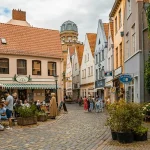
📷 Featured image by William Larsen on Unsplash.