On this page
- Costa Brava’s Hidden Character: Medieval Towns Meet Pristine Beaches
- Best Towns and Villages: Where to Base Your Costa Brava Adventure
- The Beach Guide: From Secret Coves to Family-Friendly Stretches
- Food Scene: Seafood Culture and Michelin Stars by the Mediterranean
- Getting There and Around: Transportation in 2026
- Planning Your Costa Brava Visit
- Budget Breakdown: What Costa Brava Costs in 2026
- Frequently Asked Questions
💰 Click here to see Spain Budget Breakdown
💰 Prices updated: October, 2026. Budget figures are estimates — always verify before travel.
Exchange Rate: $1 USD = €0.88
Daily Budget (per person)
Shoestring: €60.00 – €90.00 ($68.18 – $102.27)
Mid-range: €120.00 – €180.00 ($136.36 – $204.55)
Comfortable: €220.00 – €470.00 ($250.00 – $534.09)
Accommodation (per night)
Hostel/guesthouse: €15.00 – €50.00 ($17.05 – $56.82)
Mid-range hotel: €70.00 – €130.00 ($79.55 – $147.73)
Food (per meal)
Budget meal: €7.00 ($7.95)
Mid-range meal: €25.00 ($28.41)
Upscale meal: €80.00 ($90.91)
Transport
Single metro/bus trip: €3.00 ($3.41)
Monthly transport pass: €24.00 ($27.27)
While Barcelona draws millions to its urban beaches, the real coastal magic of Catalonia unfolds just an hour north along the Costa Brava. In 2026, this “Wild Coast” remains refreshingly authentic despite increased accessibility through improved train connections and new coastal bus routes that have made car-free exploration finally feasible for international visitors.
Costa Brava’s Hidden Character: Medieval Towns Meet Pristine Beaches
The Costa Brava stretches 160 kilometres from Blanes to the French border, but its appeal goes far beyond beaches. This coastline earned its “wild” nickname from the dramatic cliffs, Hidden coves, and pine forests that tumble directly into crystalline Mediterranean waters. What sets Costa Brava apart from Spain’s other coastal regions is how medieval fishing villages have preserved their character while embracing modern tourism intelligently.
Walk through Pals or Peratallada and you’ll hear the crunch of ancient cobblestones under your feet, catch glimpses of stone houses that haven’t changed since the 14th century, and smell wild herbs growing between medieval walls. The contrast is striking: one moment you’re exploring a fortress village that defended against pirates, the next you’re swimming in turquoise waters that rival the Caribbean.
The region’s cultural depth surprises many visitors. Salvador Dalí chose this coast as his permanent home, and his influence permeates everything from architecture to local art galleries. The Costa Brava also preserves distinct Catalan traditions, from the sardana folk dance performed in town squares to the ancient art of coral fishing that still sustains several communities.
Best Towns and Villages: Where to Base Your Costa Brava Adventure
Cadaqués stands as the Costa Brava’s crown jewel, the whitewashed fishing village where Dalí lived and worked. The town’s labyrinthine streets wind down to a protected bay where fishing boats still outnumber yachts. Early morning brings the sound of seagulls and the sight of fishermen mending nets, while evenings offer spectacular sunsets from the rocky outcropping near Dalí’s house-museum.
For those seeking a balance of history and amenities, Girona serves as the perfect inland base. This medieval city, with its perfectly preserved Jewish Quarter and imposing cathedral steps (featured in Game of Thrones), sits just 30 minutes from the coast by bus. Girona’s restaurant scene rivals Barcelona’s, but with lower prices and shorter queues.
Calella de Palafrugell offers the quintessential Costa Brava experience: traditional whitewashed houses cluster around a small sandy beach, fishing boats rest on the shore, and family-run restaurants serve the day’s catch steps from the Mediterranean. The town maintains an authentic fishing village atmosphere while providing modern comforts.
Tossa de Mar combines beach relaxation with historical exploration. The Vila Vella (Old Town) sits atop cliffs within intact 12th-century walls, offering panoramic coastal views. Below, two beaches provide different atmospheres: the main beach for families and amenities, the smaller Platja d’Es Codolar for a more secluded experience.
The Beach Guide: From Secret Coves to Family-Friendly Stretches
Costa Brava’s beaches divide into three distinct categories: hidden coves accessible only by foot or boat, family-friendly towns with full amenities, and wild stretches perfect for hiking and solitude.
Cala Montjoi, once home to the legendary elBulli restaurant, remains one of Europe’s most beautiful hidden beaches. The 20-minute walk through pine forest opens onto a perfect crescent of sand backed by dramatic cliffs. The water here glows an impossible shade of turquoise, and snorkelling reveals underwater caves and abundant marine life.
For families, Lloret de Mar offers everything needed for a beach holiday: lifeguards, restaurants, equipment rentals, and calm waters. Despite its reputation for nightlife, the town’s main beach during daylight hours provides a classic Mediterranean beach experience with Catalan character intact.
Sa Tuna exemplifies Costa Brava’s charm: a tiny fishing village built around a 50-meter beach where weathered boats rest on sand between uses. The single beach restaurant serves grilled fish caught that morning, while crystal-clear waters invite swimming and snorkelling among rocks teeming with sea life.
Adventure seekers should explore the Camí de Ronda, the restored coastal path that connects beaches and villages along the entire coastline. This ancient smugglers’ route offers access to dozens of untouched coves while providing spectacular hiking with the scent of wild rosemary and the sound of waves below.
Food Scene: Seafood Culture and Michelin Stars by the Mediterranean
Costa Brava’s culinary identity centers on the marriage of Mediterranean seafood with Catalan mountain traditions. The region’s signature dish, suquet de peix, transforms the day’s catch into a rich stew with potatoes, tomatoes, and saffron that varies with each fishing village’s traditions.
Michelin recognition has elevated several Costa Brava restaurants to international status. Els Brancs in Roses combines molecular gastronomy techniques with traditional Catalan flavors, while Miramar in Llançà focuses on pristine local ingredients prepared with technical precision. Both restaurants source directly from local fishermen and farmers, maintaining strong connections to regional food traditions.
For authentic local experiences, seek out the chiringuitos (beach restaurants) that specialize in rice dishes and grilled seafood. Can Roca in Platja d’Aro serves paella cooked over wood fires just meters from where the rice ingredients are caught, while the family-run Restaurant Es Baluard in Cadaqués has grilled the same fish varieties using identical techniques for three generations.
The region’s wine culture deserves attention too. The Empordà DO produces exceptional wines from vineyards that slope toward the Mediterranean, creating unique growing conditions. Many wineries offer tastings paired with local cheeses and charcuterie, particularly around Figueres and inland toward the Pyrenees.
Market culture thrives throughout the Costa Brava. Saturday mornings in Palafrugell bring vendors selling everything from just-caught fish to mountain cheeses, while the Girona market operates daily with one of Catalonia’s best selections of local produce and prepared foods.
Getting There and Around: Transportation in 2026
Transportation to Costa Brava improved dramatically in 2026 with the launch of the Coastal Express bus service connecting Barcelona to major Costa Brava destinations. These modern buses run hourly during summer months, reaching Lloret de Mar in 75 minutes and Cadaqués in two hours, with stops at most major towns.
Renfe’s regional trains connect Barcelona to Blanes (the southernmost Costa Brava town) in 90 minutes, with connections to coastal buses for destinations further north. The train journey offers coastal views and costs significantly less than private transportation options.
For maximum flexibility, rental cars remain popular despite improved public transport. The AP-7 autopista provides fast access from Barcelona (90 minutes to most destinations), while the coastal GI-682 road offers spectacular scenery at a slower pace. Parking can be challenging in medieval town centers during peak season, but most destinations offer reasonably priced lots within walking distance.
Within the region, the new Costa Brava Bus Pass provides unlimited travel between coastal towns for periods from three days to two weeks. This pass, introduced in 2026, has revolutionized how visitors explore the coast without private vehicles.
Girona-Costa Brava Airport serves the region with direct flights from major European cities, though many visitors still prefer flying into Barcelona for better international connections and the option to explore both the city and coast during one trip.
Planning Your Costa Brava Visit
Costa Brava works beautifully as either day trips from Barcelona or as a standalone destination deserving several days exploration. Your choice depends largely on what aspects of the region most appeal to you.
Day trippers should focus on single destinations rather than trying to cover multiple towns. Cadaqués makes an excellent day trip: morning exploration of the Dalí Museum, lunch at a waterfront restaurant, afternoon beach time, and evening return to Barcelona. The journey by bus takes two hours each way, leaving six hours for exploration.
Alternatively, Girona offers the perfect day trip combining cultural exploration with coastal access. Spend the morning in Girona’s medieval quarter, take an afternoon bus to nearby Calella de Palafrugell for beach time and dinner, then return to Barcelona in the evening.
For overnight visitors, three days provides an ideal introduction: one day each for a major town (Cadaqués or Tossa de Mar), a medieval inland village (Pals or Peratallada), and beach exploration via the coastal walking path. A week allows deep exploration of the region’s cultural sites, hiking trails, food scene, and hidden beaches.
Seasonal considerations matter significantly. Summer offers perfect weather and full restaurant/accommodation options, but also crowds and higher prices. Late spring (May) and early autumn (September-October) provide excellent weather, fewer crowds, and better prices, though some seasonal restaurants may be closed.
Budget Breakdown: What Costa Brava Costs in 2026
Costa Brava’s costs vary dramatically between high season (July-August) and shoulder periods, with budget-conscious travelers finding excellent value outside peak summer months.
Accommodation (per night):
- Budget hostels and guesthouses: €25-45
- Mid-range hotels and boutique properties: €80-150
- Luxury coastal resorts and historic paradors: €200-400
Meals:
- Budget: Menu del día at local restaurants €12-18, beach snacks €5-8
- Mid-range: Dinner at quality restaurants €25-40 per person, lunch with wine €20-30
- Comfortable: Michelin-starred tasting menus €80-150, premium seafood dinners €45-70
Transportation:
- Barcelona to Costa Brava by bus: €8-15 each way
- Three-day Costa Brava Bus Pass: €25
- Car rental: €35-60 per day plus fuel and parking
Activities:
- Beach access: Free at most locations
- Dalí Museum in Cadaqués: €15
- Girona Cathedral and museums: €10-12
- Guided hiking tours: €35-50 per person
A comfortable three-day Costa Brava experience typically costs €200-300 per person including accommodation, meals, transportation, and activities, not including shopping or premium experiences.
Frequently Asked Questions
Is Costa Brava worth visiting without a car?
Absolutely. The 2026 Coastal Express bus service and Costa Brava Bus Pass make car-free exploration entirely feasible, connecting all major destinations efficiently.
What’s the best time to visit Costa Brava for fewer crowds?
May, June, September, and October offer excellent weather with significantly fewer crowds and better prices than July-August peak season.
How many days do you need for Costa Brava?
Three days provides a good introduction, while 5-7 days allows thorough exploration of beaches, medieval towns, cultural sites, and hiking trails.
Can you swim in Costa Brava year-round?
Swimming season runs May through October, with water temperatures reaching 24°C in summer and remaining swimmable through early November for hardy visitors.
Is Costa Brava suitable for families with children?
Very much so. Towns like Lloret de Mar and Tossa de Mar offer family-friendly beaches, calm waters, and plenty of amenities for traveling with kids.
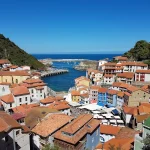
📷 Featured image by Victoriano Izquierdo on Unsplash.