On this page
- Why the Bay Is Only the Beginning
- Best Neighborhoods for Beach Lovers
- The Beaches Worth Your Towel
- Where to Eat Before and After the Sand
- Getting Between Beaches
- Day Trips Along the Basque Coast
- After the Sun Goes Down
- Shopping Beyond the Beach Bag
- Where to Stay by Budget
- Best Time to Visit
- Practical Tips
- Budget Breakdown for 2026
Every August, the same scene plays out on La Concha. Towels overlap, the tide pulls the sand out from under your feet, and a “quick swim” turns into a 20-minute hunt for your bag. In 2026, the pressure is worse. More travellers now head to the cool Basque coast to escape the heat in southern Spain, and the best-known bay takes the full weight of it. The good news is that San Sebastián has more beaches than most visitors realise, and the coast around it hides even better ones. This guide shows you where to go, when to go, and how to avoid the crowds.
Why the Bay Is Only the Beginning
San Sebastián (Donostia in Basque) is a city built around water. Three beaches sit inside the city limits, a small island floats in the middle of the bay, and two green hills hold it all in place. Locals treat the sand like an extension of the living room. Office workers swim at 8 a.m. before work. Retirees walk the promenade every afternoon in a fixed loop. Teenagers gather at Zurriola with a speaker and a bag of pipas (sunflower seeds).
The personality of each beach is different, and that is the point of this guide. La Concha is elegant and curved, with white railings and Belle Époque buildings behind it. Ondarreta is quieter and more family-oriented. Zurriola is loose, windy and full of surfers. Once you leave the city, the Basque coast changes again. You find cliffs that look like layered cake, fishing harbours with grills smoking on the quay, and long, wide beaches where the Atlantic really shows its strength.
One thing sets this coast apart from the Mediterranean: it is not a place for lying still all day. The sea is cooler, the weather can change in an hour, and the tides move a long way. You plan around them, and that planning is part of the fun.
Best Neighborhoods for Beach Lovers
Where you sleep decides which beach becomes your “home” beach. Here is how the main areas feel.
Centro and the Área Romántica
This is the elegant grid of streets between La Concha and the Cathedral of the Good Shepherd. You are two minutes from the sand, with pastry shops and quiet side streets around you. It suits couples, first-time visitors and anyone who wants to walk everywhere. It is also the most expensive area in summer.

Parte Vieja (Old Town)
The Old Town sits at the eastern end of La Concha, under Monte Urgull. You wake up to shutters rattling open and delivery trolleys on stone streets, and you go to sleep to the noise of bars. It is perfect if food and nightlife come first and the beach is your morning swim. Light sleepers should ask for an upper floor and an interior room.
Gros
Gros is across the Urumea river, facing Zurriola beach. It feels like a real neighbourhood, with surf shops, laundrettes, bakeries and bars full of locals. It suits surfers, younger travellers, and anyone who wants a lower-key base. Prices are usually a little softer than the centre.
Antiguo and Ondarreta
At the western end of the bay, Antiguo is residential and calm. Ondarreta beach is right there, and the funicular up Monte Igueldo is nearby. Families and travellers staying a week or more like this area. The compromise is that the Old Town is a 25-30 minute walk away.
Igueldo
Up on the hill, Igueldo has sea views, pine trees and a village feel. It works if you have a car or do not mind the bus. It is a good match for campers and people who want quiet nights.
The Beaches Worth Your Towel
La Concha: Go Early or Go Late
La Concha is about 1.3 km of pale sand wrapped around a calm bay, with Monte Urgull on one side and Monte Igueldo on the other. The island of Santa Clara sits in the middle like a lid on a pot. It is still worth your time, but treat it like a stage with a schedule. Before 10 a.m. you will share it with swimmers and dog walkers. After 7 p.m. the crowd thins, the light turns gold, and the promenade fills with families. At high tide the beach nearly disappears, especially at the eastern end, so check the tide before you put your towel down.
Ondarreta: The Locals’ Choice
Ondarreta is the western part of the bay, about 600 metres long and separated from La Concha by a small wall. The water is just as calm, but the mood is different. You will hear more Spanish and Basque than English. At the far end, the sculpture “Peine del Viento” (Comb of the Wind) by Eduardo Chillida grips the rocks, and on a windy day the waves explode through the blowholes in front of it. Above the beach, the gardens of the Miramar Palace are a cool place to sit when you need shade.
Zurriola: The Surf Beach
Zurriola, in Gros, is where the bay’s calm ends. It faces open sea, so waves roll in steadily, and surfers in wetsuits are in the water almost every day of the year. It is about 800 metres long, backed by the glass blocks of the Kursaal. Surf schools set up on the sand in season. A group lesson with a board and wetsuit usually costs around €40–55 in 2026, and renting your own board and wetsuit for a few hours is roughly €15–25.
Santa Clara Island: The Small Escape
From the harbour, a small boat takes you to Santa Clara in about 10 minutes, usually from late spring to early autumn. A return ticket costs roughly €5–7. The island has a tiny beach that appears at lower tides, a lighthouse, and a seasonal bar. You can swim off the rocks in clear water, and the views back at the city are the best you will get. Bring water and snacks, because supplies are limited.
Where to Eat Before and After the Sand
You do not need a restaurant booking to eat well in San Sebastián. You need a direction to walk in.
- Parte Vieja bar streets: Calle 31 de Agosto and Calle Fermín Calbetón are packed with pintxo bars. Expect the clatter of plates, the smell of grilled mushrooms, and people eating standing up with a small glass of beer (a zurito). Bar Néstor, known for its tortilla and tomato salad, draws a queue for good reason.
- Gros, near Zurriola: After a surf, walk to Calle Zabaleta and the streets around it. Bergara Bar is one of the best-known stops here, and Ni Neu, inside the Kursaal, has a terrace facing the waves.
- Mercado de San Martín: Build a picnic here from the food stalls and market counters. Cheese, ham, fruit and bread are all good, and a beach picnic costs far less than a sit-down meal.
- Hondarribia’s Calle San Pedro: About 20 km east, this street in the old fishing quarter is lined with bars with tables spilling onto the pavement.
- Getaria’s harbour: Grills sit along the quay, and the smoke from fish cooking over charcoal drifts down the street. Elkano is the famous name for grilled turbot, but you can eat well at smaller places too.
- Cider houses in Astigarraga: These sagardotegis usually operate from about January to spring, so they do not suit a summer beach trip. In cooler months, they are worth the short bus ride.

Getting Between Beaches
San Sebastián is small enough that walking works for most of what you want to do.
- On foot: The promenade from the Old Town to Ondarreta is about 2.5 km, and it is flat and easy. Zurriola is a 10-minute walk from La Concha across the Zurriola bridge.
- City buses: Dbus covers the city well and costs under €2 per ride. Get a rechargeable Mugi card, which lowers the fare, and check whether contactless bank payment works on your line, since this has been rolling out across the Basque region.
- Bikes: The city has a network of bike lanes, called bidegorris, and a public bike-share system. The coast route to Ondarreta is flat and pleasant.
- Funicular: A historic funicular climbs Monte Igueldo from Ondarreta for a few euros. The top gives you a full view of the bay.
- Taxis: Taxis are plentiful but not cheap. A short city ride costs roughly €8–12, and the ride to San Sebastián Airport in Hondarribia is usually about €35–45.
- Airport transfers: San Sebastián Airport is small, with limited flights. Many visitors fly into Bilbao, about 100 km away, then take a direct bus for roughly €18–22. Biarritz airport in France is another option, around 50 km away.
Day Trips Along the Basque Coast
Hondarribia (40 minutes by bus)
Take the Lurraldebus from the city centre. The old walled quarter sits above a long, calm beach, and the Marina district below is full of colourful balconies and bars. Allow a full day. You can swim, eat pintxos on Calle San Pedro, and walk the old walls.
Zarautz and Getaria (35-45 minutes by train)
Euskotren trains from Amara station run along the coast. Zarautz has the longest beach in the area, around 2.5 km, and it is popular with surfers and families. From there, a coastal path of roughly 4 km leads to Getaria, where the small Malkorbe beach sits right next to the old town. Plan a full day, and finish with lunch at a harbour grill.

Zumaia (about 55 minutes by train)
Itzurun beach sits beneath the flysch cliffs, layers of rock that tilt out of the water like a giant stack of pages. They are part of the Basque Coast UNESCO Global Geopark. At low tide, you can walk along the rock platforms and see the layers up close. The beach also appeared in the TV series Game of Thrones. Check the tide table before you go, because the experience changes completely between high and low water. Allow half a day.
Hendaye, France (about 40 minutes by train)
The Euskotren line known as the Topo runs from Amara to Hendaye. The beach there is wide and sandy, stretching for around 3 km, with a very different feel from the Spanish side: French-style cafés, long boardwalk, and more space. It works well for a half-day trip, and bring your passport or ID as a precaution. Non-EU visitors should also check the EU’s new Entry/Exit System, which has been phasing in across 2025–2026, and ETIAS, which is expected later in 2026.
After the Sun Goes Down
Beach evenings here are slow and social. Locals sit on the sea wall at sunset with a drink, and a hush falls when the sun hits the water behind Monte Igueldo. After dark the action moves in two directions.
- Old Town: Bars along Calle Fermín Calbetón stay lively late, and the crowd is a mix of locals and visitors. Expect to move from bar to bar rather than settle in one.
- Gros: The terraces near Zurriola attract a younger, more relaxed crowd, often with surf talk and the sound of waves in the background.
- Live music: In late July, the Jazzaldia festival brings concerts to venues across the city, including beach stages. Check the programme in advance, because the best shows sell out.
- Festivals: On the night of San Juan (23 June), bonfires glow along the beaches. In mid-August, Semana Grande brings a nightly fireworks competition over the bay, and thousands fill La Concha to watch.
- Flamenco note: Flamenco is not a Basque tradition. If you want local music, look for trikitixa (accordion) and txalaparta (wooden percussion) at festivals, or bertso singing, where performers improvise verses.

Rooftop bars are rare in San Sebastián. The best night view is from the top of Monte Igueldo, where the whole bay glows like a necklace.
Shopping Beyond the Beach Bag
- Gros surf shops: The streets around Zurriola have shops selling boards, wetsuits and clothing from Basque surf brands, including Pukas. It is the best place to buy practical beach gear.
- Centro: Avenida de la Libertad and the streets around the Boulevard have the main fashion chains and department stores.
- Parte Vieja: Small shops sell Basque berets, linen, ceramics, local cheese and cider. Quality varies, so look for shops that make or source locally.
- Mercado de San Martín: Good for edible souvenirs, such as Idiazabal cheese and preserved anchovies.
- Supermarkets: Eroski, a Basque chain, is handy for sun cream, water and snacks at fair prices.
Most small shops close on Sundays, and many close for a few hours in the afternoon, so plan around that.
Where to Stay by Budget
Prices in San Sebastián rise sharply in July, August and during the film festival in late September. Book early for those dates.
- Budget: Hostel dorm beds run roughly €40–60 per night in summer, and simple pensions or budget hotels with a double room cost about €100–150. Gros and Amara tend to give you the best value. Camping Igueldo, on the hill above Ondarreta, has pitches from roughly €30–45 in season.
- Mid-range: Expect €180–280 per night for a double in a three- or four-star hotel in Centro, Gros or Antiguo. Several hotels, such as Hotel Niza, face La Concha, and rooms with sea views usually cost more.
- Luxury: Rates start around €350 and climb above €700 in peak weeks. Hotel de Londres y de Inglaterra overlooks the bay with a classic look, and Hotel María Cristina sits on the river with a grand, old-world feel.
Many apartments have been regulated more strictly in recent years, so check that a rental has a valid tourist licence number. Ask about air conditioning too. Summers on the Basque coast are warmer than they used to be, and not every older building has it.
Best Time to Visit
- June: Long days, fewer crowds, and the San Juan bonfires. Sea temperatures are still cool, around 18–19°C.
- July and August: Peak season. Air temperatures average mid-20s°C, with hot spells above 30°C, and the sea reaches about 20–22°C. Expect crowds and high prices.
- September: Often the best month. The sea is still warm, the crowds have thinned, and the film festival adds energy late in the month.
- October to April: Beaches are for walking, not swimming, except for surfers. Winter storms send huge waves over the promenade, and it is dramatic to watch from a safe distance.
Rain can arrive in any month, so bring a light jacket even in July. Keep your plans flexible and treat sunny mornings as the best swim window.
Practical Tips
- Flags: Green means safe swimming, yellow means caution, red means stay out of the water. Lifeguards are normally on duty from about June to mid-September, with limited cover in shoulder months.
- Currents: Zurriola can have strong rip currents. If you are caught, swim parallel to the shore instead of fighting straight back.
- Valuables: Petty theft is not rampant, but crowded beaches attract opportunists. Do not leave phones or wallets unattended on your towel.
- Smoking and dogs: Rules on smoking and dogs on beaches have tightened in many Spanish towns, so follow the local signs.
- Language: Spanish works everywhere, and Basque (Euskara) appears on all signs. A simple “eskerrik asko” (thank you) gets smiles. Beach names also appear in Basque, like Kontxa for La Concha.
- Tipping: Not expected. Rounding up or leaving small change is enough.
- SIM cards: EU visitors can roam freely. Other travellers should get an eSIM or a prepaid SIM from Movistar, Orange or Vodafone, available at the airport or in town.
- Water: Tap water is safe to drink, and there are public fountains and free beach showers in season.
- Hours: Lunch usually runs from 1:30 to 3:30 p.m., and dinner starts around 8:30 p.m. Pintxo bars fill from 7 p.m.
Budget Breakdown for 2026
These are daily costs per person, based on sharing a room where relevant, in summer.
- Budget (€80–110 per day): Hostel dorm bed, supermarket or market picnic lunch, two or three pintxos with a drink in the evening, buses or trains for one day trip, and free beach time.
- Mid-range (€170–240 per day): Share of a hotel double, a set lunch (menú del día) at about €18–25, a pintxo crawl of six to eight items with drinks for roughly €25–40, a surf
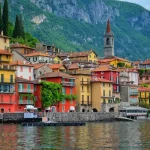
📷 Featured image by Mykhailo Volkov on Unsplash.