On this page
- Traditional Paella Restaurants — Authentic Paelleras Away from Tourist Traps
- Central Market and Food Halls — Valencia’s Legendary Mercado Central Plus Modern Food Courts
- Tapas Bars in Carmen and Russafa — Neighborhood-by-Neighborhood Tapas Scene
- Michelin-Starred and Fine Dining — High-End Restaurants Pushing Valencia’s Culinary Boundaries
- Street Food and Casual Bites — Food Trucks, Bocadillo Shops, and Grab-and-Go Favorites
- Waterfront Dining in Malvarosa — Beachside Restaurants with Fresh Seafood
- Dining Costs and Practical Tips
- Frequently Asked Questions
Valencia‘s food scene exploded in popularity after the 2023 UNESCO recognition of its culinary heritage, but finding authentic spots among the tourist-focused paella joints requires insider knowledge. The city’s dining landscape has evolved significantly since 2024, with new food halls, relocated markets, and stricter regulations on waterfront restaurants changing where locals actually eat.
Traditional Paella Restaurants — Authentic Paelleras Away from Tourist Traps
Real Valencians never eat paella for dinner — it’s strictly a lunch dish, traditionally cooked outdoors on Sundays. The best paelleras hide in residential neighborhoods, far from the City of Arts and Sciences tourist corridor.
Casa Roberto in the Campanar district has served the same families for three generations. Their wood-fired paella valenciana costs €18 per person (minimum two people) and requires a 30-minute wait while chef Roberto builds the socarrat — that coveted crispy bottom layer. The restaurant only serves paella Thursday through Sunday, 1:00 PM to 4:00 PM.
In the Benimaclet neighborhood, La Pepica continues its legacy as the place where Ernest Hemingway supposedly ate his first paella. While touristy, their paella remains authentic. Expect to pay €22 per person for paella valenciana, with rabbit and chicken pieces that fall off the bone. The sound of metal spoons scraping against the paellera creates a distinctive rhythm that echoes across their covered terrace.
Restaurante Navarro near the Malvarosa beach offers the city’s best seafood paella. Their arroz a banda (rice cooked in fish stock) showcases Valencia’s coastal influence, with each grain absorbing the essence of Mediterranean fish. At €25 per person, it’s pricier but worth the splurge for the intense flavor.
Central Market and Food Halls — Valencia’s Legendary Mercado Central Plus Modern Food Courts

Mercado Central ranks among Europe’s largest fresh markets, housed in a stunning 1928 modernist building with stained glass domes. The market’s 400 vendors sell everything from just-caught Mediterranean fish to locally grown oranges that perfume entire aisles.
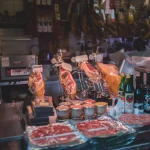
Start at Hermanos Llopis (Stall 35) for jamón ibérico sliced paper-thin while you wait. Their 36-month aged bellota ham costs €8 for a generous tasting portion. The vendors here have perfected the art of conversation while their knives work magic on the ham legs suspended overhead.
Central Bar, located inside the market’s main hall, transformed from a simple coffee counter into Valencia’s hottest lunch spot. Chef Ricard Camarena created a menu featuring market ingredients: their €12 tuna tartare uses fish bought 20 meters away that morning. The counter fills with local office workers who know quality when they taste it.
The new Mercado de Colón, renovated in 2024, combines traditional vendors with modern food concepts. The upper level houses Dulce de Leche, where Argentine pastry chef María Santos creates croissants filled with Valencia orange curd. Her weekend queues stretch around the building’s art nouveau facade.
Ruzafa Market underwent major renovation in 2025, adding a dedicated tapas floor above the traditional food stalls. Local vendors now compete with innovative concepts like Gazpacho & Co., which serves 12 varieties of cold soup in eco-friendly cups perfect for walking the neighborhood’s trendy streets.
Tapas Bars in Carmen and Russafa — Neighborhood-by-Neighborhood Tapas Scene
Valencia’s tapas culture differs from Andalusia — portions are larger, prices lower, and many bars still offer free tapas with drink orders. Each neighborhood has developed its own personality since the post-pandemic dining renaissance.
Barrio del Carmen maintains its bohemian character with tapas bars tucked into medieval streets. La Pilareta hasn’t changed its décor since 1917, serving clóchinas (local mussels) from giant steel pots. The mussels steam open as you watch, releasing briny aromas that mix with cigarette smoke from the tiny terrace. A plate costs €4.50, and regulars stand at the marble bar discussing Valencia CF’s latest matches.

Casa Montaña, also in Carmen, operates as both wine shop and tapas bar. Their anchovy selection rivals anywhere in Spain — try the cantabrian anchovies with roasted peppers (€8) while sampling from their 600-bottle wine collection. The wooden floors creak under the weight of wine barrels that double as tables.
Russafa (Ruzafa) attracts Valencia’s creative crowd with modern tapas interpretations. Canalla Bistro serves Asian-influenced small plates in a former automotive garage. Their duck spring rolls with hoisin sauce (€9) represent the neighborhood’s international fusion approach. The industrial ceiling fans circulate the competing aromas of Vietnamese herbs and Spanish olive oil.
Radio City in Russafa specializes in natural wines and creative tapas. Their €6 potato foam with smoked sardines sounds pretentious but delivers incredible flavor. The bar’s vintage radio collection plays jazz while young professionals dissect the day’s events over small plates that change weekly.
Cabanyal District — Working-Class Tapas Tradition
The formerly run-down Cabanyal neighborhood experienced gentrification since 2023, but traditional tapas bars survived alongside newcomers. Bar Matias serves the city’s best bocadillos — crusty bread sandwiches filled with tortilla española, chorizo, or grilled vegetables. At €3.50 each, they’re Valencia’s best food value.
La Mas Bonita combines traditional tapas with modern presentation. Their patatas bravas feature perfectly crispy potatoes topped with spicy tomato sauce and garlic aioli (€5). The neighborhood’s proximity to the beach means exceptionally fresh seafood tapas at prices that haven’t caught up to the area’s rising rents.
Michelin-Starred and Fine Dining — High-End Restaurants Pushing Valencia’s Culinary Boundaries
Valencia earned recognition as Spain’s emerging fine dining destination, with three new Michelin stars awarded in 2024-2025. These restaurants showcase local ingredients through innovative techniques.

Quique Dacosta Restaurante relocated from Alicante to Valencia’s Arts and Sciences district in 2024, bringing three Michelin stars and a €180 tasting menu. Dacosta transforms local rice into unexpected forms — rice paper, rice ice cream, rice soil that dissolves on the tongue. His signature dish features sea urchin and orange blossom, capturing Valencia’s essence in one spoonful.
Ricard Camarena Restaurant maintains two Michelin stars while expanding its influence throughout the city. The €120 tasting menu changes seasonally but always features Camarena’s technical precision. His team forages ingredients from Valencia’s surrounding huerta (agricultural land), creating dishes that taste like concentrated versions of the landscape.
Cañas y Tapas earned its first Michelin star in 2025 for elevating traditional tapas to fine dining level. Chef Ana Roš (formerly of Slovenia’s Hiša Franko) applied her technique to Valencian classics. Her deconstructed paella arrives as separate components that diners combine tableside, creating theater alongside exceptional flavor.
Vertical, located in a converted 1960s apartment building, offers the city’s most innovative wine program alongside its Michelin-recommended cuisine. Their €85 wine pairing menu features exclusively Spanish natural wines, many from Valencia’s emerging wine regions that gained international attention since 2024.
Modern Spanish Without the Stars
Habitual in the Ruzafa district serves sophisticated food without Michelin aspirations. Their €45 tasting menu changes monthly, focusing on vegetables from local farms. Chef Carlos Hernández worked at El Celler de Can Roca before opening this intimate 20-seat restaurant where diners can hear the sizzle of each plate as it leaves the kitchen.
Fierro specializes in grilled meats and vegetables over Valencia’s traditional orange wood. The aromatic smoke drifts through their open kitchen while chefs tend flames that reach temperatures exceeding 500°C. Their €38 côte de boeuf serves two people and represents the city’s growing reputation for exceptional beef.

Street Food and Casual Bites — Food Trucks, Bocadillo Shops, and Grab-and-Go Favorites
Valencia’s street food scene exploded during the pandemic as restaurants pivoted to outdoor service. The city now hosts official food truck zones and has relaxed regulations on street vendors.
Horchatería Santa Catalina serves Valencia’s signature drink — horchata — alongside fartons (sweet breadsticks) for dipping. This family business, operating since 1960, produces horchata from tiger nuts grown in nearby Alboraia. The cool, sweet drink provides relief during Valencia’s intense summer heat, and watching the mechanical extraction process through their front window has become neighborhood entertainment.
The Food Truck Festival operates year-round in different city locations, rotating weekly. Taco Libre serves Mexican food with Spanish ingredients — their chorizo taco with manchego cheese (€4) shouldn’t work but absolutely does. Buñuelo Brothers modernizes Valencia’s traditional buñuelos (fried dough balls), filling them with everything from chocolate to local honey.
Mercado de Tapinería functions as an indoor street food market, with 15 vendors serving quick bites. El Sandwich Cubano presses authentic Cuban sandwiches using Spanish ingredients — their medianoche with jamón serrano costs €6 and delivers incredible flavor. The press marks create perfect grill lines while melting cheese oozes between layers of meat and pickles.
Xurros El Contraste operates from a small storefront in the old city, serving churros con chocolate from 6:00 PM until 2:00 AM. Their chocolate reaches the perfect consistency for dipping — thick enough to coat the churros but not so thick it overwhelms the delicate fried dough. Late-night revelers queue outside, creating clouds of breath vapor that mix with steam from the churro oil.
Bocadillo Culture
Valencia’s bocadillo tradition survived globalization through quality ingredients and reasonable prices. La Baguetina near the University creates massive sandwiches using locally baked bread. Their bocadillo de calamares (fried squid sandwich) costs €4.50 and contains enough food for two people.

Bocatería Central specializes in warm bocadillos with creative fillings. Their tortilla española sandwich includes the entire Spanish omelet between bread halves, creating a carbohydrate celebration that somehow works. Students and office workers line up during lunch hours, creating a democratic mixing of Valencia’s social classes.
Waterfront Dining in Malvarosa — Beachside Restaurants with Fresh Seafood
Malvarosa Beach’s restaurant strip underwent major changes in 2025 when Valencia implemented new regulations requiring sustainable fishing practices and limiting tourist-trap establishments. The remaining restaurants represent the area’s best offerings.
La Marcelina sits directly on the beach promenade, serving seafood that arrives daily from Santa Pola port. Their arroz con langosta (lobster rice) costs €32 per person but features whole lobsters that require crackers to access every morsel of meat. The Mediterranean breeze carries salt spray that occasionally lands on diners’ plates, adding natural seasoning.
Casa Angel specializes in rice dishes beyond paella, offering arroz negro (black rice with squid ink) that stains diners’ teeth black while delivering intense seafood flavor. Their beachfront terrace fills with families during Sunday lunch, creating a soundtrack of clinking glasses and children’s laughter that mixes with crashing waves.
Restaurante Almudín moved to Malvarosa from the city center in 2024, bringing sophisticated seafood preparations to the beach setting. Their €24 sea bass ceviche uses locally caught fish with Valencia orange juice, creating a dish that captures the city’s agricultural and maritime heritage in one bite.
The new Mercado de la Playa opened in 2025 as a covered market serving beach food with elevated ingredients. Fritura Selecta serves fried fish in paper cones, but uses sustainable fishing practices and organic oils. Their €8 mixed fish fry includes species that change based on daily catches, ensuring maximum freshness.

Hidden Beach Gems
El Palmar, technically outside Valencia city but worth the 20-minute drive south, maintains traditional fishing village atmosphere. Restaurante Racó de l’Olla serves all-i-pebre (eel in garlic and paprika sauce) in a dining room where fishing nets hang from the ceiling and the floor is covered in sawdust. The eel arrives whole, requiring diners to navigate bones while experiencing flavors that connect directly to Valencia’s fishing heritage.
Port Saplaya, known as Valencia’s “Little Venice,” offers waterfront dining without beach crowds. Arrocería Maribel serves paella in a canal-side setting where boats moor directly outside the restaurant. Their paella mixta (mixed paella with meat and seafood) costs €20 per person and benefits from the relaxed atmosphere of this artificial but charming neighborhood.
Dining Costs and Practical Tips
Valencia’s food costs increased 12% since 2024 due to inflation and the city’s growing international reputation. However, it remains Spain’s best value for high-quality dining compared to Madrid or Barcelona.
Traditional neighborhood bars still offer incredible value. A full lunch menu (menú del día) costs €10-13 in working-class neighborhoods like Benimaclet or Quatre Carreres. These menus include bread, starter, main course, dessert, and wine or beer. Quality varies, but establishments near office buildings generally maintain higher standards.
Tapas bars charge €3-6 per tapa, with drinks costing €2-4. Many bars still offer free tapas with drink orders, particularly in Carmen and Cabanyal neighborhoods. Street food ranges from €2 (churros) to €8 (gourmet food truck items).
Quality restaurants serving traditional Valencian cuisine fall into the €15-40 range. Authentic paella restaurants charge €18-25 per person, while modern tapas bars cost €20-30 for a full meal with drinks. Wine adds €15-25 to the bill, but Valencia’s local wines offer exceptional value.
Fine dining restaurants cost €60-180 for tasting menus, comparable to other Spanish cities but with better ingredient quality due to Valencia’s proximity to farms and coast. Wine pairings add €35-80, depending on the restaurant’s ambition level.

Valencia implemented stricter regulations on tourist-focused restaurants, eliminating the worst paella traps near major attractions. The “Authentic Valencia” certification program, launched in 2025, helps visitors identify genuine local establishments versus tourist-oriented venues.
Frequently Asked Questions
What’s the best time to eat paella in Valencia?
Paella is traditionally a lunch dish served between 1:00 PM and 3:00 PM. Authentic restaurants rarely serve paella for dinner, and locals consider evening paella a tourist mistake. Sunday lunch offers the most authentic experience.
How much should I budget for meals in Valencia?
Budget €10-15 for lunch menus, €20-30 for dinner at mid-range restaurants, and €60-120 for fine dining experiences. Street food and tapas cost €3-8 per item. Valencia offers better value than Madrid or Barcelona.
Do Valencia restaurants require reservations?
High-end restaurants require advance booking, especially Michelin-starred venues. Traditional neighborhood restaurants accept walk-ins, but popular spots fill quickly during lunch hours (1:00-3:00 PM) and dinner service (9:00-11:00 PM).
What’s the difference between Valencia paella and other types?
Authentic paella valenciana contains rabbit, chicken, beans, and sometimes snails — never seafood. Paella mixta combines meat and seafood, while paella de verduras features only vegetables. Restaurants serving paella with chorizo cater to tourists, not locals.
Where can I find the best horchata in Valencia?
Horchatería Santa Catalina near the Central Market serves traditional horchata made from tiger nuts grown in nearby Alboraia. Avoid tourist areas where horchata often comes from powder. Authentic horchata has a distinctive nutty flavor and creamy texture.
Explore more
Best Neighborhoods in Valencia, Spain — Area-by-Area Guide
📷 Featured image by sander traa on Unsplash.