On this page
- Classic Tapas Bars in Historic Neighborhoods
- Modern Fine Dining Scene in Salamanca and Chamberí
- Traditional Markets and Food Halls
- Best Streets for Bar Hopping and Casual Dining
- Hidden Gems in Malasaña and Chueca
- Authentic Cocido Madrileño and Regional Specialties
- Late-Night Eating Culture and 24-Hour Spots
- Budget-Friendly Food Areas for Students and Travelers
- What You’ll Pay: 2026 Madrid Food Pricing
- Frequently Asked Questions
Madrid‘s restaurant scene has exploded since the pandemic, with over 2,000 new establishments opening between 2024 and 2026. The city now balances its deep-rooted tavern culture with innovative dining concepts, making it harder than ever to know where to start your culinary exploration.
Classic Tapas Bars in Historic Neighborhoods
La Latina remains Madrid’s tapas heartland, where century-old bars serve the same recipes their grandparents perfected. Casa Lucio on Calle Cava Baja still draws crowds for their legendary huevos rotos, while the sound of animated conversations spills onto cobblestone streets until well past midnight.
Taberna La Dolores near Atocha station offers an authentic experience without the tourist markup. Their beer taps haven’t changed since 1908, and the azulejo tiles tell stories of Madrid’s working-class history. Order their boquerones en vinagre and listen to the satisfying pop of beer bottle caps hitting the marble bar.
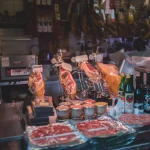
In the literary quarter, Taberna Alhambra on Calle Victoria maintains the atmosphere of old Madrid. The jamón ibérico hangs from wooden beams, and the bartenders slice it with the precision of surgeons. Their tortilla española arrives at your table still warm from the kitchen, with that perfect runny center that locals demand.
Essential Historic Tapas Stops
- Casa Alberto (1827) – Madrid’s oldest restaurant, famous for their bull’s tail stew
- El Anciano Rey de los Vinos – Vermut on tap and conservas from Galicia
- Taberna Real – Traditional callos a la madrileña in Austrias neighborhood
- Casa Toni – No-frills neighborhood bar with excellent patatas bravas
Modern Fine Dining Scene in Salamanca and Chamberí
Madrid’s upscale dining has evolved dramatically since 2024, with several restaurants earning international recognition. The Salamanca district now hosts some of Europe’s most innovative kitchens, where traditional Spanish ingredients meet global techniques.
DiverXO, David Muñoz’s three-Michelin-star restaurant, relocated to a larger space in 2025 and finally made reservations more accessible. The tasting menu changes monthly, but expect theatrical presentations that challenge every assumption about Spanish cuisine. Book exactly 60 days in advance when reservations open online.
In Chamberí, Coque continues to push boundaries with their theatrical cooking presentations. The Sandoval brothers transform classic Madrid dishes into multi-sensory experiences. Their modern take on cocido madrileño arrives as seven separate courses, each highlighting a different component of the traditional stew.
Top Contemporary Restaurants
- Ramón Freixa Madrid – Two Michelin stars, creative interpretations of Spanish classics
- Santceloni – Elegant dining room with impeccable service standards
- Álbora – Rising star chef offering modern Asturian cuisine
- Mesa Habana – Cuban-Spanish fusion in a stylish Chamberí setting
Traditional Markets and Food Halls
Mercado de San Miguel transformed into Madrid’s premier gourmet market, but locals know better spots for authentic market dining. Mercado de la Cebada in La Latina offers the real deal – working market stalls alongside traditional bars where vendors grab their morning coffee and bocadillo.
The newly renovated Mercado de Chamartín (reopened 2025) combines traditional vendors with modern food concepts. Marisquería Hermanos González serves the freshest seafood outside of Galicia, while their neighbor makes tortillas to order using eggs from their own chickens.
At Mercado de Antón Martín, the scent of fresh bread from Tahona La Flor mixes with coffee aromas from Bar Central. Locals line up here before 8am for the best selection of seasonal produce and freshly prepared foods.
Market Food Experiences
- Mercado de San Antón – Three floors including rooftop terrace dining
- Mercado de la Paz – Upscale Salamanca market with gourmet vendors
- Mercado Barceló – Mix of traditional stalls and modern eateries
- Mercado de Vallehermoso – Recently renovated with excellent cheese selection

Best Streets for Bar Hopping and Casual Dining
Calle Ponzano has become Madrid’s unofficial restaurant row since 2024, stretching from Alonso Martínez to Cuatro Caminos. This Chamberí street offers everything from Vietnamese pho to traditional Asturian cider houses, often with no reservations needed.
La Gastroteca de Santiago serves natural wines alongside creative small plates, while Lakasa next door specializes in modern Basque pintxos. The street’s casual atmosphere means you can eat standing at wine barrels or grab a proper table, depending on your mood.
Calle Fuencarral in Malasaña offers a younger, more eclectic dining scene. Vegan restaurants sit next to traditional churrerías, creating a diverse food landscape that reflects the neighborhood’s artistic character. The street stays active until 2am on weekends.
Prime Food Streets
- Calle Cava Baja – Traditional tapas concentrated in La Latina
- Calle Echegaray – Tourist-friendly but quality restaurants near Sol
- Calle Augusto Figueroa – LGBTQ+ friendly dining in Chueca
- Calle Serrano – Upscale dining and international cuisine
Hidden Gems in Malasaña and Chueca
Beyond the obvious tourist trails, Malasaña hides exceptional restaurants in converted apartments and basement spaces. Ojala serves healthy bowls in a setting that recreates a beach inside the restaurant, complete with sand floors and swing seats.
In Chueca, La Mucca de Prado offers natural wines and organic small plates in an intimate setting that feels like dining in someone’s living room. The menu changes based on seasonal availability, and the owners personally explain each dish’s origin story.
Isolée, tucked away on Calle Infantas, serves some of Madrid’s best croissants and natural wines. The French-Spanish owners created a space that bridges both cultures, with conversations flowing between Spanish and French depending on the customer mix.

Neighborhood Discoveries
- La Tape – Tiny wine bar with exceptional charcuterie selection
- Baton Rouge – New Orleans-style cuisine in an unlikely Madrid location
- Sala de Despiece – Butcher shop that transforms into restaurant at night
- Pez Tortilla – Creative tortilla variations in multiple locations
Authentic Cocido Madrileño and Regional Specialties
Real cocido madrileño requires patience and proper timing. Malacatín serves this three-course chickpea stew exactly as it should be: first the broth with noodles, then the vegetables, finally the meat. The ritual takes two hours, and they only serve it at lunch.
Casa Carola in the Chamberí neighborhood has perfected their cocido recipe over four generations. The chickpeas simmer for hours until they reach perfect tenderness, while the morcilla and chorizo add depth to the rich broth. Book ahead – they limit portions to ensure quality.
For regional Spanish specialties, Casa Mingo near the Temple of Debod serves Asturian cider and pollo asado exactly as they do in Oviedo. The cider pours from height create the proper foam, while the roasted chicken arrives crispy-skinned and juicy.
Traditional Madrid Dishes to Seek Out
- Callos a la madrileña – Tripe stew with chorizo and morcilla
- Soldaditos de Pavía – Cod fritters popular in traditional bars
- Gallinejas – Grilled lamb intestines, an acquired taste for locals
- Rosquillas – Traditional Madrid donuts, especially during San Isidro festival
Late-Night Eating Culture and 24-Hour Spots
Madrid’s nightlife culture demands late-night food options that go beyond fast food. El Brillante, near Atocha station, serves proper calamari sandwiches 24 hours a day, feeding night shift workers and party-goers with equal enthusiasm.
Chocolatería San Ginés has been serving churros con chocolate since 1894, and their 24-hour schedule makes them a mandatory stop after nights out in Sol. The chocolate arrives thick enough to coat the churros completely, providing the sugar rush needed for Madrid’s long nights.

Many traditional bars in La Latina stay open until 4am on weekends, serving proper food rather than just alcohol. Casa Lucas maintains full kitchen service until closing, understanding that Spanish dinner culture often extends past midnight.
Best Late-Night Food Options
- Foster’s Hollywood – American-style diner open until 2am most locations
- Vips – 24-hour restaurants with full menu availability
- La Tape – Wine bar with food until 1:30am in Malasaña
- Café Central – Jazz club with dinner service until midnight
Budget-Friendly Food Areas for Students and Travelers
The university area around Ciudad Universitaria offers Madrid’s best value eating, where students have kept prices reasonable for decades. Menús del día here cost €8-12 and include three courses plus bread and wine or beer.
Lavapiés, Madrid’s most diverse neighborhood, serves authentic international cuisine at local prices. Ethiopian restaurants offer combination platters for €15, while Pakistani spots serve enormous portions of curry and naan for under €10.
Near the Reina Sofía museum, local bars cater to budget-conscious visitors with generous tapas portions. Order a beer and receive substantial free tapas – sometimes enough for a light meal if you bar-hop intelligently.
Budget Food Neighborhoods
- Argüelles – Student area with excellent menús del día
- Tetuán – Diverse immigrant community with authentic international food
- Embajadores – Traditional Madrid bars with generous portions
- Universidad – Cheap eats around Complutense campus
What You’ll Pay: 2026 Madrid Food Pricing
Madrid’s food costs have stabilized after post-pandemic inflation, with clear price tiers depending on location and style. Understanding these ranges helps budget your dining without sacrificing quality or experience.

Budget Options (€8-15 per person)
Menús del día at neighborhood restaurants include three courses, bread, and a beverage. Generous tapas at traditional bars, ethnic restaurants in diverse neighborhoods, and market food stalls fall into this category. Student areas offer the best values.
Mid-Range Dining (€20-40 per person)
Quality restaurants in central neighborhoods, wine bars with proper food pairings, and upscale tapas experiences. This tier includes most restaurants locals consider “going out for dinner” rather than daily dining.
Comfortable to High-End (€50-150+ per person)
Michelin-starred restaurants, tasting menus at innovative establishments, and fine dining in Salamanca district. Wine pairings add €30-60 to these meals. Reservations essential, often booked weeks ahead.
Typical Item Prices
- Coffee and pastry: €3-5
- Beer and tapas: €4-8
- Lunch menú del día: €8-15
- Dinner for two with wine: €40-80
- Cocido madrileño: €18-25
- Jamón ibérico plate: €12-25
Frequently Asked Questions
What time do restaurants open for dinner in Madrid?
Most Madrid restaurants open for dinner at 8:30pm, with peak dining hours between 9:30-11:30pm. Tourist areas may open earlier, but authentic local restaurants rarely serve dinner before 8pm. Plan accordingly for the late dining culture.
Do I need reservations at Madrid restaurants?
High-end restaurants and popular spots require reservations, especially for dinner and weekends. Casual tapas bars typically don’t take reservations. Call ahead or use apps like ElTenedor for mid-range restaurants during busy periods.
How much should I tip at Madrid restaurants?
Tipping isn’t mandatory in Madrid. Round up to the nearest euro for casual dining, or leave 5-10% for exceptional service at upscale restaurants. Many locals simply round up their bill rather than calculating percentages.
Are Madrid restaurants vegetarian-friendly?
Madrid’s vegetarian scene has expanded significantly since 2024. Most neighborhoods now have dedicated vegetarian restaurants, and traditional establishments typically offer several meat-free options. Vegan options are increasingly common in younger neighborhoods like Malasaña.
Can I get authentic Spanish food near tourist attractions?
Yes, but avoid restaurants directly facing major attractions. Walk one or two blocks away from places like Sol, Plaza Mayor, or Prado Museum to find authentic local establishments with better prices and quality food preferred by Madrid residents.
Explore more
Best Neighborhoods in Madrid, Spain — Area-by-Area Guide
📷 Featured image by Valeria Volosciuc on Unsplash.