On this page
- The Three Islands at a Glance
- Planning Your Hop — Order, Timing, and Days
- Getting There and Between the Islands
- Mallorca: Beyond the Beach Crowds
- Menorca: The Quieter, Wilder Choice
- Ibiza: More Than the Clubs
- Eating Your Way Through the Balearics
- 2026 Budget Reality
- Day Trip or Overnight?
- Frequently Asked Questions
💰 Click here to see Spain Budget Breakdown
💰 Prices updated: October, 2026. Budget figures are estimates — always verify before travel.
Exchange Rate: $1 USD = €0.88
Daily Budget (per person)
Shoestring: €60.00 – €90.00 ($68.18 – $102.27)
Mid-range: €120.00 – €180.00 ($136.36 – $204.55)
Comfortable: €220.00 – €470.00 ($250.00 – $534.09)
Accommodation (per night)
Hostel/guesthouse: €15.00 – €50.00 ($17.05 – $56.82)
Mid-range hotel: €70.00 – €130.00 ($79.55 – $147.73)
Food (per meal)
Budget meal: €7.00 ($7.95)
Mid-range meal: €25.00 ($28.41)
Upscale meal: €80.00 ($90.91)
Transport
Single metro/bus trip: €3.00 ($3.41)
Monthly transport pass: €24.00 ($27.27)
The Balearic Islands have always attracted crowds, but 2026 has added a new layer of admin. Mallorca introduced stricter rental car caps in high season, Ibiza expanded its tourist tax to day-trippers arriving by cruise ship, and Menorca tightened access rules to several protected coastal paths. None of this should put you off — but walking in unprepared means wasted time and unexpected costs. This guide cuts through the noise so your island-hopping trip actually works.
The Three Islands at a Glance
Each island has a completely different personality, and picking the wrong one for your style will ruin the trip faster than a missed ferry.
Mallorca is the biggest and most varied. It has dramatic mountain scenery in the Serra de Tramuntana, small fishing villages, medieval towns, and yes — packed resort beaches along the south and east coasts. It suits couples, families, hikers, and cyclists equally. Think of it as a small country rather than a single beach destination.
The smell of almond blossoms in the interior villages in late February is one of those travel details nobody warns you about — it turns the island into something completely different from the summer postcard version.
Menorca is the quietest of the three main islands. A UNESCO Biosphere Reserve since 1993, it has genuinely pristine beaches, prehistoric Talayotic monuments, and a pace of life that resists mass tourism better than its neighbours. It suits people who want to slow down — walkers, families with young children, and anyone who finds Mallorca too loud.
Ibiza is more complex than its reputation suggests. The south and west have the clubs, the mega-yachts, and the €25 cocktails. The north and interior are rural, quiet, and full of good food. Understanding this split is essential before you book anything.
Planning Your Hop — Order, Timing, and Days
Most travellers fly into Mallorca (Palma Airport is the main hub), which makes it a logical starting point. A sensible route in 2026 goes Mallorca → Menorca → Ibiza, finishing with a direct flight home from Ibiza. Going the other direction is possible but means starting with the most intense island, which can make Menorca feel anticlimactic.
As a rough guide:
- Mallorca: minimum 4 nights, ideally 5–6 if you want to see the Tramuntana mountains and the east coast properly
- Menorca: 3 nights is enough to hit the main beaches and Ciutadella; 4–5 if you plan to walk sections of the Camí de Cavalls coastal trail
- Ibiza: 3 nights covers the Old Town, a beach, and the north; add more if you’re there for the nightlife
Avoid July and August if you have any flexibility. June and September offer nearly identical weather with far less congestion, lower prices, and — crucially in 2026 — more rental car availability given the new seasonal caps on Mallorca.
Getting There and Between the Islands
Palma de Mallorca Airport (PMI) remains the main entry point, with direct routes from most European cities. In 2026, several new budget carrier routes from smaller UK regional airports opened, reducing the need to connect through Madrid or Barcelona. Ibiza Airport (IBZ) and Menorca Airport (MAH) also have good direct summer coverage from northern Europe.
Inter-island ferries are the most scenic way to hop between islands. Baleària and Trasmediterránea operate the main routes:
- Palma → Menorca (Maó): roughly 5–6 hours by standard ferry; a fast ferry option cuts this to around 3 hours
- Palma → Ibiza: approximately 2.5 hours on the fast ferry
- Ibiza → Menorca: limited direct routes; often requires connecting through Palma or taking a short flight
Book ferries at least 6–8 weeks ahead in summer. In 2026, both operators updated their apps with live capacity alerts, which helps, but the boats still sell out. Flying between islands takes about 30 minutes and can be surprisingly affordable if booked early through Air Nostrum or Vueling.
Mallorca: Beyond the Beach Crowds
Palma itself deserves at least a full day. The Gothic cathedral La Seu towers over the bay in a way that photographs cannot capture — standing beneath it at street level, with the scale of the stonework above you, is something else entirely. The old Arab quarter (La Calatrava) behind it has winding lanes, art galleries, and good coffee.
For the mountains, drive the Ma-10 road through the Serra de Tramuntana — the stretch between Sóller and Pollença is one of the best drives in Spain. Villages like Deià, Valldemossa, and Fornalutx are genuinely worth stopping in, not just for photos but for lunch.
On the east coast, the Calas de Mallorca — small, rocky coves between Portocolom and Cala Millor — are far less visited than the southern resorts. Cala Varques requires a short walk through pine forest to reach, which keeps the crowds away.
Menorca: The Quieter, Wilder Choice
Menorca’s two main towns sit at opposite ends of the island and have completely different characters. Maó (Mahón) in the east has one of the largest natural harbours in the Mediterranean and a slightly British colonial feel left over from 18th-century occupation — the gin distillery here is one of the island’s genuine surprises. Ciutadella in the west is more Catalan in atmosphere, with a compact old town and the best restaurant scene on the island.
The Camí de Cavalls is a 185-kilometre path that circumnavigates the entire coastline. Walking the whole thing takes around 10 days, but individual sections can be done as half-day hikes. The northern stretches between Fornells and Cala Pregonda are the most dramatic — red rock cliffs, turquoise water, almost no one else.
The Talayotic monuments — Bronze Age stone structures unique to Menorca — are scattered across the interior. Naveta des Tudons, just west of Ciutadella, is the most accessible and dates back around 3,200 years.
Ibiza: More Than the Clubs
Ibiza Town’s UNESCO-listed old fortress, Dalt Vila, sits above the harbour and is completely removed from the nightlife scene below. The views from the ramparts at sunset, with the port lights coming on across the water, make it one of the best free experiences in the Balearics.
The north of the island — around Sant Joan de Labritja and Santa Gertrudis de Fruitera — is rural Ibiza. Finca restaurants, organic farms, and quiet beaches like Cala Xarraca are here. The contrast with the south is so sharp it feels like a different island.
For beaches, Ses Salines in the south is postcard-perfect but predictably busy. Cala Conta (Platges de Comte) on the west coast catches the sunset light in a way that draws everyone from clubbers to families — arrive before 17:00 in summer to get a spot.
Eating Your Way Through the Balearics
Each island has specific dishes that go beyond generic Spanish tapas.
On Mallorca, look for pa amb oli — thick brown bread rubbed with tomato and olive oil, topped with cured meats or cheese. It’s everywhere and it’s always good. Tumbet is the local vegetable gratin. For a sit-down meal, Celler Sa Premsa in Palma is a local institution — a traditional bodega restaurant with barrels lining the walls and proper Mallorcan cooking at honest prices.
On Menorca, caldereta de llagosta (spiny lobster stew) is the signature dish and not cheap, but at a harbourside restaurant in Fornells, it’s worth it. The local gin — gin de Menorca — is drunk with lemon or bitter lemon, a throwback to the British occupation.
On Ibiza, bullit de peix (a two-course fish stew served with saffron rice) is the traditional dish. Es Boldado, perched on cliffs above Cala d’Hort with views of the Es Vedrà rock formation, does an excellent version — but book weeks ahead in high season.
2026 Budget Reality
The Balearics are not cheap, and 2026 prices reflect years of sustained demand. Here’s an honest breakdown:
Accommodation (per night, double room)
- Budget: €70–€110 (hostels, simple guesthouses, inland on Menorca)
- Mid-range: €130–€220 (3-star hotels, rural fincas with pool, boutique guesthouses)
- Comfortable: €250–€500+ (4–5 star, seafront, private villa rental)
Food and drink (per person, per day)
- Budget: €30–€45 (markets, bakeries, one sit-down meal)
- Mid-range: €60–€90 (lunch and dinner at local restaurants, wine included)
- Comfortable: €100–€150+ (seafood restaurants, resort dining, cocktails)
Tourist tax (Impost sobre les estades turístiques) — 2026 rates
All three islands charge the Balearic tourist tax. In 2026, rates were revised upward again:
- 5-star hotels: €4.00 per person per night (peak season); €2.00 (low season)
- 4-star hotels: €3.00 / €1.50
- 3-star and below: €2.00 / €1.00
- Cruise ship day visitors to Ibiza: €3.00 flat fee per port call
Transport
- Fast ferry between islands: €50–€90 per person one-way depending on route and season
- Rental car on Mallorca: €50–€90 per day in peak season
- Taxi from Palma Airport to city centre: approximately €25–€30
Day Trip or Overnight?
For travellers based on the Spanish mainland, a day trip to any of the Balearics is technically possible by plane but rarely satisfying. The islands reward slow travel — a single day on Mallorca gives you an airport, a beach, and not much else.
If you’re already based in Barcelona, weekend ferry trips to Mallorca or Ibiza are a popular local habit — overnight ferry from Barcelona Port arrives in Palma in the morning, leaving the whole day free. Baleària runs this route year-round.
Frequently Asked Questions
Which Balearic island is best for families with young children?
Menorca is the top choice for families. Its beaches are calmer, the pace is slower, and there’s far less party tourism. The south coast has shallow, sheltered coves ideal for small children. Mallorca’s north coast (around Alcúdia) is a solid second option with good infrastructure and gentle sandy beaches.
Do I need to book ferries between the Balearic islands in advance?
Yes, especially in July and August. Popular crossings like Palma to Ibiza sell out weeks ahead in peak season. Book directly through Baleària or Trasmediterránea at least six weeks out. Travelling with a car adds even more urgency — vehicle spaces go faster than passenger tickets.
Is Ibiza suitable for a holiday if you’re not interested in clubbing?
Absolutely. The north of the island is rural and quiet, with excellent restaurants, uncrowded beaches, and hippie market culture around Es Cana and Sant Joan. Dalt Vila (Ibiza Town’s old city) is a UNESCO World Heritage site. The club scene is concentrated in specific areas and easy to avoid entirely.
What is the tourist tax in the Balearic Islands and how is it paid?
The Balearic tourist tax is charged per person per night and varies by accommodation category. In 2026, rates range from €1.00 to €4.00 depending on hotel star rating and whether it’s peak or low season. It’s added to your hotel bill automatically — you pay it at checkout, not separately at the border.
Can you visit all three Balearic islands in one week?
It’s possible but rushed. One week across all three means roughly two nights per island, which leaves little room for delays, bad weather, or slow days. A better approach is choosing two islands for a week-long trip, or spending ten to fourteen days if you genuinely want to experience all three without feeling like you’re constantly packing and moving.
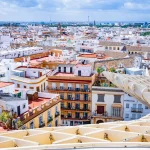
📷 Featured image by Thomas Choi on Unsplash.