💰 Click here to see Spain Budget Breakdown
💰 Prices updated: November, 2026. Budget figures are estimates — always verify before travel.
Exchange Rate: $1 USD = €0.89
Daily Budget (per person)
Shoestring: €50.00 – €70.00 ($56.18 – $78.65)
Mid-range: €130.00 – €180.00 ($146.07 – $202.25)
Comfortable: €200.00 – €350.00 ($224.72 – $393.26)
Accommodation (per night)
Hostel/guesthouse: €15.00 – €50.00 ($16.85 – $56.18)
Mid-range hotel: €70.00 – €130.00 ($78.65 – $146.07)
Food (per meal)
Budget meal: €7.00 ($7.87)
Mid-range meal: €25.00 ($28.09)
Upscale meal: €80.00 ($89.89)
Transport
Single metro/bus trip: €1.50 ($1.69)
Monthly transport pass: €60.00 ($67.42)
Every summer, thousands of visitors walk to Barceloneta, sit at the first seafront table they see, and pay €35 for a mediocre rice dish. In 2026, with beaches busier and prices higher, that mistake costs more than ever. This guide shows you how to do Barceloneta the way locals do, from the right stretch of sand to the right back-street bar.
What Barceloneta Really Is
Barceloneta is a triangle of land between the old port and the Mediterranean. It was built in the 1750s to rehouse families whose homes were demolished for the Ciutadella fortress. The result is a tight grid of narrow streets lined with five-storey buildings, small flats, and laundry hanging between balconies. It was a fishermen’s and dock workers’ quarter for most of its life, and you can still feel that grit.
Today the neighbourhood has two personalities. On the beachfront and around Plaça del Mar, it is all sunbathers, bikes and beer. Walk three streets inland and you find grandmothers on folding chairs, kids playing football in the squares, and bars where nobody speaks English. You get the best of Barceloneta by moving between the two.
Choosing Your Beach
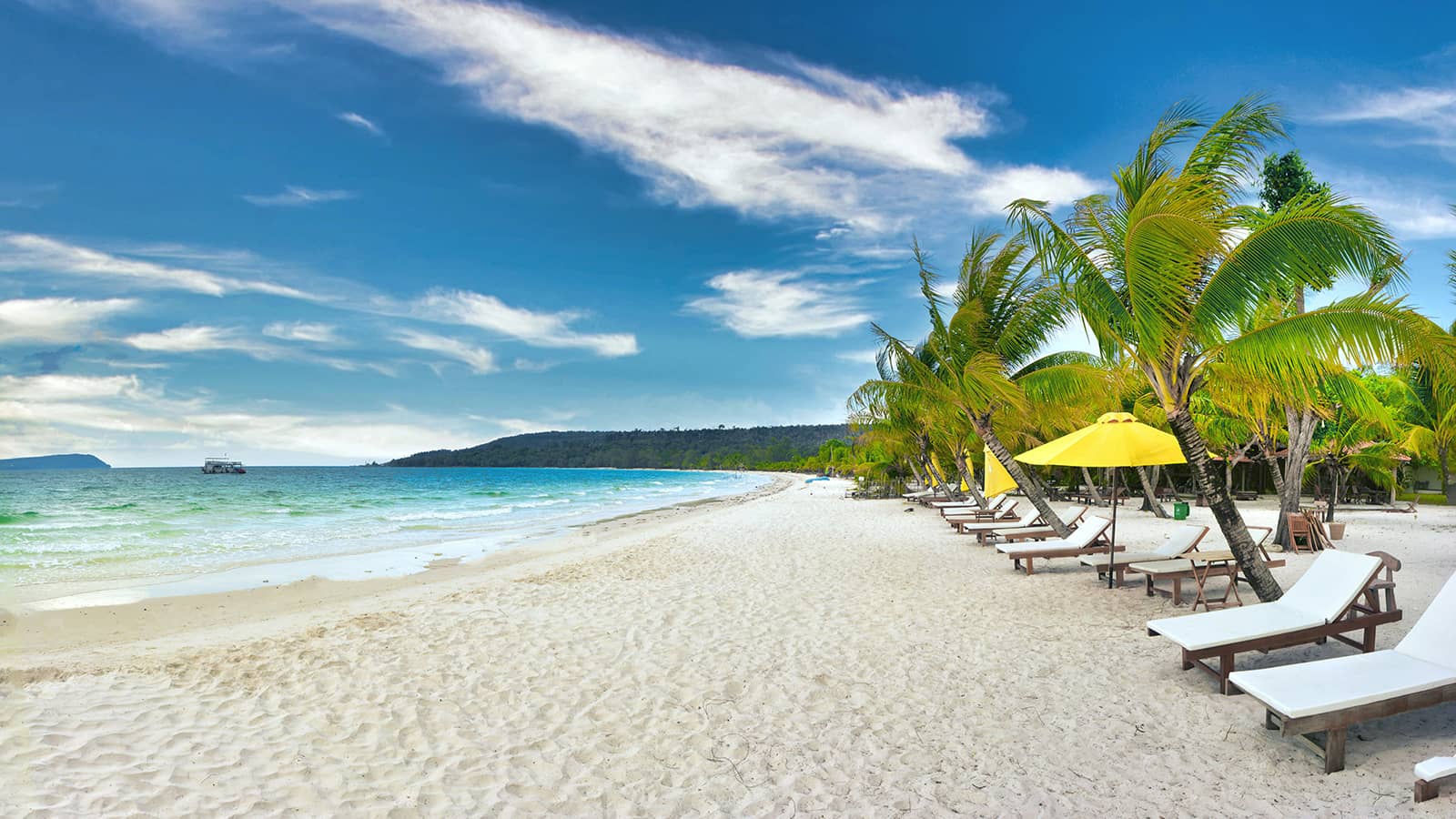
The sand here is not one beach but a string of them, and each has its own crowd.
- Platja de Sant Sebastià: The southern end, near the port. It has a slightly older, local crowd and a calmer feel, especially on weekday mornings.
- Platja de la Barceloneta: The main stretch and the busiest. Expect volleyball, vendors calling “cerveza, agua, mojito” and music from small speakers. It is fun, but guard your bag.
- Platja de Sant Miquel: A short stretch with a younger, social atmosphere, close to the Barceloneta metro exit side of the promenade.
- Somorrostro and Bogatell: A 15 to 25 minute walk north along the promenade. They are wider, cleaner-feeling and far less crowded. Locals who want to swim rather than be seen head here.
The sea is usually calmest and clearest before 10:00. By midday in July, finding a patch of sand needs patience. Barcelona’s beaches have lifeguards, free showers, and colour flags showing swimming conditions, so check the flag before you go in.
Where to Eat Seafood
First, a local truth: the classic Barceloneta meal is not paella, which is Valencian. It is arròs (brothy or dry rice dishes), fideuà (noodles cooked like paella), fried fish, and tapas of mussels, anchovies and squid. Order those, and you eat like a neighbour.

Back-street classics
- La Cova Fumada (Carrer del Baluard): A no-frills place famous for inventing the bomba, a fried potato croquette with spicy sauce. Hours are short, mostly lunch, and it is closed on Sundays, so check before you walk over.
- Can Solé (Carrer de Sant Carles): Open since the early 1900s. It serves serious rice dishes and fish stews in a room that still feels like old Barcelona.
- Can Ramonet (Carrer de la Maquinista): One of the oldest taverns in the area, good for seafood tapas and a glass of white wine.
- El Vaso de Oro (Carrer de Balboa): A tiny, standing-room bar with its own beer and quick, hot tapas. Arrive early or expect a squeeze.
What to avoid
Skip restaurants on Passeig de Joan de Borbó with photo menus, waiters waving you in, and sangria by the jug. Some are fine, but most charge seafront prices for frozen ingredients.
Beyond the Sand
You can fill a day here without swimming once. Start at the Mercat de la Barceloneta, the neighbourhood market, where fishmongers stack silver sardines on ice and the air smells of salt and citrus. It is a good place to see what is actually in season, and several stalls serve quick plates at lunchtime.
Next, walk to the Església de Sant Miquel del Port. Its baroque façade stands in the middle of the grid, and the bell tower marks the hours across the rooftops. Then head to Port Vell and the wooden boardwalk. The old harbour was upgraded for the 2024 America’s Cup, and the waterfront is now smoother for walking and cycling. The Museu d’Història de Catalunya in the Palau de Mar building is a useful rainy-day option, and its upper terrace has harbour views.
Evenings and Sunset
As the light turns orange, the beach changes. Volleyball nets come down, drums start from somewhere near Sant Sebastià, and the promenade fills with walkers. Buy a vermouth from a street-corner bar and watch the sun fade behind Montjuïc. If you want to stay out later, most beach bars (xiringuitos) serve until about 01:00 in high season, with music at volume. For something quieter, go to one of the old bars off Carrer del Baluard and eat tapas standing at the counter, where the clink of small plates replaces the beach noise.

Getting There and Getting Around
Barceloneta is compact, so you will mostly walk. These are the best ways to get in:
- Metro: Line L4 (yellow) to Barceloneta station. From Urquinaona or Jaume I, it is two or three stops.
- Walking: From the Gothic Quarter or El Born, the walk is about 15 to 20 minutes and entirely flat.
- Bus: Lines V15, 39 and 45 serve the area, but the metro is faster on summer weekends.
- Train: Estació de França, on the edge of the neighbourhood, is a handy Rodalies and regional rail stop.
- Bike: The coastal cycle path runs straight along the beachfront. Use it for a flat ride north to Bogatell and beyond.
Do not bring a car. Streets are narrow, parking is scarce, and the residents’ zone is strictly policed.
What’s Changed in 2026
Since 2024, Barcelona has taken a firmer line on tourism, and Barceloneta feels it most. Some key points:
- Tourist tax: Catalonia’s nightly tourist tax has risen in steps since 2024, and Barcelona’s municipal surcharge is higher again in 2026. Check the amount per person per night when you book your stay.
- Short-term rentals: The city is phasing out tourist flats, with the full ban planned for 2028. Fewer apartments means more people stay in hotels and hostels, so book early for summer.
- Beach rules: Smoking is banned on Barcelona’s beaches, and walking through the streets in swimwear or bare-chested can lead to fines of up to €500.
- Local feeling: Residents have protested against overtourism, including in Barceloneta. Keep your voice down at night, do not drink on the streets, and treat the neighbourhood as someone’s home, because it is.
2026 Budget Reality
Barceloneta is more expensive than most of Barcelona on the seafront, and cheaper once you go inland. Typical 2026 prices:
- Budget (€30–55 per day): Hostel bed at €35–60 per night, weekday menú del día at €14–18, a bomba or tapas at €4–8, free beach, and a single metro ride at about €2.65.
- Mid-range (€110–180 per day): A hotel room at €140–220 per night, rice dish at €22–28 per person, beer at €4–5, and a sunbed at a beach club for €15–30.
- Comfortable (€250+ per day): Hotel at €250 and up, a seafood lunch with wine at €45–70 per person, a private boat trip from Port Vell, and cocktails at a beach club.

Beach clubs and seafront restaurants add a premium of 20 to 40 percent over back-street places for similar food, so where you sit matters more than what you order.
Frequently Asked Questions
Is Barceloneta beach clean enough for swimming?
Yes, in most summers. Barcelona tests the water regularly and flies flags showing swimming conditions. Jellyfish appear some days, and water is calmer and clearer in the morning. After heavy rain, check the flags before getting in. Sand is cleaned every day, but crowds make it busy by afternoon.
How do I get to Barceloneta from Plaça Catalunya?
Take the metro L4 yellow line from Urquinaona, a short walk from Plaça Catalunya, to Barceloneta station. The ride takes about 5 minutes. A flat walk from the Gothic Quarter through El Born takes about 20 minutes, which is often faster than waiting for the metro.
Where can I eat good paella in Barceloneta without overpaying?
Avoid places on the seafront promenade with photo menus and waiters calling you in. Walk two or three streets inland, such as around Carrer de Sant Carles, and choose small family restaurants. Order rice dishes for two, expect a wait of 30 to 40 minutes, and ask what fish arrived that morning.
Is Barceloneta a good area to stay in?
It suits beach lovers who accept noise and small rooms. You can walk to the sand, the port and El Born. Streets are lively late at night, and many flats are old and compact. Light sleepers should choose a higher floor on a quieter street, or stay in nearby El Born.
When is the best time to visit Barceloneta?
Late May, June and September give pleasant weather and manageable crowds. Sea temperatures reach roughly 21°C in June and 25°C in September. July and August are packed and hot, with beaches full by 11:00. Go early or after 18:00 for more space.
Explore more
Best Places to Eat in Barcelona, Spain — Where to Find Great Food
Barcelona Travel Tips: Your Essential Guide for First-Time Visitors
Discover Gràcia: Barcelona’s Charming Village in the City
📷 Featured image by Janek Valdsalu on Unsplash.